
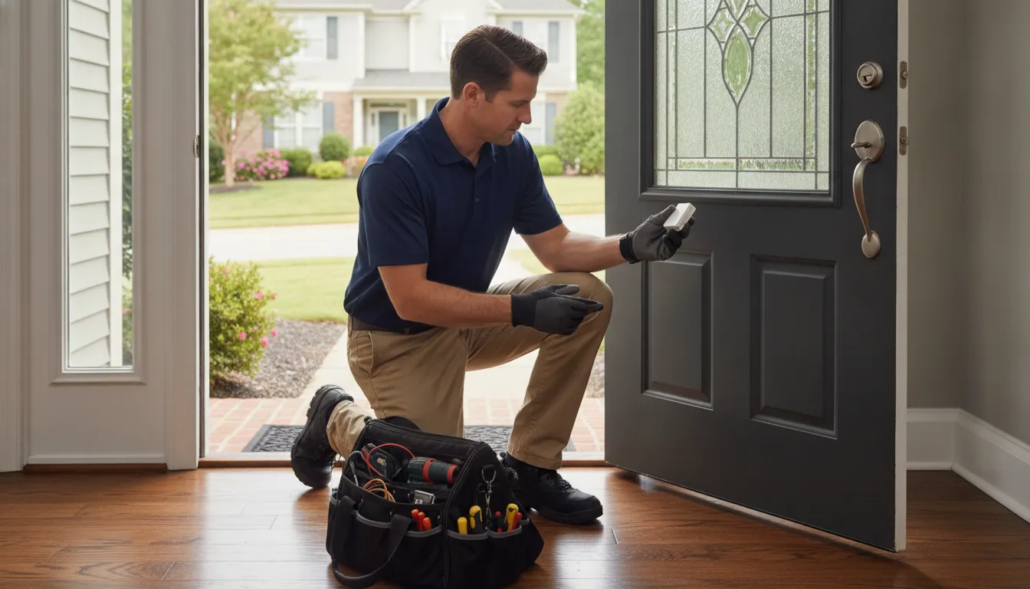
Best Wireless Security System Installers
The best wireless security system installers in Atlanta are the crews that prove the radio path before they sell a parts list. A small sensor on a door is only useful if the panel can hear it. It is just as important that a monitored station can hear the panel when the power or the internet drops. American Alarm has designed and monitored systems for Metro Atlanta homes from a Roswell office since 1995. That local work is the standard we use in this guide.
Schedule a free consultation. Call (770) 645-0061 or contact American Alarm online.
This page is a hiring guide. It shows what to check on a license and what a real survey looks like. It also shows which questions separate a monitored wireless plan from a kit that only works on your home Wi-Fi. It does not walk you through install day, and it does not rank national alarm brands.
What the Best Wireless Security System Installers Check First
A strong installer starts with the house, not a package. The best wireless security system installers confirm three things before they name equipment. They must be allowed to install alarm devices in Georgia. The radio path has to hold in this floor plan. The alarm still has to reach a station if the router dies.
Georgia treats alarm work as low-voltage contracting. The statewide Class LV-A license is the class restricted to alarm and general system low-voltage work, under Georgia rule 121-3-.06. The Secretary of State handles those applications through its low-voltage contractor guide. Ask for the company name on the license and match it to the name on the proposal. A license in a different trade, or a name that does not match the quote, is a reason to keep looking.
Then ask how the alarm leaves the house. A sensor can use its own radio to reach the panel and still fail the job if the panel only reports over Wi-Fi. Look for a cellular communicator, a backup battery, and a written note about who answers when the signal trips. If the visit never includes a walk of the doors, you are looking at a sales call, not an install plan.
American Alarm installs and monitors from one Roswell office, so the person who designs the layout is not handing you to a national desk. That is the practical test behind the license check. You want a company that can both put the system in and answer when a contact or a communicator needs service later.
Judge the Survey Before You Judge the Gear
Wireless gear is small, so a thin proposal can look complete. Judge the visit instead. A useful survey names every ground-floor door, the garage entry, and the windows that open onto a porch or a covered side yard. It also notes pets, ceiling fans, and sun on the glass, because those change where a motion sensor can sit.
Ask for that list in writing before you compare quotes. Two proposals with the same sensor count can cover different doors. One may skip the garage entry. The other may put a motion sensor where afternoon sun or a pet will trip it every weekday. The survey is how you see that difference before install day.
A careful tech will also say which openings can wait. Upstairs windows matter less on a first pass unless a roof, a balcony, or a porch roof makes them easy to reach. That kind of ranking is a sign the visit was about your house, not a fixed package.
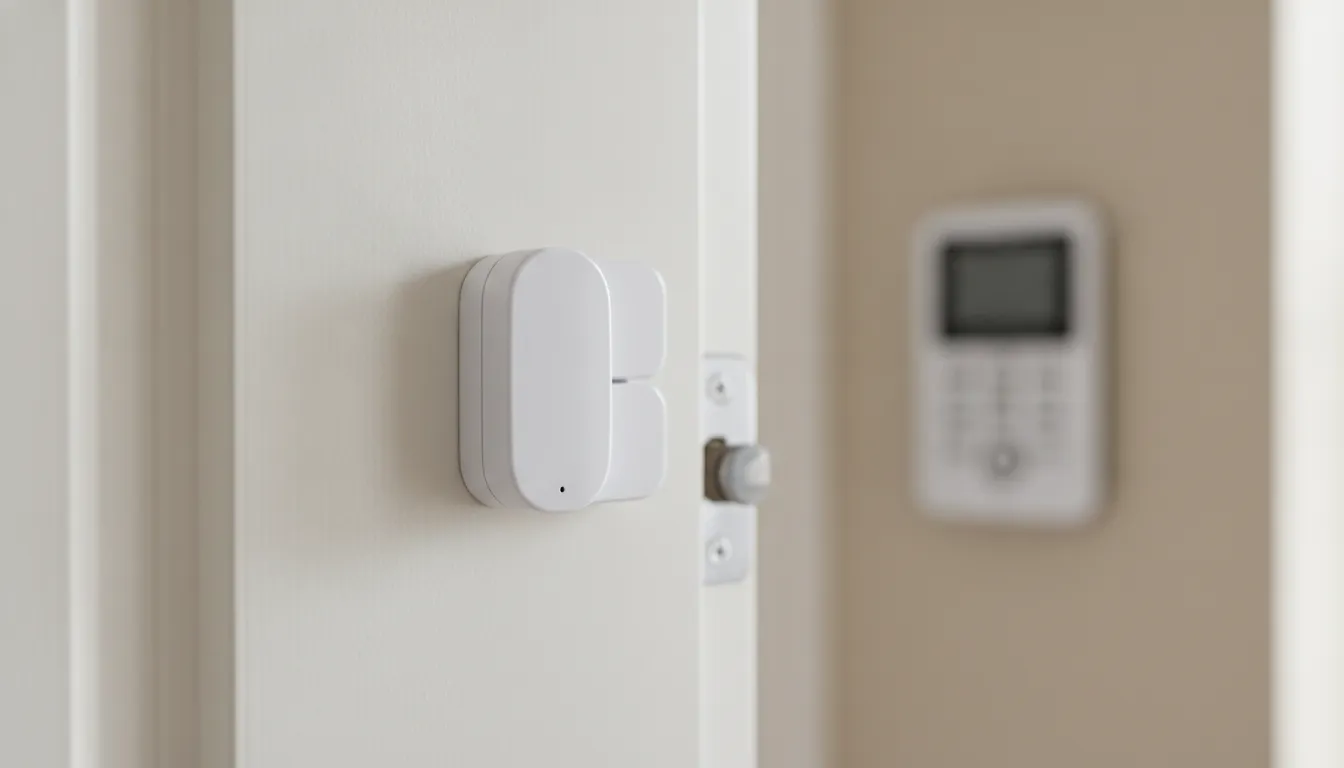
Ask the technician to say, out loud, where the panel will go and why. A good spot is easy for you to reach and hard to see from the street. A useful visit marks how the household actually comes and goes, then designs the layout around those openings. You can read how that walk turns into device placement in our wireless home security installation guide. This page stays on the hiring decision.
If you want the product background first, the wireless alarm system guide explains panels, sensors, and monitoring in plain terms. Use it to learn the pieces. Use the survey to decide who should place them.
Five Checks That Separate a Real Installer
Use the same five checks with every company you call. The best wireless security system installers can answer each one without sending you a brochure. Write the answers down so you can compare them later, not while someone is standing in the foyer.
- License match: The proposal name matches a current Georgia low-voltage alarm license.
- Signal test: Someone walks the doors and tests the panel location before you sign.
- Cellular path: The alarm reports over cellular, not only over the home Wi-Fi.
- Written scope: The quote lists each sensor, the communicator, the app, and what is not included.
- Local service: A Metro Atlanta tech, not a distant call queue, handles the next service visit.
American Alarm’s office is at 304 Bombay Lane in Roswell, and the same local team monitors and services the systems it installs. Most of the staff have been with the company for at least five years. That matters on a wireless system because the first month is when a weak contact or a low battery usually shows up.
Read each check as a pass or a fail, not as a vibe. A company can have a polished website and still fail the signal test. Another can be smaller and still show you the license, the cellular path, and a named person for the next service call. The point of the list is to make that comparison boring and clear.
Keep the notes from each call in the same order. When two quotes look alike, the differences usually sit in who walks the house and who answers after the first month. Those two lines tell you more than a longer feature sheet.
How Installer Types Compare
Not every company that sells a wireless kit will do the same job. The table below is a hiring comparison, not a price sheet. Use it to see which visit you are actually booking.
| What you are hiring | Who designs the layout | How the alarm reports | Who returns for service |
|---|---|---|---|
| Local monitored installer. | A tech walks the home first. | Cellular signal to a station. | The same local company. |
| National package seller. | A scripted room count. | Often cellular, and contract-tied. | A regional or third-party tech. |
| Wi-Fi kit with remote help. | You place the sensors. | Home internet only. | Phone or chat support. |
| Cellular add-on on an old panel. | The existing layout stays. | A cellular module is added. | Whoever already services that panel. |
A national package can be fine if the contract, the monitoring, and the service area are clear. A Wi-Fi kit is a different product. It is not the same decision as hiring someone to design and monitor a system. If your question is only about monthly monitoring fees, use the home security monitoring cost page instead of turning this guide into a rate sheet.
Read the Proposal Like a Scope, Not a Brochure
A clean quote is part of the hire. The best wireless security system installers put the layout in sentences you can check against your own doors. If the page is mostly brand adjectives, ask for a revision before you compare it with anyone else.
Look for a line for every ground-floor door, including the door between the garage and the house. Look for the panel location, the communicator type, and whether the app is included. A missing line is not a small omission. It is the opening that will not be protected, or the fee that shows up after you thought the job was set.
Also mark what the quote refuses to promise. A straight installer will tell you which windows can wait, which sensor is a poor fit because of pets or sun, and whether an older panel can take a cellular module. That honesty is more useful than a longer list of features you did not ask about.
Bring both quotes to the same room count. If one company listed eight contacts and another listed five, do not assume the smaller number is the better deal. Ask which doors the five cover. The survey notes from the visit should answer that without a second sales pitch.
American Alarm writes the plan from the Roswell office that also handles monitoring and service. You should be able to read the result and point to each opening in your own house. If you cannot, the proposal is not finished. Ask for the missing lines before you book a date.
Questions to Ask Before You Book
Bring these questions to the consultation. A straight answer is a better sign than a long feature list. You are checking whether this company will still be useful after the sensors are on the doors.
- Who holds the license: Ask which Georgia low-voltage class the company holds, and whether the people in your house are employees.
- What the station does: Ask who receives the signal, how they verify it, and when police or fire are requested.
- What fails over: Ask what still works if the power is out and the internet router is dark.
- What the quote excludes: Ask about extra contacts, the app, and the first service visit after install.
- How monitoring starts: Ask whether you can keep an existing panel or whether the plan is a new system.
For the cellular monitoring offer itself, review the offer page and then book a conversation rather than guessing from a web form. Homeowners in Roswell, Johns Creek, Sandy Springs, Alpharetta, and the rest of greater Atlanta can use the same questions. The floor plan changes. The checks do not.
Ask the questions in the order above, and stop a visit that will not answer the first two. License and signal path decide whether the rest of the conversation is worth your time. Price comes after you know the quote covers the doors you actually use and a station that can hear the panel.
If you already have a panel and only need a cellular communicator, say that at the start. American Alarm services major alarm panels, and its wireless security installation offer adds a cellular communicator module to an existing alarm panel when that panel is a fit. The consultation is where that call gets made, not in a generic package. Say which doors already have contacts so the visit does not repeat work you do not need.
Schedule a free consultation. Call (770) 645-0061 or contact American Alarm online.
Frequently Asked Questions
What should I verify before hiring a wireless installer?
Match the company name on the proposal to a current Georgia low-voltage alarm license. Then confirm the visit includes a door-by-door survey and a cellular path to monitoring, not a Wi-Fi-only kit.
Does a wireless system still need professional monitoring?
The sensors can alert your phone without it. Monitoring is what gets a trained station involved when you do not answer. Ask who receives the signal and how they verify it before they request help.
How is this different from a wireless install guide?
An install guide explains where devices go and what happens on install day. This page helps you choose the company that will do that work. Read the install guide after you have picked the installer.
Can American Alarm add cellular service to an older panel?
It can, when the panel is a fit. American Alarm services major alarm panels and can add a cellular communicator module so the alarm no longer depends on a phone line. The consultation confirms whether your panel qualifies or whether a new layout is the better plan.
Which Atlanta areas does this hiring advice cover?
The same checks apply across greater Atlanta, including Roswell, Alpharetta, Johns Creek, Sandy Springs, and Marietta. American Alarm works that Metro Atlanta area from its Roswell office, so the service visit stays local after the system is in.
Schedule a free consultation. Call (770) 645-0061 or contact American Alarm online.

Leave a Reply
Want to join the discussion?Feel free to contribute!