No Contract Alarm Monitoring: Atlanta Guide
No Contract Alarm Monitoring: When It Makes Sense and What to Watch For
No contract alarm monitoring gives Atlanta homeowners and business owners a professional monitoring option without being locked into a long agreement. It can make sense when you already own working alarm equipment, need flexibility, or want to compare service quality before making a longer commitment.
Schedule a free consultation. Call (770) 645-0061 or contact American Alarm online.
Request a no-pressure security monitoring consultation with American Alarm to review your existing system, monthly options, and best next step.
Short answer: No contract alarm monitoring means your alarm system is monitored by a central station on a month-to-month basis instead of through a multi-year agreement. The best fit is usually a property with usable existing equipment, a customer who values flexibility, or a business that wants local support before committing to a longer plan.
The tradeoff is simple. A no-contract plan can give you control, but it may require higher upfront equipment costs or fewer promotional discounts. A long-term agreement can lower initial cost, but it can also limit your options if the service, price, or system no longer fits. The right choice depends on your equipment, risk level, budget, and how much support you expect from the provider.
What no contract alarm monitoring actually means
No contract alarm monitoring is professional alarm monitoring without a long-term service commitment. Your system can still send signals to a monitoring center, and trained operators can respond to burglary, panic, medical, or fire alarm events according to the services included in your plan. The difference is the billing relationship. Instead of signing for several years, you typically pay monthly and keep the ability to stop or change service with less friction.
This does not mean the service is casual or unmonitored. A quality provider still needs reliable equipment, correct programming, tested signals, clear emergency contacts, and a documented response process. The Federal Trade Commission recommends reviewing total costs, cancellation terms, and monitoring details before choosing any home security provider. That advice matters even more when comparing month-to-month offers, because the low monthly price is only one part of the decision.
Month-to-month service still needs professional setup
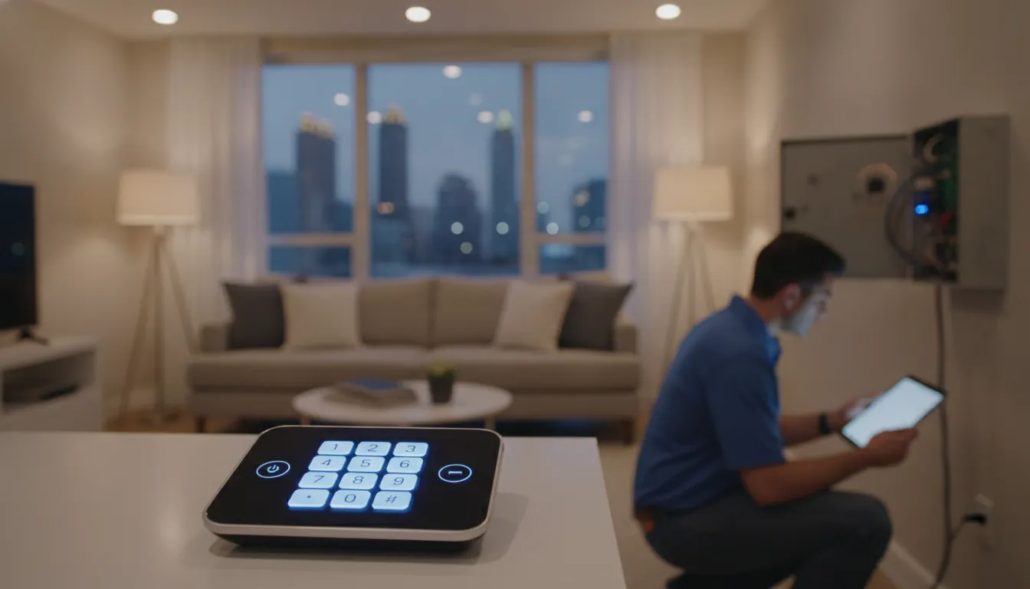
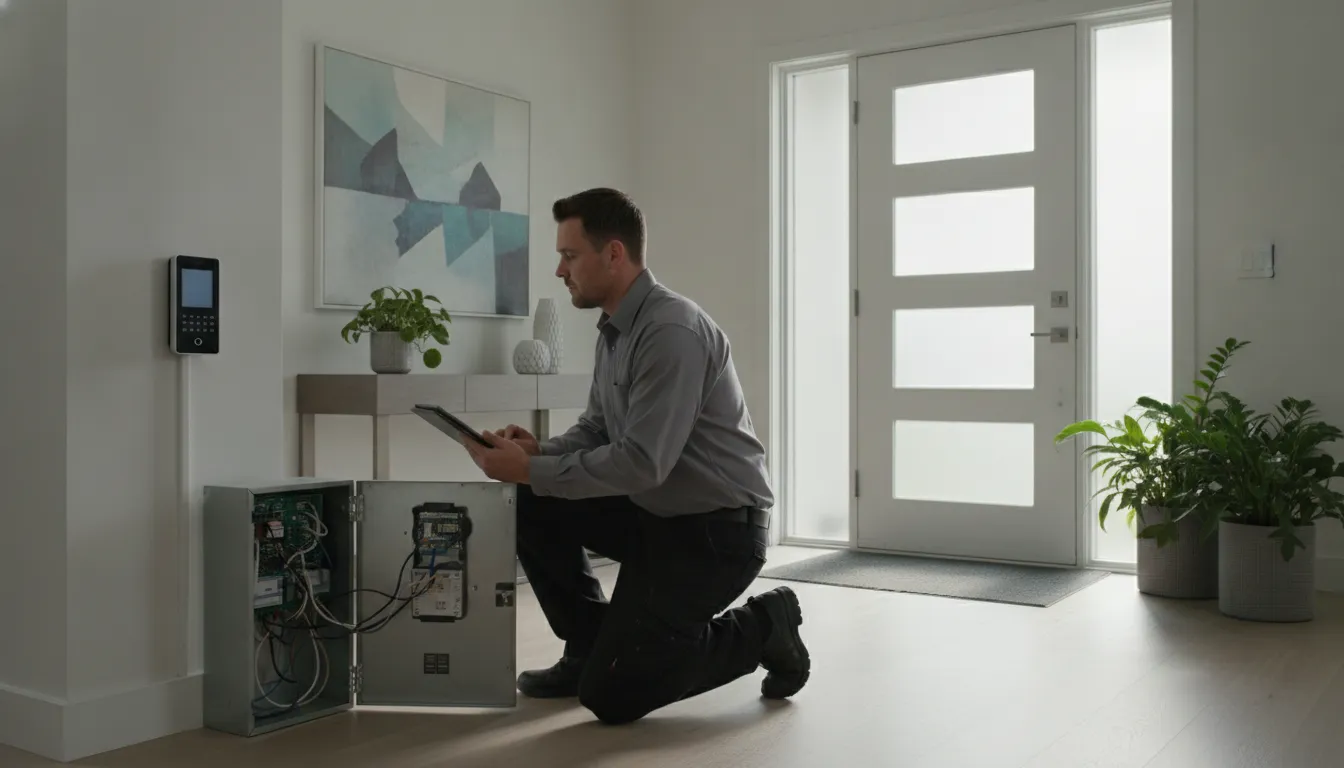
A no-contract plan works best when the alarm system is installed correctly and tested before monitoring begins. If you already have a keypad, control panel, siren, door contacts, motion detector, or cellular communicator, a technician may be able to reprogram the system and connect it to a new monitoring service. That can lower upfront cost because you are not replacing equipment that still works.
American Alarm has served Metro Atlanta since 1995 and supports many major equipment platforms. That matters for customers who inherited an existing system or want to leave a national provider without starting over. A local technician can inspect the equipment, confirm what can be reused, and explain whether month-to-month monitoring is realistic for the property.
Flexibility does not replace due diligence
Flexibility is valuable, but it should not be the only reason to choose a provider. Ask who monitors the signals, how emergencies are handled, what equipment is supported, and whether service calls are handled locally. Also ask whether the plan includes cellular communication, app access, fire monitoring, business opening and closing reports, or other features you may need.
When does no contract alarm monitoring make sense?
No contract alarm monitoring makes the most sense when you want professional coverage but do not want a long agreement to be the first step. It is especially useful for people who already have alarm equipment, are testing a provider’s service, or need a flexible plan for a property whose needs may change.
You already have a working alarm system
If your property has an existing alarm system, reactivation may be the most practical route. Instead of replacing the panel and sensors, a technician can evaluate whether the equipment can be connected to monitoring again. American Alarm offers alarm reactivation and monitoring for many existing systems, and our guide to alarm reactivation in Atlanta with reused equipment explains what can be kept, which can help customers avoid unnecessary equipment purchases.
This is often the strongest use case for no-contract monitoring. You may only need updated programming, cellular communication, new backup battery support, or a service review. If the equipment is obsolete or unreliable, the technician should explain that clearly before you agree to monitoring.
You want to judge the provider by service
Long agreements can make customers feel stuck if service is slow or unclear. A month-to-month plan shifts the pressure back to the provider. They have to earn your business through response time, troubleshooting, billing clarity, and honest recommendations.
That approach fits American Alarm’s local service model. The company emphasizes clear pricing, phone-first troubleshooting when possible, and support from technicians who know the Atlanta area. For many customers, that service experience is more important than the lowest advertised monthly rate.
Your business needs a careful transition
Businesses often have more at stake than a simple equipment swap. Alarm monitoring may connect to opening schedules, employee access procedures, insurance requirements, fire alarm needs, or after-hours response rules. No-contract monitoring can help a business move away from a poor provider while keeping the transition controlled.
If you manage a commercial property, ask for a written plan before switching. The plan should cover signal testing, emergency contact updates, inspection needs, and who is responsible for each part of the transition. American Alarm’s commercial experience and NICET IV leadership are useful when security and life safety requirements overlap.
No-contract versus long-term alarm monitoring
The best choice is not always the shortest commitment. A long-term agreement can be reasonable when it lowers equipment cost, includes installation support, and comes from a provider you trust. A no-contract option is stronger when flexibility, existing equipment, or service uncertainty matters more than upfront discounts.
| Factor | No-contract monitoring | Long-term monitoring agreement |
|---|---|---|
| Commitment | Usually month to month | Often multi-year |
| Upfront cost | May be higher if equipment is needed | May be lower with promotions |
| Flexibility | Easier to change or stop service | May include early ending costs |
| Best fit | Existing systems, service testing, changing needs | New installations with clear long-term plans |
| What to verify | Equipment compatibility and monthly fees | Term length, renewal rules, and total cost |
Look beyond the monthly price
A low monthly monitoring rate can look attractive until you add equipment, activation, service calls, app features, cellular communication, or early ending terms. American Alarm’s published rates start at $18.95 per month for landline monitoring and $29.95 per month for cellular monitoring, with free reactivation of existing equipment; no-contract options are available depending on the system — request a current quote for your property.
For related questions to ask before signing any agreement, review American Alarm’s guide to alarm monitoring agreement questions. It explains why the details matter before you agree to a provider’s terms.
Promotions are not the whole story
Some providers use long agreements to subsidize equipment. That is not automatically bad, but it should be transparent. If a provider installs equipment at a low upfront cost, ask how long the agreement lasts, what happens if you move, who owns the equipment, and whether the agreement renews automatically.
No-contract monitoring usually puts more of the real cost in the open. You may pay for equipment or reactivation sooner, but you avoid trading flexibility for a promotion you may regret later.
What should you watch for before choosing a provider?
Before choosing no contract alarm monitoring, watch for vague pricing, unsupported equipment claims, unclear cancellation rules, and providers that cannot explain how alarms are handled. A trustworthy provider should be able to answer practical questions without pressure.
Ask these questions first
- Will my existing alarm equipment work with your monitoring service?
- Who owns the equipment after installation or reactivation?
- What is included in the monthly monitoring price?
- Are cellular communication or app features included or extra?
- How are emergency contacts updated and verified?
- What service fees apply if a technician must visit?
- Can I cancel month to month, and how much notice is required?
If the answers are unclear, keep looking. Security monitoring is too important for verbal promises. You should know what you are buying, what happens during an alarm event, and how support is handled after the sale.
Local support matters in Atlanta
National providers can offer broad brand recognition, but local support can matter more when equipment needs service or a business has unique requirements. American Alarm is based in the Atlanta area and serves Metro Atlanta and North Georgia. That local footprint helps with faster troubleshooting, practical recommendations, and familiarity with area property types.
For customers comparing providers, the company’s why choose American Alarm page highlights its long-term local history, A+ BBB rating, and customer-service-first philosophy.
How to switch or reactivate an existing alarm system
Switching to a new monitoring provider should be planned, not rushed. A professional transition protects continuity, reduces false alarm risk, and confirms that signals reach the right monitoring center before you rely on the system.
Step 1: Identify your current equipment
Write down the brand and model information on your keypad or control panel if you can find it. Note whether the system uses a phone line, cellular communicator, or internet connection. Do not change wiring or programming on your own. The goal is simply to give the technician enough information to prepare.
Step 2: Schedule an evaluation
A technician should test the panel, sensors, communication path, backup battery, siren, and monitoring signals. They should also review your contact list and emergency instructions. If parts of the system are not reliable, the provider should explain your options before starting service.
Step 3: Confirm monitoring before canceling old service
Do not cancel your prior monitoring until the new provider confirms successful signal testing. A short overlap can prevent a gap in coverage. Once the new monitoring is active, update contacts, passwords, and call lists so emergency response instructions are accurate.
American Alarm’s alarm system reactivation guide is a useful next read if you already have equipment and want to understand what can usually be reused.
Ready to compare no-contract monitoring? Call (770) 645-0061 or contact American Alarm online.
What does no contract alarm monitoring cost in Atlanta?
No contract alarm monitoring costs vary based on communication type, equipment condition, interactive features, and whether you need technician work before activation. In many Atlanta-area comparisons, monthly monitoring can fall roughly in the high teens to low thirties, but current pricing should always be confirmed with the provider.
Common cost drivers
The biggest cost drivers are equipment, communication method, and service level. A system that can be reactivated quickly may cost less upfront than a property that needs new devices or communication upgrades. Cellular monitoring may cost more than basic landline monitoring, but it can be more resilient when phone lines are not dependable.
Interactive app features can also change the monthly price. Some customers only need central station monitoring. Others want remote arm and disarm controls, alerts, or automation features. Ask for the plan to be itemized so you can compare options fairly.
Do not ignore service call policies
Monthly monitoring is only part of the relationship. Ask what happens if equipment needs service. American Alarm has positioned itself around transparent pricing and practical troubleshooting, including phone support when possible. That can matter when you compare a low advertised monthly rate against the true cost of getting help.
Is no-contract monitoring right for your home or business?
No-contract monitoring is right when flexibility and clarity matter more than a subsidized installation. It is not right when the provider uses the phrase as a marketing shortcut but cannot explain equipment ownership, monitoring procedures, service fees, or cancellation rules.
Good signs
- You already own equipment that can be tested and reactivated.
- The provider explains all monthly and upfront costs clearly.
- You can review the terms without pressure.
- Support is local, reachable, and familiar with your system type.
- Emergency contacts and monitoring procedures are documented.
Warning signs
- The provider avoids questions about total cost.
- You are pushed to sign before reviewing the terms.
- Equipment ownership is unclear.
- The monthly price excludes required features you assumed were included.
- No one can explain who handles service after installation.
If you want flexibility without sacrificing professional support, American Alarm can review your property, explain your options, and recommend a monitoring path that fits your budget. The goal is not to force every customer into the same package. It is to match the system, monitoring level, and service model to the real property need.
Frequently Asked Questions
Is no contract alarm monitoring the same as self-monitoring?
No. No contract alarm monitoring can still use a professional monitoring center. Self-monitoring usually means alerts go to you instead of trained operators. Professional monitoring is designed to support emergency response when an alarm signal is received.
Can I use my existing alarm equipment?
Often, yes. A technician must inspect the system, confirm compatibility, and test signals. If the equipment is too old or locked to another provider, you may need updates before monitoring can begin.
Does American Alarm offer no-contract options?
American Alarm offers both contract and no-contract options depending on the system, equipment, and customer needs. The best way to confirm the right option is to request a current quote and system review.
Will no-contract monitoring cost more?
It can cost more upfront if you need equipment or choose not to use a long-term promotional package. The monthly rate may still be competitive, especially when reactivating existing equipment. Always compare total cost, not only the advertised monthly price.
How do I switch monitoring providers safely?
Have the new provider inspect and test your system before canceling your old monitoring. Confirm that signals reach the monitoring center, update emergency contacts, and keep records of the transition.
Get a clear monitoring recommendation. Call (770) 645-0061 or contact American Alarm online.
Ready to review your alarm monitoring options?
If you are comparing no contract alarm monitoring in Atlanta, start with a practical system review. American Alarm can help you understand whether your existing equipment can be reactivated, whether a month-to-month option makes sense, and what the total cost would look like before you decide.
Contact American Alarm today to request a security monitoring consultation and get clear guidance from a local Atlanta alarm company.


Leave a Reply
Want to join the discussion?Feel free to contribute!