Alarm Reactivation Atlanta: Reuse Existing Equipment
An inactive alarm system does not always need to be replaced. If the installed panel, sensors, wiring, and notification devices remain compatible and functional. A qualified local technician may be able to restore monitoring while preserving much of the equipment already in place.
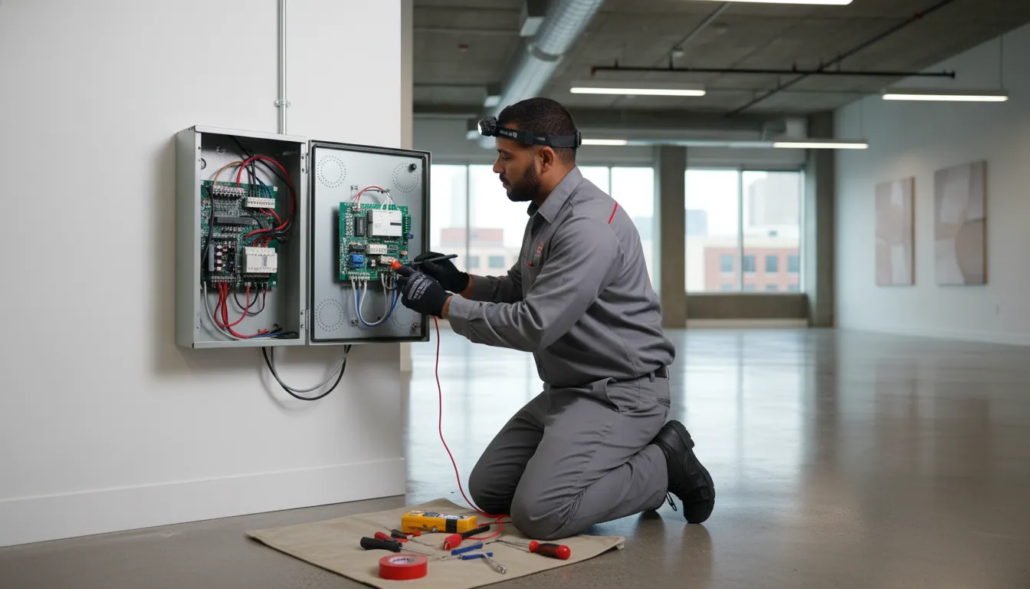
Alarm reactivation Atlanta service begins with a professional inspection. A technician inventories the existing system, tests each device, checks the control panel and communication path, and identifies any failed or obsolete components. Reusable equipment can stay in service, while only the parts that cannot perform reliably need to be upgraded. This practical approach can reduce unnecessary replacement costs without compromising dependable protection.
Schedule a free consultation. Call (770) 645-0061 or contact American Alarm online.
Reactivation is especially useful after monitoring has lapsed, a property changes ownership, or the current provider no longer meets the owner’s needs. The condition of the equipment matters more than the name printed on it. American Alarm supports major equipment brands and platforms, and its technicians focus on finding a sound path forward rather than assuming a full replacement is necessary.
This guide explains which components can often be reused, how technicians evaluate an installed system. When upgrades make sense, and what Atlanta property owners can expect during the reactivation process.
Alarm Reactivation Atlanta: What alarm reactivation in Atlanta means
Reactivation and takeover monitoring
Alarm reactivation in Atlanta means returning an installed but inactive alarm system to working service. A technician checks the equipment, fixes any faults, and connects the system to active monitoring. The aim is to use sound equipment already in place instead of assuming every part needs replacement.
Takeover monitoring is closely related, but it starts with a change in monitoring provider. The new provider reviews the installed system and connects compatible equipment to its monitoring service. This approach can work for homes and businesses that want a service change without a full new installation. See our guide to switching alarm monitoring companies without replacing your panel for the takeover details. A commercial security system takeover applies the same basic idea to business sites.
What an inspection checks
An inspection is the hands-on review that shows whether reactivation is practical. The technician tests the control panel, keypad, power supply, backup battery, sensors, wiring, and communication path. Each part must respond as intended before the system can be trusted for active use.
The review should also cover any installed fire alarm devices and their connection to the wider system. NFPA guidance permits supplementary functions when they do not interfere with required life safety performance. That rule helps explain why careful testing matters before existing devices are connected to professional alarm monitoring services.
- Functional testing shows which installed parts still work.
- Compatibility checks show whether the panel can connect with the planned monitoring service.
- Fault checks find weak batteries, damaged wiring, failed sensors, or communication issues.
- Life safety checks confirm that added functions do not hinder required alarm performance.
Why evaluation comes before replacement
An older system is not always an unusable system. Some panels and sensors may remain sound even after monitoring stops. A proper evaluation separates working parts from failed or incompatible ones. It also gives the owner a clear basis for deciding what to keep, repair, or replace.
This equipment-first process can limit waste and avoid the cost of replacing sound parts. It also keeps the decision tied to test results rather than a broad sales recommendation. When existing fire alarm functions are part of the setup, the review must protect their main purpose. NFPA code material on supplementary functions states that they must not interfere with required system performance.
Which existing alarm components can usually be reused?
Many older alarm systems still have useful parts. During an alarm reactivation in Atlanta, a technician tests each part before deciding what should stay. The goal is not to replace equipment that remains sound, compatible, and fit for its job.
Wired field devices
Wired door and window contacts often have strong reuse potential because their basic job has not changed. A technician checks each contact, its wire path, and the signal at the panel. Existing motion sensors may also stay when they respond well and suit the space.
Smoke and heat devices need added care because they support life safety. The technician checks device type, age, placement, wiring, and response. Working smoke alarms can cut the risk of death in a reported home fire in half, according to an NFPA smoke alarm guide.
| Component | Reuse potential | What the technician checks |
|---|---|---|
| Wired contacts | Often high | Open and close signal, wire condition, and zone label |
| Motion sensors | Often moderate | Walk-test response, placement, power, and false-alarm risk |
| Keypads | Depends on the panel | Model match, display, keys, and wiring |
| Sirens | Often moderate | Sound output, wiring, and power draw |
| Control panel | Varies widely | Model support, programming access, zones, and condition |
| Power supply and communication module | Often needs an update | Battery, voltage, connection type, and monitoring support |
Keypads, sirens, and the control panel
Keypads are tied closely to the control panel model. A clear display and working buttons do not prove that a keypad can work with a new panel. The technician confirms model support and checks the wiring before keeping it.
Sirens are often simple to test, but sound alone is not enough. The technician also checks their power draw and connection to the panel. For a business, a commercial security system takeover may keep sound field devices while updating the system controls.
The control panel needs the broadest review. The technician checks its condition, zone capacity, programming access, and support for current monitoring. A sound panel may remain, while an unsupported panel can make an upgrade the safer choice.
Power and communication paths
Power supplies include the plug-in transformer, panel battery, and related wiring. A technician measures voltage and checks the battery under load. Old batteries are common replacement items, even when the rest of the system can stay.
Communication modules connect the panel with monitoring service. Older connection types may not suit the current service, so this part often changes during reactivation. The field devices can still remain while the communication path gets an update for professional alarm monitoring services.
Reuse is a part-by-part decision, not an all-or-nothing choice. A complete test shows which components respond well, which need service, and which no longer fit the system. This approach can preserve useful equipment without keeping weak links.
How does a technician decide whether equipment is reusable?
A technician makes the reuse decision through a set process, not a quick look at the keypad. The goal is to find which parts work, which parts fit current service, and which parts need replacement. This approach keeps an alarm reactivation in Atlanta focused on safe, reliable operation.
System inventory and condition
The evaluation starts with a full inventory of the control panel, keypads, sensors, sirens, power supply, and connected life safety devices. The technician records model details, wiring condition, visible damage, and signs of past service. American Alarm supports all major equipment brands and platforms, so an older brand name alone does not rule out reuse.
- Identify each installed part and its model. The technician also checks whether manuals, codes, and past service records are available.
- Inspect wiring, connections, backup power, and device condition. Damaged parts or weak power sources are marked for repair or replacement.
- Test each zone and device at the control panel. The technician confirms that signals arrive correctly and that alerts sound as expected.
- Check panel, sensor, communicator, and monitoring compatibility. Reusable parts must work together without blocking the system’s main safety functions.
- Connect communications and confirm monitoring activation. The final test verifies that alarm signals reach the monitoring center with the correct zone details.
Function and compatibility checks
A part can look clean and still fail during testing. Each sensor must report the right condition, while the panel must read and send that event correctly. Backup power, sirens, and connected smoke alarms also need checks because failures may not appear during normal use.
Life safety connections receive close review. The NFPA material on supplementary alarm functions says added functions must not interfere with primary performance needs. A technician uses that principle when deciding whether older parts can remain connected safely.
Compatibility goes beyond whether a sensor can trigger the panel. The panel must also work with an available communicator and the chosen monitoring service. For a business site, a commercial security system takeover may reuse sound field devices while updating the parts that send signals.
Communications and final activation
Once the equipment passes local tests, the technician checks how the system communicates outside the property. A working local siren does not prove that a monitoring center receives a clear signal. The technician sends test events, checks zone labels, and confirms the correct response path.
Existing systems are reactivated free of charge, and monitoring starts at $18.95 per month for landline service or $29.95 per month for cellular service. American Alarm can start with phone-first troubleshooting to help find simple issues and limit avoidable service costs. If an on-site visit is needed, the earlier findings give the technician a useful starting point. After activation, professional alarm monitoring services depend on clear signals, accurate device labels, and a tested connection.
The result is a written reuse plan rather than an all-or-nothing answer. It separates proven equipment from parts that are damaged, unsupported, or unable to communicate. That plan lets the property owner see why each item can stay or should change.
When does an alarm system need new equipment?
Old does not always mean unusable. During an alarm reactivation in Atlanta, a technician should test each part before recommending any replacement. Working sensors, wiring, and keypads may remain useful when they can connect with the new monitoring setup.
Signs a component should be replaced
A part may need replacement when it fails testing, sends repeat false alarms, or works only at times. Damage, weak connections, and missing parts can also make continued use unsafe or impractical.
- The control panel cannot send signals through a supported communication path.
- A sensor fails a function test or gives inconsistent results.
- Replacement parts, batteries, or support are no longer available.
- Older equipment cannot connect with the chosen monitoring service.
- The building layout or protection needs have changed.
Fire and life-safety devices need closer review because they must work as intended. The NFPA smoke alarm guide notes that missing, disconnected, or dead batteries often cause smoke alarms to fail. A battery issue may be easy to fix, but a failed device should not remain in service.
Compatibility and code concerns
Some older panels rely on communication methods that a monitoring provider no longer supports. In other cases, the panel works but cannot connect with a needed sensor or reporting feature. A technician can find the exact point of conflict instead of treating the full system as obsolete.
Code and life-safety concerns may also call for targeted upgrades. Supplementary alarm functions are allowed when they do not interfere with required system performance. This makes careful integration important when existing devices connect with professional alarm monitoring services.
Partial replacement instead of a full rebuild
An honest equipment review separates failed or incompatible parts from those that still work. For example, a technician may replace the control panel or communicator while keeping sound wiring and compatible sensors. This approach can lower waste and cost without accepting weak protection.
Businesses may need new equipment after a remodel, change in access needs, or shift in daily operations. A commercial security system takeover can assess those changes while preserving useful equipment. The final scope should list what stays, what changes, and why each replacement is needed.
What should Atlanta property owners expect during reactivation?
Scheduling and the on-site inspection
Alarm reactivation in Atlanta usually starts with a call about the property, the existing panel, and any known issues. The provider can then schedule an on-site visit and explain what access the technician will need. Keep any old user codes, service records, and equipment details ready if they are available.
During the visit, the technician inspects the panel, power supply, wiring, sensors, and other connected devices. The goal is to find which parts still work and which need repair or replacement. Existing equipment can often stay in place when it is compatible and functional.
Testing, quote, and approval
The technician should test each device and confirm that signals reach the panel as intended. Smoke alarm checks matter because these devices can fail when batteries are missing, disconnected, or dead. An NFPA smoke alarm guide notes that working smoke alarms cut the risk of death in a reported home fire in half.
After testing, expect a clear list of usable parts, needed repairs, and suggested updates. The quote should separate required work from optional changes, so the owner can review the scope before approval. For a business site, a commercial security system takeover may also need a review of access control and fire alarm connections.
Testing may uncover weak batteries, damaged wiring, outdated communication hardware, or devices that no longer respond. Ask which findings stop reactivation and which can wait. No repair or equipment change should move forward until the owner understands and approves the quoted work.
Monitoring connection and owner walkthrough
Once approved work is complete, the provider can connect the system to its monitoring service and verify signal delivery. The provider should place the account in test mode while devices are checked. This step helps prevent test signals from being treated as real alarm events.
The final walkthrough should cover arming, disarming, user codes, alerts, and the steps to cancel an accidental alarm. Owners should also learn how to request service and update contact details. A review of professional alarm monitoring services can help clarify what happens after the connection is active.
Before normal use begins, ask whether the property’s local Atlanta-area jurisdiction requires alarm registration. Rules and false alarm procedures can differ by location, so confirm the current process with the proper local office. Keep registration details, monitoring contacts, and user instructions where authorized users can find them.
Why choose a local Atlanta alarm company for reactivation?
A technically grounded equipment review
Alarm reactivation in Atlanta should begin with a close review of the equipment already in place. A local technician can check the control panel, sensors, wiring, power supply, and communication path. This hands-on review shows which parts still work and which parts need attention.
American Alarm supports major equipment brands and platforms, so the review does not begin with a required full replacement. Compatible, working equipment can often stay in service. For a business system, a commercial security system takeover can also build on equipment that is already installed.
Technical knowledge matters when the system includes life safety functions. NFPA guidance permits supplementary functions when they do not interfere with required system performance. A qualified review can separate reusable parts from failed or unsuitable parts while keeping those limits in view. The NFPA guidance on supplementary functions explains this key rule.
Clear recommendations without pressure
A local evaluation should lead to a clear plan, not a preset sales package. The technician can explain what was tested, what passed, and what must change. That approach helps owners compare reactivation with replacing only the parts that failed.
American Alarm avoids high-pressure sales tactics and focuses on long-term service. Its recommendations can account for existing equipment when it is compatible and functional. Each proposed change should have a clear reason tied to system condition, life safety, or monitoring needs.
This process also gives owners a useful record of the system’s current state. They can see which equipment remains dependable and where age or damage creates concern. Transparent findings make it easier to set priorities without paying for changes that the review does not support.
Local support after reactivation
Reactivation is not finished when the panel powers on. The system also needs a working communication path and a clear monitoring plan. American Alarm offers professional alarm monitoring services for Atlanta homes and businesses, which connects the restored system to ongoing support.
American Alarm has served Metro Atlanta since 1995. Founder Scott Gilkey holds NICET IV certification, the highest technical level noted in the company’s records. That background supports careful decisions about system reuse, repair, and monitoring.
The company also uses phone-first troubleshooting to help limit service costs. When an on-site visit is needed, local service keeps the response tied to the equipment and conditions already reviewed. Same-day installation and reactivation services are also available, which can reduce delays when the system is ready to return to service.
Request a free reactivation evaluation. Call (770) 645-0061 or contact American Alarm online.
Frequently Asked Questions
How do you reactivate a house alarm?
Alarm reactivation starts with a technician inspecting the control panel, sensors, wiring, power supply, backup battery, and communication path. The technician tests each device, confirms compatibility with current monitoring, and replaces only failed or unsupported parts. After programming and signal testing, the system can return to monitored service. American Alarm offers same-day reactivation services in the Atlanta area.
Can existing alarm equipment be reused during reactivation?
Existing alarm equipment can often be reused when its control panel, sensors, wiring, and communication hardware remain functional and compatible with current monitoring. A technician should test every device before deciding what stays. Some older or damaged parts may require replacement, but keeping compatible equipment can reduce project cost and disruption. American Alarm supports major equipment brands and platforms.
Do you have to register your alarm system in Georgia?
Alarm registration requirements can differ by city or county in Georgia, so confirm the rules for the address where the system operates. Before reactivation, ask the local police department or municipal service office whether registration or renewal is required. Complete any required registration before requesting emergency dispatch. Your monitoring provider should also have the correct permit details and emergency contact information.
What causes an inactive old alarm system to go off?
An inactive alarm can still sound locally even when it is not connected to professional monitoring. Common causes include a weak backup battery, power interruptions, loose wiring, failing sensors, damaged contacts, or an aging control panel. Record any keypad message and avoid repeatedly resetting the system. A technician can identify the source, test each zone, and determine whether the affected equipment remains usable.
How can you reduce false alarms after reactivation?
Reduce false alarms by having every sensor, contact, battery, and communication path tested before monitoring begins. Update user codes and emergency contacts, then make sure each authorized user understands entry delays and arming steps. Repair loose contacts, replace weak batteries, and address recurring keypad warnings promptly. Schedule service when the same zone triggers repeatedly, since repeated alerts often point to a device or wiring issue.
Ready to put your existing alarm back to work? Call (770) 645-0061 or contact American Alarm online.
Ready to Put Your Existing Alarm Back to Work?
Waiting to evaluate an inactive alarm can extend the time your Atlanta home or business remains without dependable monitoring. Starting now gives a technician time to identify reusable equipment, explain what needs attention, and outline the right path forward. An early evaluation also helps you plan around necessary updates instead of facing rushed decisions later.
Ready to learn whether your current equipment can support reliable monitoring again? Request an alarm reactivation evaluation to get clear next steps for reusing compatible parts and addressing anything that needs replacement. Contact American Alarm now so you can make an informed choice and move toward an active system without unnecessary delays.


Leave a Reply
Want to join the discussion?Feel free to contribute!