A Guide to Card Access Control Installation in Atlanta
Do you know exactly who has a key to your business right now? If you’re using traditional keys, the answer is probably no. Keys get lost, copied, or aren’t returned by former employees, leaving you with security blind spots. It’s time to trade that uncertainty for control. With modern access control security solutions, you can manage entry with keycards, fobs, or even your phone. See who enters, grant temporary access to a contractor, and instantly revoke permissions. This isn’t a futuristic concept—it’s a practical upgrade. This guide covers everything about a professional card access control systems installation in Atlanta.
Key Takeaways
- Replace Outdated Keys with Precise Control: Modern access control lets you decide exactly who can enter specific areas and when, creating a detailed digital log of all activity. This is a major step up from traditional locks for protecting your property and improving accountability.
- Select the Right Entry Method for Your Team: The best system fits how your business operates, whether that means using convenient keycards, mobile phone credentials, or high-security biometrics. Assess your daily workflow to choose a technology that strengthens protection without causing friction.
- Invest in a System That Grows with You: A smart access control solution should be scalable, allowing you to easily add more doors or users as your business expands. For the best protection, ensure it can integrate with your alarm system to create a unified and responsive security strategy.
What Are My Access Control Options?
Choosing an access control system for your business can feel overwhelming. It’s a big decision, and the right choice depends entirely on your unique needs, your property’s layout, and how your team operates. Gone are the days of relying solely on metal keys, which can be easily lost, copied, or become a liability when employees leave. Modern access control is about giving you precise control over who can enter specific areas of your building and when, creating a seamless and secure environment. The goal is to find a solution that strengthens your building’s protection without creating headaches for your staff and visitors. Understanding the main categories is the first step to figuring out what will work for your Atlanta business. From familiar keycards to advanced biometrics and mobile solutions, each system offers a different way to manage entry. Let’s walk through the most common types so you can get a clear picture of what’s available and make an informed decision for your company’s future. This will help you balance convenience, cost, and the level of protection you need.
Secure Entry with Keycards and Proximity Cards
You’ve definitely seen these in action. Keycard and proximity card systems are one of the most popular and reliable ways to secure a building. Employees or authorized individuals are given a card that they swipe, tap, or hold near a reader to unlock a door. It’s a simple concept, but modern electronic key card systems offer a powerful degree of security. If a card is lost or an employee leaves the company, you can deactivate it in seconds, eliminating the need to change locks. This also gives you a digital record of who entered and when, which is incredibly useful for tracking activity and improving accountability across your business.
Understanding Encrypted Key Cards
Not all key cards are created equal. While a basic proximity card is a step up from a metal key, an encrypted key card takes your protection to the next level. Think of it this way: a standard card is like a simple password, while an encrypted card is like a complex, scrambled code that’s much harder for unauthorized individuals to copy or duplicate. This added layer of security is crucial for businesses that handle sensitive information or valuable assets. Modern access control systems allow you to manage entry based on time, location, and specific user permissions. If an employee leaves, you can instantly revoke their access without the hassle and expense of changing locks, ensuring your building remains secure and your operations accountable.
Gain Entry with Biometric Technology
If you want to add a layer of cutting-edge security, biometric systems are the way to go. Instead of using something you have (like a card), these systems use something you are. They grant access based on unique biological traits like a fingerprint, facial scan, or even the pattern of your iris. Because these identifiers are unique to each person, it’s virtually impossible for them to be lost, stolen, or shared. Many of the latest biometric access control innovations are also contactless, which helps maintain a clean and efficient environment. This type of system is an excellent choice for protecting high-value areas or for businesses that require the highest level of security.
How Mobile-Based Access Works
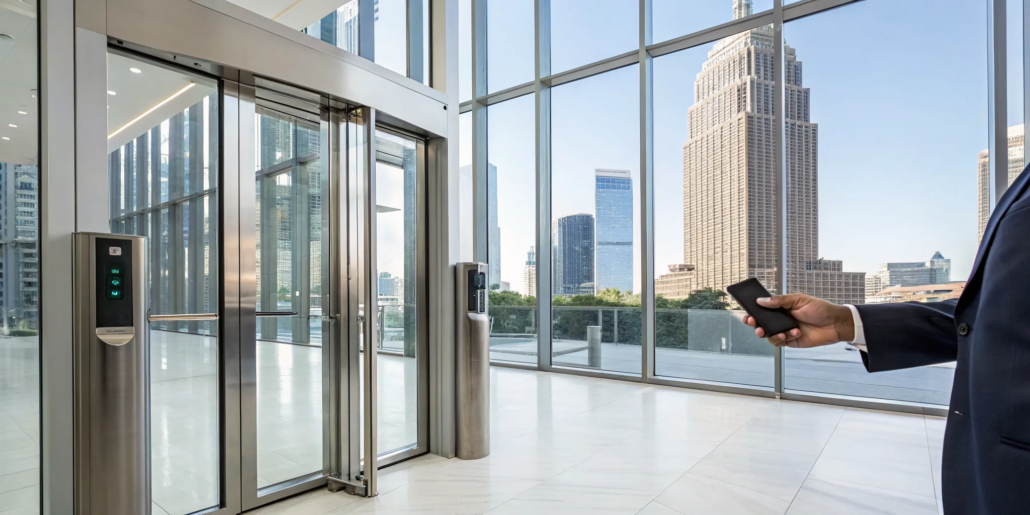
Almost everyone has a smartphone, so why not use it as a key? Mobile-based access control does just that, turning an employee’s phone into their credential. Through a secure app, users can unlock doors with a simple tap on their screen. This approach is incredibly convenient and is quickly becoming the new standard for modern businesses. It eliminates the cost and hassle of issuing and managing physical cards. Plus, you can grant or revoke access remotely and instantly, which is perfect for managing visitors, contractors, or new team members. If you’re looking to streamline your operations, exploring mobile-based credentials is a smart move.
Convenient Features like Wave to Unlock
Modern access control is about more than just who gets in; it’s also about how they get in. Features like “Wave to Unlock” are a perfect example of this, allowing authorized individuals to open a door with a simple wave of their hand near a reader. This hands-free approach is incredibly helpful in busy environments, especially when you’re carrying files or equipment. Instead of making someone fumble for a keycard or phone, it keeps foot traffic moving smoothly without compromising on security. It’s a small, thoughtful feature that makes a big difference in the daily flow of your business operations.
This focus on a seamless experience extends to how you manage the system from the back end. Many of today’s solutions allow you to grant or revoke access remotely from a smartphone app. Imagine a contractor needs entry for a few hours—you can grant them temporary credentials that expire automatically, without ever leaving your desk. This ability for remote management eliminates the hassle of coordinating key handoffs and gives you complete control over your property’s security, no matter where you are.
These convenient features aren’t just novelties; they are essential components of a smart security strategy. They improve your team’s efficiency while maintaining a high level of protection. When you combine hands-free entry with powerful remote management and integrate it with your primary alarm system, you create a truly responsive and user-friendly environment. Exploring the different systems and products available can help you visualize how these features would work in your own space, balancing advanced technology with practical, everyday convenience.
Manage Your System from the Cloud
This type is less about the entry method and more about how the entire system is managed. With a cloud-based platform, your access control system is connected to the internet, allowing you to manage it from anywhere through a web browser or mobile app. This is a game-changer for business owners. You can add or remove users, change access permissions, and view activity logs for multiple locations, all from a single dashboard. This provides amazing flexibility and scalability, making it easy to manage access as your business grows. The shift towards cloud-based access control offers huge benefits for operational efficiency and security management.
How Can Access Control Protect Your Business?
If you’re still relying on traditional locks and keys, it might be time for an upgrade. A business access control system gives you precise control over who enters your property and specific areas within it. It’s a modern approach that replaces cumbersome keys with smarter, more flexible solutions like keycards, fobs, or even mobile apps. This shift does more than just secure your doors; it provides detailed oversight, improves safety for your staff, and simplifies daily operations. For any Atlanta business, it’s a foundational step toward building a truly secure and manageable workspace. Instead of worrying about lost keys, unauthorized copies, or changing locks every time an employee leaves, you can manage access with a few clicks. You can grant or revoke permissions instantly from a central platform, ensuring only the right people have access at the right times. This level of control is essential for protecting your inventory, sensitive data, and most importantly, your people. It’s about moving beyond just locking up at night and toward actively managing your building’s security around the clock, creating a safer and more efficient environment for everyone.
Keypads, Smart Locks, and Intercoms
These components add a layer of smart convenience right at your main entry points. Keypads are a great first step, letting you assign unique codes to employees and visitors, which means no more worrying about lost keys. When someone leaves the company, you just delete their code. Smart locks take it further by letting you control the door right from your phone—incredibly helpful for letting in a delivery or a contractor when you can’t be there. For another level of verification, intercom systems allow you to speak with visitors before buzzing them in. Many modern systems even let you see who’s at the door, so you can make a confident decision before granting access from anywhere.
Wireless Locks and Gate Operators
But what about securing areas where running new wires is a challenge, like in older buildings or across a large property? That’s where wireless locks are a lifesaver. They provide the same strong security and management features as wired options but with far more flexibility during installation. For controlling vehicle access, gate operators are the answer. You can integrate them directly into your main platform, allowing you to manage who drives onto your property using the same credentials your team uses for the building. This connects your entire site, from the parking lot to the back office, under one unified access control system.
Protect Your Property and Prevent Theft
An access control system is your first line of defense, giving you granular control over your entire facility. Instead of a one-key-fits-all approach, you can designate which employees have access to sensitive areas like server rooms, inventory stockrooms, or offices containing private records. This helps you manage who is coming and going, significantly reducing the risk of both external and internal theft. By limiting access, you’re not just protecting your assets; you’re creating a more secure environment. American Alarm offers a range of security solutions that can be tailored to fit the unique layout and needs of your business, ensuring every critical point is protected.
Monitor Who Comes and Goes in Real Time
Knowledge is power, especially when it comes to your business’s security. Access control systems provide a complete audit trail of every entry, logging who accessed which door and at what time. This means no more guessing games. If an incident occurs, you have a clear, time-stamped record to review. Many modern systems also send instant alerts to your phone or computer for specific events, like a door being propped open or an unauthorized access attempt after hours. This allows you to see what’s happening right away and respond quickly. If you have questions about specific monitoring capabilities, our team is ready to help you find the answers.
Keep Your Staff Safe and Accountable
Your team’s safety is a top priority, and an access control system is a powerful tool for protecting them. By ensuring only authorized individuals can enter the workplace, you create a safer, more controlled environment and reduce the risk of unwelcome visitors. It also fosters a culture of accountability. When each employee has a unique credential, you eliminate the security risks of lost or shared keys. This ensures that only authorized personnel can get into critical areas, minimizing potential threats and making it clear who is responsible for accessing different parts of your building. Our long-standing commitment to protecting Atlanta businesses means we understand how to create a system that keeps your people safe.
Simplify Visitor and Remote Access Management
Managing access for visitors, contractors, and deliveries can be a logistical headache with traditional keys. An access control system simplifies this entire process. You can easily issue temporary credentials that expire automatically, so you never have to worry about retrieving a key. Need to let a technician in after hours? You can grant access remotely from your smartphone or computer, no matter where you are. This flexibility allows you to manage your security from anywhere, at any time. Our advanced systems and products can be integrated with your existing setup or designed as a completely new solution to fit your operational needs.
How Do I Choose the Right Access Control System?
Picking the right access control system feels like a big decision, and it is. But it doesn’t have to be complicated. The best system for your business is one that fits your daily operations, protects your team and assets, and can adapt as your company evolves. It’s all about finding a solution that gives you control and peace of mind without creating a headache for your employees. Think of it less as just buying technology and more as designing a flow for your building. By focusing on a few key areas, you can confidently select a system that truly serves your business needs now and in the future. Let’s walk through the essential steps to making a smart choice.
First, What Are Your Security Needs?
Before you even start looking at different systems, take a moment to map out your property and how people move through it. Access control is all about managing who can enter specific areas and when. Ask yourself a few questions: Which doors need to be secured? Are there sensitive areas, like server rooms or inventory storage, that require tighter restrictions? Who on your team needs access to which spaces, and during what hours? Understanding these unique requirements is the first step toward building an effective security plan. Defining your needs will help you narrow down your options and find a solution that provides the right level of protection for your business’s services.
Understanding System Ownership: Proprietary vs. Non-Proprietary
When you’re investing in a new system, it’s easy to focus on the features and forget about a crucial detail: who truly owns and controls it. This is where the difference between proprietary and non-proprietary systems comes in, and it’s a big deal for your long-term flexibility. A proprietary system locks you into a single manufacturer or installer for all future service, parts, and software updates. Think of it like a phone that only works with one specific network. A non-proprietary system, on the other hand, is built on open standards. This gives you the freedom to choose who services your system, ensuring you’re never stuck with a single provider. This choice impacts everything from future costs to your ability to adapt your security as your business grows.
Why Non-Proprietary Systems Offer More Freedom
Choosing a non-proprietary system is about maintaining your independence. Because these systems aren’t tied to a single company, you are not locked into using only the original installer for future service or parts. If you’re ever unhappy with the service you’re receiving or find a better price elsewhere, you have the freedom to switch. This flexibility encourages healthy competition among providers, which ultimately benefits you with better service and fairer pricing. At American Alarm, we believe in empowering business owners to make the best choices for their security. Opting for a non-proprietary solution ensures you can always work with a partner who truly meets your needs, rather than one you’re simply stuck with.
Ensuring You Have Full Control with Lockout Codes
True ownership means having full administrative control over your system. With a non-proprietary setup, you are given all the “lockout codes” and master credentials. This allows you or your trusted security provider to manage the system directly, add or remove users, and make changes without needing permission from the original installer. You won’t be held hostage, waiting for a specific company’s technician to make a simple update or paying a premium for a service call you could handle yourself. This level of control is essential for operational efficiency and ensures your security system works for you, not the other way around. If you have questions about ensuring you have this level of control, our team is always here to provide clear answers.
Identify the Must-Have Features
Modern access control systems come with features that can make managing your property much simpler. Electronic key cards or fobs are a popular and highly secure option, replacing old-fashioned keys that can be easily lost or copied. Another game-changing feature is the ability to manage your system remotely. Imagine being able to grant or revoke access, check activity logs, or unlock a door for a delivery, all from your computer or smartphone. This gives you complete control, whether you’re on-site or across town. Exploring different systems and products will give you a better idea of the convenient features available today.
Using Your Existing Key Cards to Save Money
Upgrading your security system shouldn’t mean starting from scratch. A common worry is the cost and hassle of replacing every employee’s key card, but many modern access control systems are designed with this in mind. You can often use your old key cards and fobs, allowing for a seamless transition to a more powerful management platform without the expense of reissuing credentials. This backward compatibility is a huge budget-saver. As you grow, you can introduce newer, more secure encrypted cards for new hires or for protecting high-value areas, phasing in advanced technology at your own pace. It’s a practical approach that lets you improve security without disrupting your entire operation.
Advanced Hardware with Built-in Video and AI
Today’s access control hardware is much more than just a card reader. The latest door readers come packed with smart features that add layers of security without extra installation costs. For instance, many systems now include readers with built-in video and AI-powered intercoms. This means you can get visual confirmation of who is at the door and even communicate with them, all through the same device that grants entry. According to security provider Avigilon Alta, these extra features don’t cost more to install. This integration simplifies your setup, providing more information and control at every entry point and creating a smarter, more responsive security posture for your business.
Plan for Integration with Existing Systems
Your access control system shouldn’t operate in a silo. For the strongest protection, it should work hand-in-hand with your other security measures, especially your alarm system. When these systems are integrated, they can communicate with each other to create a more responsive and comprehensive defense. For example, if an unauthorized person tries to force a door open, the access control system can instantly trigger your building’s alarm and alert your monitoring service. This seamless connection ensures that any potential threat is addressed immediately, giving you a powerful, layered security strategy that protects your property from multiple angles.
Connecting with Video Surveillance Systems
Combining your access control with a video surveillance system gives you the full picture. It’s one thing to get an alert that a door was accessed, but it’s another to see exactly who is there in real time. Some of the most advanced door readers now come with smart features like built-in visual verification and AI-powered intercoms. This integration allows you to monitor access points effectively by providing live video feeds and alerts directly to your security dashboard. You can confirm identities, respond to incidents as they happen, and maintain a complete visual record of all entry events, creating a much stronger security posture for your business.
Integrating with Business and IT Software
Your security system should make your life easier, not add another complicated program to your plate. That’s why it’s crucial to choose an access control system that plays well with the tools you already use. The best systems can connect with other business software, from IT platforms like Okta to network management tools like Cisco Meraki. This capability streamlines your operations by creating a unified hub for managing security and user permissions. Instead of juggling multiple systems, you can manage everything from one place, which not only saves time but also strengthens your overall security by ensuring all your platforms are in sync.
Choose a System That Grows with You
Your business isn’t static, and your security system shouldn’t be either. As you consider your options, think about where your company will be in five or ten years. Will you be expanding your facility, opening new locations, or hiring more employees? A scalable access control system is a smart investment because it can grow with you. Look for solutions that make it easy to add more doors or users without needing a complete system overhaul. Choosing a flexible system from the start saves you time and money down the road, ensuring your security can keep pace with your success. We can help you design a system that meets your needs today and prepares you for tomorrow, so feel free to contact us for a consultation.
Your Guide to the Installation Process
Getting a new access control system is an exciting step for your business, but a successful installation involves more than just connecting wires. A professional setup anticipates challenges, prepares your team, and ensures everything meets the necessary standards. Knowing what to expect makes the process smooth and sets your business up for long-term security and efficiency. Here’s a look at what a quality installation process includes.
What a Start-to-Finish Installation Looks Like
A professional installation is a carefully managed project from beginning to end. It starts with a thorough consultation where we listen to your needs and assess your property. From there, a custom system is designed to fit your exact requirements, ensuring every door, gate, and sensitive area is covered. The physical installation is handled by experienced technicians who install the readers, electronic locks, and control panels with minimal disruption to your business. Once the hardware is in place, the system is configured, and your team is trained on how to use it effectively. The goal is a seamless transition to a more secure and efficient way of managing access, handled by a single, reliable partner who provides comprehensive services from design to ongoing support.
Handling All Aspects, Including Permits
One of the biggest benefits of working with a professional installer is that they manage the entire project for you. This includes navigating the often-complex world of local codes and permits. An experienced security partner understands the specific requirements in the Atlanta area and handles all the necessary paperwork to ensure your system is fully compliant from day one. This saves you from the headache of trying to figure out regulations and avoids potential delays or fines. By taking care of these details, a professional installer allows you to focus on running your business, confident that your new access control system is being installed correctly and legally. If you’re ready for a hassle-free process, contact us to get started.
Overcoming Common Installation Challenges
Even with the best planning, challenges can arise. For example, power outages can disrupt some systems, potentially locking people out or leaving your property vulnerable. That’s why a professional installer will recommend a system with a reliable battery backup. Another common issue is trying to integrate with outdated technology that no longer meets current security needs. The best solution is to work with a provider who offers modern systems and products from the start. A thorough installer will assess your property for these potential issues and build solutions directly into your installation plan, giving you a dependable system you can count on.
Getting Your Team Comfortable with the New System
An access control system is only as effective as the people who use it every day. Proper training is a crucial part of any installation. We find that providing clear, easy-to-understand instructions and hands-on demonstrations makes all the difference for your team. When employees feel confident operating the system, it reduces user error and helps maintain a secure, efficient environment. A great provider won’t just install the hardware and leave. They will partner with you to ensure everyone, from the front desk to the back office, is comfortable and capable with the new setup.
Don’t Forget About Compliance Requirements
Depending on your industry, your business may need to follow specific regulations for security and data protection. It’s essential to ensure your access control system helps you meet these standards. Many businesses must continuously monitor access control systems to comply with both internal policies and government rules. A knowledgeable provider can guide you through these requirements and recommend a system that keeps you compliant. This not only protects your business from potential fines but also gives you and your customers peace of mind, knowing that sensitive areas and information are properly secured. If you have questions about your specific needs, it’s always a good idea to contact us for guidance.
Finding an Access Control Installer in Atlanta: What to Expect
Figuring out the budget for an access control system can feel like a big task, but breaking it down makes it much more manageable. The price depends on your specific needs, the technology you choose, and the partner you work with. As an Atlanta-based business, you have local experts who can walk you through the process and help you find a solution that makes sense for your bottom line and your security goals. Let’s look at the key financial aspects to consider.
Choosing an Installer: Experience and Business Models
The technology you choose is only half the equation; the installer you partner with is the other, equally important half. This isn’t just a one-time transaction. You’re selecting a partner who will design, install, and support a critical part of your business operations for years to come. The right installer takes the time to understand your specific security challenges and operational flow, ensuring the system they build for you is a perfect fit. They should be a resource you can rely on for training, maintenance, and future upgrades, making them an integral part of your long-term security strategy.
The Value of a Long-Standing Local Provider
When it comes to security, local knowledge is a huge advantage. Choosing a provider with a long-standing reputation in the Atlanta area means you’re working with a team that understands the specific security landscape and compliance standards relevant to your business. They’re familiar with the challenges local companies face and can provide tailored solutions that a national chain might overlook. A company with deep roots in the community has a proven track record of reliability and is invested in its local reputation. We’ve been protecting Atlanta businesses since 1995, and that experience gives us unique insight into creating effective and affordable security solutions for our neighbors.
Direct Installers vs. Manufacturer Networks
As you research installers, you’ll likely encounter two main business models: direct installers and those who are part of a manufacturer network. A direct installer typically works with a variety of brands and technologies, giving them the flexibility to design a truly custom system that fits your exact needs and budget. In contrast, installers in a manufacturer network are often tied to a specific product line, which can limit your options. Understanding the challenges of access control includes knowing that a one-size-fits-all approach rarely works, so partnering with a direct installer can often lead to a more personalized and effective solution.
Serving Businesses Across the Atlanta Metro Area
A professional access control provider should have a clearly defined service area and a deep understanding of the businesses within it. Security isn’t uniform; the needs of a retail shop in a busy commercial district are different from those of a quiet corporate office or an industrial facility. An installer with extensive experience across the Atlanta metro area will be familiar with these nuances. They can provide insights based on their work with other local businesses, ensuring your system is not only effective but also practical for your specific location and industry.
Our Service Areas: From Alpharetta to Sandy Springs
A reputable installer should be transparent about the communities they serve. For businesses located anywhere in the Atlanta metro area, from Alpharetta to Sandy Springs, working with a local expert ensures prompt service and relevant expertise. A provider who is active in your area understands the local environment and can respond quickly when you need support or maintenance. This local presence is a key part of our commitment to providing reliable security services. It means we’re not just a voice on the phone; we’re part of your community and ready to help when you need us.
Industries We Serve: Retail, Healthcare, and More
Access control is not a one-size-fits-all solution, especially when different industries have such distinct security requirements. A retail business, for example, needs to protect valuable inventory from theft, while a healthcare facility must secure sensitive patient records to comply with HIPAA regulations. An experienced installer will have a portfolio demonstrating their ability to design systems for various sectors. They can ask the right questions to understand your industry-specific challenges and build a system that addresses them directly. If you’re curious about how a system could be tailored to your industry, we’re always here to start a conversation.
Our Access Control Security Solutions
When you’re ready to explore your options, working with a local provider who understands the Atlanta business landscape is a huge advantage. At American Alarm, we specialize in creating custom solutions designed to protect your business. We believe that the right system is one that fits your property, your team, and your budget perfectly. We’re here to help you understand the benefits and find the right fit, whether you run a small retail shop or a large commercial facility. Our goal is to provide expert service and support right here in our community.
Additional Services: ID Badges and Visitor Management
A complete access control strategy goes beyond just the doors. Think about how you manage visitors, contractors, and even your own team’s identification. This is where services like ID badge printing and visitor management systems come into play. Instead of a messy sign-in sheet, a visitor management system creates a professional, streamlined process for anyone entering your building. You can issue temporary credentials that expire automatically, which is perfect for contractors or guests. This simplifies the entire process and ensures you always know who is on your property. Integrating these features creates a more cohesive and robust security posture, making your business not only safer but also more efficient. These additional services transform your access control from a simple lock-and-key replacement into a full operational tool.
What Factors Influence Cost?
The initial investment for an access control system varies based on a few key factors. The size of your property and the number of doors you need to secure will be the biggest drivers of cost. The type of technology also plays a role; for example, a simple keycard system will have a different price point than a more advanced biometric one. It’s also wise to avoid systems that rely on outdated technology, as they can struggle to meet current security needs. Power outages can also disrupt older systems, which is why investing in modern, reliable equipment from the start is often the most cost-effective choice.
Pricing Models: Upfront Investment vs. Monthly Fees
When it comes to paying for your system, you generally have two paths: a one-time upfront investment or ongoing monthly fees. An upfront payment covers the hardware and installation, giving you full ownership of the equipment. While this requires a larger initial outlay, it can be more cost-effective over the long run. On the other hand, a monthly fee model makes the initial cost more manageable by bundling hardware, cloud management, and ongoing support into a predictable payment. This is a great option if you prefer to conserve capital and is especially common for systems that require continuous monitoring to meet compliance rules. The best approach depends on your budget and long-term strategy. We often help businesses find a balance that works for them, and you can check out our current specials to see what options are available.
Plan for Ongoing Maintenance and Support
Beyond the initial setup, you’ll want to plan for the system’s ongoing upkeep. Think of it like any other essential business tool. Access control systems must be regularly monitored to ensure they are working correctly and meeting any compliance requirements for your industry. This includes software updates, hardware checks, and potential repairs. Partnering with a provider that offers comprehensive services means you have an expert on call to handle maintenance, ensuring your system remains effective and reliable for years to come.
Thinking About Your Return on Investment (ROI)
While there is an upfront cost, a well-implemented access control system is an investment that pays for itself over time. The most significant return comes from preventing loss and protecting your assets. It also streamlines operations by eliminating the need to rekey locks and making it easy to manage employee or visitor access. Though some business owners may have initial concerns about the expense, the long-term benefits and cost savings often make it a wise choice. Modern systems, especially cloud-based platforms, are designed to enhance your operations and provide lasting value.
Related Articles
- Access Control for Commercial Buildings: A Full Guide
- How an Access Control System Secures Your Business
- Choosing Door Access Control Systems for Business
- Alarm & Access Control Systems for Atlanta Businesses
- Business Access Control Systems: The Ultimate Guide
Frequently Asked Questions
Is an access control system really better than just using traditional keys? I get this question a lot, and it’s a great one. While keys have been around forever, they present a lot of challenges for a modern business. Think about what happens when a key is lost or an employee leaves; you have to go through the expense and hassle of changing the locks. With an access control system, you can deactivate a lost card or fob in seconds from a computer. You also gain a clear record of who enters and when, which is impossible with a simple key. It’s about shifting from a reactive security measure to a proactive one that gives you much more control and information.
I’m a small business owner. Do I really need something as advanced as biometrics? That’s a perfect question to ask because the best system is the one that fits your specific needs, not the one with the most bells and whistles. For many businesses, a reliable keycard or mobile phone-based system provides excellent protection and convenience. Biometric systems, which use fingerprints or facial scans, are fantastic for businesses that need the highest level of security for very sensitive areas, like a server room or a vault. The key is to first identify what you’re protecting and then choose the technology that matches that need without overcomplicating things for your team.
How much does an access control system cost? I’m worried about my budget. It’s smart to think about the budget from the start. The final cost really depends on a few things: the number of doors you need to secure, the type of credential you choose (like cards versus mobile), and the complexity of the installation. A smaller office with two secured doors will have a very different price than a large warehouse with twenty. It’s helpful to think of it as an investment. A good system prevents theft and streamlines your operations, which saves money over time. The best approach is to get a custom quote from a professional who can assess your property and give you a clear breakdown.
Will I be able to manage this system myself, or is it complicated? You’d be surprised how user-friendly modern systems are. Many platforms, especially cloud-based ones, are designed for business owners, not IT experts. They use a simple dashboard that you can access from a web browser or an app on your phone. From there, you can easily add or remove users, change permissions, and check activity logs. While the initial installation should always be handled by a professional to ensure everything is wired and configured correctly, the day-to-day management is designed to be straightforward and intuitive.
Can a new access control system work with my existing alarm? Absolutely, and that’s actually the ideal setup. When your access control and alarm systems are integrated, they can communicate with each other to create a much stronger security net. For instance, if someone tries to force a door open, the access system can trigger the alarm and notify your monitoring center immediately. This layered approach ensures that your property is protected from multiple angles. A professional installer can evaluate your current alarm and ensure the new access control system integrates with it seamlessly.
The Cost Savings of Modern Smart Systems
Investing in a modern smart system is one of the smartest financial decisions you can make for your business. Consider the immediate savings: you can stop calling a locksmith to change the locks every time an employee leaves. Instead, you just deactivate their credential with a click. The most significant return, however, comes from preventing loss. A single instance of internal theft or a break-in can cost your business thousands in lost assets and productivity, and a well-designed access control system is a powerful deterrent. Plus, today’s scalable solutions are built to grow with you. As your business expands, you can easily add more doors or users to your network without the massive expense of a complete system overhaul, ensuring your initial investment provides value for years to come.


Leave a Reply
Want to join the discussion?Feel free to contribute!