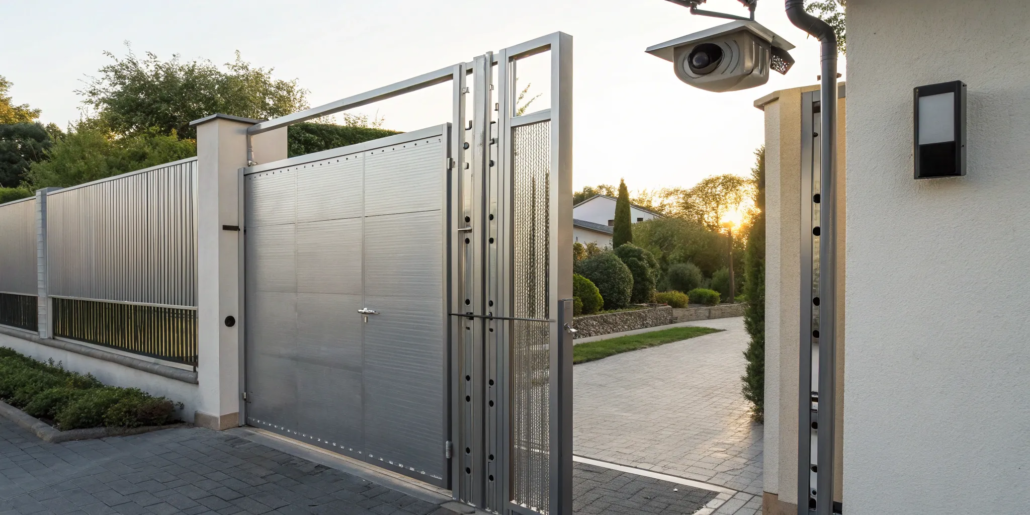
Access Control Gate Systems: A Complete Guide
Your security cameras and alarm system are essential for monitoring your property, but they often react to a problem after it has already happened. A truly proactive security strategy begins at your property line, stopping unauthorized individuals before they can even get close to your building. This is why integrating a physical barrier is so important for creating a layered defense. When you combine them with your existing technology, access control gate systems become an active part of your security network, communicating with cameras and alarms to provide a complete and responsive solution. We’ll show you how these systems work together to create a seamless defense and help you find the right fit for your business.
Key Takeaways
- Gain Granular Control Over Access: An access control gate does more than just block entry; it provides a detailed digital record of who enters and when, allowing you to manage permissions with precision.
- Match the Gate to Your Daily Operations: The best gate system balances your security requirements with the daily flow of people. Consider factors like foot traffic volume and the level of protection needed to find a solution that is effective without being disruptive.
- Integrate Your Gate for a Unified Defense: Your gate system becomes significantly more effective when connected to your cameras and alarms. This creates a responsive network where all your security components work together to protect your property.
What Is an Access Control Gate System?
An access control gate system is much more than just a physical barrier. It’s a smart solution designed to manage and monitor who comes and goes from your property. Think of it as a digital gatekeeper that works around the clock to protect your business or residential community. These systems are essential for enhancing safety, preventing unauthorized entry, and efficiently managing visitor flow. By automating entry points, you create a secure perimeter that gives you complete control over who has access and when. This is a huge step up from leaving a gate unlocked or relying on someone to be there to open it.
Instead of relying on traditional locks and keys that can be lost or copied, an access control system uses electronic credentials like key cards, fobs, or even mobile apps. This not only makes access more convenient for authorized individuals but also provides a detailed record of every entry and exit. For commercial properties, this level of control is vital for protecting assets, employees, and sensitive information. It allows you to grant specific permissions to different people, ensuring they only have access to the areas they need, when they need it. This means you can give your delivery driver access to the loading dock gate during business hours, but restrict their access after 5 PM, all from a central platform.
Key Components and How They Work
At its core, an access control gate system is made up of a few key parts working together. First, you have the gate itself—the physical barrier. Then there’s the reader, which is the device that accepts credentials like a key card, PIN code, or fingerprint. This reader is connected to a control panel, the system’s brain, which makes the decisions. When you present your credential, the reader sends that information to the panel. The panel checks if you’re on the approved list and, if you are, tells the gate to open. This entire setup can be integrated with other security measures, like surveillance cameras and alarms, for a complete protection plan.
A Step-by-Step Look at How Access is Granted
So, how does it all work in practice? It’s a simple, seamless process. First, a person approaches the gate and presents their credential—let’s say they wave their key fob in front of the reader. The reader instantly sends this unique ID to the control panel. The panel then cross-references the ID with its database of authorized users, checking permissions and time restrictions in a split second. If everything checks out, the panel sends a signal to the gate’s locking mechanism, which unlocks and allows entry. The entire event is logged, giving you a clear record of who accessed the area and when. This combination of speed and security is what makes these systems so effective.
Exploring Different Types of Access Gates
Once you decide to add a gate system, the next step is figuring out which type is right for your property. The options can feel endless, but they generally fall into a few key categories, each designed for different needs and levels of security. From simple turnstiles that manage crowds to high-tech biometric gates that read fingerprints, the right choice depends on who needs access, how often they come and go, and the level of protection you need. Let’s walk through the most common types of access gates so you can get a clearer picture of what might work for your Atlanta business or property.
Waist-High Turnstiles
You’ve probably seen waist-high turnstiles at stadiums, amusement parks, or subway stations. These gates use rotating arms or other physical barriers to control the flow of people, allowing only one person to pass through at a time with a valid ticket or credential. They are excellent for managing large crowds and preventing people from entering without authorization, but they offer a lower level of security since someone could potentially jump over them. For businesses that need to manage foot traffic and keep an accurate count of entries and exits without creating a fortress-like feel, waist-high turnstiles are a practical and widely-used solution. They are a core component of many access control systems.
Full-Height Turnstiles
When you need a much higher level of security, full-height turnstiles are the way to go. These floor-to-ceiling gates create a completely enclosed space that makes it impossible for someone to climb over or crawl under. Because they are designed to prevent “tailgating”—where an unauthorized person follows an authorized one inside—they are ideal for environments where strict control is non-negotiable. You’ll often find them at data centers, government facilities, and other high-security areas. While they are more imposing than their waist-high counterparts, they provide unmatched assurance that only one person can enter per authorized credential, making them a powerful tool for protecting your most sensitive assets.
Optical Turnstiles
Optical turnstiles offer a more sophisticated and welcoming alternative to traditional barrier gates. Instead of mechanical arms, they use infrared sensors to detect when a person passes through. If someone presents valid credentials, the sensors allow them to walk through unimpeded. However, if an unauthorized person tries to enter or tailgate, an alarm will sound. With their sleek, modern designs, optical turnstiles are a popular choice for corporate lobbies and upscale office buildings where aesthetics are just as important as security. They effectively manage access without creating a physical barrier, maintaining an open and inviting atmosphere for employees and guests. These systems are part of the modern security services that blend technology with design.
ADA-Compliant Gates
Ensuring your property is accessible to everyone is not just good practice—it’s the law. ADA-compliant gates are specifically designed to provide safe and convenient access for individuals with disabilities, including those who use wheelchairs or other mobility aids. These gates are wider than standard turnstiles and often operate with a simple push-button or automatic sensor, making them easy to use. Integrating an ADA-compliant gate alongside your other access points is essential for any public-facing business, school, or facility. It shows you prioritize inclusivity and ensures that every visitor, employee, and customer can enter and exit your space with dignity and ease.
Biometric Gates
For the highest level of identity verification, biometric gates are the top choice. These advanced systems use unique biological characteristics to grant access, such as a person’s fingerprint, facial features, or even the iris of their eye. Because these traits are nearly impossible to duplicate, biometric gates offer an incredibly secure method of controlling entry. They eliminate the risk of lost or stolen keycards and ensure that the person entering is exactly who they claim to be. While once considered futuristic, this technology is becoming more common in high-security environments like research labs, data centers, and corporate headquarters where protecting sensitive information and assets is the primary goal.
Comparing Gate Systems: Features and Benefits
Choosing the right gate system comes down to understanding what you need it to do. Different gates offer unique features, and comparing them helps you find the perfect fit for your property’s security, traffic flow, and daily operations.
Level of Security and Protection
When you’re choosing a gate system, the first thing to consider is how much protection you actually need. A full-height turnstile, for example, offers maximum security by creating a physical barrier that’s nearly impossible to bypass, making it a great choice for data centers or sensitive facilities. On the other hand, a sleeker optical turnstile in an office lobby acts more as a polite but firm deterrent. The right gate is your first line of defense, playing a huge part in protecting your property and assets. It’s all about finding the right balance for your specific environment and making sure your access control system matches your security goals.
Managing Foot Traffic and Flow
Gates aren’t just about keeping people out; they’re also about guiding the right people in. In a busy commercial building, an effective gate system can prevent crowds from forming at entry points and ensure a smooth, orderly flow of traffic. This is crucial for managing visitors efficiently and making sure employees can get where they need to be without delay. By clearly defining entry and exit points, you reduce confusion and deter anyone who might be trying to slip in unnoticed. This kind of organized entry helps create a safer and more professional atmosphere for everyone, from the moment they walk through the door.
Ease of Use and Accessibility
A security gate shouldn’t feel like a fortress wall to the people who are supposed to be there. Modern systems are designed to be incredibly user-friendly, granting access with a simple tap of a card, a scan on a smartphone, or even biometric recognition. The goal is a seamless experience for authorized individuals. It’s also essential to think about accessibility for everyone. Including an ADA-compliant gate ensures that your facility is welcoming and accessible. When your gate system is easy to use and inclusive, it becomes a helpful part of the daily routine instead of a frustrating obstacle. This is a key part of designing smart security solutions.
Technology and Integration Options
Your access gate system is a team player—it works best when connected with your other security measures. For a truly comprehensive approach, you’ll want to integrate your gates with your existing infrastructure. This means linking them to your commercial camera systems so you have a visual record of who is coming and going. You can also sync them with your alarm system, so an unauthorized entry attempt at a gate immediately triggers an alert. This creates a layered defense where each component supports the others, giving you a much stronger and more responsive way to protect your property. It’s about building a complete security picture, not just installing a single piece of hardware.
How Access Gates Work with Your Current Security
An access control gate is a powerful tool on its own, but it truly shines when it works in concert with your other security measures. Think of it as the team captain of your property’s entry points. When your gate system can communicate with your cameras, alarms, and other devices, you create a seamless and intelligent security network. This integration means your different systems aren’t just working at the same time; they’re working together to provide a more complete and responsive layer of protection for your property. Let’s walk through how these connections come together to build a stronger defense.
Connecting with Security Cameras
Pairing your access gate with commercial camera systems gives you a clear picture of everyone who comes and goes. When a person uses a credential or an intercom to request entry, the system can automatically trigger a nearby camera to start recording. This creates a visual log that’s tied directly to each access event. If an issue ever arises, you won’t have to scrub through hours of footage; you can simply pull up the specific entry event and see exactly what happened. This integration is essential for verifying identities, investigating incidents, and maintaining a comprehensive record of all activity at your property’s perimeter.
Syncing with Your Alarm System
Integrating your access gate with your alarm system adds a critical layer of immediate response. If someone tries to tamper with the gate, force it open, or tailgate behind an authorized person, the gate can send a signal directly to your main alarm panel. This can trigger an audible siren, send an alert to your phone, or notify your professional security system monitoring service. Instead of being a passive barrier, your gate becomes an active part of your security, capable of detecting a threat and initiating an immediate response. This ensures that any unauthorized attempt to breach your perimeter doesn’t go unnoticed.
Integrating Visitor and Intercom Systems
Managing visitors becomes much simpler and more secure when you integrate an intercom system with your access gate. When a guest arrives, they can use the intercom to speak directly with someone inside, who can then grant or deny entry remotely. Modern video intercoms add another layer of verification, allowing you to see who you’re talking to before opening the gate. This is perfect for handling deliveries, contractors, and other visitors without compromising your security protocols. It provides a friendly, controlled way to manage guest access while ensuring only authorized individuals are allowed onto your property.
Using Mobile and RFID Credentials
Modern access control systems move beyond traditional keys, offering more convenient and secure options like RFID and mobile credentials. RFID technology uses key cards or fobs that grant access with a simple tap, while mobile credentials turn a smartphone into a secure key. These methods are not only user-friendly but also give you incredible control. You can issue or revoke access remotely in an instant, track entry and exit times, and set specific permissions for different users or times of day. This eliminates the risks associated with lost keys and provides a flexible, efficient way to manage who has access to your property.
How to Choose the Right Access Control Gate
Picking the right access control gate can feel like a huge decision, but it doesn’t have to be overwhelming. When you break it down into a few key considerations, you can find a solution that fits your property’s unique needs perfectly. The goal is to find that sweet spot between strong protection and smooth, everyday operation for your employees and visitors. Think of it as choosing the right front door for your business—it needs to be secure, functional, and welcoming all at once.
Before you start looking at specific models, take a step back and think about what you truly need. Answering a few simple questions about your security goals, property layout, and budget will point you in the right direction. This initial planning makes the selection process much easier and ensures you end up with a system that serves you well for years to come. Let’s walk through the most important factors to consider.
Assess Your Security Needs
First, let’s talk about your primary goal. What are you trying to protect? Are you focused on preventing unauthorized entry into a sensitive area, or is your main objective to simply monitor who comes and goes? The primary purpose of an access control system is to strengthen your business’s protection, and security gates are the physical barriers that make it happen. Make a list of your must-haves. Do you need a gate that can withstand a forced entry attempt, or is a simple deterrent enough? Understanding your specific risks will help you determine the right level of security for your access control solution.
Consider Your Property and Foot Traffic
Next, think about the flow of people at your facility. How many individuals will be passing through the gate each day? Is it a constant stream of employees, or do you have occasional visitors and deliveries? Gate security systems are vital for managing visitors efficiently and deterring unauthorized access. A high-traffic corporate lobby will need a different solution, like an optical turnstile, than a low-traffic employee entrance, which might be fine with a simple card reader gate. Consider the physical space, too. Do you have plenty of room for a swing gate, or would a sliding gate be a better fit for a tight space?
Plan Your Budget
Budget is always a key factor, and it’s important to approach it as an investment in your property’s safety. A quality access control system typically costs between $3,500 and $10,000 per entry point, including equipment and professional installation. While it’s tempting to go for the cheapest option, remember that a durable, reliable system will save you money on repairs and potential security breaches down the road. At American Alarm, we focus on providing smart, affordable solutions and often have special offers that can help make your investment more manageable without compromising on quality.
Factor in Location and Durability
Where will the gate be located? An indoor gate in a climate-controlled office has very different requirements than an outdoor gate exposed to Atlanta’s heat and humidity. For outdoor installations, you’ll need to choose materials like galvanized steel or aluminum that can resist rust and corrosion. It’s also crucial that your gate system can integrate with your other security measures, like surveillance cameras and alarm systems, to provide complete protection. Choosing a durable, well-integrated gate ensures your security system works as a cohesive unit to keep your property safe.
Who Uses Access Control Gates?
Access control gates are more common than you might think, and they serve a wide range of businesses and organizations. From corporate offices to storage facilities, these systems provide a reliable way to manage who comes and goes, adding a crucial layer of protection. If you’re wondering whether a gate system is right for your property, take a look at how different industries put them to work.
Office Buildings and Corporate Campuses
In a busy office or a sprawling corporate campus, managing the flow of people is essential. Access control gates help ensure that only employees and authorized visitors can enter specific areas. This not only protects company assets and sensitive information but also creates a safer environment for everyone on-site. By integrating gates with visitor management systems, you can streamline check-ins and keep a clear record of who is in the building at all times. These systems are a practical first line of defense, deterring unauthorized access and giving you more control over your property’s entry points.
Data Centers and Secure Facilities
For facilities like data centers, where protecting sensitive information is the top priority, security is non-negotiable. Access control gates are a fundamental part of a multi-layered security strategy. They work alongside other technologies, like commercial camera systems and alarms, to create a secure perimeter that prevents unauthorized entry. In these high-stakes environments, gates are often paired with advanced credentials, such as biometrics or key cards, to ensure that only highly vetted personnel can access critical infrastructure. This level of control is vital for maintaining operational integrity and protecting valuable digital assets from physical threats.
Government and Educational Buildings
Public buildings like schools and government offices face the unique challenge of being accessible to the public while needing to maintain high levels of security. Access control gates help manage this balance by directing foot traffic and restricting access to sensitive or private areas. In a school setting, gates can help ensure only students and staff enter the main buildings, creating a more secure campus. For government facilities, they provide an effective way to screen visitors and protect employees. When connected with surveillance networks and alarm systems, gates deliver the comprehensive security these important institutions require.
Commercial and Self-Storage Properties
If you run a commercial property or a self-storage facility, you’re responsible for protecting your tenants’ valuable assets. Access control gates are an excellent way to secure the perimeter and give your clients peace of mind. Modern systems often use RFID or mobile credentials, making it easy for authorized tenants to enter while keeping unauthorized individuals out. This not only prevents theft and vandalism but also adds a professional touch to your property. An effective gate system shows you’re serious about security, which can be a major selling point for attracting and retaining customers who trust you with their belongings.
A Look at Top Access Control Brands
When you’re ready to install an access control gate, you’ll find a lot of different brands on the market. Each one has its own strengths, from creating heavy-duty gate operators to designing sophisticated software that ties your whole security system together. The right choice often comes down to your specific needs, property layout, and how you want to manage access. You’ll be looking at hardware like gate motors, keycard readers, and intercoms, as well as the software that makes it all run. It can feel like a lot to piece together, and making the wrong choice can lead to security gaps or frustrating daily operations.
That’s why working with a knowledgeable installer is so important. An expert can help you select the best components from different brands and ensure they all communicate and work together seamlessly. This prevents compatibility issues down the road and results in a more reliable, user-friendly system. To give you a better sense of what’s available, let’s walk through some of the leading names in the industry. These are the brands known for their reliability, innovation, and performance in protecting commercial properties across Atlanta and beyond. Understanding what each one does best will help you have a more informed conversation about your security goals.
American Alarm’s Custom Solutions
While big-name brands provide the hardware, the real magic happens when it’s all put together. That’s where we come in. At American Alarm, we specialize in designing and installing custom security solutions that fit your property perfectly. We don’t believe in a one-size-fits-all approach. Instead, we take the time to understand your security goals and then integrate the best access control components with your existing measures, like alarms and cameras. This creates a single, solid system that provides comprehensive protection for your business. Think of us as the experts who bring all the pieces together to create a system that’s truly yours.
LiftMaster Commercial Gates
You’ve probably heard of LiftMaster, and for good reason. They are a major player in the world of gate operators—the motorized arm that actually opens and closes your gate. LiftMaster is widely recognized for its durable hardware and innovative safety features, which are incredibly important for any commercial gate system. Their operators are built to handle high-traffic environments and withstand the elements, ensuring your gate works reliably day in and day out. When you need a powerful and safe motor to run your gate, LiftMaster is consistently a top choice for businesses that can’t afford downtime.
HID Global and Honeywell
When it comes to the technology that grants access, HID Global is a powerhouse. They are a leading manufacturer of advanced access control devices, including the key cards, fobs, and readers that your employees and visitors will use every day. On the other hand, Honeywell offers comprehensive security solutions that cover everything from access control to video surveillance. They provide flexible systems that can be tailored to fit the needs of various commercial properties, from small offices to large industrial facilities. Both brands are trusted for their high-quality components and forward-thinking technology.
Chamberlain and Genetec
Chamberlain is another well-known brand famous for its reliable and sturdy gate operators. Much like LiftMaster, they have a long-standing reputation for producing equipment that lasts. For a more integrated approach, Genetec stands out. They offer unified security platforms that do more than just open gates. Genetec’s software can connect your access control with video surveillance, automatic license plate recognition, and other systems. This creates a powerful, centralized hub where you can manage and monitor every aspect of your property’s security, giving you a complete picture of who is coming and going at all times.
Common Implementation Challenges to Plan For
Putting a new access control gate system in place is an exciting step toward securing your property. But like any significant upgrade, it can come with a few hurdles. Thinking through these potential challenges ahead of time is the best way to ensure a smooth and successful rollout. From making sure the system is easy for your team to use every day to ensuring it works seamlessly with the security measures you already have, a little foresight goes a long way.
Planning helps you address the human side of security—how people will interact with the new gates—and the technical side, like system integration and emergency preparedness. By anticipating these common issues, you can create a clear plan that minimizes disruption and maximizes the effectiveness of your new system from day one. Let’s walk through the key areas to consider so you can feel confident in your investment and your property’s protection.
Balancing Security with Convenience
The most secure gate in the world isn’t effective if people find ways to get around it. That’s why finding the right balance between robust security and user-friendliness is so important. If a system is too complicated or slow, employees might be tempted to prop open a gate or tailgate behind someone else, which completely undermines its purpose. The goal is to make following protocol the easiest option. This means choosing intuitive credentials, like simple key fobs or mobile access on a smartphone, and ensuring the gates operate smoothly without causing frustrating bottlenecks during busy hours. A system that’s both secure and convenient encourages everyone to use it correctly.
Working with Your Existing Systems
Your access control gate shouldn’t be a standalone feature; it should be a fully integrated part of your overall security strategy. For true end-to-end protection, your gate system needs to communicate with your other security components. This means syncing it with your commercial camera systems to visually verify who is entering and connecting it to your alarm system to trigger alerts for unauthorized access attempts. When all your technologies work together, you create a cohesive and much stronger security environment. This synergy ensures that you have a complete picture of activity on your property, not just isolated data from one entry point.
Training Your Team on New Protocols
Technology is only one piece of the puzzle; your people are the other. A successful implementation depends on your team understanding how to use the new system and why it’s important. Proper training goes beyond just showing someone how to scan their badge. It should cover the new protocols, what to do if their credentials are lost or stolen, and how to spot and report suspicious activity. When your team is trained to be vigilant and knows how to respond to potential threats, they become an active part of your security solution. Consistent training ensures everyone is on the same page and helps maintain a high level of awareness.
Planning for Emergencies and Compliance
When designing your gate system, you have to think beyond the day-to-day and plan for the unexpected. What happens if the power goes out? Your system needs a fail-safe or backup power to ensure it either remains secure or allows for safe exit, depending on the situation. It’s also crucial to ensure your gates comply with all relevant safety regulations, including ADA accessibility and fire codes. We help our clients map out these specific needs to ensure their system is not only secure but also fully compliant with NFPA fire alarm services and other local requirements, keeping everyone safe in any scenario.
What to Expect for Installation and Maintenance
Once you’ve selected the right access control gate, the next steps are installation and planning for long-term care. A great system is only as effective as its installation and upkeep. Working with a professional team ensures your gate is set up correctly and integrated seamlessly with your existing security measures, giving you a reliable solution that stands the test of time. Proper installation prevents common issues down the road, while a solid maintenance plan keeps your property secure without interruption.
Think of it like any other critical piece of equipment for your business—it needs to be installed by an expert and checked regularly to perform at its best. From the initial setup to routine service and remote management, understanding the full lifecycle of your access control gate will help you make the most of your investment. A professional partner can guide you through this process, making sure your system not only meets your security needs today but continues to protect your assets for years to come. We’ll walk through what you can expect from a professional installation and how to keep your system in top shape.
The Professional Installation Process
A professional installation is about more than just setting up a physical barrier. It’s a detailed process that ensures your gate functions as part of a larger, cohesive security network. Technicians will assess your property to determine the optimal placement for traffic flow and security. They handle all the wiring and configuration needed to connect the gate to your power source and network. Most importantly, they integrate the gate with your other security systems. This means connecting it to your surveillance cameras, alarm systems, and access control platform to create a single, unified defense for your property. This end-to-end approach guarantees that every component works together perfectly from the start.
Keeping Your System Running Smoothly
To ensure your access control gate remains a reliable security feature, routine maintenance is essential. Just like a car, your gate system has moving parts, electronics, and software that need regular attention. A good maintenance plan includes periodic inspections of mechanical components, checks on electrical connections, and software updates to protect against new vulnerabilities. This proactive approach helps identify and fix small issues before they become major problems that could leave your property exposed. By scheduling regular service appointments, you can extend the life of your system and ensure it consistently performs its most important job: restricting unauthorized access and protecting your facility.
Managing Your System Remotely
Modern access control gates offer incredible flexibility through remote management capabilities. You no longer have to be on-site to control who comes and goes. With a connected system, you can use a smartphone, tablet, or computer to grant or revoke access, view entry logs in real-time, and receive instant alerts about security events. This feature is perfect for managing deliveries after hours, providing temporary access to contractors, or addressing a security concern from anywhere in the world. Remote access puts you in complete control, adding a powerful layer of convenience to your security solutions without sacrificing protection.
Related Articles
- Access Control Systems for Enhanced Security and Peace of Mind
- Access Control Systems Secure Schools and Institutions
- Secure Your Day Care with Access Control System
- Why Atlanta Businesses Need Access Systems
- Access Control Keeps Apartment Tenants Safe
Frequently Asked Questions
What’s the main difference between a standard gate and an access control gate system? A standard gate is simply a physical barrier that opens and closes, often with a manual lock or a basic remote. An access control gate system is a much smarter solution. It’s connected to a central network that lets you decide exactly who can enter and when, using credentials like key cards, fobs, or even a mobile app. It also creates a detailed log of every entry, giving you a clear record of all activity.
Can I use my existing employee ID cards with a new gate system? In many situations, you absolutely can. If your current ID cards use a common technology like RFID, they can often be integrated with a new gate reader. This can save you the time and expense of issuing new credentials to your entire team. During a consultation, we can assess your existing cards and system to confirm compatibility.
What happens to the gate if the power goes out? This is a critical safety and security consideration that we plan for from the start. Your system can be configured to either “fail-safe,” meaning it unlocks to allow for easy exit, or “fail-secure,” meaning it remains locked to maintain security. We always recommend including a battery backup system to ensure the gate remains fully operational for a period of time, giving you uninterrupted protection.
What factors influence the final cost of a gate system? The final investment depends on a few key elements. The type and size of the gate itself is a major factor, as a heavy-duty sliding gate will differ in price from an indoor turnstile. The complexity of the installation, the type of credentials you choose (biometrics are more advanced than simple key cards), and the level of integration with your other security systems, like cameras and alarms, all contribute to the total cost.
How long does the installation process typically take? The timeline really depends on the scope of the project. A straightforward installation for a single entry point might be completed in a day or two. For a larger property requiring multiple gates, custom wiring, and deep integration with an existing security network, the process will naturally take longer. We always provide a clear and detailed timeline after the initial site assessment so you know exactly what to expect.

Leave a Reply
Want to join the discussion?Feel free to contribute!