
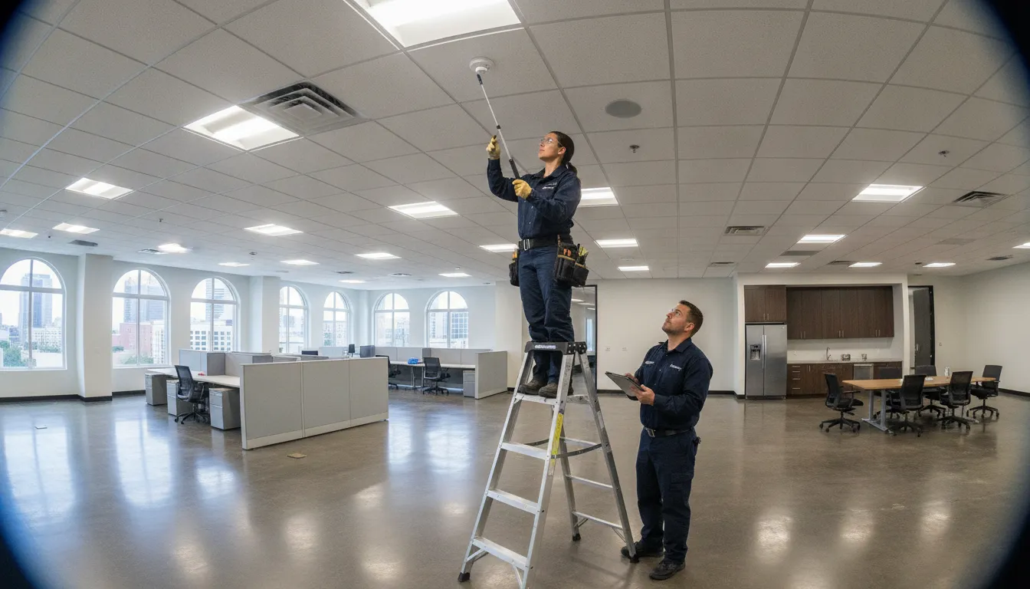
Type of Fire Alarm Detectors: A Guide for Atlanta
Choosing a fire alarm detector for a commercial property is not simply a matter of selecting the most sensitive device. The right fit depends on what may burn, how the space is used, airflow, dust, heat, and other conditions that can affect detection. Automatic detection uses electronic sensors to identify smoke, heat, or flames and provide early warning.
Schedule a detector design consultation. Call (770) 645-0061 or contact American Alarm online.
The best type of fire alarm detectors for a commercial property depends on the hazard and environment. Smoke, heat, and flame detectors are the three most common categories, while specialty devices may suit specific operational conditions. A qualified design review should match detector behavior to the building rather than treat one option as universally best.
Understanding what each detector senses makes the comparison more useful. The main categories have different strengths, limitations, and applications, which is why the selection process begins with the types themselves.
What Are the Main Types of Fire Alarm Detectors?
Summary: Commercial fire alarm systems may use smoke, heat, flame, gas, or specialty detectors. The right combination depends on the material being protected, the property’s operations, airflow, and the conditions that could affect detection.
Automatic fire detection uses electronic sensors to identify smoke, heat, or flames and provide early warning. OSHA identifies smoke, heat, and flame detectors as the three most common categories. Gas and specialty devices can add protection where a standard smoke detector may not provide the best fit.
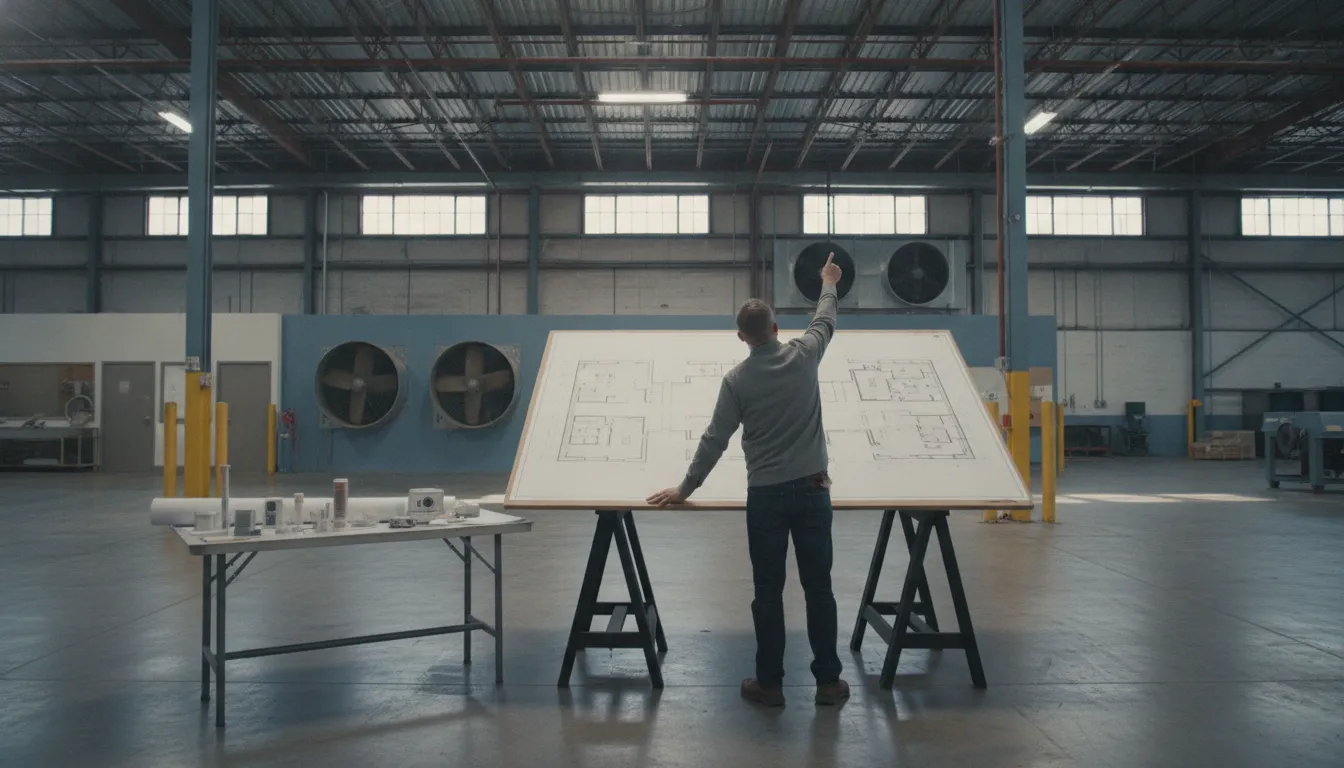
Smoke detectors
Smoke detectors sense visible or invisible particles produced by combustion. They are often considered for occupied areas where smoke may develop before temperatures rise substantially. Different smoke-sensing technologies respond to different fire characteristics, so the device selection should reflect the building’s use rather than a one-size-fits-all assumption.
Heat and flame detectors
Heat detectors respond to a temperature condition or a rapid temperature increase. They may be useful in locations where normal operations could create airborne particles or other conditions that make smoke detection less suitable. Flame detectors use optical sensing to identify the radiation associated with a flame and may be considered for areas where a visible flame can develop quickly and where the detector has an appropriate view.
Gas and specialty detectors
Gas detectors are designed for specific combustible or hazardous gas concerns and should be matched to the risks present in the space. Specialty options can include linear sensing for extended areas or unusual layouts. A warehouse, industrial process area, or space with unusual airflow may require a different approach. A qualified designer evaluates the environment, likely fire behavior, ceiling and equipment layout, and the response plan before recommending a device mix.
For an Atlanta property-specific review, see Atlanta commercial fire alarm systems. Professional design helps connect detector selection with the complete alarm system and the way people use the building.
What Are the Three Main Smoke Detector Technologies?
Summary: Ionization, photoelectric, and dual-sensor detectors use different approaches to recognize smoke. The right selection depends on the expected fire behavior, the property’s operating conditions, and the overall fire alarm design.
Smoke detectors identify visible or invisible particles produced by combustion. In commercial properties, understanding how each sensing method works helps owners and managers have a more productive design conversation instead of treating every detector as interchangeable. OSHA identifies ionization and photoelectric detectors as the two main smoke-detector types, while dual-sensor units combine both approaches in one device.
Ionization smoke detectors
An ionization detector uses a small radioactive source to charge the air inside a sensing chamber. That charged air permits a small electrical current to cross the chamber. When smoke enters, it disrupts the current and can trigger the alarm. This design responds quickly to very small particles associated with flaming or very hot fires.
Ionization technology can be one consideration in a broader detector strategy, but it should not be selected in isolation. Equipment layout, occupancy, airflow, and expected sources of smoke all affect how a detector performs in a particular space.
Photoelectric smoke detectors
A photoelectric detector uses a light source and a light sensor to identify smoke in the sensing chamber. Smoke changes how light reaches the sensor, which can initiate an alarm signal. This technology is commonly considered when the expected fire may produce visible smoke before developing into intense flames.
Photoelectric sensing can also be relevant where the design team must account for the relationship between detector placement and the areas being protected. A careful review helps avoid choosing a device based only on a generic product label.
Dual-sensor smoke detectors
Dual-sensor detectors combine ionization and photoelectric sensing. That combination gives the system two detection methods to evaluate, which may support a more adaptable design for some commercial environments. It does not make one device universally appropriate. The selection still needs to reflect the building’s conditions and the fire alarm system’s design objectives.
For project-specific guidance, review the fire alarm system design approach with a qualified professional. OSHA’s fire detection guidance also explains the basic operating principles behind these detector technologies.
How Do Heat, Flame, Gas, and Linear Detectors Differ?
Summary: Heat, flame, gas, and linear detectors respond to different signs of a developing hazard. The right choice depends on the space, expected fire behavior, environmental conditions, and the risks a property needs to identify.
Smoke detectors are common, but they are not the only way to sense a fire-related condition. Heat detectors respond to temperature. Flame detectors look for radiant energy associated with flames. Gas detectors are designed for specified gas hazards, and linear devices monitor conditions along a defined path or sensing element. These categories should be treated as complementary options rather than a universal ranking.
| Detector category | Primary signal | Where the design question matters |
|---|---|---|
| Heat | Temperature or a change in temperature. | Whether ambient conditions could make smoke sensing unsuitable or create unwanted alarms. |
| Flame | Radiant energy associated with a flame. | Whether the hazard could produce a visible flame in a space with a suitable viewing path. |
| Gas | A specified combustible or hazardous gas. | Which gas risk exists, how it could travel, and what response the system should initiate. |
| Linear | A condition detected along a cable, beam, or other defined path. | Whether the protected area is long, open, difficult to cover with point devices, or subject to unusual geometry. |
For example, a temperature-based device may be considered where normal operations produce smoke, dust, or other airborne conditions. A flame or gas detector may be relevant only when the property has a specific hazard that justifies that sensing approach. Linear detection can also be considered when a long or specialized area makes point-by-point coverage difficult, but the application must be evaluated rather than assumed.
Selection is only one part of a reliable design. Risk assessment, placement, system integration, testing, and ongoing service all affect how a detector performs in the field. Review the available NFPA fire alarm service options when planning project-specific support for an Atlanta commercial property.
Which Detector Type Fits Different Atlanta Building Conditions?
Summary: The right detector depends on what normally happens in the space. Cooking activity, dust, air movement, and ceiling height can affect how smoke or heat reaches a sensing device. Occupancy patterns and mixed-use layouts can also affect nuisance-alarm risk.
A detector that performs well in a quiet office may not be the best fit for a commercial kitchen, loading area, warehouse, or facility with strong mechanical airflow. The evaluation should begin with the building’s daily conditions, not with a single preferred product category.
Cooking, dust, and normal airborne conditions
Cooking produces heat, vapor, and airborne particles that can affect smoke-sensing equipment. Dust from storage, construction, manufacturing, or frequent material movement can create another source of unwanted alarm activity. In these areas, the design conversation may include heat detection, a different smoke-sensing approach, or a combination selected for the specific environment. The goal is not simply to avoid alarms. It is to maintain meaningful early warning while accounting for what the space produces during normal operation.
Airflow, ceiling height, and occupancy
Heating, ventilation, and air-conditioning equipment can move smoke away from a detector or concentrate it in an unexpected location. High ceilings, open structures, mezzanines, and concealed spaces may also change how quickly products of combustion reach the sensing point. Occupancy matters as well. A lightly occupied storage area, a busy food-service space, and a continuously staffed office have different operating patterns and response considerations.
Mixed-use properties require especially careful review because one building may contain offices, retail areas, food preparation, storage, and utility spaces. Each area should be considered on its own, then coordinated as part of the broader system. American Alarm describes its planning process as including risk assessment and optimal placement, rather than treating every room identically. For ongoing device condition and function checks, review this guide to commercial fire alarm maintenance.
Need help evaluating your building conditions? Call (770) 645-0061 or contact American Alarm online.
Because Atlanta commercial properties vary widely, a qualified designer should document the occupancy, airflow, ceiling configuration, and routine sources of heat or airborne particles before recommending a type of fire alarm detectors for each area.
What Should Property Owners Ask Before Choosing a Detector?
Answer: The right detector decision starts with the property’s risks, operations, layout, and environmental conditions. A professional discussion should explain why each device is being considered, where it belongs, and how the complete system will be supported over time.
Bring these questions to a detector design discussion. They keep the conversation focused on how the building operates rather than on choosing a device from a generic list.
- What fire conditions are most likely in this property? Ask the designer to connect detector selection to the building’s actual use, contents, occupancy, and areas of elevated risk. Smoke, heat, flame, and specialty detection respond to different conditions, so the answer should be specific to the property rather than based on a single universally preferred device.
- Which areas need different sensing approaches? A building may include offices, storage, loading areas, mechanical spaces, kitchens, or production zones. Ask whether those spaces have different temperature, dust, airflow, or operational conditions that could affect detector performance. The goal is a coordinated design, not identical devices in every room.
- How will placement support early warning? Ask the designer to explain how the layout, ceiling conditions, airflow, and potential fire locations influence placement. American Alarm describes fire alarm planning as a process that includes risk assessment and optimal placement. The discussion should also identify any areas where a detector’s view or access could be obstructed.
- How will the system identify the affected area? For a larger property, ask whether an addressable system or another system architecture would make it easier to identify the device or zone reporting an event. The answer should account for the property’s size, layout, operations, and future changes, not just the initial installation.
- What ongoing service will keep the devices dependable? Ask how the system will be tested, documented, maintained, and repaired after installation. A clear service plan helps property teams understand responsibilities and follow-up needs. Review this commercial fire alarm maintenance guide for related planning considerations.
A qualified designer should be able to explain the reasoning behind the recommended type of fire alarm detectors in plain language and identify where a property-specific review is needed. That explanation is often more valuable than a catalog comparison alone.
Why Local Fire Alarm Design Experience Matters in Metro Atlanta
Summary: Local fire alarm design experience helps connect detector selection and placement to a property’s actual use, layout, operating conditions, and long-term service needs. A qualified review should explain the reasoning behind the design. It should not assume that one detector type fits every building.
Metro Atlanta properties vary widely. An office, school, medical facility, retail location, warehouse, and industrial site may have different occupancies, room uses, airflow patterns, equipment, and schedules. Those conditions can affect how a fire alarm system is planned and maintained. Local experience does not replace a property-specific evaluation. It can help a design professional ask better questions about the building and its daily operations.
American Alarm has served homes and businesses in Metro Atlanta and North Georgia since 1995. That long service history supports a practical approach. Review the property, identify relevant risks, consider detector placement, and select equipment that can be understood and maintained over time. The company’s commercial fire alarm planning includes risk assessment and optimal placement, rather than treating detector selection as a one-size-fits-all decision.
Technical leadership also matters. Founder Scott Gilkey holds NICET IV certification and leads American Alarm’s fire alarm design expertise. For a property owner or manager, that experience can make the design discussion more useful. This is especially true when the project involves existing equipment or changes in building use. A serviceable system should also support future property needs.
Learn more about American Alarm’s fire alarm experience and qualifications before comparing the type of fire alarm detectors that may fit your facility.
Frequently Asked Questions
What are the different types of fire alarm detectors?
The primary categories are smoke, heat, and flame detectors. OSHA identifies these as the three most common detector types. Commercial designs may also use specialty devices, such as gas, linear, or aspirating detectors, when the building’s hazards and operating conditions justify them. The right selection depends on the space, expected fire behavior, airflow, and potential nuisance conditions.
What are the three main smoke detector technologies?
The two foundational smoke technologies are ionization and photoelectric detection. Ionization devices use a charged sensing chamber, while photoelectric devices use light to identify smoke particles. Dual-sensor devices combine both approaches. A design professional evaluates the technology against the property’s occupancy, contents, airflow, and likely fire conditions rather than choosing one option for every room.
What type of fire alarm detector is best for a commercial property?
There is no universally best detector for every commercial property. Smoke detection may support early warning in suitable areas, while heat detection can be useful where temperature monitoring is more appropriate. Design should account for cooking, dust, vehicle exhaust, ceiling height, ventilation, storage, and room use. A risk assessment and placement review help match each device to the space.
What should a property owner ask before choosing detectors?
Ask which fire conditions are most likely, whether normal operations could create smoke or heat, how airflow may affect sensing, and how the devices will be tested and maintained. Also ask whether the proposed design can be serviced as the property changes. These questions create a practical starting point for a project-specific review without treating a general guide as a site design.
Schedule a Detector Design Consultation
Every Atlanta commercial property has its own layout, airflow, occupancy, and operating conditions. A focused design conversation can help connect those details to a practical detector strategy for the building.
Schedule a detector design consultation. Call (770) 645-0061 or contact American Alarm online.

Leave a Reply
Want to join the discussion?Feel free to contribute!