NFPA-Certified Fire Alarm Repair: Atlanta Business Guide
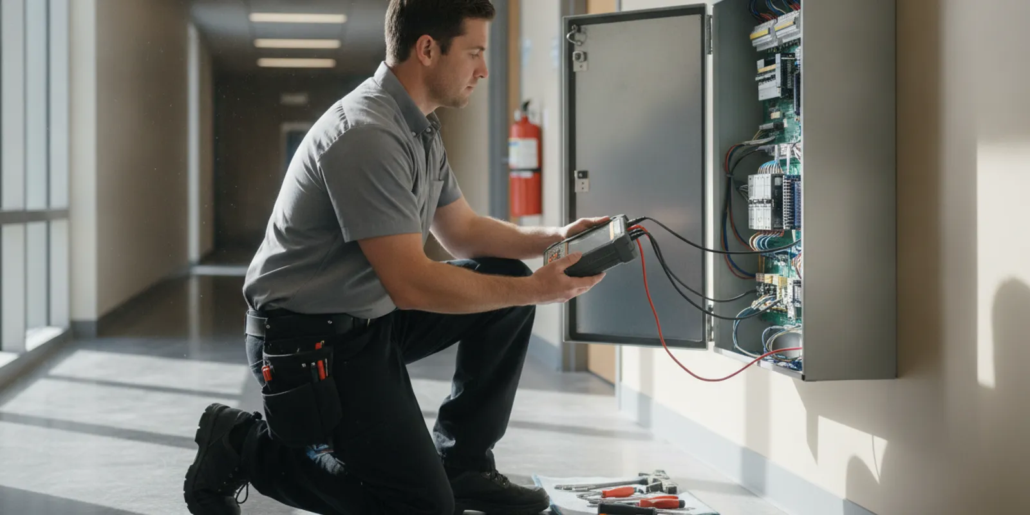
When an inspection, trouble signal, or equipment fault raises concerns, Atlanta facility managers may search for nfpa certified fire alarm repair. The key is to identify the right qualified professional, understand what the deficiency means, and close out the work with records that support the next inspection.
Schedule a fire alarm repair consultation. Call (770) 645-0061.
What does NFPA-certified fire alarm repair mean?
A sound repair decision starts by separating code requirements, individual credentials, and the actual condition of the system. Those are related, but they are not interchangeable.
Answer: NFPA publishes standards, while qualifications for inspection and repair depend on the work, the applicable requirements, and the authority having jurisdiction. Ask who will assess the system, what experience or credentials they bring, how findings will be recorded, and how completed corrections will be verified.
There is not one universal label that proves every technician or repair company is approved for every building and task. NICET describes its fire-alarm inspection and testing certification as a program for engineering technicians engaged in periodic inspection, testing, documentation, planning, and coordination. That is useful context when evaluating qualifications, but it does not by itself replace project-specific review or local approval. Review NICET’s fire alarm inspection and testing certification description.
For a business, the practical question is whether the provider can identify the fault, explain the proposed correction, coordinate any required approvals, and deliver clear closeout records. American Alarm is an Atlanta-area provider of commercial alarm service, with fire-alarm expertise and leadership supported by NICET IV certification. See its overview of NICET fire alarm design expertise for related context.
What should a business do when a fire alarm deficiency appears?
A deficiency report or trouble condition deserves timely attention, even when the building is open and no alarm is sounding. Start with the records and observations already available, then have a qualified professional assess the affected system.
- Keep the finding intact. Save the inspection report, panel message, date, affected area, and any notes from staff. Do not paraphrase a technical deficiency in a way that changes its meaning.
- Tell the service provider what changed. Report recent construction, power interruptions, water exposure, device damage, communication faults, or recurring trouble signals if known. Include panel make and model when available.
- Ask about immediate safety measures. The provider should explain whether the reported condition affects a particular circuit, device, zone, or broader function and what interim steps are appropriate. Follow building procedures and direction from the authority having jurisdiction.
- Confirm access and coordination. Identify the areas that need access, the person who can escort the technician, and any building operations that may be affected by testing.
- Get a written scope before work proceeds. It should identify the reported issue, the planned diagnostic steps, likely parts or labor, and how additional findings will be handled.
A trouble signal is not always a failed control panel. It can point to a power supply issue, a disconnected circuit, a damaged device, a communication problem, or another condition that needs diagnosis. The system should be evaluated as a whole rather than treating one display message as a complete diagnosis. For a practical overview of system components, see common commercial fire alarm panel types.
If the system is not operating normally, do not assume that the absence of a visible alarm means the issue can wait. Ask the provider to explain the potential effect and the next safe steps in plain language. For urgent concerns, follow the building’s emergency procedures and consult the appropriate fire official.
How can you evaluate a repair provider?
Choose a provider based on relevant system experience, clear communication, and a documented process, not on a broad claim alone. The right questions help establish whether the company can handle the specific deficiency and coordinate the work in your building.
- Who will evaluate the issue? Ask about the assigned technician’s experience with your panel and the type of problem. If a credential is presented, ask what work it covers and who holds it.
- How will the diagnosis be supported? Ask what testing or inspection steps will be performed and how the technician will distinguish the original fault from any additional issues found.
- What requirements apply? Confirm how the provider will identify relevant code, manufacturer, permit, and local authority requirements for this particular repair.
- How are changes approved? Ask how you will be contacted if the work scope or cost changes after diagnosis. Set out who is authorized to approve additional work.
- What will you receive afterward? Request a written description of corrections, affected components, test results, outstanding issues, and any required follow-up.
American Alarm has served homes and businesses in Metro Atlanta since 1995 and provides design, installation, monitoring, and maintenance for security and life-safety systems. For details on the company’s service capabilities, review its commercial fire alarm repair service and security and alarm services.
Before scheduling, share the last inspection report, known system history, and any limitations on access. A useful conversation should clarify what is known, what still needs diagnosis, and what decisions may be needed from the building representative.
What should a repair proposal and work plan include?
A clear proposal makes it easier to compare repair approaches and avoid confusion after the technician arrives. The scope should reflect the documented finding and explain how the provider will verify that the repair addressed it.
| Proposal item | What to look for | Why it matters |
|---|---|---|
| Reported condition | The report, panel message, location, or component involved | Connects the work to the observed deficiency |
| Diagnostic plan | Inspection and testing steps, including what may require further access | Shows how the cause will be identified before assumptions are made |
| Repair scope | Planned correction, parts if known, labor, and exclusions | Sets expectations and helps distinguish approved work from added work |
| Coordination | Access needs, operational impacts, notices, and approval responsibilities | Helps limit avoidable disruption and missed appointments |
| Verification and closeout | Tests to be completed and records to be provided | Creates a traceable record of the work and remaining items |
Some faults can be corrected during a service visit; others may require parts, additional investigation, or a larger scope. Ask the provider to explain which parts of the estimate are confirmed and which depend on diagnosis. A proposal should not promise a particular result before the underlying condition is understood.
When the proposed work involves a panel or system configuration, ask whether the repair maintains compatibility with existing devices and interfaces. A system’s age alone does not decide whether repair or replacement is appropriate. Consider condition, parts availability, manufacturer requirements, inspection findings, applicable code, and professional assessment. Read the Atlanta business guide to NFPA 72 compliance for related planning considerations.
How should you document deficiency correction?
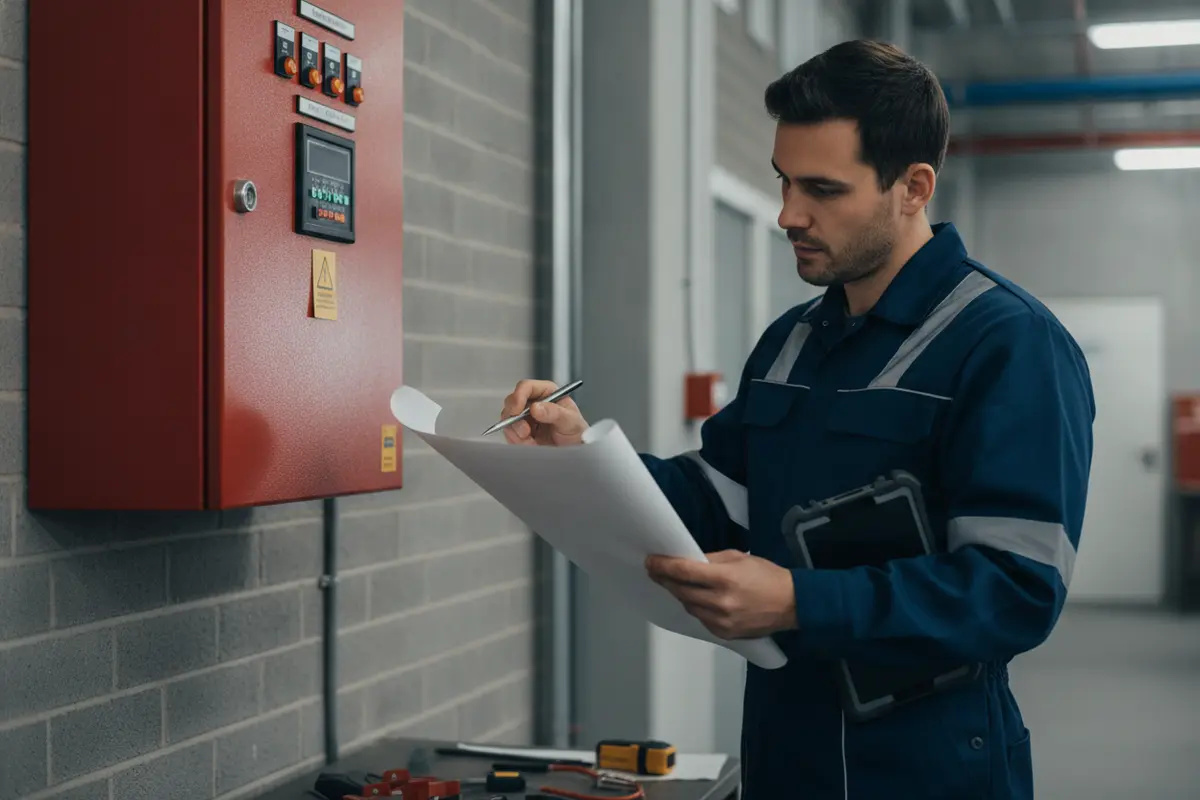
Good documentation links the initial finding to the completed work and any remaining action. Keep service records with inspection reports and system documents so the building representative can answer questions later.
- Preserve the original report. Keep its date, author, deficiency wording, and location references. Store any attached test sheets or photographs with it.
- Record the diagnosis. Note the observed cause or condition, the affected components, and any limits on what could be tested during the visit.
- Describe corrections clearly. Record what was adjusted, repaired, or replaced, and identify parts or devices where appropriate.
- Save verification results. Keep the technician’s test or inspection results and the date the work was completed. Ask which tests were performed and what they established.
- Track unresolved items. If a repair depends on a part, another trade, additional access, or an approval, record the owner and planned next step.
- Confirm reporting requirements. Ask whether corrected deficiencies need to be submitted to a fire official, inspector, property representative, or other designated party.
NFPA 72 is associated with fire alarm and signaling requirements, including inspection, testing, and maintenance. The available industry resource on inspection and testing describes the code’s role in assigning responsibility for regular system care. Requirements applicable to your building should be confirmed with the relevant authority and qualified service professional. Read the inspection, testing, and maintenance resource.
Keep a copy of the closeout with the building’s system records rather than relying on an email thread or a verbal update. This makes later reviews more straightforward, particularly when staff or service contacts change.
How can you coordinate service with building operations?
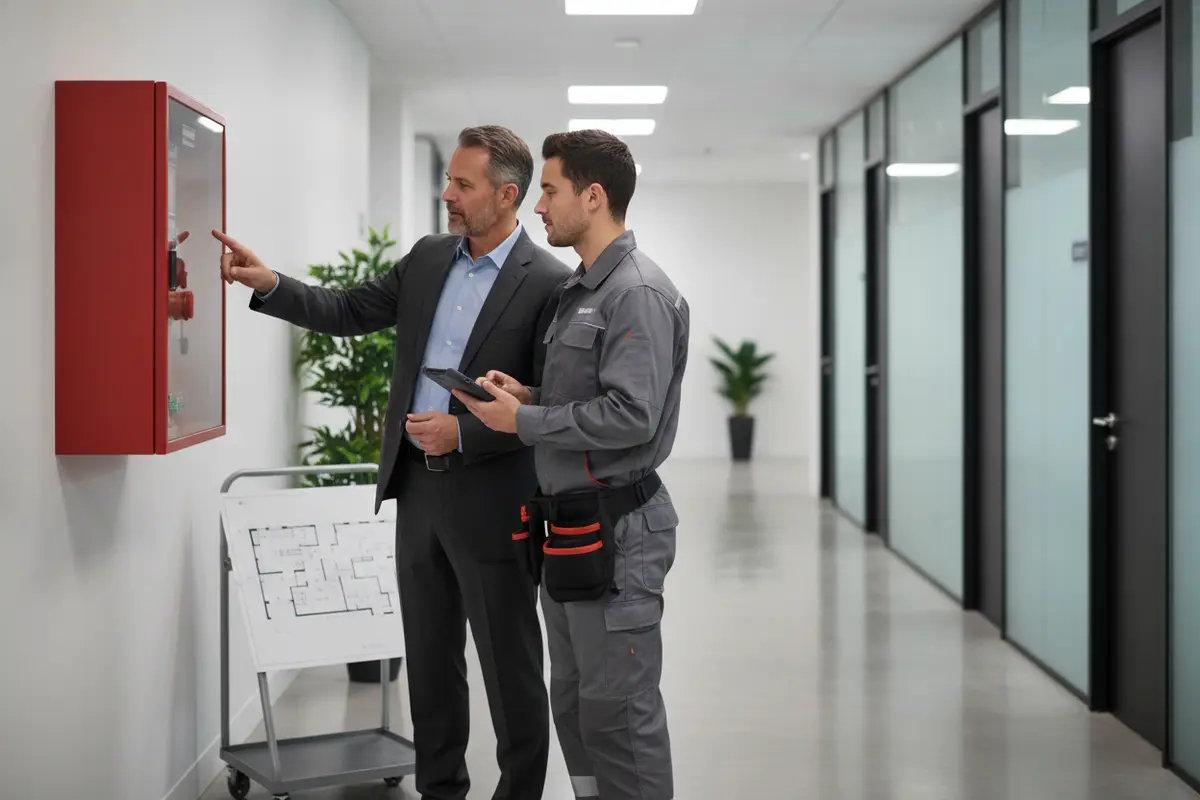
Fire alarm service may require access to occupied or restricted areas and coordination with people responsible for building operations. A short plan can help the visit proceed efficiently while ensuring the right people understand the work.
- Name one site contact. Give the technician a reachable representative who can arrange access and make decisions within the approved scope.
- Identify affected spaces. Confirm which rooms, floors, or equipment areas may be involved, and coordinate access with occupants and relevant department leads.
- Agree on notifications. Ask what testing may cause audible signals or other operational effects, and establish who will notify building users as needed.
- Discuss system status. Confirm how any impairment or temporary condition will be communicated and what procedures apply while work is underway.
- Set a closeout handoff. Decide who receives the service summary, test results, open items, and recommendations before the technician leaves.
These coordination details do not replace the provider’s technical work or the building’s emergency procedures. They help prevent avoidable delays and make the handoff clearer. If you are comparing providers or planning a broader service relationship, the company’s approach to serving Atlanta customers and service area information offer additional background.
When should repair be considered alongside replacement?
Repair may be appropriate when the issue is understood, a compatible correction is available, and the system can be returned to the required operating condition. Replacement becomes a discussion when recurring faults, equipment condition, unavailable parts, manufacturer guidance, code requirements, or inspection findings point to broader concerns.
Do not apply a single age threshold to every commercial fire alarm system. Instead, ask for a professional assessment that considers the equipment’s age and condition, its service history, applicable requirements, and the inspection results. If the provider recommends replacement, request the basis for that recommendation and a clear account of which components are involved.
For a repair-versus-replacement discussion, useful questions include:
- Can the cause be isolated? Ask whether the fault is limited to a replaceable component or reflects a larger system issue.
- Can compatible parts be obtained? Confirm availability and whether the proposed parts work with the existing system.
- Will the correction resolve repeat issues? Ask what evidence supports the recommendation and what limitations remain.
- What approvals and records are needed? Identify possible design, permit, inspection, or authority coordination before agreeing to a larger project.
A repair visit can reveal the next decision, but the decision should be based on documented findings rather than assumptions based only on age or one trouble message.
For example, a recurring fault on one device may warrant checking the device, its wiring path, and the circumstances when the signal appears before treating it as a system-wide failure. If a part is unavailable, ask whether a compatible alternative is permitted and what testing would follow. For a wider panel issue, ask what evidence shows that a replacement scope is necessary, which existing components can remain, and whether the transition affects connected devices or interfaces. These questions turn a broad recommendation into a set of verifiable decisions.
It can also help to compare the practical consequences of each option in writing. A repair plan should identify the fault addressed, expected verification, and any remaining limitations. A replacement plan should identify the equipment included, interfaces to be considered, approvals or design review that may be needed, and the handoff documents expected. Neither plan should rely on an age-only rule or imply that a single repair guarantees every future inspection result.
Talk with an Atlanta fire alarm service professional. Call (770) 645-0061.
Frequently asked questions
These answers offer a starting point for commercial property representatives arranging fire alarm service. Confirm requirements for your building with the service provider and the authority having jurisdiction.
Is NFPA itself a repair certification?
NFPA publishes codes and standards; the term alone does not identify a universal individual repair license. Ask which credentials, experience, permits, and local approvals apply to the work being proposed.
What should I send before booking a repair visit?
Share the deficiency or inspection report, panel message, system make and model if known, recent service history, and details about access or building operations. This helps the provider prepare for an informed assessment.
Does one trouble signal mean the panel must be replaced?
No. A trouble signal identifies a condition that needs diagnosis, not a complete repair-versus-replacement decision. A technician should assess the cause, system condition, compatible parts, and applicable requirements.
What records should I request after the repair?
Request a written description of the finding, diagnosis, correction, affected components, verification performed, and outstanding recommendations. Ask whether any report or approval must also be provided to another party.
How can an Atlanta business arrange service?
Contact American Alarm at (770) 645-0061 and have the inspection report or trouble details available. The company serves businesses in Metro Atlanta and provides commercial fire alarm repair and related life-safety services.
Request help planning your commercial fire alarm repair. Call (770) 645-0061.
With a clear diagnosis, an agreed work scope, coordinated access, and complete closeout records, your business can address fire alarm deficiencies with greater clarity and prepare for the next review.

Leave a Reply
Want to join the discussion?Feel free to contribute!