Your Guide to Commercial Fire Alarm Systems Installation
Your fire alarm system is your first line of defense, but it’s only as reliable as its installation. You can have the most advanced technology, but a single misplaced detector or faulty wire could mean failure during an emergency. These simple mistakes can leave your business dangerously exposed. This is why a professional commercial fire alarm systems installation isn’t just a good idea—it’s essential. A proper commercial fire alarm setup requires precision and expertise, ensuring every part of your commercial fire alarm system works together flawlessly. We’ll cover the most common installation errors and how to find a partner who gets it right from the start.
Key Takeaways
- Understand the core components: Every effective fire alarm system is built on three pillars: detection devices to sense danger, notification alarms to alert people, and a control panel with professional monitoring to call for help.
- Professional installation is non-negotiable: A proper installation is a detailed process involving a site assessment, custom design, and thorough testing to ensure your system works correctly and meets all local fire codes.
- Protection requires ongoing attention: Your system’s reliability depends on consistent care. Regular maintenance, professional inspections, and 24/7 monitoring are essential to make sure it’s always ready to respond in an emergency.
Why Every Business Needs a Reliable Fire Alarm System
When you’re running a business, you have a lot on your plate. But one responsibility that can never be overlooked is the safety of your employees and customers. A reliable fire alarm system isn’t just about meeting regulations; it’s a fundamental part of protecting your people, your property, and the future of your business. Thinking about fire safety proactively means you’re prepared for the unexpected, ensuring that a potential crisis can be managed quickly and effectively. It’s an investment in peace of mind, knowing you have a system in place that stands ready to alert everyone at the first sign of danger and summon the help you need without delay.
The Numbers Don’t Lie: Understanding the Risks
Fire and Carbon Monoxide Statistics
It’s easy to think a fire won’t happen to you, but the statistics paint a different picture. Every year in the United States, there are over 470,000 structure fires, a number that underscores the constant and unpredictable nature of this threat. Beyond flames, the invisible danger of carbon monoxide is just as serious, sending more than 14,000 people to the emergency room annually. These aren’t just abstract figures; they represent real events affecting businesses just like yours. Understanding these risks is the first step toward implementing a serious safety strategy that moves beyond hope and into active preparation, ensuring your facility is equipped to handle these very real dangers.
The Protective Power of a Professional System
How Alarms and Sprinklers Reduce Damage and Save Lives
A professionally installed fire alarm system is your first line of defense, designed to provide the earliest possible warning when every second counts. The primary goal is to find fires early, giving everyone enough time to evacuate safely while alerting emergency services. The impact of a well-designed system is significant. According to industry data, buildings that combine fire alarms with sprinkler systems see a 60–70% reduction in average fire damage claims. This highlights how a comprehensive approach not only saves lives but also drastically minimizes property loss and operational downtime. Ensuring your system meets all standards through professional NFPA fire alarm services is key to achieving this level of protection.
What’s Inside a Commercial Fire Alarm System?
A commercial fire alarm system is a sophisticated network designed to protect your people and property. It’s a series of components working together to detect a fire, alert everyone inside, and notify emergency services. Understanding these key parts helps you see how a professionally designed system offers complete protection. The three main pillars of any effective system are detection devices that sense danger, notification alarms that alert occupants, and a control panel that manages the entire operation.
Smoke, Heat, and Flame Detectors
These are the scouts of your fire alarm system, constantly watching for the first signs of trouble. The most common types are smoke detectors, which often use light beams to identify smoke particles in the air. You’ll also find heat detectors that trigger when the temperature rises rapidly, making them ideal for kitchens or mechanical rooms. Another critical component is the carbon monoxide (CO) detector, which senses this dangerous, invisible gas. The right combination and placement of these devices are essential for quick detection, forming the first line of defense in your building’s fire safety plan.
Specialized Detection: Air-Sampling and Duct Detectors
Some commercial spaces have unique needs that go beyond standard smoke and heat detection. For sensitive environments like server rooms or medical facilities, advanced air-sampling systems provide the earliest possible warning. Instead of waiting for smoke to reach a detector, these systems actively pull air through a network of pipes and test it for tiny smoke particles, often identifying a potential fire before it even starts. Another critical component for many buildings is the duct detector, which is installed in the HVAC system. These devices prevent the system from spreading smoke throughout the building during a fire, a crucial step in protecting occupants. A professional assessment will determine if your facility requires these specialized tools as part of a comprehensive fire protection strategy.
Strobes, Horns, and Speakers
Once a threat is detected, the system’s job is to get everyone’s attention immediately. This is where notification alarms come in. You’re probably familiar with horn/strobes, which are the most common type. These devices use a loud horn to alert people and a high-intensity flashing strobe light to provide a visual warning. This dual approach is critical for ensuring that everyone, including individuals with hearing impairments, is alerted to the emergency. Proper placement is key; these alarms must be installed where they can be easily seen and heard throughout the entire building.
Advanced Notification: Voice Evacuation Systems
While horns and strobes are effective at getting attention, some situations call for more specific guidance. This is where voice evacuation systems come in. Instead of just a loud, blaring alarm, these advanced systems use pre-recorded, spoken messages to give clear and calm instructions during an emergency. During a stressful event, a direct voice telling people exactly where to go and what to do can make a significant difference. It helps prevent confusion and ensures a more orderly evacuation, which is crucial for safety. Many safety experts see these systems as the next step in fire protection, offering a more direct way to guide people safely out of a building when every second counts.
The Control Panel: Your System’s Hub
The fire alarm control panel is the brain of the operation. It’s the central hub that receives signals from all detection devices, processes the information, and activates the notification alarms. But its job doesn’t stop there. For complete protection, the control panel should be connected to a professional monitoring service. This ensures that when an alarm is triggered, a signal is sent to a 24/7 monitoring center that can dispatch emergency responders. Many commercial buildings require professionally monitored fire alarm systems to meet local codes and ensure the fastest possible response, which is why working with qualified professionals is so important.
Modern Communication Methods
The way your system calls for help is just as important as how it detects a fire. Older systems relied on traditional phone lines, which could be cut or fail during a power outage. Today’s advanced systems use dedicated cellular communication to send an alert to the monitoring center. This is the same reliable technology your cell phone uses, ensuring the signal gets through even if your phone lines are down. This direct, secure connection is a critical link in the safety chain, guaranteeing that a professional is always there to receive the alarm and dispatch help. It’s a simple upgrade that makes a world of difference in an emergency.
Visual Displays for Precise Location Tracking
In a large commercial building, knowing there’s a fire isn’t enough—you need to know exactly where it is. Modern control panels provide this crucial information. Instead of a generic alarm, these intelligent hubs can pinpoint the specific detector that was triggered, displaying its location on a screen. This allows your staff and first responders to go directly to the source of the problem without wasting precious time searching. These advanced systems can manage hundreds of individual detection points, making them scalable for any size facility, from a small office to a sprawling warehouse complex.
Manual Activation: Hand Pull Stations
Technology is essential, but sometimes the fastest way to sound the alarm is with human intervention. That’s the role of manual pull stations—the familiar red boxes you see on the walls. These simple devices empower anyone who spots a fire to activate the entire alarm system instantly by pulling a handle. This can often be quicker than waiting for smoke to reach a detector, especially in the very early stages of a fire. Including pull stations in key locations, like near exits, is a fundamental part of a comprehensive fire safety plan and is often required by local codes. They provide a straightforward, reliable way for people to take immediate action.
What Types of Commercial Fire Alarm Systems Are There?
Choosing the right fire alarm system for your business isn’t a one-size-fits-all decision. The best fit depends on your building’s size, layout, and specific operational needs. Understanding the main types of systems available is the first step toward making an informed choice that keeps your property and people protected. Each system offers a different level of detail and functionality, from basic zone notifications to precise, device-specific alerts. Let’s walk through the three primary categories: conventional, addressable, and wireless.
The Basics: Conventional Fire Alarms
Think of a conventional fire alarm system as one that divides your building into broad areas, or “zones.” If a smoke detector or pull station is activated, the control panel will tell you which zone the alert is coming from, but not the specific device. For example, it might indicate a fire in the “first-floor warehouse” zone. This straightforward approach makes conventional systems a reliable and cost-effective choice for smaller businesses, such as retail stores or small offices, where quickly identifying a general area is sufficient for a fast response.
For Precision: Addressable Fire Alarms
Addressable systems offer a more advanced and detailed level of detection. Each device in the system, from smoke detectors to manual pull stations, has a unique “address.” When a device is triggered, the control panel shows its exact location. This precision is incredibly valuable in larger or more complex buildings like hospitals or multi-level offices. Pinpointing the fire’s origin allows first responders to act faster and more efficiently. These systems are a core part of modern NFPA fire alarm services for larger commercial properties.
The Flexible Choice: Wireless Fire Alarms
Wireless fire alarm systems provide the same reliable protection as their wired counterparts but without the complex wiring. This makes installation much faster and less disruptive, a huge plus for businesses that can’t afford significant downtime. They are an excellent solution for buildings where running new cables is difficult, such as historic properties or facilities with concrete walls. Wireless systems also offer great flexibility. If you ever need to renovate or expand your space, modifying the system is simple because you don’t have to worry about rerouting wires.
Beyond the Basics: Hybrid and Integrated Systems
For some businesses, the best solution isn’t just one type of system, but a combination of several. Hybrid systems mix wired and wireless components to create a completely custom fire safety plan. This flexibility is perfect for buildings with unique layouts or operational needs, allowing you to adapt the system to fit your space perfectly. For even more comprehensive protection, integrated systems connect your fire alarm with other building security features, like access control. Imagine a system where a fire alarm automatically unlocks specific doors for easier evacuation—that’s the power of integration. These advanced solutions are designed to grow with your business, offering a scalable and streamlined approach to safety management.
How Is a Commercial Fire Alarm System Installed?
Getting a commercial fire alarm system installed might seem like a huge project, but it breaks down into a few clear, manageable steps. When handled by professionals, the process is smooth and ensures your property is properly protected. Think of it as a collaborative effort to create a safety net tailored specifically for your building. From the initial walkthrough to the final system check, every step is designed to give you peace of mind. Let’s walk through what you can expect.
Step 1: Site Assessment and System Design
The first step is a thorough site assessment. This isn’t just a quick look around; it’s a detailed evaluation where experts identify the unique risks and layout of your building. They’ll figure out the optimal locations for every sensor and notification device to ensure there are no blind spots. Based on this assessment, a custom system is designed specifically for your space. This detailed plan maps out exactly how the system will work, ensuring comprehensive coverage. This careful planning is the foundation of all effective NFPA fire alarm services and is essential for protecting your business.
Considering System Capacity and Scalability
Your business is going to grow and change, and your fire alarm system needs to be ready to grow with it. Think about your plans for the future—are you adding a new wing, reconfiguring the office layout, or expanding your warehouse? A scalable system is designed to adapt to these changes easily. During the initial design phase, it’s smart to plan for this future growth. This ensures you can add more detection devices or expand coverage without needing to rip everything out and start over. Choosing a flexible system from the beginning is a practical investment that saves you major headaches and costs down the line, making it a crucial part of your overall fire protection plan.
Step 2: Wiring and Component Installation
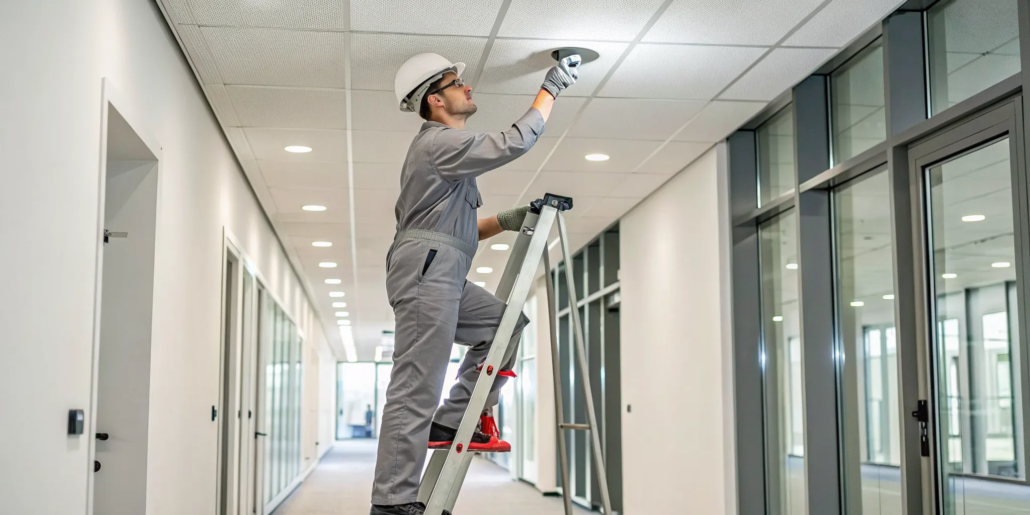
Once the design is approved, the physical installation begins. Professionals will install all the components, including sensors, control panels, and wiring, with a focus on minimizing disruption to your daily operations. Whether you’re installing a brand-new system or upgrading an older one, proper installation is key to its effectiveness. Little mistakes can compromise the entire system, which is why having experienced technicians handle the job is so important. They ensure every connection is secure and every component is placed correctly according to the design, giving you a reliable and robust fire alarm system.
Step 3: Testing and Final Approval
After everything is installed, the system isn’t just switched on and left. It goes through a rigorous testing and commissioning phase. Many people assume a system is ready to go right after installation, but this final step is critical. Technicians will test the entire system from end to end to confirm that every detector, alarm, and panel communicates and functions perfectly. This process verifies that the system can detect threats immediately and will perform as expected when you need it most. When you’re ready to ensure your system is installed correctly, you can contact us to get started.
Understanding the Installation Timeline
It’s a fair question every business owner asks: How long will this installation take? The timeline for a commercial fire alarm installation can vary, usually taking anywhere from a few days to a couple of weeks. The final duration really depends on the size of your property and the complexity of the fire alarm system being installed. A straightforward setup in a small office will naturally be quicker than a comprehensive, addressable system in a large industrial facility. The best way to get a clear timeline is during the initial site assessment, where a professional can evaluate your specific needs and provide an accurate estimate. The goal is always to complete the installation efficiently while ensuring every component is set up for reliable, long-term protection.
Staying Compliant: Fire Alarm Codes You Need to Know
Getting a fire alarm system installed is more than just picking out equipment. It’s about meeting specific safety regulations to protect your employees, customers, and property. These rules can seem complex, but they’re all designed to ensure your system works reliably when you need it most. Understanding the key codes and compliance requirements is the first step to a successful and safe installation.
Decoding NFPA 72 and Local Requirements
When it comes to fire safety, the National Fire Protection Association (NFPA) sets the gold standard. Specifically, NFPA 72 is the code that outlines the requirements for everything from smoke detector placement to manual pull stations and system maintenance. Think of it as the rulebook for your fire alarm system’s design and upkeep. Beyond that, local Atlanta and Georgia building codes, along with the NFPA 101 Life Safety Code, determine if and what kind of system your building needs based on its size and how it’s used. A restaurant has different requirements than an office building, so a one-size-fits-all approach just doesn’t work for NFPA fire alarm services.
What Permits and Inspections Are Needed?
You can’t just install a fire alarm system; the entire process is regulated to ensure it’s done correctly. Before any work begins, your installation partner will need to secure the proper permits from local authorities. This involves submitting detailed plans for approval. After the installation is complete, the system must pass a final inspection by the local fire marshal to verify it meets all code requirements. This is why working with licensed and qualified professionals is so important. They understand the local amendments and inspection expectations, ensuring your system is compliant from day one. These codes represent the minimum for safety, and a professional can help you design a system that truly protects your business.
How Much Does Commercial Fire Alarm Installation Cost?
When you’re planning for a commercial fire alarm system, understanding the budget is a top priority. The final price tag isn’t just a single number; it’s a combination of several key elements. The size of your building, the complexity of the system you need, and labor all play a significant role in the total investment. Thinking through these factors ahead of time will help you get a clear picture of what to expect and ensure you’re choosing a solution that protects your business without any financial surprises.
The Size of Your Space and System Choice
The two biggest drivers of your installation cost are the type of fire alarm system you choose and the square footage of your property. A straightforward system for a small office will naturally cost less than a complex one for a large warehouse. Generally, you can expect to pay between $1 and $5 per square foot for a standard installation. For more advanced systems, especially those integrated with fire sprinklers, the cost can be higher. It’s helpful to know that having sprinklers can sometimes lower the cost of the alarm components, since the sprinklers handle much of the fire suppression work. This is a key part of designing effective NFPA fire alarm services.
Breaking Down the Numbers: Typical Cost Ranges
While every project is unique, a typical commercial fire alarm installation can range anywhere from $1,800 to over $20,000. This wide spectrum is influenced by your building’s size and the system’s complexity. As a general guideline, you can budget between $1 to $5 per square foot for a standard system in a new construction project. However, if you’re retrofitting an older building, the cost is often higher—closer to $4 to $12 per square foot—because of the added challenges of working with existing structures. These figures provide a solid starting point for planning your investment in safety and compliance.
Comparing System Costs: Upfront vs. Long-Term
The initial installation price is just one piece of the puzzle; it’s also important to consider the long-term expenses. For instance, a conventional system might have a lower upfront cost, but its maintenance can be more expensive over time. In contrast, an addressable system costs more initially but often saves you money in the long run with easier maintenance and fewer false alarms. Beyond the system type, you’ll have ongoing costs for professional monitoring, which typically runs from $50 to $100 per month, plus annual inspections and battery replacements. Viewing your fire alarm system as a crucial investment protects your employees and business operations, far outweighing the potential losses from an undetected fire.
Factoring in Labor, Parts, and Permits
The physical equipment is only one part of the equation. Professional labor makes up a huge portion of the total cost, often accounting for 40% to 60% of your bill. This is because proper installation requires certified technicians who understand complex wiring, device placement, and local codes. In older buildings or facilities with unique layouts, labor costs can increase. Beyond labor, you’ll also need to account for local permit fees, which are required to ensure your system is compliant. Don’t forget to plan for ongoing expenses, like annual testing and professional security system monitoring, which ensures a rapid response in an emergency.
Don’t Forget Ongoing and Hidden Costs
The initial installation price is just one piece of the puzzle. Beyond that, you’ll have predictable ongoing expenses that are crucial for keeping your system reliable. For example, professional security system monitoring, which ensures emergency services are dispatched automatically, is a recurring monthly cost. You’ll also need to budget for annual inspections to stay compliant with fire codes, which can range from $200 to $800. It’s also wise to account for less obvious expenses like local permit fees and potential fines for false alarms. These ongoing investments are not just about checking a box; they are what guarantee your system is always ready to protect your business when it matters most.
How a New System Can Save You Money
Installing a commercial fire alarm system is an investment that pays off in more ways than one. Beyond the essential protection it provides, a professionally installed and monitored system can lead to substantial savings on your property insurance. Many businesses see discounts of 5% to 20%, and if you have sprinklers, those savings can be even greater. When you weigh the upfront cost against the potential losses from a fire, including property damage and business downtime, the value becomes clear. To find out how a system can fit your budget and start generating these benefits, it’s always a good idea to contact a professional for a detailed quote.
Lowering Insurance Premiums
Beyond protecting your property, a professionally installed fire alarm system is a smart financial move that can directly reduce your operating costs. Insurance providers recognize that a monitored system significantly lowers the risk of catastrophic damage, and they often reward that proactive step with lower premiums. Many businesses see their property insurance costs drop by 5% to 20% after installing a compliant system. When you factor in these ongoing savings, the initial investment in a quality system becomes even more sensible. It’s a clear demonstration to your insurer that you are serious about protecting your assets, which can lead to some of the best specials and rates available.
Avoiding Costly False Alarm Fines
A fire alarm that goes off without a real emergency isn’t just an inconvenience; it can be a significant drain on your finances. Municipalities often issue steep fines for false alarms to discourage the unnecessary dispatch of emergency services, with penalties ranging from $100 to over $2,000 for a single incident. These issues are often caused by aging equipment, improper installation, or a lack of regular upkeep. The best way to prevent these fines is through professional installation and consistent ongoing maintenance. A well-maintained system is a reliable one, ensuring that when the alarm sounds, it’s for a real emergency, saving you from costly penalties and giving you true peace of mind.
Avoid These Common Fire Alarm Installation Mistakes
A fire alarm system is one of the most critical investments you can make for your business, but its effectiveness hinges entirely on a proper installation. Even the most advanced technology can fail if it’s not set up correctly from the start. Getting the installation right means more than just following a manual; it requires a deep understanding of building layouts, fire codes, and how different components work together. When you sidestep common pitfalls, you ensure your system is reliable and ready to protect your property and people when it counts.
Many issues arise from a lack of thorough planning before a single wire is run. A successful installation begins with a detailed site assessment to map out the best locations for every device. Skipping this step can lead to significant gaps in coverage. Furthermore, simply installing the hardware isn’t the end of the job. The entire system must be interconnected and rigorously tested to confirm every component communicates correctly. A professional installation not only gives you peace of mind but also ensures you meet all NFPA fire alarm services standards, protecting you from potential fines and liability. Let’s walk through some of the most frequent errors we see so you can make sure your installation is done right the first time.
Improper Device Placement and Incomplete Testing
One of the most serious installation mistakes is poor device placement. Placing a smoke or heat detector in the wrong spot, like near an air vent or in a corner with poor circulation, can delay its response time during a fire. A comprehensive plan based on a site assessment is essential to identify the most critical locations for detection. Another common error is failing to interconnect all the alarms. For the system to be effective, every alarm should sound simultaneously, regardless of which one was triggered. Finally, an installation is never complete without thorough testing. It’s a mistake to assume everything works just because it’s new. A professional will test and verify that every single component is functioning as it should.
Using Mismatched Parts and Untrained Staff
Using equipment from different manufacturers that isn’t designed to work together can create a system full of weak points. These incompatibilities can cause malfunctions or complete system failure when you need it most. A professional installer will use integrated systems and products that are proven to function as a cohesive unit. Beyond the hardware, another oversight is neglecting staff training. Your team needs to understand what the alarms mean and what to do when they go off. Proper training ensures everyone knows the evacuation routes and how to respond calmly and efficiently in an emergency. An alarm system is only part of the solution; a well-prepared team is the other.
What to Look for in an Installation Company
Choosing the right company to install your commercial fire alarm system is a critical decision for your business’s safety. You’re not just buying a product; you’re choosing a long-term partner who understands the complexities of fire safety and local regulations. The right team ensures your system is designed, installed, and maintained correctly. To find that perfect fit, focus on their qualifications, specific experience, and the support they offer after the job is done.
Verify Their Licenses and Certifications
First, confirm that any company you consider is properly licensed and certified. Fire alarm installation is a highly regulated field for a good reason. A certified professional understands the specific codes, local rules, and what inspectors will look for. Don’t be shy about asking for proof of their credentials; a reputable company will be happy to share them. This step ensures your system is effective and fully compliant, saving you from potential fines and failed inspections. It’s a fundamental sign that you’re working with true professionals.
Key Credentials to Look For
When you’re vetting a company, look for specific qualifications like a Georgia Low Voltage Contractor License and technicians with NICET (National Institute for Certification in Engineering Technologies) certifications. These aren’t just fancy acronyms; they’re proof that the team has a deep, tested knowledge of fire safety standards, including the all-important NFPA 72. A certified team will also be up-to-date on Atlanta’s specific fire codes, which is crucial for designing a system that will pass inspection without any issues. Choosing a partner with these credentials ensures you’re getting professional services that prioritize both compliance and, most importantly, the safety of your business.
Do They Have Relevant Experience?
Not all commercial buildings are the same, and neither are their fire alarm needs. An industrial warehouse has different requirements than a healthcare facility or an office building. Because of this, you need an installation company with direct experience in properties like yours. They will understand the unique challenges and specific hazards associated with your space, allowing them to design a system for optimal protection. When you speak with potential installers, ask about their experience with your type of business and what specific fire alarm services they recommend.
What Happens After Installation? Ask About Support
Installation is just the beginning. A great partner provides support for the entire lifecycle of your system. What happens after the work is done? Ask about their maintenance plans, inspection schedules, and monitoring services. You want a team that will be there for routine tests, unexpected repairs, and 24/7 monitoring to dispatch emergency services when an alarm is triggered. This ongoing support keeps your system reliable and your building protected. When you’re ready to discuss your needs, be sure to contact a provider who offers comprehensive service.
Why Ongoing Maintenance Is So Important
Installing a fire alarm system is a huge step toward protecting your business, but the work doesn’t stop there. To truly keep your property and people safe, you need a plan for ongoing care. Think of your fire alarm system like any other critical piece of equipment; it needs regular attention to perform reliably. Consistent maintenance and professional monitoring ensure that your system is always ready to respond in an emergency. This isn’t just about ticking a box for compliance. It’s about creating a dependable safety net that gives you peace of mind. By staying on top of testing, inspections, and professional oversight, you make sure your investment continues to provide the protection your business deserves.
Scheduling Regular Tests and Inspections
You wouldn’t go years without a health check-up, and your fire alarm system shouldn’t either. Regular testing and inspections are the best way to catch potential problems before they turn into major failures. According to safety experts, fire alarm systems need to be inspected on a consistent schedule to confirm they are working correctly. This proactive approach ensures every component, from the smoke detectors to the notification alarms, is ready to function at a moment’s notice. For most commercial systems, a professional check-up every three months is recommended to maintain peak performance and ensure you’re always protected.
How Professional Monitoring Protects Your Business
What happens if a fire starts after business hours? With professional monitoring, you have a dedicated team watching over your property 24/7. When an alarm is triggered, a signal is instantly sent to a central monitoring station where trained professionals are ready to act. They will verify the emergency and dispatch first responders right away, ensuring help is on the way whether you’re on-site or not. Many commercial buildings require professionally monitored fire alarm systems to comply with local regulations. It’s an essential service that provides a rapid, reliable response when every second counts.
Your Fire Alarm Maintenance Checklist
Consistent maintenance is key to your fire alarm system’s longevity and reliability. Over time, dust can accumulate on sensors, and components can wear out. Simple practices, like keeping detection devices clean, can make a huge difference in preventing false alarms and ensuring accurate fire detection. However, professional servicing is just as important. Skipping regular professional maintenance can lead to system failures and leave your business vulnerable. Scheduling routine service with a certified technician ensures your system remains in top condition, giving you confidence that it will work flawlessly when needed.
Related Articles
- Expert NFPA Compliant Fire Alarm Installation for Your Safety Needs
- NFPA Compliant Fire Alarm Installation for Safety Assurance
- NFPA Fire Alarm Maintenance: What You Must Know
- 4-Step Commercial Fire Alarm Installation Guide
Frequently Asked Questions
How do I know which type of fire alarm system is right for my business? The best system for you really depends on the size and layout of your property. For smaller, more straightforward spaces like a retail shop, a conventional system that identifies a general zone is often sufficient and cost-effective. However, for larger or more complex buildings, such as a multi-level office or a healthcare facility, an addressable system is a much better fit because it pinpoints the exact location of the alarm, which helps first responders act faster.
Is professional monitoring really necessary for a commercial fire alarm? Yes, it’s absolutely essential for complete protection. A fire alarm system is great at alerting people inside the building, but professional monitoring ensures that emergency services are dispatched immediately, even if the fire happens after hours or when no one is around. It connects your system to a 24/7 team that can verify the alarm and send help. Plus, for many commercial properties in the Atlanta area, it’s a requirement to meet local fire codes.
How often does my system need to be professionally inspected? Fire codes, particularly NFPA 72, require regular professional inspections to ensure your system is always in working order. While the exact schedule can vary based on your specific system and local rules, a full professional inspection is typically required at least once a year. This isn’t just about compliance; it’s about catching any potential issues before they become a problem in an actual emergency.
What’s the biggest factor that affects the final installation cost? While several things contribute, the two main drivers of cost are the size of your building and the complexity of the system you choose. A larger property requires more devices, wiring, and labor to cover the entire space. Similarly, an advanced addressable system will have a higher upfront cost than a basic conventional one. Professional labor is also a significant part of the total investment, as proper installation requires certified expertise.
Why can’t I just use any electrician to install my fire alarm system? Fire alarm installation is a highly specialized trade that goes far beyond standard electrical work. It’s governed by strict national and local fire codes that dictate everything from device placement to wiring methods. A certified fire alarm technician has specific training on these regulations and understands how to design and install a system that will pass a fire marshal’s inspection. For restaurant operators, additional kitchen-specific requirements apply under NFPA 96. See our Atlanta restaurant fire suppression and alarm compliance guide for details. Using a qualified professional is the only way to ensure your system is both effective and compliant.
Testing Backup Batteries and Software
A fire alarm system is designed to protect you around the clock, and that includes during a power outage. This is where your system’s backup batteries come into play, ensuring it stays online and ready to respond even when the lights go out. However, these batteries don’t last forever and need to be checked regularly to confirm they’re working correctly. Experts recommend having your system inspected every three months to test these critical components. This proactive check is a key part of professional NFPA fire alarm services and ensures your first line of defense is never compromised by something as simple as a dead battery.
A Note on Construction and Renovations
If you’re planning any construction or renovation work, one of the most important calls you can make is to your fire alarm provider. Dust, aerosols, and debris from construction can easily trigger smoke detectors, leading to disruptive and potentially costly false alarms. By giving your provider a heads-up before the work begins, they can take steps to temporarily adjust the system’s sensitivity or place specific devices in a test mode to prevent these issues. This simple act of communication ensures your project runs smoothly without unnecessary interruptions. When you’re ready to start a project, be sure to contact us so we can help you prepare your system.


Leave a Reply
Want to join the discussion?Feel free to contribute!