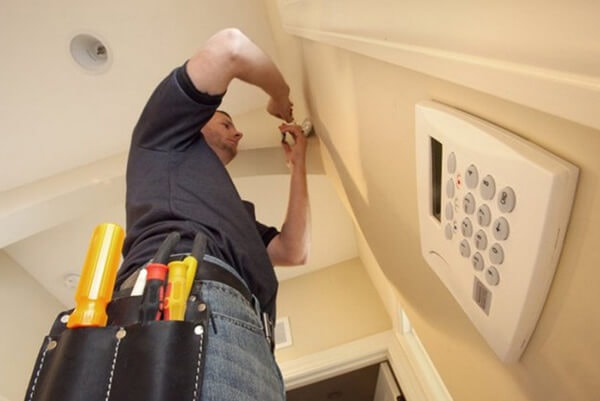
5 Reasons for Expert Alarm Installation Services
It’s tempting to try and save money with a DIY fire alarm system. But when it comes to protecting your business, is “good enough” really good enough? Strict NFPA regulations aren’t just red tape; they’re there to prevent catastrophic loss. A small mistake in placement or wiring could lead to devastating fines or, worse, a total failure when you need it most. These doubts undermine the very safety you’re trying to create. Our expert alarm installation services remove the guesswork, giving you a compliant, reliable system you can trust completely.
DIY fire alarm installation might seem like a cost-effective shortcut, but it comes with significant risks, including improper placement, system malfunctions, and non-compliance with fire codes. In some cases, attempting to install a fire alarm without professional certification can even be illegal. At American Alarm Corporation, we specialize in NFPA-compliant fire alarm systems designed to protect businesses, ensure legal compliance, and provide immediate emergency response when needed.
Key Takeaways
- NFPA compliance is both a legal requirement and a business necessity, providing legal protection, lower insurance premiums, and enhanced safety for occupants and property.
- NFPA-compliant fire alarm systems feature early detection, professional monitoring services, and regular maintenance, ensuring effective fire hazard protection and quick emergency response.
- American Alarm Corporation offers expertise, comprehensive services, and affordable solutions to help businesses implement and maintain NFPA-compliant fire alarm systems for optimal safety.
Is DIY Fire Alarm Installation Worth the Risk?
Installing a fire alarm system without professional expertise can lead to serious safety hazards. NFPA compliance requires precise system design, placement, and integration—mistakes in any of these areas can leave a business vulnerable to fire emergencies. It’s crucial to understand that fire alarm systems are not just about installing a few sensors and alarms; they require a comprehensive approach to ensure complete coverage and functionality. Inadequate installations can result in significant gaps in protection, leaving businesses exposed to potential disasters. Moreover, DIY installations may not be equipped with the latest technology, such as smart home automation and mobile app integration, which are essential for modern security solutions.
Are Your Fire Sensors in the Right Place?
Proper sensor placement is critical for early fire detection. DIY installations often fail to account for airflow, ceiling height, and potential obstructions, creating blind spots where fire or smoke can spread undetected. These blind spots can be particularly dangerous in larger commercial spaces or complex building layouts where fire can quickly escalate without immediate detection. Professional installers have the expertise to strategically place sensors for optimal coverage, ensuring that even the most challenging areas are protected. This level of precision is vital for both residential and business security systems, as it ensures that all occupants are alerted promptly in case of an emergency.
Could Your Fire Alarm’s Wiring Be a Fire Hazard?
Fire alarm systems require expert electrical installation. Poor wiring can lead to false alarms, system failures, or electrical malfunctions—all of which increase fire risks rather than prevent them. In the worst cases, incorrect wiring can cause electrical fires, defeating the very purpose of having a fire alarm system in the first place. Professional installation ensures that wiring is done according to the highest safety standards, minimizing the risk of electrical failures. Additionally, professional installers are familiar with the latest NEC 760.24 fire alarm wiring requirements, ensuring that installations are both safe and compliant.
What Happens When No One Responds to Your Alarm?
NFPA-compliant fire alarm systems should be connected to professional monitoring services that alert emergency responders immediately. A DIY-installed system without proper monitoring means that in the event of a fire, no one will be notified until it’s too late, allowing the fire to spread uncontrollably. Professional monitoring services provide 24/7 surveillance, ensuring that any fire is detected and responded to promptly. This real-time response is crucial for minimizing damage and ensuring the safety of occupants. Furthermore, modern monitoring services often include video monitoring and real-time alerts, allowing business and property owners to stay connected and informed at all times.
Understanding Your Security System Options
Choosing a security system isn’t a one-size-fits-all decision. The right choice depends on your property, your budget, and what you need to protect. Whether you’re securing your family home or your growing business, understanding the fundamental differences between the available systems is the first step. From the type of property to the technology that powers the alarm, each element plays a role in creating a solution that gives you true peace of mind. Let’s walk through the main options you’ll encounter so you can make an informed decision that fits your specific needs and lifestyle.
Residential and Commercial Alarms
The security needs of a home and a business are fundamentally different. Residential alarms are typically designed for simplicity and ease of use, focusing on intrusion detection, fire safety, and sometimes smart home integration. For a business, the requirements are often more complex. Commercial systems need to be scalable to cover larger areas and may require specialized features like access control to manage employee entry, or commercial camera systems for liability and surveillance. Furthermore, businesses must adhere to strict regulations, such as NFPA fire codes, making professional, compliant installation a necessity, not just a preference.
Wired vs. Wireless Systems
Security systems come in two main flavors: wired and wireless. Wired systems connect all components, like sensors and keypads, directly to a central control panel through hidden wires. They are known for their reliability and don’t require batteries. However, installation can be more invasive and costly, especially in existing buildings. Wireless systems, on the other hand, use radio frequencies to communicate. They are much easier and faster to install, offer greater flexibility in placing sensors, and are simple to expand or move. The main consideration is that you’ll need to monitor and replace batteries periodically to ensure everything stays online.
DIY vs. Professional Installation
While DIY security kits are widely available, they come with significant risks. Improper placement of sensors can create blind spots, and incorrect wiring can lead to system malfunctions or even become a fire hazard itself. For critical systems like fire alarms, professional installation is essential to ensure compliance with safety codes. A DIY approach might seem like a cost-effective shortcut, but it can leave you unprotected. Professionals have the training to design and install a system for optimal coverage and reliability, ensuring it works exactly as it should when you need it most. This expertise is key to a truly effective security solution.
Smart Home Automation
Modern security systems do more than just sound an alarm. They can serve as the central hub for your smart home, integrating with other connected devices for added convenience and control. Imagine a system that disarms when you unlock your front door, turns on the lights as you enter, and adjusts the thermostat to your preferred temperature. You can also receive real-time alerts on your phone, view live video feeds from your cameras, and control your entire system remotely. This level of integration not only simplifies your daily routine but also adds powerful layers of security and awareness to your property.
Breaking Down Security System Costs
Understanding the cost of a security system is crucial for budgeting, but the final price tag involves more than just the equipment. The total investment includes the initial hardware and installation fees, plus ongoing monthly monitoring charges. The price of a security system depends on many things, like the size of your property and how complex the system is. A small apartment will naturally cost less to secure than a large commercial warehouse with multiple entry points. By breaking down the different cost components, you can get a clearer picture of what to expect and find a solution that provides robust protection without breaking the bank.
Installation and Equipment Costs
The upfront cost of a security system covers the hardware—the control panel, sensors, cameras, and keypads—and the professional installation. This initial investment can range from a few hundred to several thousand dollars. The price is influenced by the number of entry points you need to secure, the size of your property, and the type of systems and products you choose. For example, a basic package with a few door and window sensors will be much more affordable than a comprehensive setup with multiple cameras, motion detectors, and smart home devices.
Cost of Additional Components
Beyond the basic package, you can customize your system with additional components to meet your specific needs, though each addition will affect the total cost. You might want to add glass-break sensors for extra window protection, environmental detectors for smoke or carbon monoxide, or a panic button for immediate emergency access. Video doorbells and outdoor security cameras are also popular add-ons that enhance your visibility and control. It’s important to consider which components are essential for your security and which are nice-to-haves to keep your initial investment within budget.
Monthly Monitoring Fees
Professional monitoring is the service that connects your alarm system to a 24/7 command center. When an alarm is triggered, trained professionals assess the situation and dispatch the appropriate emergency services, whether it’s the police, fire department, or medical responders. This service is the core of a reliable security system, ensuring a response even when you’re away or unable to call for help. According to industry data from SafeHome.org, professional monitoring usually costs between $20 and $80 per month, depending on the provider and the level of service you choose, such as video verification or cellular backup.
Factors That Affect the Final Price
Several variables can influence the final price of your security system. The type of alarm you select—be it a simple intrusion system or a complex, integrated fire and security solution—is a major factor. Your location can also play a role, as labor costs for installation can vary by region. Finally, the complexity of the installation itself matters. A straightforward wireless setup in a new home will likely cost less than retrofitting a wired system into an older building with challenging architecture. Getting a custom quote is the best way to understand the specific costs for your property.
Cost-Saving Tips
While security is a worthy investment, there are ways to manage the cost. Always look for package deals or seasonal discounts, which can offer significant savings on equipment and installation. We often run specials that bundle popular services and hardware at a reduced price. Another great tip is to inquire about annual monitoring contracts. Many companies, including ours, offer a discount of 15-25% if you pay for a full year of monitoring upfront compared to making monthly payments. This simple step can lead to substantial savings over the life of your system.
Key Benefits of a Professional Security System
A professionally installed and monitored security system offers far more than just a loud siren. It provides a comprehensive safety net that protects your property, your assets, and the people you care about around the clock. The true value lies in the rapid, reliable response during an emergency and the advanced technology that works to prevent incidents before they escalate. From deterring potential intruders to ensuring a swift dispatch of emergency services, a professional system delivers a level of security and peace of mind that DIY solutions simply cannot match. It’s an active, intelligent shield for your home or business.
Faster Emergency Response
In an emergency, every second counts. The single most important benefit of a professional security system is its connection to a 24/7 monitoring center. When an alarm—whether for intrusion, fire, or a medical emergency—is triggered, a signal is sent immediately to the center. Trained operators are on standby to verify the alarm and dispatch the appropriate emergency responders right away. This ensures help is on the way in minutes, dramatically reducing the risk of significant loss or harm. This immediate, professional response is what truly safeguards your property and its occupants.
Potential Insurance Discounts
Most insurance companies recognize that a professionally monitored security system significantly reduces the risk of theft, vandalism, and fire damage. Because of this, they often offer substantial discounts on homeowner’s or business insurance premiums—sometimes up to 20%. This discount can help offset the monthly monitoring fee, making a professional security system an even more affordable and intelligent financial decision. Be sure to check with your insurance provider to see what discounts you qualify for once your system is installed and active.
Protection During Power Outages
What happens to your security system if the power goes out? While a basic DIY system might go dark, professional systems are designed with resiliency in mind. Most come equipped with a backup battery that keeps the system running for hours during a power outage. Furthermore, many systems use a dedicated cellular connection to communicate with the monitoring center. This means that even if your power is out and your internet is down, your system remains armed and connected, ensuring you have uninterrupted protection when you are most vulnerable.
Advanced Features for Modern Lifestyles
Today’s security systems are smarter and more connected than ever before, offering features designed to fit seamlessly into your life. Modern monitoring services often include video monitoring and real-time alerts sent directly to your smartphone, allowing you to stay informed no matter where you are. You can check in on your property, see who is at the front door, and even remotely arm or disarm your system. These advanced capabilities provide not only enhanced security but also a new level of convenience and control over your home or business environment.
Video Verification to Reduce False Alarms
False alarms are a common nuisance that can lead to costly municipal fines and, worse, can cause emergency responders to deprioritize calls from your address. Video verification is a powerful feature that helps eliminate this problem. When an alarm is triggered, the monitoring center can access a short video clip from the relevant camera to confirm if there is a real threat. If an intruder is seen, the dispatch is verified and prioritized. If it was just your cat knocking something over, the alarm is canceled, saving you time, money, and hassle.
Pet-Friendly Solutions
If you have pets, you might worry that they’ll constantly trigger your motion sensors and cause false alarms. Fortunately, modern security systems offer pet-friendly or pet-immune motion detectors. These smart sensors are designed to ignore the movement of animals under a certain weight, typically up to 80 pounds. This allows your furry friends to roam freely throughout your home without compromising your security. You can keep your property protected without having to confine your pets to a single room whenever you arm the system.
Are You Risking Your Business with NFPA Code Violations?
NFPA fire codes exist to protect lives and property, and non-compliant systems can lead to severe penalties. Even if a fire doesn’t occur, failing to meet fire safety regulations can jeopardize your business operations. Compliance with NFPA codes is essential not only for legal reasons but also for maintaining a safe and secure environment for employees and customers. Non-compliance can result in increased insurance premiums, legal liabilities, and loss of reputation. Businesses must take proactive steps to ensure their fire alarm systems meet all necessary standards and regulations.
Will Your Fire Alarm System Pass Inspection?
Fire inspections are required for business permits, insurance approvals, and ongoing operational compliance. If a fire alarm system is installed incorrectly, businesses may fail inspections and face fines, delays, or even shutdowns. Regular inspections ensure that fire alarm systems are functioning correctly and meeting all safety standards. Professional installation and maintenance services can help businesses stay compliant, avoiding costly penalties and ensuring uninterrupted operations. Additionally, professional services often include free estimates and consultations, providing businesses with the information they need to make informed decisions about their fire alarm systems.
Will Your Alarm Work When It Matters Most?
A fire alarm system is only effective if it works at the critical moment it’s needed. If sensors fail to detect a fire or alarms fail to sound, the consequences can be catastrophic. Non-compliant installations put employees, customers, and property at risk. Proper installation and regular maintenance are crucial for ensuring that fire alarm systems operate as intended during an emergency. Professional services offer comprehensive solutions that include regular inspections, testing, and maintenance, ensuring that systems are always ready to respond when needed.
Why 24/7 Monitoring is Your First Line of Defense
A fire alarm without professional monitoring is like an alarm system without a response team—it does nothing when disaster strikes. NFPA standards emphasize the importance of 24/7 monitoring to ensure that emergency responders are alerted the moment a fire is detected. Without it, businesses risk complete loss due to delayed response times. Professional monitoring services provide peace of mind, knowing that trained professionals are always on standby to respond to any emergency. These services are an essential component of modern business security solutions, offering a reliable and effective way to protect property and lives. 
How to Choose the Right Alarm Provider
Selecting the right company to install and monitor your fire alarm system is just as important as the system itself. This is a long-term partnership for your safety, so you want to choose a provider you can trust. When you start looking at your options, you’ll find a mix of large national chains and smaller local businesses. It’s important to look beyond the initial price tag and consider factors like local expertise, proper credentials, and the quality of customer support you’ll receive. Making an informed choice now will give you confidence that your property is protected by a reliable and compliant system.
National vs. Local Companies
When you’re deciding between a national chain and a local provider, think about the kind of service you value most. National companies offer brand recognition and standardized packages, but they can sometimes lack a personal touch. A local company, on the other hand, brings a deep understanding of regional fire codes and a commitment to the community. For instance, a provider that has been serving the Atlanta area for decades will be familiar with the specific requirements of local jurisdictions. This specialized knowledge ensures your installation is not only compliant but also optimized for your unique location. Choosing a local expert like American Alarm means you’re working with a team that is invested in your safety and just a phone call away when you need them.
Checking for Certifications and Licenses
Before you sign any contract, make sure the provider has the right credentials. Proper certification is non-negotiable when it comes to fire safety. Look for companies whose technicians are certified by respected organizations like the National Fire Protection Association (NFPA). These certifications are proof that the provider adheres to the highest industry standards for system design, installation, and maintenance. A properly certified team ensures your system will not only function correctly during an emergency but will also pass mandatory fire inspections. Don’t hesitate to ask for proof of licensing and certification; a reputable company will be happy to provide it. This step confirms you’re working with qualified professionals who are serious about safety and compliance.
Understanding Customer Guarantees and Privacy Policies
A fire alarm system is a long-term investment, and you need a provider who will stand by their work. Look for a company that offers clear guarantees on their equipment and installation. What does their service agreement include? Do they offer ongoing maintenance and timely repairs? Responsive customer service is crucial, especially when your safety is on the line. You should also inquire about their privacy policy to understand how your data is handled, particularly with modern systems that connect to the internet. A trustworthy provider will be transparent about their services and policies, giving you the assurance that you’re not only protected from fire but also supported by a reliable partner.
Get Peace of Mind with Our Expert Alarm Installation Services
Installing a fire alarm system is not a DIY project—it requires expertise in NFPA standards, local fire codes, and system integration. At American Alarm Corporation, we ensure businesses receive fire alarm solutions that are fully compliant, properly installed, and professionally monitored. Our services are designed to meet the unique needs of each business, providing customized solutions that offer maximum protection and peace of mind.
Rely on Our NFPA-Certified Technicians
American Alarm Corporation’s team stays up to date with the latest NFPA fire alarm installation codes. This ensures that every system is installed according to strict industry regulations, keeping businesses compliant and protected. Our technicians undergo regular training to stay informed about the latest advancements in fire safety technology, ensuring that our clients receive the most cutting-edge systems available.
From Sensor Placement to System Integration, We’ve Got It Covered
Properly installed fire alarms require correct sensor placement, structured wiring, and seamless integration with sprinkler systems, emergency lighting, and monitoring services. We design fire alarm solutions tailored to each business’s unique structure and fire safety needs. Our comprehensive approach ensures that all aspects of fire safety are addressed, providing businesses with a reliable and effective security system.
Get an Immediate Response with 24/7 Professional Monitoring
A fire alarm system is only as good as its response time. With 24/7 monitoring, emergency services are alerted the moment a fire is detected, ensuring rapid intervention and minimal damage. Professional monitoring is a key element of NFPA compliance and an essential safeguard for every business. Our monitoring services offer real-time alerts and video monitoring, allowing business owners to stay connected and informed at all times. This level of protection is crucial for maintaining a safe and secure environment for employees and customers alike. 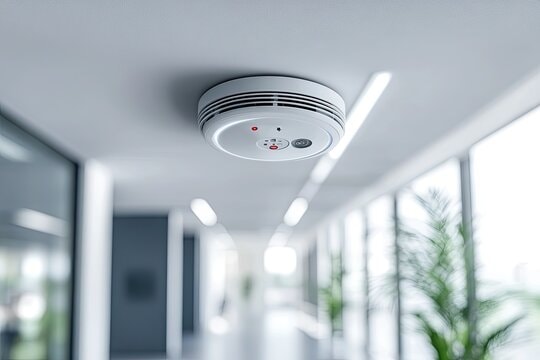
Ready for a Safer, Compliant Fire Alarm System?
Fire protection is a legal requirement and a business necessity. DIY installations and non-compliant systems expose businesses to severe risks, including property loss, legal consequences, and endangering lives. American Alarm Corporation provides expert NFPA-compliant fire alarm installation, monitoring, and maintenance to keep businesses protected at all times. Don’t take risks with fire safety. Contact American Alarm Corporation today for a professional consultation and ensure that your business is fully compliant and properly protected.
Frequently Asked Questions
What is the NFPA 1 Fire Code?
The NFPA 1, Fire Code, serves as the fundamental code for fire safety, emphasizing both public and property protection through a comprehensive approach to fire regulation. It also references over 130 additional NFPA codes for more detailed guidelines.
Where Should a Fire Alarm Be Mounted, According to NFPA 72?
The NFPA 72 standards specify that fire alarm control units should be mounted between 1.5 and 5.5 feet above the finished floor for optimal accessibility. Additionally, fire alarm bells should be mounted at a minimum height of 90 inches above the floor.
What Does NEC 760.24 Say About Fire Alarm Wiring?
NEC 760.24 mandates that fire alarm circuits must be installed neatly and in a workmanlike manner, with cables and conductors supported by the building structure to prevent damage from regular use. Adhering to these requirements ensures safety and compliance with fire alarm standards.
What Makes a Fire Alarm System NFPA 72 Compliant?
The NFPA 72 code mandates that fire alarm systems be designed, installed, inspected, tested, and maintained in compliance with its standards. Additionally, a fire alarm control panel must function as the central hub, directing system operations effectively.
Why is NFPA Compliance So Important?
NFPA compliance is essential for meeting legal and safety standards, which minimizes the risk of fines, lawsuits, and insurance complications while significantly enhancing overall safety.


Leave a Reply
Want to join the discussion?Feel free to contribute!