Your Guide to Atlanta Fire Alarm Installation
A small spark can turn into an uncontrollable fire in under 60 seconds. The question is—will your fire alarm system actually protect your business when it matters most? An alarm that just makes a loud noise can create a dangerous false sense of security. If no one is there to respond, it’s not a real safety plan. This is where professional Atlanta fire alarm installation and fire alarm monitoring in Atlanta make all the difference, ensuring someone is always ready to act when every second counts.
If your system isn’t monitored 24/7, flames could engulf your building before anyone realizes what’s happening. Who is watching your fire alarm when you’re not there? Without professional monitoring, an alarm is just noise—useless if no one responds. At American Alarm Corporation, we provide security solutions for immediate, real-time fire alarm monitoring to ensure fast emergency response when every second counts.
Key Takeaways
- Assessing fire risks in businesses is crucial to identifying hazards and implementing preventative measures to enhance safety.
- Choosing the right fire alarm system tailored to the specific needs of a business is essential for optimal protection and compliance with regulations.
- Regular maintenance, testing, and professional monitoring are vital for ensuring the reliability and effectiveness of fire alarm systems during emergencies.
Why Unmonitored Fire Alarms Put Your Business at Risk
An unmonitored fire alarm might sound, but if no one hears it, it doesn’t protect your business. Many business owners assume nearby tenants, employees, or bystanders will call 911, but relying on chance isn’t a fire safety plan. Key risks of unmonitored fire alarms:
- No immediate emergency response—fire spreads unchecked, leading to potentially devastating consequences. Without a professional monitoring service, there’s a significant delay in alerting emergency services, increasing the risk of severe property damage and loss of life.
- False sense of security—an alarm alone doesn’t stop a fire. Business owners may believe they are protected simply because they have an alarm, but without monitoring, the alarm’s effectiveness is severely compromised.
- Delayed notification—every second wasted allows flames to grow stronger. Quick response is crucial in a fire emergency, and without monitoring, the delay can lead to more extensive damage and higher repair costs.
If your fire alarm isn’t actively monitored, your business is vulnerable. In a fire emergency, every moment matters—without instant detection and response, property damage, business disruption, and loss of life become real threats. Additionally, having a monitored system can often lead to lower insurance premiums, as insurers recognize the reduced risk associated with professional monitoring. By investing in the professional installation of a monitored fire alarm system, businesses not only protect their assets and employees but also demonstrate a commitment to safety and compliance with fire safety standards.
The Critical Window for Escape
Early Detection Saves Lives
It’s a startling fact: a small spark can escalate into a raging fire in less than a minute. That incredibly short timeframe is why early detection is the cornerstone of any effective fire safety strategy. It’s not just about having an alarm; it’s about having a system that reacts instantly. Advanced fire alarm systems are designed to provide that crucial early warning, giving everyone inside more time to evacuate safely and helping to minimize property damage. When a fire breaks out, those first few seconds are everything. A swift alert creates the critical window needed for a safe escape before the situation becomes uncontrollable.
The initial alert is only half the battle. An unmonitored alarm simply makes noise, but a professionally monitored system ensures an immediate response. Without that constant oversight, there’s a significant delay in alerting emergency services, which dramatically increases the risk of severe property damage and, more importantly, loss of life. A quick response is non-negotiable in a fire emergency. The longer it takes for help to arrive, the more devastating the consequences. Investing in a reliable, monitored fire alarm not only protects your people and your property but also provides the peace of mind that comes from knowing you’re prepared for the worst.
How 24/7 Monitoring Provides Instant Emergency Response
Fire alarms are only effective when they trigger a fast response. American Alarm Corporation’s 24/7 fire alarm monitoring ensures that the moment smoke or heat is detected, first responders are notified immediately. What 24/7 monitoring does for the security of your business:
- Direct emergency dispatch—Fire departments receive real-time alerts, eliminating delays. This ensures that help arrives as quickly as possible, reducing the potential for significant property damage and enhancing the safety of all occupants. In the event of a fire emergency, every second counts, and immediate dispatch is crucial for a successful outcome.
- No human error—Smart monitoring removes reliance on bystanders calling 911. This eliminates the risk of human error or hesitation, guaranteeing that emergency services are contacted without delay. By automating the alert process, businesses can be confident that their fire alarm system will perform reliably, even when no one is present to witness the incident.
- Instant notifications—Business owners, security teams, and emergency personnel are all informed immediately. This ensures that all relevant parties are aware of the situation and can take appropriate action swiftly. Whether it’s evacuating the premises or coordinating with first responders, instant notifications enable a coordinated response to the fire emergency, minimizing potential damage and ensuring the safety of everyone involved.
A fire doesn’t wait—your alarm shouldn’t either. Our monitored systems detect smoke, heat, and carbon monoxide, ensuring total protection for your property and everyone inside. By investing in a comprehensive monitoring service, businesses can rest assured that they are prepared for any fire emergency, with the systems in place to protect both their assets and their people. Additionally, having a monitored fire alarm or security system can often lead to significant savings on insurance premiums, as insurers recognize the reduced risk associated with professional monitoring. 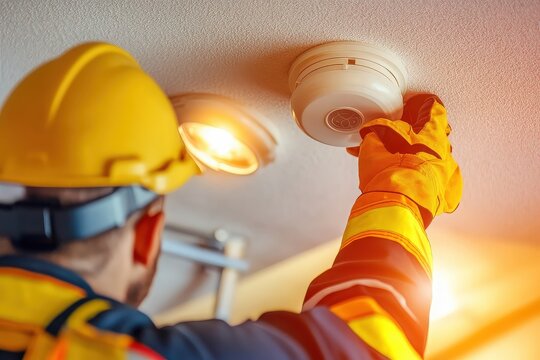
Understanding Fire Alarm Systems and Components
Choosing a fire alarm system isn’t a one-size-fits-all decision. The right system for your business depends on your building’s size, layout, and specific fire risks. A small retail shop has very different needs than a large warehouse or office building. Understanding the core components and types of systems available is the first step toward making an informed choice that ensures both safety and compliance. From basic detectors to advanced, interconnected networks, each element plays a vital role in creating a protective shield for your property, your employees, and your customers. Getting familiar with these options will help you work with a professional to design a solution that’s perfectly tailored to your environment.
Conventional vs. Addressable Systems
The two main categories of fire alarm systems are conventional and addressable. Think of a conventional system as a general alert. It divides your building into broad zones, and if a fire is detected, it tells you which zone is affected, but not the precise location. This makes them a straightforward and cost-effective choice for smaller, less complex spaces. An addressable system, on the other hand, gives each detection device a unique “address.” When an alarm is triggered, the control panel shows you exactly which device was activated, pinpointing the fire’s location. While the initial investment is higher, this level of detail is invaluable for larger or more intricate buildings, allowing first responders to act faster and more efficiently.
Conventional Fire Alarms
Conventional fire alarms are the traditional workhorses of fire detection. They are hard-wired and operate on a zone-based system. For example, an entire floor or a specific wing of a building might be designated as a single zone. If any detector in that zone is triggered, the main panel will indicate an alarm in that general area. Because of their simplicity, they are generally less expensive to install, making them a practical option for small businesses, individual offices, or retail stores where pinpointing a fire’s exact origin is less complex. Their reliability and lower cost make them a solid foundation for fire safety in smaller settings.
Addressable Fire Alarms
Addressable fire alarms offer a more intelligent and precise approach to fire detection. Each device in the system, from smoke detectors to pull stations, has a unique digital address. If a fire starts, the control panel instantly identifies the exact location of the triggered device. This precision is critical in large facilities like hospitals, schools, or multi-story office buildings, as it drastically reduces emergency response times. Addressable systems also offer greater flexibility, easier maintenance, and a lower likelihood of false alarms, providing a sophisticated level of protection for more demanding environments.
Essential Detection Components
At the heart of any fire alarm system are the devices that actually sense the danger. The most common are smoke and heat detectors, but they aren’t all created equal. The type of detector and where it’s placed can make a huge difference in how quickly a fire is identified. According to the U.S. Fire Administration, smoke alarms should be installed on every level of a building and inside and outside sleeping areas. Choosing the right mix of detection components ensures your system can respond effectively to different types of fire threats, from slow, smoldering fires to fast-flaming ones, providing comprehensive coverage where you need it most.
Ionization vs. Photoelectric Smoke Detectors
Smoke detectors primarily come in two types: ionization and photoelectric. Ionization alarms are best at detecting fast-flaming fires with small smoke particles, while photoelectric alarms are more responsive to slow, smoldering fires that produce larger particles. Because you can’t predict what kind of fire might occur, many safety experts recommend using dual-sensor alarms or a combination of both types throughout your property. This ensures you have a comprehensive detection strategy in place, ready to alert you to a wide range of fire emergencies and giving you the earliest possible warning.
Heat Alarms for Specific Areas
In some environments, a standard smoke detector can be prone to false alarms. Think about kitchens, laundry rooms, or garages, where steam, dust, or fumes can accidentally trigger an alarm. For these areas, heat alarms are a much better fit. Instead of sensing smoke, these devices are activated by a significant rise in temperature. This makes them ideal for locations where non-fire-related particles are common. By using heat alarms in these specific spots, you can build a reliable fire detection system that minimizes nuisance alarms while still providing essential protection against real threats.
Advanced System Features for Enhanced Safety
Modern fire alarm systems can do more than just sound a siren. Advanced features are designed to improve communication, speed up evacuation, and create a more cohesive safety network. These technologies move beyond simple detection to actively manage an emergency situation. For instance, some systems can automatically shut down ventilation systems to prevent smoke from spreading or unlock doors to clear evacuation routes. Integrating these advanced capabilities into your fire safety plan can dramatically improve outcomes during an emergency, helping to protect lives and minimize property damage by creating a smarter, more responsive system.
Interconnected Alarms
One of the most important safety features you can have is an interconnected alarm system. The concept is simple but powerful: when one alarm detects a fire, all the alarms throughout the building sound simultaneously. This is crucial in larger properties where someone in one area might not hear a distant alarm. The London Fire Brigade notes that interconnected alarms are best because they ensure everyone is alerted at the same time, no matter where they are. This immediate, building-wide notification gives everyone more time to evacuate safely, which can be a true lifesaver.
Voice Evacuation Systems
During an emergency, confusion can be as dangerous as the fire itself. Voice evacuation systems replace jarring sirens with clear, calm, pre-recorded or live voice instructions. These messages can guide occupants on what to do, where to go, and how to exit the building safely. This is especially effective in large public venues like theaters, arenas, or shopping centers where people may be unfamiliar with the layout. By providing direct and understandable instructions, these systems help prevent panic and ensure a more orderly and efficient evacuation process.
Beyond Alarms: Comprehensive Fire Protection
A truly effective fire safety strategy extends beyond just alarms. While detection is the first line of defense, a comprehensive plan includes tools for suppression and safe evacuation. This holistic approach ensures that you are prepared not only to detect a fire but also to control it and get everyone out safely. Elements like sprinkler systems, fire extinguishers, and emergency lighting work together with your alarm system to create multiple layers of protection. Thinking about the complete picture is key to building a resilient safety plan that covers all bases in an emergency.
Sprinkler Systems and Fire Extinguishers
While alarms alert you to danger, sprinkler systems and fire extinguishers are your first line of active defense. Automatic sprinkler systems can suppress a fire in its early stages, often extinguishing it before the fire department even arrives. This can significantly reduce property damage and is a critical safety feature in many commercial buildings. Fire extinguishers, when used by trained individuals on small, contained fires, can also prevent a minor incident from becoming a major disaster. Integrating these suppression tools into your overall safety plan is a vital step in comprehensive fire protection.
Emergency and Exit Lighting
When a fire breaks out, power often fails, plunging a building into darkness and causing disorientation. This is where emergency and exit lighting becomes essential. These systems are backed up by their own power source and automatically illuminate when the main power goes out. They light up hallways, stairwells, and, most importantly, clearly mark the paths to the nearest exits. This guidance is crucial for helping people navigate to safety quickly and calmly during a stressful and potentially chaotic situation, ensuring that evacuation routes are always visible.
The Professional Installation and Compliance Process
Installing a commercial fire alarm system is a precise and highly regulated process that goes far beyond simply mounting detectors on a wall. It requires deep knowledge of electrical systems, building layouts, and, most importantly, strict fire codes. From the initial design to the final sign-off, every step must be executed perfectly to ensure the system is reliable and compliant. This is why professional installation is not just recommended—it’s required. A certified team ensures your system is designed to meet the unique needs of your building and installed to the exacting standards set by national and local authorities, giving you peace of mind that it will work when you need it most.
From System Design to Your Certificate of Occupancy
Getting a fire alarm system up and running involves several critical stages. It starts with a professional assessment of your property to design a system that provides complete coverage. Once the design is approved, certified technicians handle the installation, ensuring every wire and device is placed correctly. After installation, the system undergoes rigorous testing to verify that it functions perfectly. The final step is an inspection by the local fire marshal. Only after passing this inspection will you receive the necessary approvals, like a Certificate of Occupancy, confirming your building is safe and up to code. At American Alarm, we manage this entire process to ensure all systems meet Atlanta’s local fire codes.
Meeting Compliance Standards with NFPA 72
In the world of fire safety, NFPA 72 is the rulebook. The National Fire Alarm and Signaling Code (NFPA 72) is the national standard that dictates the proper design, installation, testing, and maintenance of fire alarm systems. Adhering to this code is not optional; it’s a legal requirement for commercial buildings. Compliance ensures that every component of your system works together reliably to provide life-saving protection. Professionals who specialize in fire alarm systems are experts in NFPA 72 and will ensure your system meets or exceeds every one of its stringent requirements, keeping your business safe and compliant.
The Importance of Certified Technicians
You wouldn’t trust an amateur with your building’s electrical wiring, and the same principle applies to your fire alarm system. Certified technicians have undergone extensive training and testing to prove their expertise in fire alarm technology and safety codes. They know how to properly install, configure, and test complex systems to ensure they are free of errors and vulnerabilities. Entrusting your installation to certified professionals is the only way to guarantee that your system is compliant and will perform reliably during an emergency. It’s an investment in quality and safety that you can’t afford to skip.
Ongoing Maintenance and Testing
A fire alarm system is not a “set it and forget it” piece of equipment. To ensure it remains in perfect working order, regular maintenance and testing are absolutely essential. Over time, dust can accumulate in detectors, batteries can weaken, and components can fail. A consistent maintenance schedule catches these issues before they can compromise your safety. This ongoing care is also a requirement for maintaining compliance with fire codes. Think of it as a regular health check-up for your safety system, ensuring it’s always ready to protect your property and the people inside it.
Required Inspections
To stay compliant and ensure your system is always ready, regular inspections are a must. Businesses are typically required to have their fire alarm systems inspected on a monthly, quarterly, and annual basis by a certified professional. These inspections involve testing all components, from smoke detectors and pull stations to control panels and notification appliances, to verify they are functioning correctly. Keeping up with these required inspections not only fulfills your legal obligations but also provides confidence that your first line of defense against a fire is strong and reliable. American Alarm offers comprehensive inspection and maintenance services to keep your system in top shape.
When to Replace Your Alarms
Even with perfect maintenance, fire alarm components have a limited lifespan. The U.S. Fire Administration recommends that smoke alarms be replaced every 10 years, regardless of whether they seem to be working. The sensors inside them degrade over time, becoming less sensitive and reliable. Other parts of your system, like control panels and heat detectors, also have their own replacement timelines. A professional service provider can help you track the age of your components and create a replacement schedule to ensure your system’s technology is always up-to-date and effective.
Budgeting for Your Commercial Fire Alarm System
When it comes to protecting your business from fire, the cost of a new alarm system is a significant consideration. It’s more than just an expense; it’s a critical investment in the safety of your employees, customers, and property. The total price can vary widely based on a number of factors, including the size of your building and the complexity of the system you need. Understanding the different costs involved—from the initial installation to ongoing monitoring—will help you create a realistic budget. This allows you to plan effectively and choose a system that provides the right level of protection without any financial surprises down the road.
A Breakdown of Potential Costs
The total cost of a commercial fire alarm system is made up of several parts. First, there’s the price of the hardware itself, which includes the control panel, detectors, pull stations, and notification devices. Then you have the installation and labor costs, which can vary depending on the complexity of the job. Finally, there are the recurring fees for professional monitoring and regular maintenance. While it might be tempting to cut corners, remember that a reliable fire alarm system is a long-term investment in safety and can even lead to savings on your business insurance premiums.
Installation and Labor Costs
The cost of installing a fire alarm system can range from a few thousand dollars for a small, basic setup to tens of thousands for a large, sophisticated system. For a smaller business, a basic installation might run between $600 and $1,000, while more advanced, addressable systems for larger facilities can cost up to $5,000 or more. The final price depends on factors like the amount of wiring needed, the number of devices being installed, and the overall complexity of your building’s layout. A professional quote will break down these costs for you clearly.
Ongoing Monitoring and Maintenance Fees
Your financial commitment to a fire alarm system doesn’t end after installation. Professional 24/7 monitoring is a recurring monthly fee that ensures emergency services are dispatched immediately when an alarm is triggered. Additionally, you’ll need to budget for annual or semi-annual maintenance and inspections to keep the system compliant and in optimal condition. While these are ongoing costs, they are essential for ensuring the system’s reliability. Plus, many insurance companies offer significant discounts for businesses with professionally monitored systems, which can help offset these fees over time.
Key Factors That Influence Pricing
Several key variables will determine the final cost of your fire alarm system. The size and layout of your building are the biggest factors—the larger the space, the more devices and wiring you’ll need. The type of system you choose also plays a major role; an addressable system will cost more upfront than a conventional one. The level of monitoring required and any special features, like voice evacuation or integration with other security systems, will also impact the price. Getting a custom quote from a professional provider is the best way to understand the specific costs for your business.
Planning Your Budget Effectively
When planning your budget for a fire alarm system, it’s helpful to view it as a fundamental investment in your business’s continuity and safety. Start by getting multiple quotes from reputable, certified providers to compare costs and services. Be sure to ask what is included in the price, such as design, installation, testing, and any initial training. Don’t forget to factor in the ongoing costs of monitoring and maintenance. Investing in a high-quality, professionally installed and monitored system not only protects your assets but also demonstrates a strong commitment to safety, which is invaluable. To get a clear idea of what a system for your Atlanta business might cost, you can contact us for a personalized quote.
Your Partner in Atlanta Fire Alarm Installation & Monitoring
We don’t just install fire alarms—we provide continuous protection. Our UL-certified 24/7 commercial fire alarm systems and monitoring ensure that the moment a fire threat is detected, emergency responders are instantly dispatched to your location.
Why Choose Our 24/7 Fire Monitoring Service?
- Real-time emergency response—Your alarm isn’t just sounding; it’s actively calling for help. This immediate action minimizes the risk of severe property damage and ensures the safety of everyone in the vicinity.
- Advanced smart systems—Detects fire, smoke, heat, and carbon monoxide simultaneously. These systems are designed to offer comprehensive coverage, ensuring that any type of fire threat is identified swiftly, allowing for quick evacuation and emergency response.
- Compliance with fire safety standards—Meets all regulations for fire monitoring and business safety. Our systems are designed to adhere to local codes and safety standards, providing peace of mind that your business is protected and compliant.
With American Alarm Corporation, you’re not just installing a system—you’re securing a rapid, life-saving response in an emergency. Our commitment to ongoing maintenance and monitoring ensures that your fire alarm system is always ready to perform when needed. We understand the importance of minimizing potential damage and protecting your investments, which is why our services are tailored to meet the very specific fire risks and needs of each commercial property. By choosing us, you are partnering with a trusted provider that prioritizes your safety and security, offering significant savings on insurance premiums and reducing the risk of false alarms. 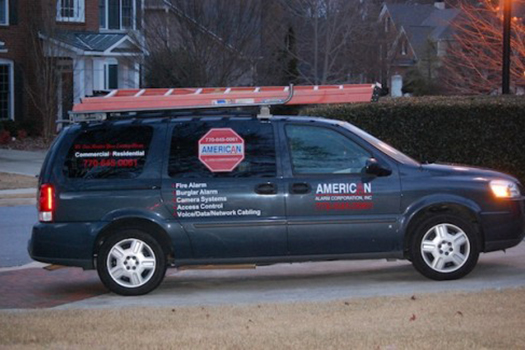
A Fire Won’t Wait—And Neither Should You
Every second matters in a fire emergency. If your fire alarm isn’t monitored 24/7, your business remains at risk. Don’t wait for disaster to strike—protect your business now with the fastest fire alarm installation and monitoring in Atlanta. Contact American Alarm Corporation today and ensure your fire alarm works when you need it most.
Frequently Asked Questions
Is Professional Fire Alarm Installation Necessary?
You can install a basic smoke detector yourself, but complex fire alarm systems should be installed by a licensed professional to ensure compliance with local regulations and optimal performance.
Does the fire department still install smoke detectors?
Yes, many fire departments still offer free installation of battery-operated smoke detectors. It’s advisable to contact your local fire department for specific details proper installation, and availability.
Do you need an electrician to install a fire alarm?
Yes, it is advisable to hire an electrician to install or replace hardwired fire alarms, as working with electrical components and circuits can be hazardous without proper expertise.
How much does it cost to install fire alarms?
The cost to install fire alarms typically ranges from $70 to $150, with average expenses around $112 for a dual hardwired detector. For simpler installations, expect to pay about $1 to $2 per square foot, while more complex setups could be higher.
Who Provides Reliable Fire Alarm Monitoring in Atlanta?
The company providing modern fire alarm systems in Atlanta is American Alarm Corporation.


Leave a Reply
Want to join the discussion?Feel free to contribute!