The Essential Guide to Business Surveillance
Grabbing a simple system from a big-box store might feel like a quick win, but it’s a risky gamble for your business. These common setups often leave your livelihood dangerously exposed. Why? Because a commercial property has vastly different needs than a home, requiring tougher equipment and smarter features. To find the right business surveillance solution, you have to look beyond the basics. We’ll walk you through what really matters—from resolution and storage to the best remote monitoring features. This guide will help you choose a complete business monitoring system with total confidence, not guesswork.
Key Takeaways
- Prioritize core features over the number of devices: Effective security comes from high-definition video, reliable night vision, and remote access, not just having more equipment. Strategic placement in your business’s most vulnerable areas is the key to creating a system that truly protects your property.
- Choose a security partner, not just a product: Working with a local professional provides much more than just hardware. You gain an expert who understands your business, ensures correct installation, and offers ongoing support, resulting in a more reliable and effective long-term solution.
- Create a connected security network for better control: Your surveillance system is most powerful when it works with your other safety tools. Integrating it with access control and fire alarms provides a complete picture of your property’s security and allows for a faster, more informed response to any event.
What is Business Surveillance?
When you hear “business surveillance,” you might picture a wall of monitors showing every corner of a building. While that’s part of it, the concept is much broader. At its core, business surveillance is the practice of using monitoring systems to watch over and collect information about your commercial property. This includes everything from what happens on the sales floor to who enters a restricted area after hours. The main goal is to protect your assets, your employees, and your customers by creating a secure and transparent environment. It’s about having a reliable record of events, which gives you the clarity needed to run your business effectively and with peace of mind.
Defining Business Surveillance and Its Purpose
Think of business surveillance as your company’s set of eyes and ears when you can’t be everywhere at once. Its purpose is to provide a clear, unbiased view of your daily operations. This isn’t just about catching theft; it’s about understanding the flow of your business, ensuring procedures are followed, and documenting events as they happen. Whether it’s monitoring entry points, overseeing sensitive inventory, or simply keeping an eye on the parking lot, a well-designed surveillance system serves as a constant, watchful guardian. It provides the factual data you need to make informed decisions, resolve disputes, and maintain a safe environment for everyone on your property.
More Than Just Security: The Unexpected Benefits
While deterring crime is a primary function, the benefits of a modern surveillance system extend far beyond that. Many business owners are surprised to find how these systems contribute to operational efficiency and overall safety. For instance, visual monitoring can help you see if your staff is providing excellent customer service or if there are bottlenecks in your workflow that need attention. It also acts as a powerful tool for reducing liability, providing concrete evidence in the event of a false accident claim. Ultimately, a comprehensive monitoring system is an investment in your business’s health, safety, and productivity, offering returns in areas you might not have expected.
Monitor Productivity and Customer Service
A surveillance system can offer valuable insights into your team’s performance and your customers’ experience. By reviewing footage, you can identify top-performing employees who excel at customer interaction and use those examples for training. You can also spot areas where processes could be improved. For example, you might notice that a particular machine is malfunctioning or that a certain layout is causing delays for your staff. This visual feedback allows you to make targeted improvements that streamline operations, which can lead to a more efficient and profitable business. It’s about using visual information to refine your processes and support your team.
Reduce Liability from False Claims
Unfortunately, false claims are a reality for many business owners. A slip-and-fall incident or a dispute between a customer and an employee can quickly become a costly legal issue. High-quality video evidence is your best defense in these situations. It provides an objective record of what actually happened, protecting your business from fraudulent claims and potential lawsuits. Having this footage can help you resolve disputes quickly and fairly, often without the need for lengthy legal battles. This not only saves you money but also protects your company’s reputation by demonstrating a commitment to transparency and fairness.
Improve Workplace Safety
Creating a safe work environment is a top priority for any responsible business owner. A surveillance system is an essential tool for enforcing safety protocols and identifying potential hazards before they cause an accident. You can use video recordings to ensure employees are following safety regulations, such as wearing the proper protective gear. This footage is also an excellent resource for training, allowing you to show real-world examples of correct procedures. By promoting a culture of safety and accountability, you can reduce workplace accidents, lower insurance premiums, and show your team that you are invested in their well-being.
Why Invest in a Business Monitoring System?
Deciding to invest in a business monitoring system is a significant step toward securing your company’s future. It’s a proactive measure that goes beyond simply reacting to problems. The presence of visible surveillance equipment is a powerful deterrent, often stopping potential criminals before they even attempt to act. Furthermore, in a world where theft—both external and internal—can seriously impact your bottom line, having a reliable system is crucial for protecting your inventory and assets. It’s not just an expense; it’s a strategic investment in loss prevention, operational oversight, and the long-term stability of your business. A professionally installed system provides the coverage and clarity you need to stay in control.
The Power of Deterrence: Statistics You Can’t Ignore
One of the most compelling reasons to install a surveillance system is its ability to prevent crime from happening in the first place. Studies have shown that the majority of burglars will actively avoid businesses with visible monitoring equipment. According to one report, an estimated 60% of convicted burglars stated they would choose a different target if they saw surveillance devices on the property. This single statistic highlights the proactive power of a well-implemented system. By simply making it known that your property is monitored, you make it a much less attractive target for criminals, who would rather move on to an easier, unprotected location. Explore our commercial systems and products to see what options are available.
Protecting Your Bottom Line from Theft
The financial impact of theft on businesses is staggering. Losses from shoplifting alone can cost small businesses tens of thousands of dollars in an incredibly short amount of time. And that doesn’t even account for internal theft, which can be just as damaging. A comprehensive monitoring system is one of the most effective tools for combating these losses. It allows you to identify and address theft as it happens and provides the evidence needed to take appropriate action. At American Alarm, we design customized security solutions that ensure there are no blind spots, giving you complete visual coverage of your most valuable assets and helping you protect your hard-earned profits.
How to Choose a Business Surveillance System
Choosing the right surveillance system for your business can feel like a huge task, but it doesn’t have to be complicated. When you know what to look for, you can confidently select a setup that protects your property, employees, and assets. Before you get into specific models, start by thinking about your business’s unique layout and needs. Do you have a large parking lot, a sensitive storage area, or a busy retail floor? Your answers will guide you toward the right features.
A great place to start is by considering where you need coverage. For outdoor areas, you’ll want weather-resistant units that can stand up to Atlanta’s heat and rain. For indoors, think about the field of view, which determines how wide of an area a single device can see. Wider views can mean you need less equipment to cover a large space like a warehouse or showroom. Also, consider your power source. While battery-powered options exist, hardwired systems are typically more reliable for a commercial setting, ensuring you don’t have gaps in your surveillance due to a dead battery.
Finally, think about how you’ll use the footage. Do you need crystal-clear resolution to identify faces or license plates? Look for systems with 1080p or 4K video quality. Will you need to see what’s happening after hours? Night vision is essential. You’ll also need to decide between storing your video data locally on a hard drive or securely in the cloud. Modern systems also offer helpful alerts, sending a notification to your phone when motion is detected. Thinking through these key points will help you build a system that truly serves your business.
Tailoring a System to Your Industry
Not all businesses face the same security challenges, so a one-size-fits-all surveillance system just won’t cut it. The setup that works for a small boutique on a busy street will be completely different from what’s needed to protect a sprawling warehouse or a medical office with sensitive patient information. Understanding the specific risks and requirements of your industry is the first step toward building a truly effective security strategy. Whether you’re concerned about inventory shrinkage, liability, or regulatory compliance, the right system is one that’s designed with your unique operational needs in mind. Let’s look at a few common business types and what they should prioritize.
Security for Retail Stores
For retail businesses, the biggest threats often come from both inside and outside the store. Shoplifting can be a major drain on profits, with some estimates suggesting that small businesses can lose tens of thousands of dollars every minute to theft. A well-designed video surveillance system does more than just record a crime; its visible presence can deter would-be thieves. High-definition video is crucial for identifying suspects and providing clear evidence if an incident occurs. It also allows you to monitor employee activity at cash registers and in stockrooms, helping to reduce internal theft and ensure proper procedures are being followed, ultimately protecting your bottom line.
Solutions for Warehouses
Warehouses and industrial facilities present a unique set of challenges due to their large size and valuable inventory. Securing a vast perimeter, monitoring loading docks, and keeping an eye on large, open indoor spaces requires a robust and strategic approach. You’ll need durable, weather-resistant units for outdoor areas and wide-angle devices indoors to cover as much ground as possible. Modern Network Video Recorder (NVR) systems are an excellent choice for these settings, as they work with digital IP equipment to deliver high-quality video. Integrating your surveillance with motion detection and access control can also provide immediate alerts about unauthorized activity, giving you a comprehensive view of your entire facility.
Compliance in Medical Offices
In a medical or healthcare setting, security is about more than just protecting property—it’s about safeguarding sensitive patient information and maintaining regulatory compliance. Regulations like HIPAA have strict rules regarding the privacy and security of patient data. This means your security system must be designed to control and monitor who can access areas where records are stored or discussed. An integrated solution that combines video surveillance with an access control system is essential. This allows you to restrict entry to sensitive zones and maintain a detailed log of everyone who enters and exits, providing a clear audit trail for compliance purposes and ensuring patient confidentiality is always protected.
Finding the Right Security Professional for Your Business
Selecting a surveillance system is a big decision, but who you choose to install and manage it is just as important. The right partner won’t just sell you equipment; they’ll become an extension of your team, dedicated to protecting your business. A great provider takes the time to understand your property, your daily operations, and your specific concerns. They can point out vulnerabilities you might have missed and design a system that truly fits your needs instead of pushing a generic package.
Think of it as an investment in peace of mind. A professional partner ensures your system is installed correctly for maximum reliability and coverage. They’ll also be there for you down the road for maintenance, repairs, and upgrades. This ongoing support is what separates a simple transaction from a genuine security partnership. When you work with an expert, you’re not just buying hardware; you’re gaining a resource committed to keeping your livelihood safe.
Why Go with a Local Professional?
When it comes to securing your business, local knowledge is a powerful tool. A provider based in the Atlanta area understands the unique challenges local businesses face. Consulting with security professionals who know your environment ensures that no critical spot is overlooked. They can provide personalized recommendations based on real-world experience in your community. While a self-installed system might seem like a way to save money, a professionally installed system offers far better coverage and reliability. A local security expert provides a level of service and accountability you just can’t get from a faceless national chain.
What to Expect from American Alarm’s Commercial Solutions
Modern surveillance systems offer much more than just security. Many of today’s systems provide business analytics that can help you streamline operations and improve customer service. Our commercial solutions can help you meet archival requirements, get real-time monitoring, and record details of all activities on your premises. This technology gives you a clearer picture of what’s happening at your business, whether you’re on-site or away. From tracking customer flow to monitoring employee performance, these insights can be invaluable for making smarter business decisions while keeping your property secure.
How to Get a System Tailored to Your Business
Every business is different, so your security system should be, too. The best approach is to choose a system based on your business size and specific security needs. A small retail shop has different requirements than a large warehouse or office building. We start by assessing your property’s layout and location to identify potential weak points. From there, we can design a custom plan that uses the right equipment for the job. Whether you need a wired system for always-on surveillance or a wireless setup for more flexibility, we can build a solution that fits your operational needs and budget perfectly.
Unlocking Potential Insurance Discounts
A professionally monitored security system does more than just protect your assets; it can also have a positive impact on your bottom line. Many business insurance providers offer significant discounts, often between 5% and 20%, for properties with the right security measures in place. This is because a reliable system reduces the risk of theft, vandalism, and other incidents that could lead to a claim. To qualify, insurers typically require a system with 24/7 professional monitoring from a UL-certified center that can dispatch police or fire services. Investing in a monitored system not only gives you peace of mind but can also lead to immediate and ongoing savings on your insurance premiums, making it a smart financial decision for your business.
Meeting Industry-Specific Compliance (HIPAA, PCI DSS)
For many businesses, a robust surveillance and security system isn’t just a good idea—it’s a legal requirement. Industries that handle sensitive information, such as healthcare, finance, and retail, must adhere to strict compliance standards to protect customer data. For example, retail businesses that process credit cards must meet PCI DSS requirements, which often include surveillance in payment areas. Similarly, healthcare facilities must comply with HIPAA regulations, which mandate access control and activity logs for areas containing protected health information. A professionally designed system ensures you meet these specific regulations, helping you avoid costly fines and maintain your customers’ trust. It’s a critical layer of protection for both your assets and your reputation.
Key Features Your Business Security System Needs
When you start looking at security systems, the list of features can seem endless. But you don’t need every bell and whistle to get great protection. Focusing on a few core capabilities will ensure your system is effective, reliable, and easy to use. Think of these as the non-negotiables for any business that’s serious about its security. From clear video to remote access, these are the features that provide real peace of mind and tangible value for your investment. Let’s walk through what truly matters.
Prioritize High-Definition Video Quality
Fuzzy, grainy footage won’t help you identify a face or read a license plate. That’s why video resolution is so important. While 1080p is a solid standard for high-definition video, 4K resolution offers even greater clarity, capturing the small details that can make all the difference. When you’re reviewing an incident, you’ll be glad you invested in quality imaging. The right commercial systems provide sharp, clear visuals, so you always have a reliable record of what’s happening on your property. This level of detail is crucial for evidence and for understanding exactly what occurred.
See Clearly in the Dark with Night Vision
Your business needs protection around the clock, not just from nine to five. Night vision is an essential feature that allows your surveillance equipment to see clearly even in complete darkness. Modern infrared (IR) night vision technology provides crisp, detailed black-and-white images, ensuring that activity during the night is captured with the same clarity as during the day. This continuous monitoring means you never have a blind spot, giving you confidence that your property is secure 24/7, no matter what time it is. It’s a must-have for protecting assets and deterring after-hours threats.
Get the Full Picture with Maximum Coverage
To secure your property effectively, you need to see the big picture. A device’s field of view determines how wide of an area it can capture in a single shot. Choosing units with a wider field of view allows you to monitor large spaces, like parking lots or warehouses, with fewer devices. This is not only more cost-effective but also simplifies your security setup. Strategic placement of wide-angle visual recorders ensures there are no gaps in your coverage, giving you a comprehensive look at your entire premises.
Choosing the Right Surveillance Units for Your Space
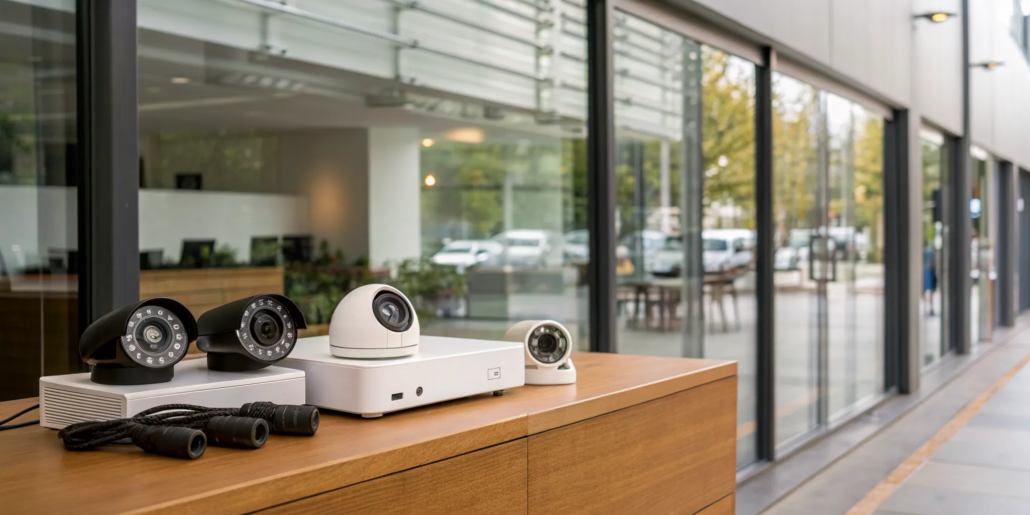
Not all surveillance devices are created equal. The type of unit you choose should match the specific area you need to monitor. A device that works perfectly for a front entrance might not be the best fit for a large warehouse or a discreet office space. Understanding the strengths of different styles—like dome, bullet, fisheye, and PTZ—is key to building a system that gives you the exact coverage you need, without any weak spots. Let’s look at the most common options so you can see what makes sense for your property.
Dome Units
Dome units are easily recognized by their circular, dome-shaped housing. This design makes them incredibly versatile and a popular choice for both indoor and outdoor settings. Their main advantage is subtlety; it’s difficult for people to tell which way the lens is pointing, which provides a broader sense of monitoring. This also makes them more vandal-resistant, as the protective dome shields the internal components from tampering or damage. Because they blend seamlessly into ceilings and overhangs, they are an excellent option for retail stores, offices, and reception areas where you want effective surveillance without an intimidating presence.
Bullet-Style Units
Bullet-style units are what most people picture when they think of a traditional surveillance device. Their long, cylindrical shape is highly visible, which acts as a powerful deterrent to potential intruders. These units are primarily designed for outdoor use, featuring durable, weatherproof casings that protect them from the elements. Their shape allows for larger lenses, giving them excellent long-range capabilities, making them ideal for monitoring parking lots, building perimeters, and entry points from a distance. If you want to make it clear that your property is protected, a bullet-style unit sends a strong message.
Fisheye Units
For covering a wide, open area without any blind spots, a fisheye unit is an incredible tool. As the name suggests, it uses a super wide-angle lens to capture a 180-degree or even 360-degree panoramic view from a single point. This makes them perfect for monitoring large indoor spaces like showrooms, warehouses, or open-plan offices with just one device. Instead of installing multiple units to cover every angle, a single fisheye can provide a complete overview, reducing equipment costs and simplifying your setup. The comprehensive view is also great for analyzing customer traffic flow in a retail environment.
Pan-Tilt-Zoom (PTZ) Units
Pan-Tilt-Zoom, or PTZ, units offer the ultimate in active monitoring. These devices aren’t fixed in one position; they can be remotely controlled to move horizontally (pan), vertically (tilt), and zoom in on specific details. This flexibility is invaluable for monitoring large areas like event spaces, loading docks, or expansive outdoor properties. An operator can follow a person or vehicle, zoom in to read a license plate, or investigate a specific incident in real-time. While they are a more advanced option, PTZ units provide a level of control and detail that fixed devices simply can’t match, making them a core component of many commercial security systems.
Choose the Right Storage: Cloud vs. Local
After your system records an event, where does the footage go? You generally have two options: local or cloud storage. Local storage means the video is saved on-site to a physical device, like a digital video recorder (DVR). Cloud storage sends your footage to a secure online server. Each has its benefits. Local storage is a one-time hardware cost, while the cloud offers remote access from anywhere and protects your recordings from on-site damage or theft. We can help you decide which security solution best fits your operational needs and budget.
Understanding Video Storage Timelines
One of the most common questions we get is about how long to keep recorded video. There isn’t a single right answer, as the ideal timeline depends on your business. Most systems retain footage for anywhere from 30 to 90 days, but this can change based on your industry’s specific needs. For example, businesses in highly regulated fields may be required to store footage for several months or even longer to meet compliance standards. It’s also important to consider practical uses, like having enough video history to investigate a slip-and-fall claim or an inventory discrepancy that isn’t discovered right away. We can help you figure out a retention schedule that protects your business without creating unnecessary data management headaches.
Access Your System Remotely from Your Phone
One of the most powerful features of a modern security system is the ability to check in on your business from anywhere. Remote mobile access lets you view live or recorded video directly from your smartphone, tablet, or computer. Whether you’re at home or on vacation, you can get instant alerts about unusual activity and see what’s happening in real time. This constant connection provides incredible peace of mind and control, allowing you to manage your business’s security with the tap of a button.
Exploring Advanced System Features
Beyond the basics of recording and playback, today’s top-tier security systems offer intelligent features designed to proactively protect your business. These advanced capabilities transform your system from a passive observer into an active guardian of your property. Instead of just providing evidence after an event, they can help deter threats in real time and ensure that help is always on the way, even if a burglar tries to disable the system. Understanding these features will help you see the full potential of a professionally designed security solution and how it can provide a much higher level of protection for your assets and employees.
AI Video Analytics
Imagine a system smart enough to know the difference between a person loitering after hours and a stray cat wandering through your parking lot. That’s the power of AI video analytics. This technology uses artificial intelligence to analyze video feeds in real time, identifying specific objects and behaviors. This means you can receive alerts for what truly matters—like a vehicle entering a restricted area—while ignoring insignificant motion that would otherwise trigger false alarms. Modern systems have made this sophisticated technology more affordable and user-friendly, giving business owners a powerful tool for monitoring their property with greater accuracy and less hassle.
Active Deterrents
While surveillance equipment is a known deterrent—with studies showing that 60% of burglars avoid businesses that have it—active deterrents take this a step further. These features are designed to stop an intruder in their tracks. When motion is detected in a secure area, the system can automatically trigger bright flashing lights, a loud siren, or even a pre-recorded audio warning. Some systems also include two-way audio, allowing you or a monitoring professional to speak directly to the person on your property. This shifts your security from reactive to proactive, scaring off potential threats before they can cause damage or loss.
Crash-and-Smash Protection
A common tactic used by intruders is to break in and immediately try to destroy the security system’s main control panel, hoping to stop it from sending an alarm signal. Crash-and-smash protection is designed to defeat this strategy. When a door or window sensor is tripped, the system starts a short countdown before sending a signal to the monitoring center. If the control panel is damaged or destroyed during that countdown, the system interprets it as a “crash-and-smash” event and immediately sends an alarm. This vital feature ensures that a distress signal gets through, providing an essential layer of defense for the systems and products that protect your business.
Subscription vs. One-Time Purchase: Which Is Better?
When you’re looking at surveillance systems for your business, one of the first big decisions you’ll face is how to pay for it. Should you buy the equipment outright with a one-time purchase, or should you go with a subscription-based service? Each path has its own benefits and drawbacks that can affect your budget, not just today but for years to come. Thinking through what’s included with each option will help you find the right fit for your business’s security needs and financial plans.
What’s Included in Professional Monitoring Services?
A subscription often includes professional monitoring, which is a huge advantage for any business owner. This means a team of trained professionals is keeping an eye on your property 24/7. If an alarm is triggered, they can verify the situation and dispatch emergency services much faster. These services typically include cellular backup, so your system stays online even if your internet connection goes down. According to security experts at SafeHome, features like video verification can lead to quicker emergency help. With a service like this, you’re not just buying equipment; you’re investing in constant peace of mind and a rapid response when it matters most.
The Pros and Cons of Standalone Systems
Standalone systems can seem appealing because they don’t have a monthly fee, which is a big draw if you’re trying to keep recurring costs low. You buy the equipment, set it up, and you’re done. However, the trade-off often comes with functionality. Many business owners find that the advanced features they really want, like cloud storage for video clips or smarter alerts, are locked behind a subscription paywall anyway. As one business owner on Reddit noted, avoiding a monthly fee can mean missing out on key features that make a security system truly effective. This can leave you with a system that doesn’t fully meet your needs.
How to Calculate the Long-Term Costs
When you map out your expenses, it’s important to look beyond the initial price tag. A quality system that has all the features you need will be an investment. While a standalone system might seem cheaper at first, you truly get what you pay for. If you end up needing to add subscriptions for cloud storage or other features later, those costs can add up unexpectedly. A comprehensive security service bundles the equipment, installation, and ongoing monitoring into a predictable monthly cost. This approach often provides better long-term value by ensuring your system is always working, supported by professionals, and equipped with the features you need to protect your business.
What Does a Business Surveillance System Really Cost?
When you’re budgeting for a business surveillance system, the initial price tag is only part of the story. The true cost includes the equipment itself, professional installation, and any ongoing service fees that might follow. For many small business owners, figuring out these expenses can be a real challenge, especially when you have limited funds and don’t have the resources to manage a complex installation. A system that seems cheap initially could end up costing more in the long run through repairs, replacements, or insufficient coverage that leaves you vulnerable. Understanding the complete financial picture upfront is key to choosing a system that protects your investment without costly surprises. It’s about finding a balance between affordability and reliability. A solid security setup is an essential business asset, not just an expense. Let’s break down the different costs you should consider so you can make a smart, informed decision for your business. We’ll look at the initial hardware and setup, what to watch for in monthly fees, and why investing in a professional-grade system is often the best move for long-term security and peace of mind.
Let’s Talk Equipment and Installation Fees
The first costs you’ll face are for the hardware and setup. This includes all the surveillance devices, monitors, and wiring needed to cover your property. While it’s tempting to choose the cheapest option, the quality of your systems and products directly impacts your security. Professional installation is just as important, ensuring every device is placed correctly for optimal coverage and that the system functions seamlessly. Investing in quality equipment and expert installation saves you from future headaches and potential vulnerabilities, giving you reliable protection you can count on.
Cost Estimates by Business Size
The size of your business is one of the biggest factors in determining the cost of a surveillance system. A small retail shop has very different needs than a sprawling warehouse, and the budget will reflect that. For a small business, you can generally expect an initial equipment cost between $500 and $2,000, with monthly monitoring services running from $30 to $80. As your business grows, so do your security needs. Mid-sized operations often require more equipment and advanced features, putting the initial investment in the $2,000 to $10,000 range, with monitoring fees from $80 to $250 per month. For larger enterprises, the investment starts at $10,000 for equipment and $250 or more for monthly monitoring. These ranges, which reflect typical investments needed for adequate coverage, are supported by industry analysis. While these figures give you a solid starting point for budgeting, a custom quote will always provide the most accurate picture for your specific needs.
Don’t Forget About Monthly Fees and Hidden Costs
Beyond the initial setup, many security systems come with recurring monthly fees. These charges often cover services like cloud storage for video footage, remote access, or professional monitoring. Some providers advertise a low upfront cost but make up for it with expensive, long-term contracts. Before you commit, always ask for a complete breakdown of all potential costs. A trustworthy provider will be transparent about their pricing. At American Alarm, we offer straightforward specials and clear pricing so you know exactly what you’re paying for, with no hidden surprises.
Professional vs. Consumer-Grade: Is It Worth the Investment?
You’ve likely seen consumer-grade security devices in stores, but they are rarely the right fit for a business. Systems designed for homes often lack the durability and advanced features needed for a commercial setting. It’s a classic case of “you get what you pay for.” Professional-grade systems are built to withstand the demands of a business environment and offer more reliable performance. While the initial investment might be higher, you’re paying for a robust solution that provides superior protection. Think of it as a long-term investment in your business’s safety. Our commercial services are designed to give you that professional-level security.
Employee Monitoring: Balancing Security and Privacy
While surveillance systems are excellent for protecting your property from external threats, they can also play a role in internal operations. However, monitoring employees is a sensitive area that requires a careful balance between security needs and your team’s right to privacy. It’s not about catching people in the act, but about creating a secure and accountable environment for everyone. When approached thoughtfully, monitoring can be a tool that protects both your assets and your staff. A transparent policy is your best friend here, ensuring that everyone understands the purpose of your security measures and feels respected rather than watched.
Common Monitoring Methods and Their Impact on Staff
When you hear the term ’employee monitoring,’ it might sound a bit intense, but it’s really about how businesses gather information to protect their operations. This practice, sometimes called corporate surveillance, can include everything from tracking computer activity and monitoring internet use to using access control systems to see who enters sensitive areas. While these tools are vital for security, it’s important to think about how they affect your team. Studies show that when employees feel they are being watched too closely, it can lead to discomfort and lower morale. The key is to use these systems as a tool for safety and accountability, not as a way to micromanage. A well-designed security plan protects the business without making your staff feel like they’re under a microscope.
Navigating Legal and Ethical Considerations
Implementing any kind of monitoring brings up important legal and ethical questions. There’s a fine line between protecting your business and infringing on your employees’ privacy. Laws like the National Labor and Relations Act (NLRA) provide certain protections for staff, so it’s crucial to have clear, transparent policies about what you monitor and why. This isn’t just about following rules; it’s about building trust. When your team understands that security measures are in place to protect everyone and the business itself—not to catch them making a mistake—they’re more likely to be on board. Getting expert advice on setting up systems like access control can help you meet your security goals while respecting your team’s privacy.
Can You Get Quality Security on a Small Business Budget?
Protecting your business is a top priority, but it often feels like you have to choose between what’s effective and what’s affordable. The good news is you don’t have to compromise. With a smart approach, you can implement a high-quality surveillance system that fits your budget and protects your hard work. It’s all about knowing where to invest and how to find value that grows with you.
Finding Affordable and Reliable Options
When you’re working with a tight budget, it’s tempting to grab the cheapest system you can find. But when it comes to security, the old saying “you get what you pay for” often holds true. An unreliable system isn’t much of a security measure at all. The key is to find a balance between cost and quality. Look for professional-grade equipment that’s built to last and provides clear, dependable monitoring. Working with a security partner can help you find solutions that fit your price point without sacrificing peace of mind. You can even find great value through seasonal specials and promotions.
How to Get the Best Value as Your Business Grows
Your security system should be able to grow with your business. A scalable solution allows you to start with what you need now and add more components later as your needs change or your budget allows. Modern systems, especially those using cloud technology, make this process simple. Some advanced systems and products also offer business analytics that can provide insights into customer traffic and operational efficiency. This turns your security system into a multi-purpose tool that delivers value far beyond surveillance, making it a smarter long-term investment for your company.
When Should You Invest in Premium Features?
It’s easy to get overwhelmed by all the high-tech features available, but you don’t need every single bell and whistle to be secure. The most important investment is in a system that covers your specific vulnerabilities effectively. This starts with strategic placement of your surveillance units. A professional consultation can help you identify critical areas and design a layout that maximizes coverage, ensuring no blind spots. Instead of spending on features you may not use, focus on getting the fundamentals right. A professionally installed system tailored to your space is always a worthwhile investment. You can contact us to discuss your unique business needs.
How Many Security Points Do You Really Need?
Deciding on the right number of surveillance devices for your business can feel like a guessing game, but it’s more about strategy than a magic number. Every business is different, from a small retail shop in Buckhead to a sprawling warehouse near the airport. The key isn’t to have the most devices, but to have them in the right places. A well-planned system with a few strategically placed units will always outperform a dozen poorly located ones. Think of it as creating a complete field of vision over the areas that matter most. To figure out your ideal setup, you’ll want to walk through your property, plan your layout, and match it all to your budget.
How to Identify Your Property’s Vulnerable Areas
First, put on your detective hat and take a walk around your property. Try to see it from the perspective of someone looking for an easy target. Where are the weak spots? Start with the obvious: all entry and exit points, including front doors, back doors, and any ground-floor windows. Don’t forget less-obvious spots like loading docks, alleyways, or isolated parking areas. Inside, identify your high-value zones. This includes the cash register, safes, server rooms, and inventory storage areas. Assessing your security needs based on your specific location and layout is the most critical first step toward creating a truly secure environment.
Strategize Your Indoor and Outdoor Placement
Once you’ve identified your critical zones, you can map out a placement strategy. The goal is to create overlapping fields of view that eliminate blind spots, both inside and out. For the exterior, you’ll want devices that monitor parking lots and building perimeters, paying special attention to entrances. Inside, focus on covering those high-value areas you pinpointed earlier. The effectiveness of your system truly starts with placement. That’s why consulting with security professionals who understand the unique challenges of a business environment is so important. We can help ensure no critical spot is overlooked, giving you total peace of mind.
How to Balance Full Coverage with Your Budget
As a business owner, you know everything comes down to the bottom line. While it’s tempting to grab a few consumer-grade devices from a big-box store, they often lack the advanced features and durability that a commercial property requires. Investing in a professional-grade system means you’re getting reliable equipment built to protect a business. The best approach is to prioritize your most vulnerable areas first. You can secure your main entry points and cash wrap now, and then expand your commercial security system as your business grows. This way, you get the protection you need without overstretching your budget.
Don’t Fall for These Common Security System Myths
When it comes to protecting your business, a little misinformation can go a long way, and not in a good direction. Making decisions based on outdated ideas or false assumptions can leave your property vulnerable. Let’s clear up a few common myths so you can choose your security system with confidence.
Myth: Old-School CCTV Is Just as Good
It’s easy to think that any video recording system is better than nothing, but relying on traditional CCTV is a major security misstep. While it might have been the standard years ago, modern surveillance technology offers critical features that older systems just can’t match. Think remote access from your phone, secure cloud storage, and much clearer images. These advancements aren’t just bells and whistles; they provide more reliable evidence and greater peace of mind. Sticking with outdated tech means you’re missing out on a more effective and convenient way to protect your business.
NVR vs. DVR: Understanding the Core Technology
The technology that records and stores your video footage is just as important as the surveillance units themselves. The two main types are Network Video Recorders (NVR) and Digital Video Recorders (DVR). NVR systems are the modern standard, designed to work with digital IP devices to deliver high-definition video and audio. In contrast, DVR systems are older tech that pairs with analog equipment, often resulting in grainy footage and limited features. NVRs also offer more flexibility, using a single Ethernet cable for both power and data, which simplifies installation. This technology also makes it easy to access your footage remotely, a feature rarely available with older DVR setups. For any new business security setup, an NVR system is the clear choice for better performance and scalability.
Myth: A Home System Works for a Business
Using a residential security system for your business might seem like a clever way to save money, but it’s a gamble. The security needs of a business are completely different from those of a residence. Commercial properties are often larger, have more entry points, and face unique risks. Commercial security systems are built to handle these demands with equipment designed for wider coverage and features tailored to a business environment. A system made for a house simply won’t provide the robust protection your livelihood requires.
Myth: Higher Resolution Always Means Better Quality
Everyone wants a crisp, clear picture, so it makes sense to assume that the highest resolution is always the best choice. While resolution is important, it’s only one piece of the puzzle. The quality of the lens, the system’s performance in low light, and even where the device is placed have a huge impact on the final image. A well-positioned system with a quality lens can easily outperform a high-resolution one that’s poorly installed. Getting a professional assessment ensures all these factors work together to give you a truly effective setup.
How to Integrate Your Surveillance with Other Security Systems
Your surveillance system becomes even more powerful when it works with your other security components. Integrating your systems creates a smarter, more responsive safety net for your business. This connected approach gives you a complete view of what’s happening on your property, helping you respond faster to any event, from an unauthorized entry to a fire alarm. It turns individual tools into a cohesive solution that protects your property, employees, and assets.
Linking with Your Access Control System
Pairing your surveillance system with access control is a game-changer for managing who comes and goes. When someone uses a key card or code, the system can show you the live video of that doorway, allowing you to instantly verify the right person is entering. This creates a clear visual record of every entry and exit, which is an effective way to prevent unauthorized access and simplify incident investigations. You’ll see exactly who opened a door and when, adding a powerful layer of accountability to your security.
Pairing with Your Fire and Safety Alarms
Connecting your visual monitoring equipment to your fire alarm services provides critical context during an emergency. When a smoke or heat detector is triggered, an integrated system can provide a live video feed of the area. This visual information is invaluable for first responders, allowing them to assess the situation before they arrive. After the event, a video record can be essential for insurance claims and understanding what happened. It transforms a simple alarm into a detailed, actionable report that helps protect your people and property more effectively.
Wired vs. Wireless: Which Setup Is Right for You?
Deciding between a wired or wireless setup depends on your building’s layout and business needs. Wired systems are known for their steadfast reliability. Since they are physically connected, they offer a stable connection and constant power for uninterrupted recording, making them a great long-term solution. On the other hand, wireless systems and products offer incredible flexibility. Installation is simpler, and you can easily move or add equipment as your business grows. We can help you determine which option provides the best balance of performance and practicality for your unique space.
Related Articles
- Business Security Atlanta: A Complete Guide
- Commercial Alarm & Camera Systems in Atlanta | American Alarm Corp, Inc
- 6 Best Commercial Security Systems Companies of 2026
- Best Commercial Alarm Systems in Atlanta | American Alarm
Frequently Asked Questions
What’s the most important feature I should look for in a business surveillance system? While there are many great features, the non-negotiables are crystal-clear video quality, reliable night vision, and remote mobile access. High-resolution video ensures you can actually identify important details if an incident occurs. Night vision provides uninterrupted protection after hours, and remote access gives you the peace of mind that you can check on your business from anywhere, at any time, right from your phone.
Is a professional installation really worth the cost? Absolutely. A professional installation is about more than just mounting the equipment. An expert will assess your property to identify vulnerabilities you might have missed, ensuring every device is placed for maximum coverage. This strategic setup eliminates blind spots and guarantees the system works correctly from the start, which is a level of reliability and expertise that is difficult to achieve on your own.
How can I get a good security system if my budget is tight? You don’t have to secure your entire property all at once. The best approach is to start by protecting your most critical areas, like entrances, cash registers, and inventory storage. A scalable system allows you to begin with a solid foundation and then add more components as your business grows and your budget allows. Working with a security partner can help you create a phased plan that provides effective protection now and for the future.
What’s the difference between local storage and cloud storage? The main difference is where your video footage is saved. Local storage uses an on-site device, like a digital video recorder, to hold your recordings. This is typically a one-time hardware cost. Cloud storage sends your footage to a secure online server, which protects your data from being stolen or damaged on-site. The cloud often comes with a subscription but provides the flexibility to access your recordings from anywhere.
Why should I choose a local Atlanta provider over a big national company? A local provider understands the unique security challenges that businesses in the Atlanta area face. They can offer a more personalized assessment and a system designed specifically for your environment. You also benefit from having an accountable, accessible partner in your community for ongoing support and service, rather than dealing with a distant call center. It’s about building a relationship with someone who is invested in your success.


Leave a Reply
Want to join the discussion?Feel free to contribute!