
Fire Alarm Monitoring Cost: A Complete Breakdown
That low monthly fee you see advertised? It’s rarely the whole story. Many alarm monitoring services have hidden costs, from activation fees and equipment repair charges to steep penalties for canceling your contract early. These unexpected expenses can make a seemingly affordable plan much more costly. To understand the true fire alarm monitoring cost, you have to know what questions to ask. We’ll uncover the most common hidden fees and show you how to spot them, ensuring you partner with a transparent provider who puts your safety and your budget first.
Key Takeaways
- Focus on value over the lowest price: A fair price for quality monitoring is typically between $30 and $60 per month. Be cautious with unusually low rates, as they can hide extra fees or signal poor service.
- Understand what shapes your bill: Your final monthly cost is influenced by your system’s connection type, how you handle equipment costs, and any extra features you choose for customized protection.
- Actively look for ways to save: You can often lower your overall expense by asking about new customer promotions and calling your insurance agent, since many providers offer discounts for professionally monitored systems.
What is Alarm Monitoring and Why Does It Matter?
So, you have a security system installed. The sensors are on the doors and windows, and the keypad is by the door. But what happens when an alarm actually goes off? That’s where alarm monitoring comes in. Think of it as the essential service that connects your system to a real, live response. Without monitoring, an alarm is just a loud noise that might scare off an intruder, but it doesn’t guarantee that help is on the way. It’s the critical step that turns a simple alert into a coordinated, professional response, ensuring your home or business is protected around the clock. Understanding your options is the first step toward true security.
The Stakes: Why Professional Monitoring is Crucial
When an alarm sounds, professional monitoring ensures it’s more than just a deterrent. A team of trained professionals is immediately alerted, 24/7, ready to assess the situation and contact emergency services on your behalf. This constant vigilance is what truly protects your business and the people inside. While it’s tempting to focus solely on the monthly fee, remember that you’re investing in reliability. Choosing the cheapest option might seem smart upfront, but a dependable system that meets all safety regulations is what provides real peace of mind. A quality monitoring service keeps your system effective and ensures you’re always protected, turning a simple alert into a powerful response when it matters most.
Professional vs. Self-Monitoring: Which is Right for You?
When it comes to monitoring, you have two main paths. With self-monitoring, you’re in the driver’s seat. If a sensor is triggered, you get an alert sent directly to your phone. From there, it’s up to you to check on the situation and call for help if you need it. On the other hand, professional monitoring means a dedicated company is watching over your system 24/7. When an alarm sounds, a trained professional at a central station verifies the alert and immediately contacts the police or fire department for you. It’s the difference between managing alerts yourself and having a team of experts ready to handle emergencies on your behalf.
The Real Value of 24/7 Protection
The biggest advantage of professional monitoring is the constant peace of mind it provides. You can’t be available to check your phone every second of the day. What if an alarm goes off while you’re in a meeting, on a flight, or sleeping? With a 24/7 monitoring service, you know someone is always there to respond. This level of reliability is why it’s often called the “gold standard” of security. Plus, just having a sign in your yard from a trusted local provider can be a powerful deterrent. It tells potential intruders that your property is not an easy target, adding a layer of proactive protection before an incident ever occurs.
How Much Does Alarm Monitoring Cost Per Month?
When you start looking at alarm monitoring, you’ll find that monthly prices can vary quite a bit. Generally, homeowners and businesses can expect to pay anywhere from $20 to over $100 per month. That’s a wide range, right? The final number on your bill depends on the level of protection you choose, the equipment you have, and the company you work with.
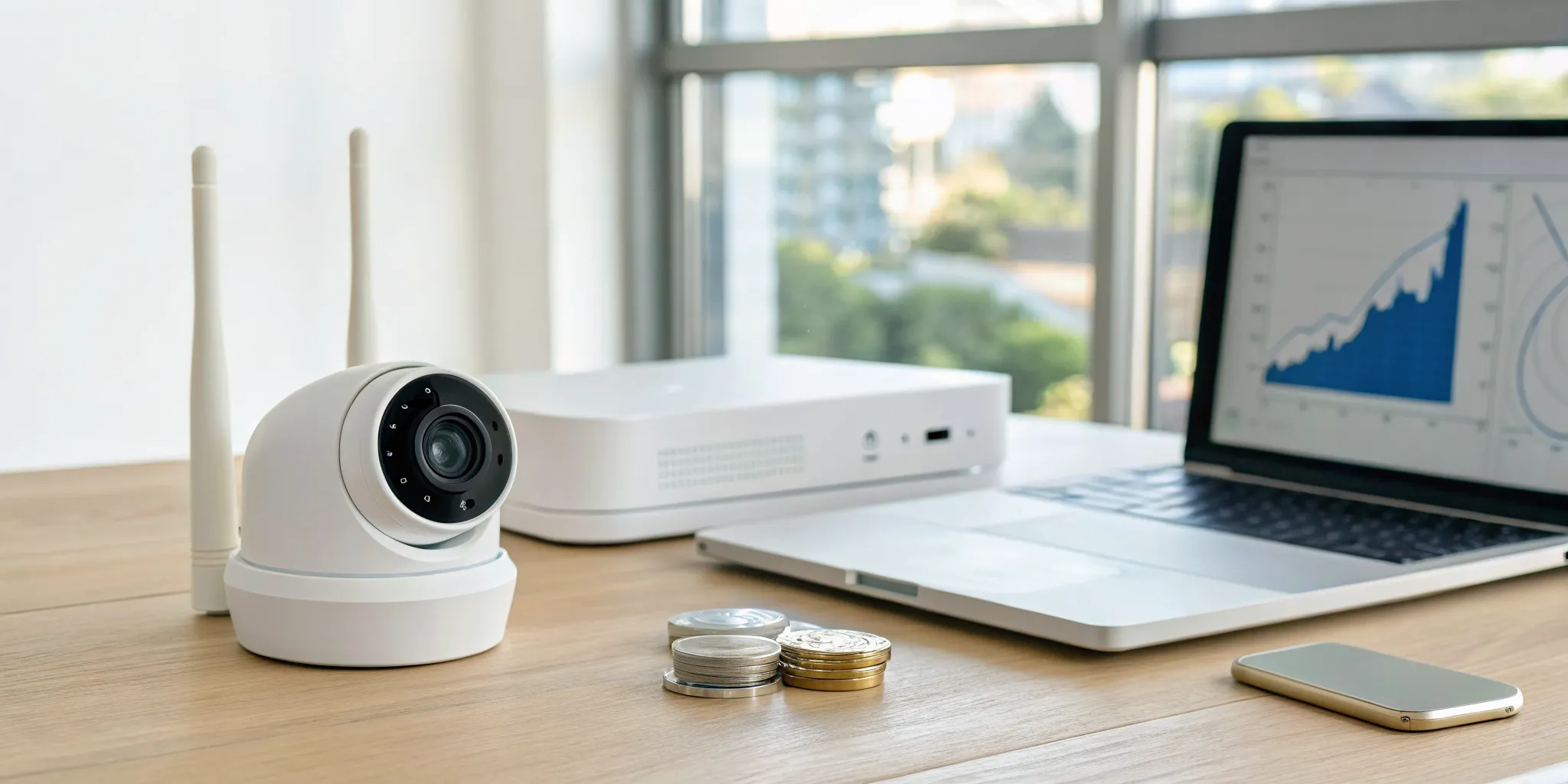
Summary: Monthly alarm monitoring costs range from $20 to over $100 depending on your connection type, equipment, and features. American Alarm offers transparent pricing starting at $18.95/month for landline reactivation and $29.95/month for cellular monitoring.
Get a Clear Atlanta Alarm Monitoring Quote
Compare your current monitoring bill with a plan built around your property, connection type, and coverage needs. American Alarm provides local 24/7 monitoring for homes and businesses across Atlanta and North Georgia.
Request a monitoring quote or call (770) 645-0061.
Think of it like a phone plan. A basic plan that just covers calls and texts is going to cost less than a plan with unlimited data and a new phone. Security monitoring works the same way. Let’s break down what you can expect at different price points so you can find the right fit for your budget and your peace of mind.
What Do Basic Plans Actually Cover?
On the lower end of the spectrum, you’ll find basic monitoring plans. These typically cost between $20 and $60 per month. For this price, you’re getting the core service: 24/7 professional monitoring that ensures a trained dispatcher is ready to respond if your alarm is triggered. These plans are a fantastic, affordable way to get essential protection for your home or business. They usually cover standard sensors like door and window contacts and motion detectors. This level of service provides a solid foundation of security, making sure someone is always watching over your property, even when you can’t.
Are Premium Monitoring Plans Worth the Upgrade?
If you’re looking for more advanced features, you’ll want to explore premium monitoring options. These plans can range from about $40 to $80 or more per month. The higher price tag comes with added capabilities that enhance your security and convenience. This often includes cellular communication, which keeps your system connected even if the phone or internet lines are down. Premium plans may also include smart home integration, remote access via a mobile app, and support for additional systems and products like smoke detectors or access control. These features give you more control and a more comprehensive safety net.
Upfront Costs vs. Monthly Fees: Finding the Right Balance
One of the biggest decisions you’ll make is how to handle the cost of the equipment itself. Many security providers give you a choice. You can purchase your equipment upfront, which usually leads to a lower monthly monitoring fee. Alternatively, if you prefer not to make a large initial investment, you can finance the equipment. This spreads the cost out over time by rolling it into your monthly bill, which will naturally be higher. Keep an eye out for companies that offer equipment bundles or special promotions, as this can be a great way to get the system you need at a more manageable price.
What Factors Influence Your Monitoring Bill?
When you start looking at alarm monitoring plans, you’ll notice that the prices can vary quite a bit. It’s not random; several key factors determine your final monthly cost. Understanding these components helps you see exactly what you’re paying for and allows you to build a plan that fits your budget without sacrificing protection. From the technology connecting your system to the monitoring center to the specific features you choose, every element plays a role. Let’s break down the main factors that shape your monitoring bill.
Summary: Your monitoring bill depends on your system connection type (landline, cellular, or VoIP), the equipment you choose, optional features, and property size. Understanding these factors helps you build a plan that fits your budget.
How Much Does Commercial Alarm Monitoring Cost for Atlanta Businesses?
Atlanta business owners often ask: What should we expect to pay for commercial alarm monitoring? For most businesses, the answer depends on system size, connection type, and whether you need fire alarm integration. American Alarm offers commercial monitoring starting at competitive rates with no hidden fees. Our NICET IV certified team designs systems that meet Atlanta fire codes and insurance requirements. Contact us for a custom quote tailored to your commercial property.
Breaking Down Commercial Fire Alarm Costs
For any business owner, keeping your people and property safe from fire is a top priority. A reliable fire alarm system is a non-negotiable part of that commitment, but figuring out the budget can feel like a huge task. The total cost isn’t just a single price tag for equipment; it’s a combination of professional installation, ongoing 24/7 monitoring, and the regular maintenance needed to keep everything working perfectly. To make an informed decision, you need a clear picture of all the expenses involved, from the initial setup to the long-term upkeep. Let’s break down the typical costs so you can confidently plan for a system that protects your business without any financial surprises.
Summary: Commercial fire alarm costs include installation ($0.50-$1.00/sq ft), monthly monitoring ($50-$100), and annual maintenance ($300-$800). American Alarm provides NFPA-compliant systems with flat-rate service and no hidden fees.
Installation and Upfront Costs
Your initial investment is primarily shaped by your building’s size and layout. A good rule of thumb for basic installation is between $0.50 and $1.00 per square foot. So, a small 1,000-square-foot office might see an upfront cost of $500 to $1,000, while a 10,000-square-foot retail space could range from $5,000 to $10,000. For buildings with more complex needs, professional design and setup can start around $1,000 and go up significantly from there. This isn’t just about mounting hardware; it’s about strategic placement and expert wiring to ensure your system provides total coverage and meets all local fire codes, which is critical for both safety and compliance.
Monthly Monitoring Fees for Businesses
After installation, your monthly monitoring fee is the ongoing investment that keeps your business protected around the clock. Most businesses can expect this service to cost between $50 and $100 per month. This fee connects your system to a professional monitoring station where trained dispatchers are ready to act the second an alarm is triggered. They verify the emergency and immediately contact the fire department, ensuring a fast response even if you’re not on-site. The final price depends on your property’s size and the system’s complexity, but this consistent oversight is what turns your alarm from a simple noise into a life-saving service that minimizes damage and protects what you’ve built.
Ongoing Maintenance and Inspection Fees
A fire alarm system needs regular attention to stay reliable. Think of it like routine maintenance on a company vehicle-it’s essential for performance and safety. Annual inspections, which typically cost between $300 and $600, are crucial for making sure every component works as it should. You should also budget for routine upkeep and repairs, like cleaning detectors or replacing batteries, which can run from $200 to $800 per year. Partnering with a provider for professional NFPA fire alarm services is the best way to handle this. It keeps your system compliant with local regulations, helps you avoid potential fines, and gives you confidence that your protection is always ready to perform.
A Look at Individual Equipment Costs
The hardware is the backbone of your fire alarm system, and your total upfront cost is the sum of these individual parts. Getting familiar with the typical price of each component helps you make sense of your installation quote and see exactly where your investment is going. Every piece of equipment, from the central control panel that acts as the system’s brain to the detectors, pull stations, and notification devices placed throughout your building, has a specific job. Understanding their roles and costs allows you to have a more productive conversation with your security provider about building a system that provides complete coverage without unnecessary expenses. Let’s look at the key components.
Fire Control Panel
Think of the fire control panel as the system’s command center. It’s the central hub that connects and manages every other device, from smoke detectors to notification horns. This is the component that receives an alert from a sensor, activates the building’s alarms, and sends the critical signal to the 24/7 monitoring station. Because it plays such a vital role in coordinating the entire response, it represents a significant part of your initial hardware investment. You can expect the cost for a reliable commercial-grade panel to range from $1,500 to $5,000, depending on the size and complexity of your system.
Smoke and Heat Detectors
Your detectors are the eyes and ears of the fire alarm system, providing the first warning of danger. Smoke detectors are the most common type, designed to sense smoldering fires, and typically cost between $50 and $150 per unit. In areas where normal operations might create smoke or dust, like a commercial kitchen or a workshop, heat detectors are a better fit. These devices react to a rapid rise in temperature and usually range from $60 to $200 each. A professional will help you determine the right mix of both types to ensure your property has comprehensive and accurate fire detection without frustrating false alarms.
Notification Devices and Pull Stations
Once a fire is detected, the system’s job is to get everyone out safely. That’s where notification devices come in. These are the horns, bells, and strobe lights that create an unmistakable alert, costing between $50 and $300 per device. They are strategically placed to ensure the alarm is heard and seen throughout the entire building. In addition, manual pull stations provide a way for anyone who spots a fire to activate the alarm immediately. These are a simple but essential part of your system’s design, and they are relatively inexpensive, typically costing between $40 and $100 each.
What Factors Influence Your Monitoring Bill?
Your final monthly monitoring bill isn’t a one-size-fits-all price; it’s tailored to the specific security plan you build. One of the biggest factors is how your system communicates with the monitoring center. Traditional systems often use a landline, but a more reliable and popular choice is a cellular connection. A cellular communicator ensures your system stays online even if a phone line is cut or the power goes out, providing a much more secure link to help. This added layer of reliability often comes with a slightly higher monthly fee, but it’s a worthwhile investment for uninterrupted protection. The type of connection you choose forms the foundation of your monitoring plan and its cost.
Beyond the connection type, the specific systems and products you integrate will also shape your bill. A basic plan might cover standard intrusion detection, but your costs will adjust as you add more layers of protection. For example, incorporating fire alarm monitoring, flood sensors, or an advanced access control system will expand your coverage and be reflected in the monthly fee. Features that add convenience, like remote system control through a mobile app or smart home integrations, also contribute to the final price. Ultimately, your bill is a direct reflection of the level of security and control you want, allowing you to create a customized plan that fits your exact needs.
Does Your System’s Connection Type Matter?
One of the biggest factors in your monthly cost is how your alarm system communicates with the monitoring station. A traditional landline connection is often the most budget-friendly option, but it has a significant vulnerability: if the line is cut, the connection is lost. For more reliable security, many people choose a cellular connection. This method uses the same technology as your cell phone to send signals, making it more secure. Because of this enhanced reliability, cellular monitoring plans typically have a higher monthly fee, but they provide an extra layer of assurance that your system will always be connected when it matters most.
A Note on VoIP and Modern Connections
Many homes and businesses now use Voice over Internet Protocol (VoIP) for phone service, which works through your internet connection. It’s important to know that this isn’t the same as a traditional landline when it comes to your security system. VoIP relies entirely on your internet and power supply. If there’s a power outage or your internet service is interrupted, your alarm system could lose its ability to communicate with the monitoring station. This potential gap in protection is a significant reason why many people opt for more reliable connection methods. When you’re setting up your security monitoring service, it’s essential to discuss your connection type to ensure you have a dependable link to help when you need it.
How Equipment Choices and Financing Impact Your Cost
The hardware itself is another piece of the pricing puzzle. Some people prefer to purchase their security equipment outright, which means a higher initial investment but a lower monthly monitoring bill. Alternatively, you can finance the equipment and roll the cost into your monthly payments. This approach makes getting started more affordable since you avoid a large upfront expense. When you see a monitoring plan, it’s always a good idea to ask how the cost of the systems and products is handled. This will help you understand the total long-term cost and choose the financing option that works best for you.
Understanding Contract Lengths and the Fine Print
The length of your agreement can also affect your monthly rate. While some providers require long-term contracts, others offer more flexible terms. Often, signing up for a longer contract can secure you a lower monthly price, as it provides more predictability for the security provider. On the other hand, a shorter-term or month-to-month plan might offer more flexibility if your living situation could change, though the monthly cost may be slightly higher. It’s all about finding the right balance between commitment and cost. We recommend discussing your needs with a provider to find a plan that fits your life.
The Real Cost of Optional Features and Add-Ons
A basic monitoring plan covers the essentials, but you can often add extra features for more comprehensive protection. Services like smart alerts sent directly to your phone, video recording storage, or specialized fire alarm services can be included in your plan. These add-ons typically increase your monthly bill by a small amount per feature. While they do add to the cost, they also allow you to customize your security setup to perfectly match your property’s unique needs. Think about which additional features would give you the most peace of mind and factor them into your budget.
How Property Details Impact Pricing
The unique characteristics of your property play a significant role in determining your monitoring costs. A small retail shop with one entrance will have different security needs than a sprawling office building with multiple access points. The size and layout of your space directly influence the number of sensors and devices required for complete coverage. A larger or more complex property will naturally need more equipment to secure all windows, doors, and vulnerable areas. This increase in devices means more signals for the central station to monitor, which is often reflected in a higher monthly fee. Your location can also be a factor, as local regulations and response protocols can vary.
The Role of System Type in Overall Cost
Not all security systems are created equal, and the type of system you choose is a major driver of your overall monitoring cost. A straightforward intrusion detection system that only monitors for break-ins will be on the more affordable end of the spectrum. However, if you need a more comprehensive solution, the price will adjust accordingly. Integrating specialized services like NFPA-compliant fire monitoring or sophisticated access control systems adds layers of complexity. The monitoring station is responsible for handling a wider variety of signals, from smoke detection to unauthorized entry attempts, which requires more advanced technology and trained personnel, impacting the final monthly price.
How to Choose the Right Monitoring Provider
Selecting the right monitoring provider is just as important as choosing the right equipment. The company you partner with is your direct link to emergency services, so you need to be confident in their ability to respond effectively when it matters most. While price is certainly a factor, it shouldn’t be the only one. A provider’s reputation, experience, and customer support are all critical components of the value they offer. Before you sign a contract, it’s wise to look into a few key areas to ensure you’re partnering with a company that is reliable, transparent, and truly dedicated to your safety. A little research upfront can make all the difference in your long-term peace of mind.
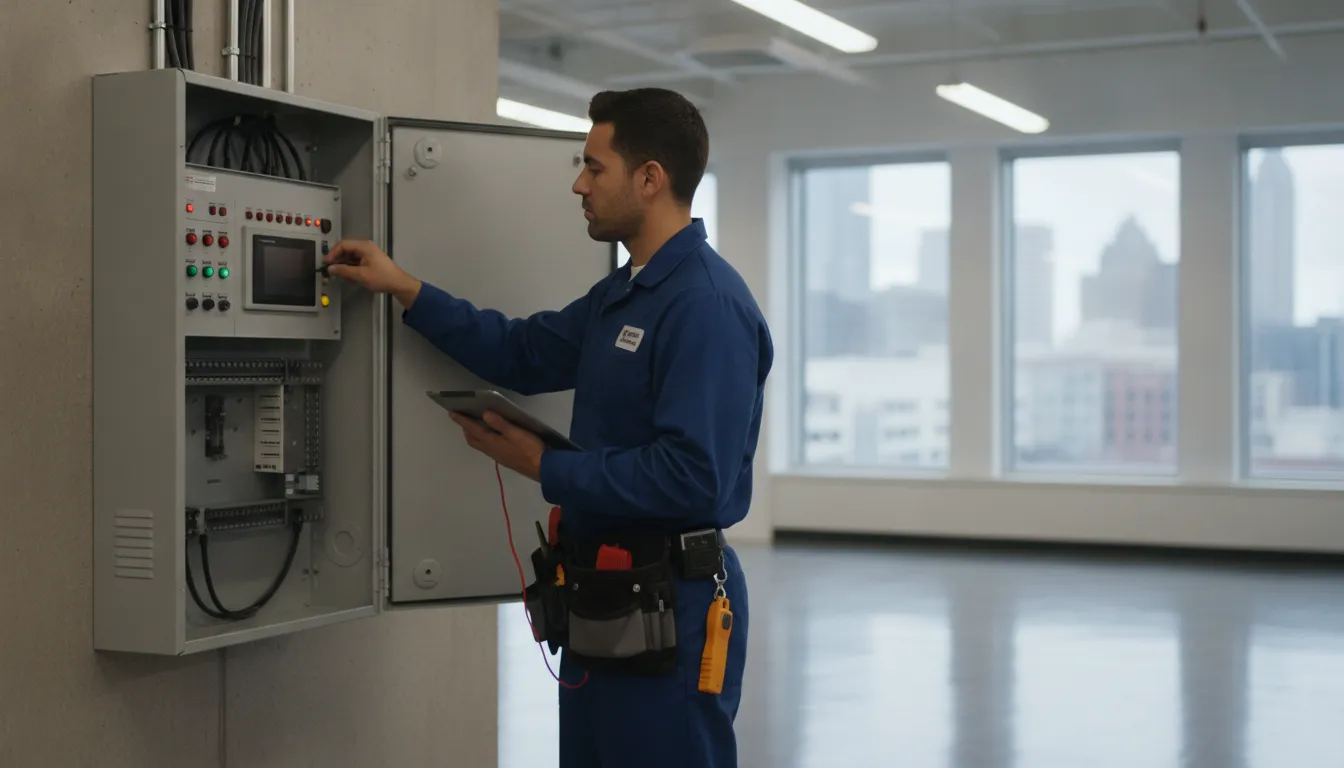
Summary: Choose a provider with fast response times, proper licensing (NFPA compliance), transparent pricing, and local service. American Alarm has been serving Atlanta since 1995 with NICET IV certified expertise.
Evaluating Response Time and Reliability
When an alarm is triggered, every single second counts. The primary reason for investing in professional monitoring is to ensure a swift and effective response to any emergency. A key question to ask any potential provider is about their average response time-the time it takes for a dispatcher to receive an alert, verify it, and contact the authorities. A reliable company will have a well-defined process for quickly assessing the situation to minimize false alarms while ensuring that real threats are addressed immediately. This rapid reaction can be the deciding factor in preventing significant loss or damage, making it one of the most critical aspects of any monitoring service.
Ensuring Compliance and Proper Licensing
For both homeowners and especially business owners, ensuring your security provider is fully licensed and compliant with local and national regulations is non-negotiable. Many municipalities have specific codes and standards for alarm systems, particularly for fire protection. Working with a provider who understands and adheres to these rules, such as the standards set by the National Fire Protection Association (NFPA), guarantees that your system is installed correctly and will pass any required inspections. A properly licensed company like American Alarm demonstrates a commitment to professionalism and safety, giving you confidence that your property is protected to the highest standard.
Why You Should Get Multiple Quotes
Just as you would with any significant investment, it’s smart to shop around before settling on an alarm monitoring provider. The best way to get a clear picture of your options and find a fair price is to request quotes from at least three different reputable companies. Be wary of any provider that gives you a quote over the phone without seeing your property. A true professional will want to conduct a site survey to assess your specific needs and vulnerabilities. This allows them to recommend the right equipment and provide an accurate, detailed estimate. We encourage you to reach out to us for a comprehensive evaluation as you gather your quotes.
How to Compare Alarm Monitoring Prices
When you start shopping for alarm monitoring, it’s easy to focus on the monthly fee. But comparing prices is about more than just finding the lowest number; it’s about understanding the true value you’re getting. A low price might hide long-term contracts or limited support, while a high price doesn’t always guarantee better service. To make a smart decision, you need to look at the complete picture. This means considering the company’s pricing philosophy, how they stack up against national brands, and the benefits of a local provider. We’ll walk through what to look for so you can choose the right services for your home or business.
How American Alarm Approaches Pricing
We believe that feeling safe shouldn’t come with a hefty price tag. Unlike national providers that hide fees in the fine print, we publish our prices clearly. Alarm reactivation monitoring starts at just $18.95/month for landline connections, and we activate your existing alarm equipment for free. New wireless systems with cellular monitoring start at $26.95/month (3-year agreement) or $29.95/month with zero down. Interactive mobile-app features add just $5/month. Need a service visit? Our flat-rate residential service call is $69 – not the $200+ many national companies charge. We make top-tier protection accessible to every Atlanta family and business. View our current specials.
Compared with national security companies, you’ll find a wide range of prices. Monitoring plans can start as low as $20 per month but quickly climb to $60 or even over $100. Typically, homeowners can expect to pay between $30 and $60 per month. These higher costs often bundle in equipment financing or features you may not need. While these companies have a big marketing budget, their one-size-fits-all plans don’t always offer the best value for your specific systems and products. Always compare their bundled costs against a straightforward monitoring fee.
The Hidden Benefits of Choosing a Local Provider
There’s a distinct advantage to working with a local security provider. We’re not just a voice on a national hotline; we’re your neighbors. As an Atlanta-based company, we have a deep understanding of the community and can offer more personalized service. When you need support, you’re talking to someone who knows the area. We’ve been About American Alarm protecting Atlanta homes and businesses since 1995, building relationships on trust and reliability. Choosing a local company means investing in your community and receiving service from people who are just as invested in your safety.
Watch Out for These Hidden Alarm Monitoring Costs
The monthly monitoring fee is what most people focus on, but it’s often just one piece of the puzzle. Some alarm companies advertise a low monthly rate, only to surprise you with extra charges tucked away in the fine print. Understanding the full cost of your security system means looking beyond the advertised price and asking about the fees that aren’t always front and center. Being aware of these potential costs from the start helps you find a solution that’s genuinely affordable and protects your budget as well as your property.
A truly transparent provider will be upfront about all potential expenses, from setup to long-term maintenance. Misleading contracts can include hidden clauses or vague terms that lead to unexpected costs down the line. Before you commit, it’s wise to get a complete picture of what you’ll be paying for. This proactive approach ensures you choose a security partner who values honesty and helps you feel confident in your investment.
Don’t Forget About Installation and Activation Fees
That “free installation” offer can sometimes be misleading. While the technician’s time might be covered, you could still face separate activation fees just to get your system turned on and connected to the monitoring center. Some contracts also have vague clauses about setup charges that can lead to unexpected bills. Before you sign anything, make sure you get a clear, itemized list of all upfront costs. It’s always a good idea to ask directly: “Are there any activation, setup, or installation fees I should be aware of?” This helps ensure there are no surprises on your first bill.
What Happens When Equipment Needs a Repair?
When a sensor or keypad stops working, you need it fixed quickly, but who pays for it? Some monitoring agreements don’t fully cover equipment issues. You might find yourself paying for service calls, replacement parts, or even routine maintenance on the hardware. These service fees can add up, turning a reliable system into a financial headache. Always ask about the warranty and what it includes. Understanding the company’s policy on alarm repair and replacement will save you from unexpected expenses down the road and ensure your system stays in top condition without breaking the bank.
The High Cost of Early Termination Penalties
Signing a long-term contract can sometimes lower your monthly payment, but it can also lock you in with hefty penalties if you need to cancel. If you move or find that the service isn’t meeting your expectations, you could be on the hook for a significant portion of the remaining contract value. These early termination fees can be quite steep, so it’s crucial to understand the terms before you commit. Don’t hesitate to ask about the cancellation policy and what your options are. A reputable provider will be transparent about their terms, giving you confidence in your decision.
Debunking Common Myths About Monitoring Costs
When you start looking into alarm monitoring, you’ll quickly run into a lot of opinions and “common knowledge” about the costs. The truth is, many of these ideas are outdated or just plain wrong. Let’s clear up a few of the biggest myths so you can approach your decision with confidence.
Is More Expensive Really Better?
It’s easy to assume that a higher price tag means better protection, but that’s not always the case. Thanks to modern technology, reliable and effective security systems are more affordable than ever. The idea that quality monitoring has to be expensive is a common misconception. Today, there’s a wide range of security services available that can fit almost any budget, whether you’re securing your home or your business. The key is to find a provider that offers the specific protection you need without charging for unnecessary extras.
Are Long-Term Contracts a Trap?
The fear of being locked into a multi-year contract is a major hesitation for many people, and it’s completely understandable. No one wants to feel trapped. While some national brands are known for their rigid, long-term agreements, you don’t have to sign one to get great service. Many providers, especially local companies, offer much more flexibility. You should always look for a plan that fits your life and your needs without locking you in for years on end. Don’t be afraid to ask a provider directly about their contract terms and options.
The Myth of “Free” Equipment Bundles
You’ve probably seen the ads: “Get a free system!” It sounds like an amazing deal, but it’s important to look closer. Often, the cost of that “free” equipment is simply rolled into a higher monthly monitoring fee or a lengthy, iron-clad contract. These deals can also come with hidden clauses, like steep cancellation penalties or unexpected usage charges. Always read the fine print and ask for a clear breakdown of all costs. A straightforward offer from a transparent company will always be a better value than a “free” deal with strings attached.
How to Save Money on Alarm Monitoring
Investing in professional alarm monitoring doesn’t have to break the bank. With a few smart strategies, you can secure your property and keep your monthly costs manageable. It’s all about knowing where to look for savings and understanding the value you’re getting. By being a savvy shopper, you can find a high-quality service that fits comfortably within your budget. Here are a few practical ways to save on your monitoring service without compromising on protection.
Can Alarm Monitoring Lower Your Homeowner’s Insurance?
One of the best, and often overlooked, ways to offset the cost of alarm monitoring is through your homeowner’s insurance. Many insurance providers offer substantial discounts, typically ranging from 5% to 20%, for homes with professionally monitored security. Why? Because a monitored system reduces the risk of theft, fire, and other emergencies, which means fewer potential claims for them to pay. It’s a win-win. Once your security system is installed, just call your insurance agent with proof of monitoring and ask them to apply the discount. It’s a simple phone call that can lead to significant monthly savings.
How to Find the Best New Customer Deals
When you’re ready to choose a security provider, don’t hesitate to ask about promotions for new clients. Many companies run special deals to welcome new customers, which can include discounted monthly rates for a set period, waived activation fees, or bundled services at a lower price. These offers can make the initial investment much more approachable and provide excellent value as you get started. We often have special offers available that can make getting top-tier protection more affordable. Always check a company’s website or simply ask what promotions are currently running before you sign up.
How to Calculate Your Real Monthly Cost
So, what should you actually expect to pay? While prices vary based on the provider and the services you choose, most professional alarm monitoring plans cost between $30 and $60 per month. Some basic packages can start as low as $20, while more comprehensive plans with extra features might exceed $100. Understanding this range helps you spot a fair deal. The best way to figure out your true cost is to get a personalized quote that details all expenses. This allows you to budget accurately and select a plan that meets your security needs without any hidden surprises down the line.
Professional vs. Self-Monitoring: A True Cost Breakdown
When you’re deciding on a security system, one of the biggest choices you’ll make is how it’s monitored. Do you want a team of professionals keeping watch 24/7, or are you comfortable handling alerts yourself? This choice between professional and self-monitoring is about more than just price; it’s about how you want to handle an emergency. Let’s break down what each option really means for your wallet and your peace of mind.
What You’re Really Paying for with Professional Monitoring
Professional monitoring is the service that connects your alarm system to a central station staffed by trained experts. When a sensor is triggered, they are instantly notified and can dispatch emergency services for you. The cost for this service typically ranges from $20 to $80 per month. This monthly fee is an investment in a rapid, expert response. You’re paying for the assurance that even if you’re asleep, on vacation, or can’t get to your phone, someone is ready to act on your behalf. Companies with multiple monitoring centers are often considered the gold standard because they offer reliable, fast response times, which is exactly what you need when every second counts.
The Hidden Costs of Self-Monitoring
On the surface, self-monitoring seems like a great way to save money. You buy the equipment, set it up, and receive alerts directly on your phone without a monthly fee. However, this approach comes with its own set of costs. The biggest one is responsibility. You become your own central station, which means you have to see the alert, assess the situation, and contact the authorities yourself. This can be a problem if you’re in a meeting, on a plane, or in an area with poor cell service. Many self-monitored systems also lack advanced features like video recording or smart alerts, limiting your system’s overall effectiveness and leaving you with less information in a critical moment.
Which Option Makes the Most Financial Sense?
Choosing between professional and self-monitoring comes down to value. While a high monthly fee for just basic monitoring might not be reasonable, a comprehensive plan that includes 24/7 protection and advanced features can be well worth the cost. The idea that all professional security system monitoring comes with a huge price tag is a common myth. In reality, reliable protection is often more accessible than you think. When you factor in the potential for home insurance discounts and the invaluable peace of mind that comes with knowing an expert is always watching over your property, professional monitoring often proves to be the smarter financial decision for long-term security.
What’s the Difference Between Residential and Commercial Monitoring Pricing?
Residential monitoring typically costs $18.95 to $40 per month for basic to premium service, while commercial monitoring ranges from $50 to $100+ per month due to additional fire alarm requirements, more sensors, and compliance needs. American Alarm serves both markets with transparent pricing: $18.95/month landline and $29.95/month cellular for homes, and custom commercial quotes with no hidden equipment fees.
Finding the Sweet Spot: What to Pay for Quality Monitoring
When it comes to protecting your home or business, finding the right price for alarm monitoring can feel like a balancing act. You want top-notch protection without overpaying, but you also know that a price that seems too good to be true often is. The key is understanding what you’re paying for and recognizing the signs of both a great deal and a potential problem. Let’s break down how to find that perfect balance between cost and quality, so you can feel confident in your choice.
Red Flags: When a Price is Too Low
Everyone loves a bargain, but an unbelievably low monthly monitoring fee should make you pause. While it’s a myth that all security services come with a huge price tag, rock-bottom prices can hide some serious issues. A company offering monitoring for just a few dollars a month might be cutting corners on technology, customer support, or the training of their monitoring staff. This can lead to slow response times when you need help most, unreliable system performance, and frustrating service experiences. Watch out for providers who pressure you into signing a long contract at a low introductory rate that balloons after a few months. True security is about consistent, reliable protection, not just a flashy initial offer.
What Should You Expect to Pay for Reliable Service?
So, what should you expect to pay for dependable alarm monitoring? For most homes and businesses, a reasonable price for professional monitoring falls somewhere between $30 and $60 per month. Some basic plans might start as low as $20, while more advanced systems with extra features could go up to $100 or more. This typical monthly cost covers the 24/7 oversight from a central station that dispatches emergency services when an alarm is triggered. The price often reflects the type of connection your system uses (like cellular or internet) and any additional services you’ve chosen. This price range is the sweet spot where you can expect reliable service from a reputable company.
How to Make a Smart Choice for Your Home
Finding the right monitoring service at the right price means doing a little homework. Don’t just accept the first quote you receive. It’s always a good idea to shop around and compare offers from a few different providers, including local experts and national brands. Ask about installation fees, contract lengths, and what happens if your equipment needs repairs. Also, check with your insurance provider. Many insurance companies offer discounts for homes and businesses with professionally monitored security systems, which can help offset the monthly cost. When you’re ready to compare, looking at a company’s current specials can give you a clear idea of what to expect.
Ready to Switch to Affordable Atlanta Alarm Monitoring?
If you are paying $40 or more each month for alarm monitoring, you are likely overpaying – especially with national providers that bundle hidden equipment costs into your bill. American Alarm offers professional 24/7 UL-certified monitoring starting at just $18.95/month for reactivated landline systems and $26.95/month for new wireless cellular systems. Our flat-rate service calls are only $69, and there are no early termination penalties.
Switching is simple: we can reactivate your existing equipment at no cost, keeping your current sensors and keypads while connecting you to our Atlanta-based central station. No equipment purchase required. No long-term surprises.
Schedule a free consultation. Call (770) 645-0061 or contact American Alarm online.
Related Articles
- Home Security Monthly Cost Comparison: 8 Top Brands
- What’s the Real Cost of Home Security Monitoring?
Schedule a free consultation. Call (770) 645-0061 or contact American Alarm online.
Frequently Asked Questions
How much should I realistically expect to pay for alarm monitoring each month? For quality, professional monitoring, a fair price typically falls between $30 and $60 per month. While you might find some basic plans starting around $20, and more advanced packages costing over $80, that middle range is the sweet spot for reliable 24/7 protection for most homes and businesses.
Why do some monitoring plans cost more than others? The monthly price is shaped by a few key things. A major factor is how your system connects to the monitoring station; a secure cellular connection usually costs a bit more than a landline. The price also reflects any extra services you choose, like fire alarm monitoring or smart home features, and whether the cost of the equipment is financed through your monthly bill.
Are there any hidden costs I should be aware of besides the monthly fee? Yes, it’s smart to ask about costs beyond the monthly rate. Some companies charge separate fees for installation or to activate your system. You should also ask about their policy for equipment repairs and what penalties might apply if you need to end your contract early. A transparent provider will be happy to explain all potential charges upfront.
Will a professionally monitored system help me save money in other ways? Absolutely. One of the most significant financial perks is a discount on your homeowner’s insurance. Many insurance companies reduce premiums by up to 20% for properties with professional monitoring because it lowers the risk of major loss from theft or fire. A quick call to your insurance agent can confirm your potential savings.
Do I have to sign a long-term contract to get professional monitoring? That’s a common myth, but the answer is no. While some national brands are known for requiring multi-year agreements, many providers offer much more flexible terms. You can find plans that fit your needs without locking you into a lengthy commitment, so it’s always worth asking about a company’s contract options.
Schedule a free consultation. Call (770) 645-0061 or contact American Alarm online.


Leave a Reply
Want to join the discussion?Feel free to contribute!