Is Your Business Fire Detection System Enough?
Most business fires don’t start with an open flame. They begin silently, hidden inside walls, HVAC systems, or overloaded server room outlets. By the time a standard smoke detector sounds the alarm, the damage can be catastrophic. This is why effective business fire detection is so critical. It’s about more than just a basic alarm system. A proper system is designed for fire detection for business, giving you an early warning of fire danger before it’s too late. It’s the smartest way to protect your people, your property, and your hard work.
At American Alarm Corporation, we ensure that your fire detection system isn’t just up to code—it’s built to protect your business from the threats you can’t see coming.
Key Takeaways
- Installing a reliable fire alarm system is crucial for safeguarding lives and property, and ensuring compliance with legal and insurance standards.
- Choosing the appropriate fire alarm system requires evaluating specific fire risks, building layout, and adhering to local regulations for effective emergency responses.
- Regular maintenance and professional installations of fire alarm systems enhance reliability, performance, and compliance with safety standards.
Hidden Fire Threats Every Business Owner Should Know
The Sobering Statistics on Business Fires
It’s easy to think a fire won’t happen to your business, but the numbers tell a different story. Across the U.S., over 470,000 building fires occur annually, a stark reminder of the constant risk. A single fire can be devastating, potentially destroying everything you’ve worked to build. This is why robust fire safety rules exist in most cities—they are designed to protect your property, employees, and customers. A properly functioning fire alarm system is your first line of defense, providing the early warnings needed for a safe and swift evacuation.
Beyond the initial installation, compliance is an ongoing responsibility. Fire codes, like the NFPA 72 code, legally require annual inspections to ensure your system is always ready to perform. It’s not just about checking a box; these tests confirm every component is working correctly. Skipping these crucial inspections can lead to hefty fines and leaves your business vulnerable. At American Alarm, we provide certified NFPA fire alarm services to handle these inspections, ensuring your system is compliant and fully reliable for the moments that matter most.
Faulty Wiring: The Unseen Fire Starter
Faulty wiring, overloaded circuits, and damaged electrical panels spark fires in places you can’t see. These fires start behind walls and ceilings, smoldering until they burst into flames. Without early detection, they can spread undetected until it’s too late. Electrical fires pose a significant risk, especially in older buildings where wiring may not meet modern fire safety standards yet. Regular inspections by a qualified electrician can help identify potential hazards before they become a problem. Additionally, installing advanced fire alarm systems with early detection capabilities can provide an extra layer of protection by alerting occupants and emergency services promptly, minimizing potential damage.
How Kitchen Flare-Ups Quickly Turn into Disasters
Commercial kitchens are high-risk zones. A single grease flare-up can turn into a five-alarm disaster in minutes. Without proper fire detection and suppression, flames can spread through exhaust hoods and ventilation ducts, putting your entire property at risk. To mitigate these risks, it’s crucial to implement comprehensive fire safety measures, such as regular cleaning of hoods and ducts to prevent grease buildup, and ensuring that all kitchen staff are trained in fire safety protocols. Installing a specialized kitchen fire suppression system can also be a lifesaver, as it can quickly extinguish flames before they spread.
Why Your HVAC System Can Spread Fire Instantly
Your HVAC system is designed to distribute air—but it can also spread fire. Dust buildup, overheating motors, or faulty electrical components can ignite flames inside ventilation shafts, allowing fire and smoke to move rapidly throughout the building. If your alarm system can’t detect these threats early, your entire business could be engulfed before emergency responders arrive. Regular maintenance of HVAC systems is essential to prevent fire hazards. This includes cleaning and inspecting components to ensure they function correctly. Integrating your fire alarm system with the HVAC system can also help contain fires by automatically shutting down air circulation in the event of a fire, preventing the spread of smoke and flames.
Is Your Standard Fire Alarm Putting Your Business at Risk?
Many businesses assume that a basic smoke detector is enough, but standard fire alarm systems have serious limitations:
- They only detect smoke, not the warning signs of an impending fire. By the time a standard alarm activates, a fire may already be out of control. This limitation can be particularly dangerous in commercial settings where the presence of flammable materials can cause fires to spread rapidly. Advanced fire alarm systems, however, can detect heat, gas emissions, and even subtle changes in the environment that may indicate a fire is about to start, providing critical early warnings.
- Delayed detection means less time to evacuate. Every second counts in a fire emergency, and without early warning, employees and customers are at greater risk. In larger buildings or complex facilities, the time lost due to delayed detection can be critical, impacting the ability to ensure a quick evacuation. Modern fire alarm systems equipped with addressable features can pinpoint the exact location of the fire, allowing for faster evacuation and targeted response.
- No real-time monitoring means no immediate response. If your fire alarm system isn’t professionally monitored, fire department response times can be dangerously slow. Real-time monitoring services provide an added layer of protection by alerting first responders promptly, minimizing potential damage, and enhancing the safety of occupants. This proactive approach ensures that emergency services are dispatched immediately, reducing the risk of extensive property damage and ensuring the safety of everyone in the building.
Relying on outdated or inadequate fire detection systems puts your business at unnecessary risk. American Alarm Corporation ensures that your fire alarm system is designed to catch fires before they spread—saving property, lives, and your business’s future. By integrating advanced systems with features like addressable systems and control panels, businesses can achieve a higher level of fire safety and compliance with local codes and regulations. These integrated security systems not only offer superior detection capabilities but also provide comprehensive solutions for managing fire emergencies effectively. 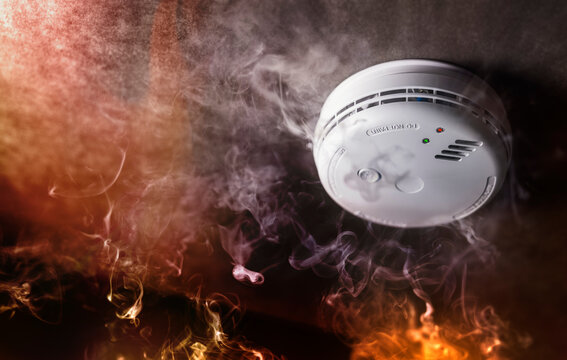
Understanding the Components of a Commercial Fire Alarm System
A modern fire alarm system is a sophisticated network of devices working in concert to protect your business. It’s far more than a simple smoke detector on the ceiling. Understanding the key parts helps you appreciate how they come together to provide comprehensive protection. From the central brain of the operation to the devices that alert your team, each component plays a vital role in early detection and safe evacuation. Let’s break down what makes up a robust commercial fire alarm system.
Essential Components of a Fire Alarm System
At its core, every fire alarm system is built from a few fundamental pieces of hardware. These are the non-negotiable parts that detect a potential fire, process the information, and alert everyone in the building to the danger. Think of them as the eyes, brain, and voice of your fire safety strategy. Each component is designed for a specific job, and when professionally installed, they create a seamless shield of protection for your employees and property.
Fire Alarm Control Panel
The Fire Alarm Control Panel (FACP) is the brain of your entire fire detection system. This central hub receives and processes signals from all connected devices, like smoke and heat detectors. When a device is triggered, the FACP instantly interprets the signal and activates the building’s notification appliances. Think of it as the mission control for your fire safety. Modern control units are intelligent and scalable, meaning they can grow with your business. As you expand, the system can be easily adapted to cover new areas, ensuring your protection is never compromised.
Manual Pull Stations
You’ve seen them before—the red boxes on the wall with a handle. These are manual pull stations, and they serve a critical purpose. While automatic detectors are essential, sometimes a person spots a fire before a sensor does. In those moments, a manual pull station allows for immediate activation of the alarm. This human element can be faster than waiting for smoke to travel to a detector, shaving precious seconds off the response time and kickstarting the evacuation process as quickly as possible.
Horns and Strobes
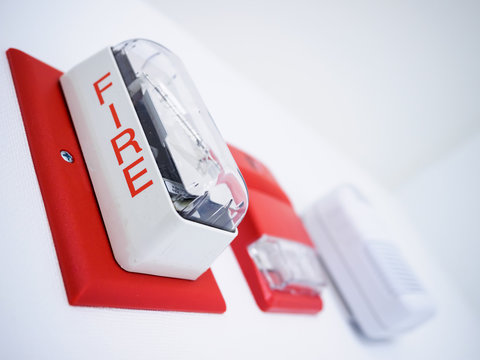
When the control panel detects a fire, it needs to tell everyone in the building—and it needs to do it effectively. That’s where horns and strobes come in. Horns produce a loud, unmistakable sound designed to cut through the noise of a busy workplace and alert people to an emergency. At the same time, strobes emit bright, flashing lights. This visual alert is crucial for notifying individuals who are deaf or hard of hearing and for guiding people through noisy environments where an audible alarm might be missed.
Conventional vs. Addressable Systems
Not all fire alarm systems communicate in the same way. A conventional system divides your building into broad zones. If a fire starts, the control panel will tell you which zone is in trouble, but not the exact location. An addressable system, on the other hand, assigns a unique address to every single device. This means if a detector is triggered, the control panel can pinpoint the exact location of the fire. For larger or more complex buildings, this is a game-changer. It allows first responders to go directly to the source, saving time and enabling a more targeted, efficient response.
The Rise of Voice Evacuation Systems
Imagine the panic and confusion that a blaring alarm can cause. Voice evacuation systems offer a smarter, calmer alternative. Instead of just a loud noise, these systems use pre-recorded, clear vocal messages to provide specific instructions during an emergency. They can guide people to the nearest safe exit, inform them of the situation, and help prevent panic-driven mistakes. By delivering calm and direct information, voice evacuation systems can significantly improve the speed and orderliness of an evacuation, making them an increasingly popular choice for public venues, high-rises, and large facilities.
Specialized Solutions for Large or High-Risk Facilities
For businesses with large footprints, complex layouts, or high-risk operations, a standard fire alarm setup may not be enough. These facilities require specialized solutions designed to handle unique challenges, from managing evacuations in sprawling buildings to providing critical support for first responders. These advanced systems are tailored to the specific risks and architectural demands of the property, ensuring the highest level of safety and operational continuity.
Network Solutions for Phased Evacuation
In a large facility like a hospital, manufacturing plant, or high-rise office building, evacuating everyone at once can create chaos and clog exit routes. Network solutions allow for a “phased evacuation” strategy. This intelligent approach lets you evacuate the areas at immediate risk first, followed by adjacent areas in a controlled sequence. It’s a more orderly and efficient way to manage an emergency in a complex environment, preventing panic and ensuring a smoother, safer exit for everyone involved. These systems also allow you to monitor the situation from a central command point.
Firefighter Air Replenishment Systems (FARS)
In a high-rise fire, one of the biggest challenges for firefighters is getting a continuous supply of breathable air. Hauling heavy air tanks up dozens of flights of stairs consumes time and energy they need to fight the fire. A Firefighter Air Replenishment System (FARS) solves this problem. It’s a built-in system of pipes and air fill stations that provides a steady supply of breathing air throughout the building. This allows firefighters to quickly refill their air bottles on-site, helping them work more effectively and safely. For certain high-risk buildings, a FARS is a critical life-safety tool, and our team can help determine if it’s the right solution for you.
How Smart Business Fire Detection Provides Better Protection
Upgrading to a smart fire alarm system gives your business the protection it needs with cutting-edge features that detect and suppress fires before they become uncontrollable. These commercial fire alarm systems are designed to integrate seamlessly with existing security measures, providing a comprehensive safety net for your commercial property.
Get an Earlier Warning of Fire Danger with Advanced Sensors
Traditional smoke detectors only react to visible smoke, but by then, a fire may already be out of control. Our advanced heat and gas sensors detect abnormal temperature increases as smoke rises and dangerous gas emissions before a fire fully ignites, allowing for faster response and evacuation. These sensors are particularly effective in environments where specific fire risks exist, such as chemical storage areas, where early detection of gas leaks can prevent catastrophic incidents.
Ensure an Immediate Response with 24/7 Professional Monitoring
When fire breaks out, every second matters. Our monitored fire alarm monitoring systems provide round-the-clock protection, contacting emergency responders the second smoke or heat is detected—ensuring the fastest possible response time. This continuous monitoring service not only reduces response times but also enhances communication with first responders, ensuring they are informed of the exact location and nature of the emergency, allowing for a more targeted and efficient response.
Direct Text Alerts for Business Owners
While our monitoring center ensures emergency services are on their way, you need to know what’s happening at your property the moment it happens. With direct text alerts, you get an immediate notification sent straight to your phone when an alarm is triggered. This means you’re always in the loop, whether you’re in a meeting across town or away for the weekend. This feature not only provides peace of mind but also helps reduce false alarms by giving you the chance to quickly verify the situation. It’s another layer of smart protection that keeps you connected to your business. You can learn more about how we integrate these features into our comprehensive security services to give you complete control and awareness.
Stop Fires from Spreading with Integrated Emergency Systems
An effective fire and smoke alarm system doesn’t just alert—it takes action. Our fire detection systems integrate with automatic sprinklers, HVAC shutoffs, and emergency lighting, ensuring that fires are contained and evacuation routes remain clear. These integrated systems are crucial in larger buildings and complex facilities where controlling the spread of smoke and flames is vital for ensuring a timely evacuation. Additionally, smart systems can be programmed to notify building occupants through alarms and voice evacuation messages, providing clear instructions and minimizing panic during an emergency.
Staying Compliant: Inspection and Maintenance Essentials
Installing a fire alarm system is the first step, but keeping it in perfect working order is what truly protects your business. Regular inspections and maintenance aren’t just good practice; they’re often required by law to ensure your system functions correctly during an emergency. Think of it like routine maintenance on a company vehicle—it prevents breakdowns when you can least afford them. Staying on top of these tasks ensures you remain compliant with safety regulations, avoid potential fines, and, most importantly, keep your employees and property safe. A well-maintained system is a reliable one, giving you peace of mind that your investment continues to provide the protection you need day in and day out.
Annual Professional Inspections (NFPA 72)
To keep your business compliant and safe, annual professional inspections are a must. The National Fire Protection Association’s code, NFPA 72, legally requires these checks to verify that your fire alarm system is functioning correctly. During an inspection, a certified technician will test every component, including smoke detectors, heat sensors, manual pull stations, and the main control panel. This isn’t just about ticking a box for the fire marshal; it’s about confirming that your first line of defense against a fire is ready to activate at a moment’s notice. At American Alarm, our technicians are experts in NFPA fire alarm services, ensuring your system meets all necessary codes and standards.
Fire Sprinkler System Maintenance
If your facility has a fire sprinkler system, it needs regular maintenance just like your alarms. These systems are your active defense against a growing fire, but they can’t do their job if they’re not properly maintained. Essential maintenance tasks include checking for leaks, verifying that the water pressure is at the correct level, and testing the system’s response time to ensure it will activate as designed in an emergency. Neglecting your sprinklers can lead to catastrophic failure when you need them most. Consistent upkeep ensures that every part of your fire protection strategy is ready to work together to contain and extinguish a fire, minimizing damage and protecting lives.
Bundling Services for Efficiency and Savings
Managing multiple vendors for your safety and security needs can be a headache. Many Atlanta business owners find that bundling their fire alarm inspections with other security services is a smarter way to operate. Combining fire system maintenance with your business security monitoring or access control services not only streamlines your vendor management but can also lead to significant cost savings. At American Alarm, we offer a comprehensive range of commercial security services that can be tailored to your specific needs. This integrated approach ensures all your systems work together seamlessly and that you have one trusted partner for all your protection needs.
The Financial Side of Fire Safety
Understanding the costs associated with fire safety helps you budget effectively while ensuring your business is properly protected. Installing a reliable fire alarm system is a critical investment in safeguarding your employees, your property, and your livelihood. It’s also a key requirement for meeting legal and insurance standards. While there are upfront costs for installation and ongoing fees for monitoring and maintenance, these expenses are minor compared to the devastating financial and personal losses a fire can cause. Viewing fire safety as an essential business investment, rather than just another expense, is the first step toward building a more resilient and secure operation.
Upfront Installation and Monitoring Costs
The initial cost of a commercial fire alarm system depends on the size of your building and the complexity of the system you need. A quality installation is crucial for ensuring the system’s reliability and compliance with all local codes. Beyond the hardware and installation, professional monitoring is a vital, ongoing service that provides 24/7 oversight. When an alarm is triggered, a monitoring center immediately contacts emergency services, ensuring a rapid response. This investment not only protects your assets but also demonstrates to your insurance provider that you are proactive about risk management. You can explore various systems and products to find a solution that fits your business’s unique requirements.
Annual Inspection Costs by Building Size
Annual inspection costs are a predictable part of your fire safety budget and vary based on your building’s size and the number of devices in your system. For a small building under 5,000 square feet, you can generally expect to pay between $300 and $1,000 per year. Medium-sized facilities from 5,000 to 15,000 square feet typically see costs ranging from $1,000 to $3,500. For large buildings up to 50,000 square feet, the annual cost can be anywhere from $3,500 to $8,000, while extra-large facilities will likely exceed $7,000. These inspections are required by law and are essential for ensuring your system remains effective and compliant.
Watch Out for These Hidden Costs
While installation and inspection fees make up the bulk of your fire safety expenses, a few other costs can pop up. Being aware of them ahead of time helps you create a more accurate budget and avoid surprises. These potential expenses include penalties for repeated false alarms, the routine replacement of batteries and other components, and fees associated with maintaining certain industry certifications. Planning for these costs ensures your system remains fully operational and compliant without unexpected hits to your bottom line. A well-managed system not only minimizes these extra expenses but also reinforces the overall reliability of your fire protection strategy.
False Alarm Penalties
False alarms are more than just a nuisance; they can be expensive. Most municipalities impose fines for excessive false alarms to discourage misuse of emergency resources. These penalties often start around $100 but can escalate to $2,000 or more for repeated incidents. A properly installed and maintained fire alarm system from a reputable provider significantly reduces the likelihood of false alarms. Regular maintenance helps ensure that all components are functioning correctly, preventing the system from triggering unnecessarily and saving you from costly fines and the disruption they cause.
Battery and Component Replacement
Like any electronic system, your fire alarm system has components that wear out over time. Batteries are the most common replacement item, and you can expect to spend between $30 and $200 annually to keep them fresh and reliable. Other components, such as smoke detectors or heat sensors, also have a limited lifespan and will eventually need to be replaced to ensure the system functions correctly. Factoring these minor but crucial replacement costs into your annual budget is a smart way to ensure your system’s long-term performance without any last-minute financial strain.
UL Certification Fees
UL (Underwriters Laboratories) certification is a nationally recognized standard for safety and reliability. Many insurance companies and local jurisdictions require commercial fire alarm systems to be UL certified. Maintaining this certification often involves an annual fee, which can range from approximately $495 to $1,295. While it is an added cost, having a UL-certified system can be a major benefit. It not only confirms your system meets high safety standards but can also make you eligible for insurance discounts of 15% to 25%, effectively offsetting the fee and providing a better return on your safety investment.
Factors That Can Affect Your Final Price
Several factors influence the final price of your fire alarm system and its ongoing maintenance. The size and layout of your building are the biggest drivers, as larger and more complex spaces require more devices and wiring. The type of system you choose—whether conventional or addressable—also plays a role, with addressable systems typically costing more upfront but offering more advanced features. Finally, the frequency of required inspections and the specific risks associated with your industry can impact the overall cost. The best way to get an accurate picture of your investment is to get a customized quote. Feel free to contact us for a detailed assessment of your business’s needs.
What’s the Real Cost of an Outdated Fire Alarm?
A fire can wipe out everything you’ve built in a matter of minutes. Failing to upgrade your fire alarm system means:
- Higher risks to employee and customer safety. Without proper detection, people inside the building may not have enough time to escape. In commercial settings, this can be particularly dangerous due to the high number of occupants and the potential for panic during an emergency. Ensuring that your fire alarm system is equipped with advanced features such as early detection sensors and clear evacuation signals can significantly enhance safety.
- Severe property damage. A delayed fire response can lead to extensive loss, forcing costly rebuilding and downtime. This not only affects the physical structure but can also disrupt business operations for an extended period. Investing in a modern fire alarm system with integrated suppression capabilities can minimize damage and help maintain business continuity.
- Legal and financial liability. Non-compliance with fire codes can result in penalties, insurance complications, and lawsuits. Businesses are required to adhere to local safety standards and regulations, and failure to do so can lead to severe consequences. By upgrading your fire alarm system, you ensure compliance and protect your business from potential legal and financial repercussions.
Your fire alarm system is your business’s last line of defense—don’t wait until it’s too late to realize it isn’t enough. Taking proactive measures to upgrade and maintain your fire alarm system not only safeguards your business assets but also demonstrates a commitment to the safety and well-being of your employees and customers. 
Get a Custom Fire Detection System for Your Business
Fire safety isn’t optional—it’s essential. American Alarm Corporation delivers fire alarm systems designed to detect fires before they become disasters. Our custom-tailored solutions ensure that your business is equipped with the most reliable fire detection prompt evacuation, and emergency response systems available. Contact us today to:
- Upgrade your fire alarm system.
- Ensure compliance with NFPA 72 and other local safety codes.
- Protect your business, employees, and assets with industry-leading fire detection technology.
Don’t leave your business unprotected. Upgrade your fire alarm system now with American Alarm Corporation and secure what matters most.
Frequently Asked Questions
Should I Install a Fire Alarm System Myself?
You can install a basic smoke detector yourself, but it is advisable to have complex fire alarm systems installed by a licensed professional for compliance with local regulations, proper installation, and optimal performance.
Will the Fire Department Install My Smoke Alarms?
Many fire departments still offer free installation of battery-operated smoke alarms. It is advisable to contact your local fire department for specific information regarding their services.
Why Is a Fire Alarm System Crucial for My Business?
Fire alarm systems install smoke alarms that are essential for safeguarding employees and assets by delivering early warnings, thereby reducing potential damage and ensuring safety in the workplace. Prioritizing such safety measures is crucial for any business.
What Kinds of Fire Alarm Systems Are There?
There are several types of fire alarm systems available, including two-wire, wireless, conventional, analog-addressable, and hybrid systems, each tailored for specific building sizes and layouts. Selecting the appropriate system is crucial for ensuring effective fire detection and safety in smaller buildings.
How Do I Choose the Right Fire Alarm System for My Business?
To choose the right fire alarm system for your business, assess the specific fire risks, building size, and layout; seeking a professional evaluation can ensure you select the most suitable security system for your needs.


Leave a Reply
Want to join the discussion?Feel free to contribute!