The Essential Guide to Atlanta Fire Alarm Systems
Fires don’t begin as raging infernos. They start silently, smoldering in hidden spaces until it’s too late. By the time a standard smoke detector activates, flames could already be spreading, leaving little time for an emergency response. This is why basic fire alarms in Atlanta often create a false sense of security. If your alarm system isn’t designed for instant detection and automatic dispatch, you’re not protected. True fire protection in Atlanta works around the clock. We’ll break down the essential components of the fire alarm systems Atlanta businesses trust for active, 24/7 protection.
Key Takeaways
- Choosing the right fire alarm system requires understanding specific fire risks, building size, and layout for effective safety.
- Strategic placement of alarms in high-risk areas and compliance with NFPA guidelines are key to ensuring timely detection and evacuation during emergencies.
- Regular maintenance and testing of fire alarm systems are essential to maintaining functionality and complying with safety standards. This prevents common failures when they are most critical.
Is Your Basic Fire Alarm Putting Your Business at Risk?
Many businesses install the cheapest fire alarms just to meet code requirements, assuming that passing an inspection equates to real protection. But when seconds matter, a slow or incomplete fire response or false alarms can mean the difference between minor damage and total loss. To truly safeguard commercial property, it’s essential to adopt a more comprehensive approach. Modern commercial fire alarm systems now go beyond just meeting the minimum standards. They incorporate advanced technologies and security solutions like addressable systems and integrated sensors that provide real-time data and precise location tracking of fire hazards. This not only ensures faster response times but also helps in minimizing potential damage and ensuring safety.
What Dangers Are Your Fire Alarms Missing?
- Electrical Wiring: Overloaded circuits and faulty connections can spark hidden fires that go undetected until flames break out. Regular inspections and using fire-rated materials can mitigate these risks.
- Ventilation Systems: Smoke and heat can spread quickly through ductwork, fueling fires before alarms even sound. Installing smoke detectors within these systems and ensuring proper maintenance can prevent such scenarios.
- Flammable Storage Areas: Improperly stored materials create an accelerant effect, turning small sparks into uncontrollable blazes. Implementing strict storage protocols and using fire-retardant materials can significantly reduce this risk.
A fire alarm that activates only after flames erupts is too late. Small fires can grow unnoticed without advanced detection prompt evacuation, and real-time monitoring, leading to destruction before anyone has time to react.## Types of Commercial Fire Alarm Systems
When it comes to protecting your business, not all fire alarm systems are created equal. The best choice depends on your building’s size, layout, and specific risks. Understanding the fundamental differences between system types is the first step toward making an informed decision. The two main categories you’ll encounter are conventional and addressable systems. While both are designed to detect fires, they communicate information in vastly different ways, which directly impacts response time and efficiency. Choosing the right one ensures you have a system that’s not just compliant, but truly effective for your unique environment.
Conventional vs. Addressable Systems
The primary distinction between conventional and addressable fire alarm systems lies in how they identify the location of a fire. A conventional system divides your building into broad zones, while an addressable system can pinpoint the exact device that was triggered. Think of it as the difference between knowing a fire is somewhere on the second floor versus knowing it’s in the breakroom on the second floor. This level of detail can be critical for guiding first responders, making addressable systems a more advanced solution for many commercial properties.
Conventional Systems
Conventional fire alarm systems are a straightforward and cost-effective solution, making them a popular choice for smaller businesses or buildings with simple layouts. These systems work by wiring detectors and pull stations into zones. When a device is activated, the control panel alerts you to which zone the fire is in, but not the specific location of the device. For example, a single zone might cover an entire floor or a specific wing. While this provides a general area for investigation, it lacks the precision of more modern systems, which can be a drawback in larger or more complex facilities.
Addressable Systems
Addressable systems offer a much more precise method of fire detection. Each device in an addressable system, from smoke detectors to pull stations, has a unique digital address. When a device is triggered, the control panel displays its exact location, such as “Smoke Detector – Conference Room A.” This specificity is invaluable for larger buildings, hospitals, or facilities with multiple rooms, as it allows emergency personnel to respond directly to the source of the fire without wasting precious time searching. Although the upfront cost is higher, the detailed information they provide can lead to faster responses and potentially less damage.
Key Components of a Complete Fire Protection Plan
A truly effective fire protection plan is more than just a few smoke detectors. It’s an integrated network of components designed to detect, alert, and suppress a fire. A comprehensive strategy includes everything from automatic sensors and sprinkler systems to manual tools like fire extinguishers and clear emergency lighting. Each piece plays a vital role in ensuring a swift and safe response. At American Alarm, we design systems that bring these components together, creating a seamless safety net for your business.
Smoke and Heat Detectors
Smoke and heat detectors are the frontline sensors of your fire alarm system. They are designed to identify the earliest signs of a fire, often long before flames are visible. Smoke detectors are sensitive to airborne particles, while heat detectors react to rapid temperature increases. Proper placement is crucial for their effectiveness. To ensure they function correctly and meet all safety regulations, these devices require regular inspections and testing. This routine maintenance confirms they are always ready to provide the critical early warning needed for a safe evacuation.
Sprinkler Systems
While detectors provide the warning, sprinkler systems offer an active defense by working to suppress a fire automatically. When the heat from a fire reaches a certain temperature, it triggers the nearest sprinkler head to release water directly onto the affected area. This immediate action can contain or even extinguish a fire before it has a chance to spread, significantly reducing property damage. Modern fire alarm systems are often integrated with sprinkler systems to ensure that when a sprinkler activates, the alarm sounds and emergency services are notified simultaneously.
Special Hazard Systems
Some areas of a business present unique fire risks that water-based sprinkler systems can’t safely or effectively handle. Server rooms, commercial kitchens, and areas with sensitive electrical equipment or flammable chemicals require special hazard systems. These systems use agents like clean chemicals or carbon dioxide to suppress fires without causing water damage to critical assets. They are specifically engineered to protect high-value equipment and ensure business continuity by addressing the specific type of fire risk present in these specialized environments.
Fire Extinguishers and Emergency Lighting
Beyond automatic systems, a complete fire protection plan includes essential manual and passive safety tools. Fire extinguishers are a critical first-response tool, allowing trained staff to tackle small, manageable fires before they escalate. Emergency lighting and illuminated exit signs are equally important, as they guide occupants to safety during a power outage or when smoke obscures regular visibility. These components are non-negotiable for ensuring a safe and orderly evacuation, providing clear pathways and immediate resources when they are needed most.
## Factors That Influence System Choice and Cost
Selecting the right commercial fire alarm system isn’t a one-size-fits-all process. Several key factors will influence which system is appropriate for your property and what the overall cost will be. The size and complexity of your building, the specific needs of your industry, and local fire code requirements all play a significant role. Additionally, whether you are installing a system in a new build or retrofitting an older structure can impact the complexity and expense of the project. Considering these elements carefully will help you invest in a system that provides reliable protection without unnecessary costs.
Building Size and Industry Needs
The physical characteristics of your building are a primary driver of system choice and cost. A large warehouse will have vastly different needs than a multi-story office building with numerous individual rooms. Larger or more complex structures typically require more devices, such as smoke detectors and pull stations, and often benefit from an addressable system that can pinpoint fire locations. Furthermore, certain industries, like healthcare or manufacturing, have unique risks and regulations that demand more specialized and robust fire protection solutions, which will naturally influence the final system design and budget.
Local Fire Codes and Compliance
Adhering to local and national fire codes is not optional—it’s a legal requirement. These regulations, often based on standards from the National Fire Protection Association (NFPA), dictate the type of system you need, where devices must be placed, and how often they must be inspected. Compliance can be complex, especially for businesses in high-risk sectors. Working with a knowledgeable provider is essential to ensure your system meets all current requirements. At American Alarm, we specialize in NFPA-compliant fire alarm services, helping Atlanta businesses meet their obligations and ensure their properties are truly protected.
Retrofitting Older Buildings
Installing a modern fire alarm system in an older building often presents unique challenges. Unlike new construction where systems can be designed from the ground up, retrofitting requires working within an existing structure. This can involve complex tasks like running new wiring through finished walls, updating outdated electrical panels, and making structural modifications to accommodate new equipment. These additional steps can increase both the labor time and the overall cost of the installation, as technicians must carefully navigate the building’s architecture to ensure the system is both effective and compliant with current safety codes.
Integration With Other Building Systems
For a more cohesive safety and security strategy, many businesses choose to integrate their fire alarm system with other building management systems. For example, connecting your fire alarm to your HVAC system can automatically shut down air circulation to prevent smoke from spreading. Integration with access control systems can unlock doors to facilitate evacuation, while connecting to a security monitoring system ensures an immediate, verified response. While this integration may add to the initial investment, it creates a smarter, more responsive building that enhances overall safety and operational efficiency in an emergency.
## Understanding the Costs of Commercial Fire Alarm Systems
Budgeting for a commercial fire alarm system involves looking at both the initial purchase and the long-term operational expenses. The upfront cost covers the hardware and the professional installation, which can vary significantly based on the system’s complexity and the size of your property. However, the financial commitment doesn’t end there. Ongoing costs for professional monitoring, regular maintenance, and periodic inspections are essential to keep your system functioning reliably and in compliance with fire codes. Understanding this complete financial picture helps you plan effectively for a system that protects your business for years to come.
Upfront Investment: Equipment and Installation
The initial investment for a commercial fire alarm system includes the cost of all hardware—such as the control panel, detectors, pull stations, and notification devices—plus the labor for professional installation. For a smaller, more basic system, installation costs might range from several hundred to a few thousand dollars. However, for larger facilities requiring an advanced addressable system with numerous devices, the upfront cost can be significantly higher. This investment is crucial, as proper installation by certified technicians is essential for the system’s reliability and compliance with safety standards.
Ongoing Expenses: Monitoring and Maintenance
After installation, your fire alarm system requires continuous support to remain effective. Professional monitoring services, which typically cost between $50 and $60 per month for commercial systems, ensure that authorities are dispatched immediately when an alarm is triggered. Additionally, regular maintenance and inspections are mandatory to keep the system in compliance and working order, with annual costs often ranging from $200 to $800. These ongoing expenses are a critical part of your safety strategy, guaranteeing your system is ready to perform when you need it most. American Alarm offers comprehensive monitoring and repair services to keep your system in peak condition.
Why Do Most Fire Alarms Fail in an Emergency?
Many businesses rely on outdated equipment or incomplete fire detection systems, believing they are protected. But without the right technology in place, critical seconds are lost—time that could mean the difference between containment and catastrophe. Investing in advanced systems and equipment that offer integrated solutions, such as linking fire alarms with security cameras and other security monitoring systems, can provide a more holistic view of the situation, allowing for quicker and more effective emergency response.
Common Points of Failure in Fire Alarms
- Standalone Smoke Detectors: These alarms only work if someone is present to hear them and call for help. Fires that start overnight or in unoccupied areas can spread before emergency responders are even aware. Upgrading to monitored systems ensures that alerts are sent to first responders immediately.
- Lack of 24/7 Monitoring: A fire alarm without professional monitoring is useless when no one is there to call 911. Automatic emergency dispatch is essential for immediate response. This service can significantly reduce response times and limit property damage.
- Incomplete Detection Systems: Relying solely on smoke detection is a dangerous mistake. Fires don’t always start with visible smoke—heat, gas leaks, and electrical malfunctions can escalate long before traditional alarms sound. Incorporating multi-sensor alarms and regular maintenance checks can address these vulnerabilities.
Without proper installation of an integrated fire protection and security system throughout, businesses are left vulnerable to delayed response times, larger-scale damage, and potential loss of life. 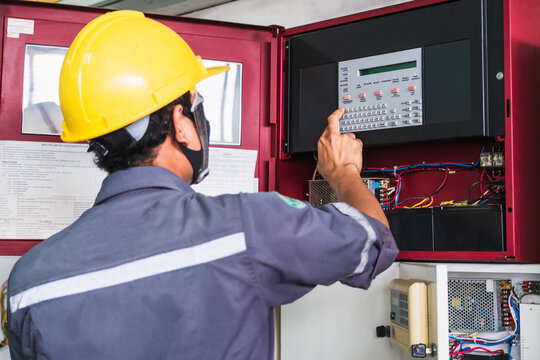
Tailored Fire Protection for Atlanta’s Industries
Not all businesses face the same fire risks. A restaurant kitchen has different vulnerabilities than a data center, and a high-rise office building requires a different strategy than a sprawling warehouse. That’s why a one-size-fits-all fire alarm system isn’t just ineffective—it’s dangerous. The right fire protection plan is designed around your specific operations, building layout, and the types of materials you handle. For Atlanta businesses, from industrial parks to downtown skyscrapers, this means getting a system that addresses your unique challenges. A tailored approach ensures that detection is swift, response is immediate, and your assets, employees, and customers are properly protected against the specific threats you face every day.
Solutions for Warehouses, Factories, and Data Centers
Industrial facilities like warehouses, factories, and data centers present unique fire protection challenges. Large, open spaces can allow fires to spread rapidly, while stored materials might be highly flammable. In these environments, early detection is everything. Advanced systems can use a combination of heat and smoke detectors, along with specialized sensors, to catch a fire before it grows. For data centers, where water from sprinklers could be as damaging as the fire itself, clean agent suppression systems are essential. These systems use gases to extinguish fires without harming sensitive electronic equipment, ensuring your critical data and hardware are safe. A comprehensive fire protection service understands these nuances and can design a system that protects both your property and your operations.
Protecting Healthcare Facilities and High-Rise Buildings
In healthcare facilities and high-rise buildings, the primary concern is the safety and evacuation of a large number of people. Complex floor plans and the presence of non-ambulatory patients in hospitals make rapid, clear communication critical. Addressable fire alarm systems are ideal for these settings because they pinpoint the exact location of the fire, allowing first responders to act with precision and guiding occupants to the safest exit routes. These systems must be integrated with emergency lighting, public address systems, and elevator recall functions to ensure a coordinated response. For any multi-story building in the Atlanta area, working with experts who understand the specific codes and complexities of vertical structures is non-negotiable for ensuring life safety.
What to Look for in a Fire Protection Partner
Choosing a company to handle your fire protection is a decision that directly impacts the safety of your business and everyone in it. It’s about more than just buying equipment; it’s about forming a partnership with a team you can trust. The right partner brings expertise, reliability, and a deep understanding of local codes and regulations. They should be able to offer a complete solution, from initial design and installation to ongoing monitoring and maintenance. Look for a provider with a proven track record in the Atlanta area, transparent communication, and a commitment to using high-quality, certified equipment. This ensures your system is not only compliant but also dependable when you need it most.
The Importance of Industry Certifications
When you’re evaluating fire protection companies, certifications are your proof of quality and expertise. These credentials aren’t just fancy badges; they signify that a provider has met rigorous industry standards for knowledge, skill, and ethical practices. A certified company is committed to staying current with the latest technology and safety codes, which is crucial in a field that is constantly evolving. Entrusting your fire safety to a certified professional means you’re getting a system designed and installed by technicians who have been formally recognized for their competence. This verification gives you peace of mind that the job will be done right the first time.
NICET Certified Technicians
One of the most important credentials to look for is NICET (National Institute for Certification in Engineering Technologies) certification. Technicians with NICET certification have passed demanding exams and demonstrated extensive hands-on experience in fire protection system design and installation. At American Alarm, our team includes NICET IV certified professionals, which represents the highest level of achievement in the field. This ensures that your system is engineered and implemented according to the strictest safety standards, providing you with an unparalleled level of protection and reliability.
High-Quality Monitoring Station Standards
Your fire alarm system is only as good as the monitoring station that backs it up. In an emergency, a signal from your system must be received and acted upon instantly, day or night. A high-quality central monitoring station is staffed 24/7 by trained professionals who can dispatch emergency services within seconds of an alarm. These facilities are built with redundancy in mind, featuring backup power and communication systems to ensure they are always operational, even during power outages or severe weather. Choosing a partner with a top-tier monitoring station is a critical step in creating a truly reliable fire safety net.
UL and FM Approvals
To ensure you’re getting the best monitoring service, look for stations with UL and FM approvals. Underwriters Laboratories (UL) and Factory Mutual (FM) are independent organizations that set stringent standards for safety and performance. A UL-listed or FM-approved monitoring station has undergone a thorough evaluation of its equipment, procedures, and staffing to prove its reliability. These approvals are a clear indicator that the station meets the highest industry benchmarks for alarm response, operational integrity, and disaster preparedness, guaranteeing a swift and effective response when every second counts.
Expert Advice for Managing Your Fire Protection
Once your fire alarm system is installed, your responsibility doesn’t end. Proactive management is key to ensuring your system remains effective and compliant over the long term. This involves more than just waiting for the annual inspection; it means staying engaged with your system’s health, understanding your responsibilities as a business owner, and having a clear plan for maintenance and potential issues. By taking an active role in managing your fire protection, you can prevent small problems from becoming major risks, stay ahead of compliance requirements, and ensure your investment continues to provide the reliable protection your business depends on. A little foresight goes a long way in maintaining a safe environment.
Stay Prepared for Inspections
Fire marshals can conduct inspections without any advance warning, and being unprepared can lead to fines or even a temporary shutdown of your business. The best approach is to always be inspection-ready. This means keeping clear and organized records of all system tests, maintenance, and repairs. Ensure that all components, like detectors and pull stations, are unobstructed and that your emergency lighting is functional. Regularly walk through your facility to check for potential violations. By treating every day like it’s inspection day, you not only avoid penalties but also foster a continuous culture of safety within your organization.
The Value of a Single, Trusted Provider
Juggling multiple vendors for your fire alarm installation, monitoring, inspections, and repairs can be a logistical nightmare. Wires get crossed, responsibilities become unclear, and critical tasks can fall through the cracks. Consolidating all your fire protection needs with a single, trusted provider simplifies everything. You have one point of contact, one team that understands your system inside and out, and one streamlined plan for all your safety requirements. This integrated approach ensures nothing is overlooked and makes managing your system far more efficient. A comprehensive provider can offer a full suite of NFPA-compliant services, from design to long-term maintenance.
Don’t Ignore Small Problems
It can be tempting to ignore a minor issue with your fire alarm system, like a “yellow tag” indicating a non-critical fault. However, these small warnings can quickly escalate into major vulnerabilities. A single faulty sensor or a minor wiring issue could compromise the effectiveness of your entire system during an actual fire, leading to catastrophic failure. Addressing problems immediately, no matter how small they seem, is crucial for maintaining the integrity of your protection. Prompt repairs prevent downtime, reduce the risk of false alarms, and ensure your system is fully operational when you need it most.
Budgeting for Your System
Understanding the costs associated with a commercial fire alarm system is essential for making an informed decision. The total investment includes more than just the initial price of equipment and installation. You also need to account for ongoing expenses like 24/7 monitoring fees, regular inspections, and periodic maintenance. While it might be tempting to choose the cheapest option, a quality system is an investment in the safety and continuity of your business. When planning your budget, think about both the upfront costs and the long-term value of a reliable, compliant system. For a clear picture of what your business needs, it’s best to request a detailed quote from a qualified professional.
Get Proactive Fire Protection & 24/7 Monitoring
At American Alarm Corporation, we take fire protection beyond fire safety standards and basic alarms. Our advanced fire detection system and 24/7 monitoring services ensure that fires are detected before they become uncontrollable, providing instant emergency response when every second counts.
From Detection to Dispatch: Protecting Your Property
- 24/7 Professional Monitoring – Emergency response teams are dispatched the moment a fire is detected, even if no one is on-site. This continuous monitoring provides peace of mind and ensures that help is always on the way.
- Multi-Sensor Fire Alarms – Integrated systems detect smoke, heat, and toxic gases simultaneously, identifying threats before visible flames appear. This comprehensive detection capability is crucial for early intervention and minimizing potential damage.
- Automated Building Alerts – Fire systems trigger sprinklers, unlock emergency exits, and cut power to prevent electrical fires from spreading. These automated responses are vital for ensuring a quick evacuation and reducing fire spread.
- Instant Emergency Notifications – Immediate alerts are sent to business owners and safety personnel, ensuring rapid coordination in a crisis. This enables a well-coordinated and efficient emergency response, reducing the impact of the fire.
A fire alarm system should do more than just make noise—it should take action to protect people and property. With American Alarm Corporation, you’re not just installing a fire safety system; you’re ensuring rapid, life-saving response capabilities. 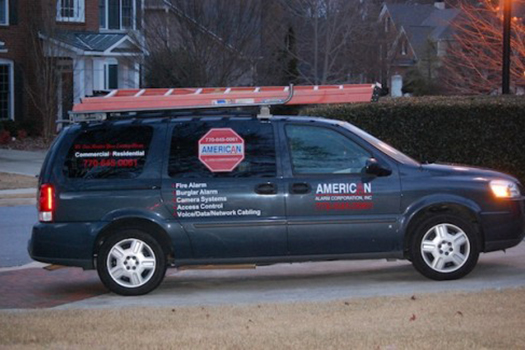
The Wake-Up Call: Fire Won’t Wait, and Neither Should You
Every second counts in a fire emergency, and without 24/7 monitoring and proactive early detection now, your business is at risk. Are you prepared, or are you just hoping for the best? The only way to guarantee immediate emergency response is with a professionally monitored, multi-sensor fire alarm system. Delayed response means greater damage, higher costs, and a longer recovery period—if your house or business recovers at all.
Take the Next Step Toward Total Fire Protection
Don’t wait for a fire to expose the gaps in your fire alarm installation system. Get true fire protection with American Alarm Corporation—the experts in advanced fire detection, monitoring, and emergency response. Contact us now to equip your business with a modern fire alarm system and protection that saves lives. Investing in a robust fire alarm system not only ensures compliance with local regulations but also provides significant savings by preventing extensive property damage and
Frequently Asked Questions
Does the fire department still install smoke detectors?
Yes, many fire departments still offer the service and free installation of battery-operated smoke detectors. It’s best to reach out to your local fire department for details on how they can help you.
What makes American Alarm Corporation’s fire alarm systems stand out?
American Alarm Corporation’s fire alarm systems stand out because they have components that are customized to meet your specific needs, fire risks, and building characteristics, ensuring top-notch protection and compliance with local fire codes. This tailored approach gives you peace of mind knowing your safety needs are being effectively addressed.
How often should fire alarms be tested and maintained?
You should test your fire alarms every month, replace the batteries every six months, and have a professional inspection done once a year to stay safe and compliant. Regular maintenance and testing can save lives!
What are the benefits of integrating fire alarm systems with other security systems?
Integrating fire alarm systems with other security solutions boosts safety, security, and efficiency in complex facilities by enabling coordinated responses and cutting costs with shared infrastructure. This collaboration means quicker action during emergencies, making your environment safer.

Leave a Reply
Want to join the discussion?Feel free to contribute!