Smart Customized Security Plans for Fulton County Businesses
In Georgia, property owners have a clear responsibility to provide a reasonably safe environment for their tenants. This duty becomes incredibly complex in multi-tenant commercial buildings, where frequent layout changes can unknowingly create serious security flaws. Each tenant improvement project has the potential to render existing protective measures inadequate, increasing your liability risk. A security system that can’t adapt is a significant vulnerability. That’s why a scalable, modular approach is non-negotiable for modern property management. It ensures your security coverage remains seamless and effective, no matter how your building evolves. Developing customized security plans for Fulton County businesses is a critical step in mitigating premises liability and demonstrating a proactive commitment to safety.
Key Takeaways
- Integrating security planning early in the commercial property development and tenant build-out process in Atlanta is essential for long-term effectiveness and cost savings.
- Commercial security systems, including access control, cameras, and fire alarms, must be designed with modularity and expandability to adapt to dynamic tenant needs and property changes.
- Unified platforms and 24/7 professional monitoring provide landlords and property managers in North Georgia with comprehensive oversight and rapid response capabilities, crucial for multi-tenant environments.
- Adherence to local codes, NFPA standards, and understanding Atlanta’s commercial development landscape are vital for robust and legally compliant security infrastructure.
- Professional design, installation, and ongoing maintenance are key to effective, future-proof commercial security, especially given the complexities of multi-tenant properties and the importance of preventing negligent security claims in Georgia.
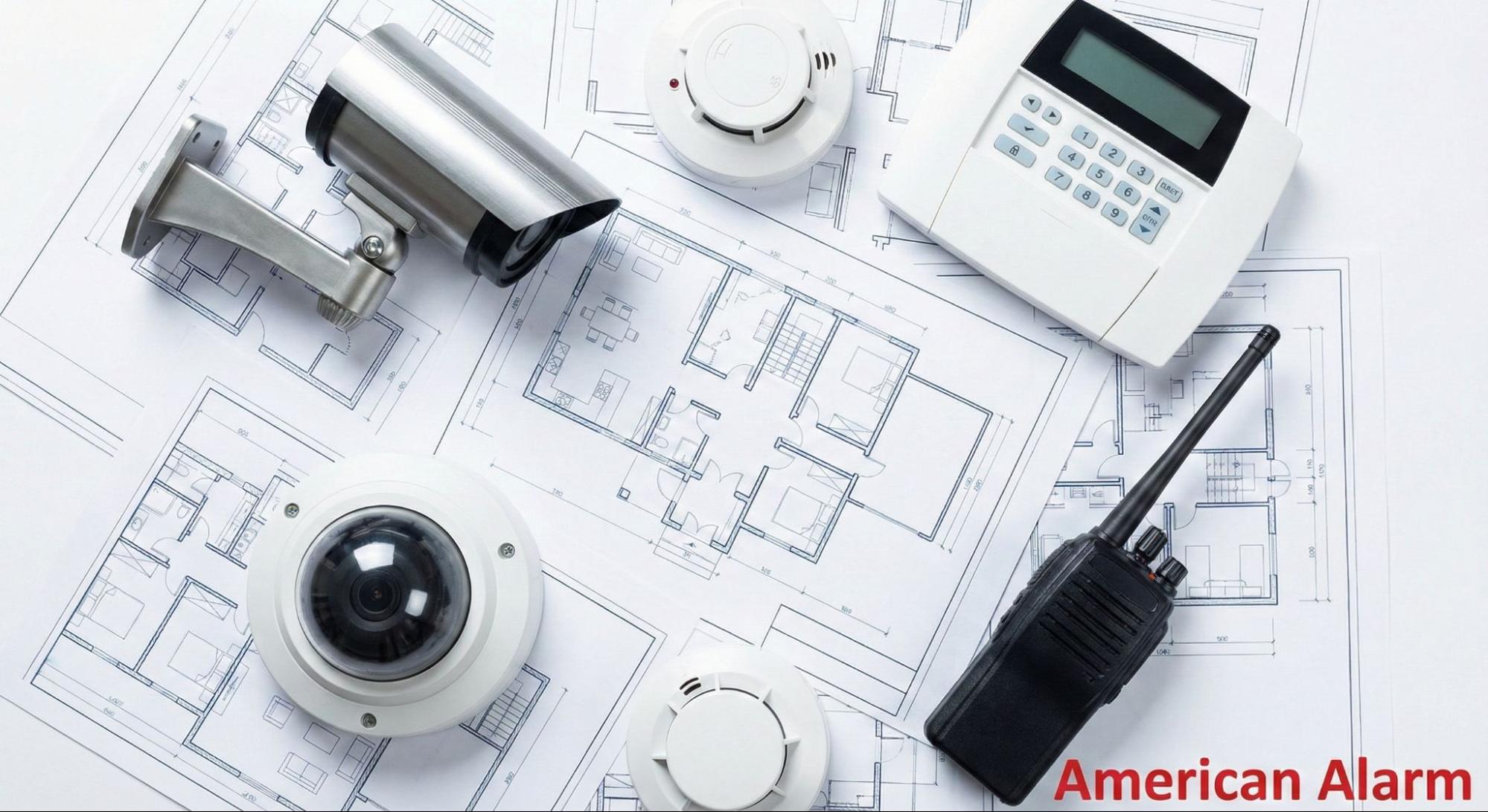 Atlanta’s commercial real estate market is in a constant state of flux. New developments rise, businesses expand, and tenants reconfigure spaces to meet their unique needs. For property owners, developers, and asset managers, this dynamism presents a significant challenge: how do you secure a building that is always evolving? The answer lies in proactive security design—specifically, the implementation of scalable commercial security systems. This forward-thinking approach is not just an expense but a critical investment, ensuring that your security infrastructure can adapt to frequent tenant build-outs and the changing landscape of your property without requiring costly, disruptive overhauls. In the competitive commercial markets of Atlanta and North Georgia, a robust and flexible security plan is a powerful asset. It protects tenants, reduces liability, and enhances property value. By focusing on scalability from day one, you create a secure environment that is prepared for today’s needs and tomorrow’s growth, making it a cornerstone of effective property management.
How Do Tenant Build-Outs Affect Your Property’s Security?
In commercial real estate, a “tenant build-out,” also known as a tenant improvement or fit-out, is the process of customizing a leased space to meet the specific operational requirements of a new tenant. This process goes far beyond a simple coat of paint. It often involves significant modifications to interior layouts, such as erecting new walls, reconfiguring office spaces, updating flooring, and making substantial changes to HVAC, electrical, and plumbing systems. These modifications are essential for attracting and retaining tenants, but they have profound implications for a building’s security. Every wall that moves can create a new blind spot for an existing camera. Every new entryway requires a re-evaluation of access control. Changes in layout can obstruct fire alarm notification devices or create new pathways that require additional sensors. Essentially, each tenant build-out reshapes the security landscape of the space. Without a flexible system, these changes can render existing security measures inadequate, creating new vulnerabilities and potentially compromising the safety of the entire property. This necessitates a constant re-evaluation of security coverage to ensure that protection remains seamless and effective.
The Reality of Commercial Property Crime
Understanding the Risks for Businesses
For any business in the Atlanta area, the risks of theft, vandalism, and unauthorized entry are very real. A comprehensive security strategy is your first line of defense, but it has to be more than just a few standalone devices. An effective plan integrates multiple layers of protection, including 24/7 professional monitoring, intelligent access control, and motion sensors. These systems and products work together to create a secure environment that adapts as your business evolves. Professional design and installation are critical, especially in multi-tenant properties where frequent build-outs can create new vulnerabilities overnight. Furthermore, ensuring your security infrastructure adheres to local codes and NFPA standards is essential for compliance and protecting your business from potential liability claims.
Why Flexible Security is Non-Negotiable for Multi-Tenant Properties
For multi-tenant office buildings, retail centers, and mixed-use properties across Atlanta, scalable security planning is not just a best practice—it’s a fundamental necessity. These environments are inherently complex, housing diverse businesses with varying operational hours, security requirements, and levels of public access. A one-size-fits-all security solution is bound to fail. Scalability allows property managers to provide customized security for each tenant while maintaining centralized control over common areas. Future-proofing the security infrastructure accommodates growth and change without the need for expensive, recurring overhauls. When a new tenant moves in or an existing one expands, a scalable system allows you to simply add new devices or permissions to the existing network. Furthermore, in Georgia, property owners have a duty to ensure their premises are reasonably safe. A well-designed, scalable security system is a crucial tool in mitigating premises liability risks. By demonstrating a proactive and adaptable approach to security, owners can help protect themselves from negligent security claims while providing genuine safety for their tenants. These commercial alarm systems are foundational to modern property management. 
Tailoring Security to Your Business Needs
A generic security package simply won’t work for the diverse businesses that make up the Atlanta landscape. Every company has its own unique rhythm, layout, and set of vulnerabilities. A retail store has different concerns than a corporate office, and a warehouse has needs that are entirely its own. The most effective security is not a product you buy off the shelf; it’s a solution designed specifically for your operations. This tailored approach ensures that every potential weakness is addressed, providing protection that is both comprehensive and efficient. It starts with a thorough understanding of how your business works and what you need to protect most.
Unique Requirements for Different Industries
The security needs of a business are directly shaped by its industry. A retail storefront on a busy street, for example, must manage a constant flow of public traffic while protecting high-value inventory and securing cash-handling areas. In contrast, a corporate office needs to control access to sensitive data and expensive equipment, often requiring layered permissions for employees and a secure environment after hours. Industrial facilities and warehouses face another set of challenges, including securing vast perimeters, monitoring large open spaces, and controlling access to heavy machinery or raw materials. A truly effective security plan acknowledges these differences and is built from the ground up with the right services to address your specific operational risks and daily flow.
Solutions for Existing and Older Buildings
Implementing modern security in existing or older commercial properties requires a specialized approach. These buildings often come with unique challenges, such as outdated infrastructure, unconventional layouts, or even historic preservation rules that can complicate a standard installation. The goal isn’t to force a new system into an old space, but to intelligently adapt the technology to the building’s character. This is where professional expertise is critical. Experienced technicians can find creative ways to run wiring discreetly or utilize advanced wireless systems and products to overcome structural hurdles. This ensures you receive complete protection without compromising the building’s integrity or aesthetics. Upgrading your property’s security is a vital investment that protects your assets and tenants for years to come.
How to Build a Security System That Lasts
Designing a truly scalable security system begins at the foundational level, long before the first camera is mounted or the first sensor is installed. A future-proof infrastructure is built on principles of flexibility, interoperability, and foresight that comes from partnering with the right security company. This involves the strategic placement of conduits and wiring throughout the base building, creating pathways for future expansion. By running extra cabling to potential future device locations during initial construction, you eliminate the need to open walls and ceilings later on, saving significant time and money. Another critical component is the selection of hardware and software built on open-architecture platforms. Proprietary systems that lock you into a single manufacturer can severely limit your ability to upgrade or integrate new technologies. By choosing modular components and open-platform software, you retain the freedom to seamlessly add new devices, upgrade existing ones, and integrate best-in-class solutions from various vendors as technology evolves. This approach ensures your security system remains agile and can adapt to the unpredictable nature of tenant needs and technological advancements.
Adapting to Change with Modular Alarm Panels
At the heart of a scalable intrusion detection system is a modular alarm panel. Unlike basic, all-in-one units with a fixed number of inputs, modular control panels are designed for growth. They feature a central processing unit with the ability to add expansion modules, each providing additional zones. This design allows for the easy addition of new door contacts, motion sensors, glass break detectors, and keypads as tenant spaces are reconfigured or expanded. If a tenant subdivides a large open office into smaller private offices, new sensors can be easily wired back to an expansion module without requiring a complete system replacement, making it a cost-effective and efficient solution for dynamic environments.
Flexible Access Control and Video Surveillance Solutions
Modern security demands sophisticated control over who enters a property and clear visibility into what happens within it. For multi-tenant buildings, this requires highly adaptable access control systems and camera networks. Cloud-based access control platforms are ideal for this environment, offering property managers a centralized dashboard to manage permissions across the entire building. New tenants can be added, permissions for specific doors can be assigned, and access credentials can be activated or deactivated remotely and in real-time. This granular control is essential for securing tenant-specific suites while managing access to common areas like lobbies, elevators, and parking garages. Similarly, when designing security camera systems, scalability is key. Utilizing IP camera systems allows for immense flexibility. New cameras can be easily added to the network as tenants move in or layouts change. By planning for sufficient network bandwidth and using scalable recording solutions like Network Video Recorders (NVRs) or cloud storage, you can ensure that expanded coverage doesn’t compromise system performance. The integration of AI analytics further enhances these IP camera systems, providing intelligent alerts and actionable insights that adapt as the property evolves. 
Adapting Fire Safety Systems to Changing Layouts
Life safety systems are non-negotiable, and their design must anticipate change. Tenant build-outs frequently alter occupancy loads, egress paths, and room configurations, all of which impact fire code requirements. Scalable fire alarm systems are designed with a flexible architecture that can accommodate these modifications. This includes using addressable devices that can be easily re-programmed and ensuring the system has the capacity to add notification appliances (horns, strobes) and detection devices (smoke, heat detectors) as needed. Adherence to NFPA 72 (National Fire Alarm and Signaling Code) and NFPA 101 (Life Safety Code) is paramount. A professional design ensures that device placement and notification levels meet the specific requirements for varying occupancy types, from business to mercantile. Achieving NFPA compliance is not a one-time event; it’s an ongoing responsibility that a scalable system helps manage. The system must be supported by professional fire alarm monitoring to guarantee that any alarm triggers an immediate, appropriate response from emergency services, regardless of internal layout changes.
Understanding the Financials of a Commercial Security System
Investing in a security system for your commercial property is a significant decision, and it’s natural to have questions about the cost. The price of a system is not a one-size-fits-all number; it’s a tailored investment based on your property’s specific needs, size, and complexity. Thinking about the financials upfront helps you plan effectively and see the long-term value in protecting your assets, tenants, and employees. From the initial setup to ongoing services and even potential tax benefits, understanding the complete financial picture allows you to make a smart, informed choice for your business.
Typical Investment and Monitoring Costs
When budgeting for a commercial security system, it’s helpful to consider both the upfront equipment and installation costs and the recurring monthly fees. For a small business, the initial investment can range from $1,000 to $10,000, depending on the number of entry points, the size of the space, and the specific technologies you choose, such as access control or advanced video systems. After the initial setup, you’ll have a monthly fee for professional monitoring. This service ensures that trained professionals are ready to respond to any alarm, 24/7. According to industry research, these fees typically range from $40 to $120 per month, providing continuous peace of mind that your property is protected.
Potential Tax Deductions for Your Business
Here’s some good news for your bottom line: the costs associated with your commercial security system are often tax-deductible. The IRS generally considers these expenses necessary for running a business, which means you can potentially reduce your taxable income. This isn’t limited to just the alarm panel. Deductible expenses can include the full range of security components, such as access control systems, fire alarms, and video surveillance networks. Furthermore, the costs for professional installation, ongoing monitoring services, and any necessary repairs or maintenance can also qualify, making your security investment even more financially sound.
The Role of Record Keeping
To take full advantage of these potential tax benefits, meticulous record-keeping is essential. The key is to be able to prove your expenses if ever required. Make sure you keep a detailed file of all related documentation. This includes all receipts for hardware purchases, invoices from your security provider for installation and service calls, and copies of your monthly monitoring contracts. Maintaining a clear and organized log of these expenses will make tax time much smoother and ensures you have the necessary proof to substantiate your deductions with confidence.
Consulting with a Tax Professional
While the potential for deductions is a great benefit, tax laws can be complex and vary based on your business structure and location. Before you claim any deductions, it’s always a smart move to consult with a tax professional or a Certified Public Accountant (CPA). They can provide personalized advice tailored to your specific financial situation, ensuring you are complying with all regulations. A professional can help you accurately categorize your security expenses and maximize your savings, confirming that you’re getting the full financial benefit from your investment in protecting your property.
Why Early Planning and Professional Monitoring Matter
The true power of a scalable security system is realized through a centralized management platform. For landlords and property managers, this unified interface provides a comprehensive overview of all security subsystems—access control, alarms, and cameras—across the entire property. This simplifies administration, improves situational awareness, and allows for more efficient management of security protocols for multiple tenants. These integrated security solutions are the new standard for modern commercial properties. This centralized system should be backed by 24/7 professional monitoring. This ensures that every alert is received and acted upon by trained professionals, providing rapid response to incidents, whether they are security breaches or fire alarms. To achieve this level of integration and effectiveness, it is crucial to involve security experts early in the development process. By engaging experienced security professionals during base building construction and tenant improvement planning, you can align the security design with electrical plans and construction schedules. This early collaboration minimizes costs, prevents disruptive retrofitting, and results in a more robust, cohesive, and truly future-proof security ecosystem for your Atlanta property. Contact us to engage our experts during your planning phase.
Choosing a Licensed and Certified Partner
When it comes to securing your commercial property, the partner you choose is just as critical as the technology you install. A licensed and certified security professional brings a level of expertise that goes far beyond simple installation. They understand the intricate requirements of designing and maintaining effective, future-proof systems for complex properties. This specialized knowledge is essential for navigating Atlanta’s local building codes and adhering to national standards, such as those set by the NFPA, ensuring your security infrastructure is both robust and legally compliant. Professional design and ongoing maintenance are the cornerstones of a reliable system, helping to mitigate liability risks and provide genuine safety for your tenants. By working with a qualified expert, you’re not just buying equipment; you’re investing in a long-term strategy for protection and peace of mind. Learn more about our comprehensive security services and how our certified team can help.
Serving Businesses Across the Greater Atlanta Area
Local knowledge makes a significant difference in commercial security. As a company deeply rooted in the community since 1995, we understand the unique challenges and development trends across the Greater Atlanta area. Our team provides expert design, installation, and monitoring services to businesses throughout North Georgia, from the bustling commercial centers of Atlanta to the growing suburbs. This local focus means we’re not just a service provider; we’re your neighbors, committed to the safety and success of our region’s businesses. Whether your property is in Marietta, Alpharetta, or right in the heart of the city, our understanding of the local landscape allows us to create security solutions that are perfectly tailored to your environment. If you’re ready to discuss your property’s specific needs, we invite you to get in touch with our team.
FAQs
What is a commercial tenant build-out, and how does it impact security planning? A commercial tenant build-out involves customizing a leased space to fit a tenant’s specific business needs, encompassing structural and aesthetic changes. These modifications directly impact security planning by creating new layouts, altering access points, and changing occupancy, necessitating adaptable security systems. Why is designing a scalable security system crucial for multi-tenant commercial properties in Atlanta? Scalable security systems are crucial for multi-tenant properties in Atlanta because they allow for seamless adaptation to diverse tenant requirements, frequent build-outs, and evolving security threats without needing a complete system overhaul. This adaptability ensures long-term protection, cost efficiency, and compliance. How can access control systems be designed to accommodate future tenant changes and permissions? Access control systems can be designed to be future-ready by utilizing cloud-based platforms and modular hardware, allowing property managers to easily add or remove tenants, adjust access levels, and integrate new doors or areas with tenant-specific permissions from a centralized interface. What role does early security design involvement play in commercial property development in North Georgia? Early involvement of security design experts during base building construction and tenant improvement planning is vital as it ensures optimal placement of infrastructure, minimizes costly change orders, and facilitates seamless integration of security systems with electrical and architectural plans, leading to a more robust and efficient system. How do professional monitoring services support multi-tenant buildings with dynamic layouts? Professional 24/7 monitoring services provide continuous oversight for multi-tenant buildings, ensuring immediate detection and response to security events. These services are critical in dynamic environments as they adapt to changing tenant layouts and usage patterns, guaranteeing consistent protection and rapid intervention.


Leave a Reply
Want to join the discussion?Feel free to contribute!