Commercial Fire Alarms: A Business Owner’s Guide
Atlanta’s commercial properties are as diverse as its neighborhoods, from historic brick buildings in Castleberry Hill to sprawling industrial complexes near the airport. This variety means a one-size-fits-all approach to fire safety simply doesn’t work. The system that’s perfect for a modern high-rise in Buckhead might not be suitable or even compliant for a century-old structure. Understanding these unique challenges is key to effective protection. We’ll explore how to select commercial fire alarms tailored to the specific architectural styles, building codes, and operational needs that define Atlanta businesses, ensuring your property gets the precise protection it requires.
Commercial Alarm Systems
Why Atlanta Businesses Need Commercial Fire Alarms
Atlanta’s diverse commercial properties, from historic buildings to modern high-rises, present unique fire safety challenges. High-density areas like Downtown and Midtown require advanced fire alarm systems with mass notification capabilities. These systems often include window sensors and security cameras for comprehensive detection and monitoring. Modern fire protection solutions also utilize wi fi connectivity to ensure reliable communication between devices and monitoring centers. Historic districts such as Old Fourth Ward necessitate preserving architectural integrity while integrating modern fire protection. Mixed-use developments combine residential, commercial, and industrial spaces, each with distinct fire safety requirements. Cultural venues like theaters and museums need specialized systems to handle large crowds and unique layouts. Additionally, hidden fire risks—such as outdated electrical systems, overloaded outlets, and concealed HVAC ducts—can exacerbate fire hazards if not properly addressed.
Types of Commercial Fire Alarm Systems
Choosing the right fire alarm system isn’t a one-size-fits-all decision. The best fit for your business depends on factors like your building’s size, layout, and specific operational needs. Understanding the main types of systems is the first step in making an informed choice to protect your property and people. From simple setups for small spaces to complex networks for large facilities, each system offers a different approach to fire detection and notification. Let’s break down the most common options you’ll encounter so you can determine what makes the most sense for your Atlanta-area business.
Conventional Systems
Conventional fire alarm systems are a practical choice for smaller buildings, like retail shops or small offices. These systems work by dividing the property into different “zones,” with multiple detectors and devices wired to each zone. If a detector is triggered, the main control panel will indicate which zone is in alarm, but not the specific device. For example, an alarm might tell you there’s an issue in the “second-floor hallway” zone rather than pinpointing the exact smoke detector. While they don’t offer precise location details, their simplicity makes them less expensive and easier to install, providing a reliable and cost-effective solution for smaller commercial spaces.
Addressable Systems
For larger or more complex buildings, addressable fire alarm systems offer a significant advantage. In this setup, every single device—from smoke detectors to pull stations—has a unique digital “address.” When a device is activated, the control panel knows its exact location. This precision is crucial in a large facility like a warehouse, hotel, or multi-story office building, as it allows first responders to go directly to the source of the problem, saving critical time. While the initial investment for an addressable system is higher, the ability to quickly identify and respond to a specific threat makes it the superior choice for protecting larger properties.
Wireless Systems
Wireless fire alarm systems are an excellent solution for buildings where running new wires is difficult or undesirable, such as historic properties or facilities with solid concrete walls. Instead of physical cables, these systems use secure radio signals to connect detection devices to the main control panel. This makes installation much faster and less disruptive. Wireless systems also offer great flexibility, as devices can be easily moved or added if the building layout changes. The primary maintenance consideration is the need for regular battery checks to ensure every component remains fully operational and ready to respond.
Hybrid Systems
Hybrid fire alarm systems offer the best of both worlds by combining elements from different types of systems. For instance, a business might use a wired, addressable system for the main building while adding wireless detectors to a new extension or a detached structure. This approach provides incredible flexibility, allowing you to create a customized solution that perfectly matches your property’s unique layout and safety requirements. Because they can be tailored so specifically, hybrid systems are often the most effective and efficient choice for businesses with unique needs. A professional consultation can help determine which combination of fire alarm services is right for you.
Understanding the Core Components of a Fire Alarm System
A commercial fire alarm system is a sophisticated network where every piece has a critical job. Think of it as a team of specialized devices all reporting to a central command. From the initial detection of smoke or heat to the final alert that gets everyone to safety, each component works in concert. Knowing what these parts are and what they do can help you appreciate how your system keeps your business safe and compliant with NFPA 72, the National Fire Alarm and Signaling Code. Let’s look at the essential components that make up these life-saving systems.
The Control Panel
The fire alarm control panel is the brain of the entire operation. This central hub continuously monitors every connected device, from smoke detectors to manual pull stations. When a device is triggered, it sends a signal to the control panel, which then interprets the information and takes immediate action. This includes activating the building’s notification appliances—like horns and strobes—and automatically alerting your monitoring service, which in turn dispatches the fire department. The control panel provides vital information about the alarm’s status and location, making it the single most important component in your fire protection strategy.
Detection Devices
Detection devices are the eyes, ears, and nose of your fire alarm system. They are constantly on watch for the tell-tale signs of a fire. Different types of detectors are designed to identify specific threats, ensuring your system can respond to a wide range of potential fire scenarios. Placing the right detectors in the right locations is key to early and accurate detection.
Heat Detectors
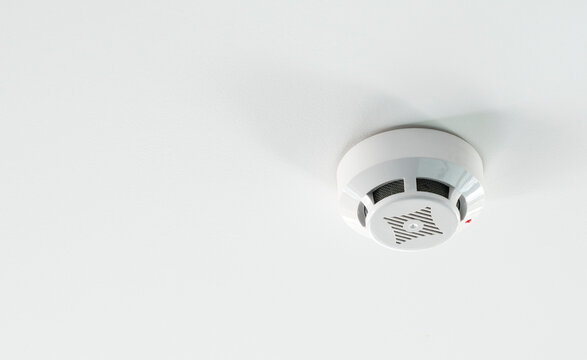
Heat detectors are designed to trigger an alarm when they sense a rapid rise in temperature or when the ambient temperature exceeds a preset limit. While smoke detectors are more common, heat detectors are essential in environments where smoke, dust, or humidity might cause false alarms. You’ll often find them in places like commercial kitchens, laundry rooms, and mechanical rooms, where they provide reliable fire detection without being triggered by normal operational conditions.
Carbon Monoxide (CO) Detectors
Carbon monoxide is an odorless, colorless gas that can be lethal, and it’s often produced during the early stages of a fire. Commercial CO detectors are designed to find this dangerous gas long before it reaches deadly levels. They are a critical safety component in any building with fuel-burning appliances, such as furnaces, water heaters, or commercial ovens. Integrating CO detection into your fire alarm system provides an additional layer of protection for everyone inside your building.
Duct Smoke Detectors
Duct smoke detectors play a very specific but vital role. They are installed in the ductwork of your building’s heating, ventilation, and air conditioning (HVAC) system. Their job is to detect smoke traveling through the ventilation system. If smoke is found, the detector signals the control panel to shut down the HVAC fans, which prevents the smoke from being circulated throughout the entire building. This helps contain the threat and keeps escape routes clearer for occupants.
Manual Pull Stations
Manual pull stations are the components that allow people to take action. These familiar red boxes, typically located near exits and on each floor, empower anyone who spots a fire to activate the alarm system immediately. By simply pulling a lever or pushing a button, they can trigger the building-wide notification system and alert the monitoring center. This human element is a crucial part of any fire safety plan, as it ensures an alarm can be raised even before automated detectors are triggered, providing the earliest possible warning for everyone to evacuate safely.
Notification Appliances
When a fire is detected, notification appliances are the devices that alert everyone in the building to the danger. These come in two main forms: audible and visual. Audible alarms include loud horns, sirens, or even pre-recorded voice messages that provide clear evacuation instructions. Visual alerts consist of high-intensity strobe lights, which are essential for notifying individuals who are deaf or hard of hearing, as well as for cutting through the noise in loud environments like manufacturing floors. The combination of these systems and products ensures your alarm is seen and heard by everyone, facilitating a swift and orderly evacuation.
What Are NFPA Fire Safety Standards?
The NFPA develops codes and standards to minimize the risk and effects of fire. Key among these is NFPA 72, which outlines the design, installation, and maintenance requirements for fire alarm systems in commercial buildings. These standards guide how to build a compliant fire alarm system using the latest security technology, ensuring that systems are up-to-date and effective. Compliance ensures systems are reliable, effective, and capable of providing early warning to occupants, facilitating timely evacuation and response.
Why Your Atlanta Business Must Be NFPA Compliant
- Enhanced Safety: NFPA-compliant systems ensure early detection of fires, allowing for prompt evacuation and emergency response, thereby reducing potential injuries and property damage. Compliance also helps eliminate worry about fire safety and emergency preparedness through professional monitoring, giving you greater peace of mind.
- Legal and Insurance Advantages: Adhering to NFPA standards helps businesses avoid fines and operational disruptions. Non-compliance can lead to severe penalties, denied insurance claims, and even forced closures. Conversely, compliance can position your company favorably with insurance providers, potentially resulting in lower premiums. Some security providers also offer a theft protection guarantee as part of their compliance packages, providing additional reimbursement in case of burglary or theft.
- Risk of Non-Compliance: Non-compliant systems can be as hazardous as having no system at all. DIY installations may lead to improper device placement, system malfunctions, and violations of fire codes, compromising overall business security and safety.
Specific Compliance and Maintenance Rules
Annual Professional Testing
To keep your fire alarm system reliable and effective, the National Fire Protection Association (NFPA) recommends having it professionally tested at least once a year. Think of it as an annual check-up for your building’s most critical life-saving equipment. This isn’t just about ticking a box for compliance; it’s about making sure your system can provide that crucial early warning to everyone inside. Keeping detailed records of every test is also a key part of the process, as it provides proof of maintenance for both legal and insurance purposes. Regular, professional fire alarm services are essential for identifying and fixing any potential issues before they can compromise your system’s ability to function in an emergency, helping you avoid serious fines and, more importantly, protecting your people and property.
How to Choose the Right Fire Alarm System
Selecting a fire alarm system for your business isn’t just about ticking a box; it’s about creating a safe environment for your employees and customers. The right system is a critical investment that protects your property and ensures you meet legal requirements. When you start looking at options, you’ll find a wide range of technologies and features. To make the best choice, you need to consider your building’s specific layout, your business operations, and potential future needs. Think about factors like the size of your space, the number of occupants, and any unique fire risks associated with your industry. A thoughtful approach will help you find a solution that is both effective and compliant.
Reliability and Compliance
The most important qualities of any fire alarm system are reliability and compliance with safety codes. A system that fails during an emergency is worse than no system at all. Choosing the right fire alarm is essential for keeping people safe and following the rules set by organizations like the NFPA. For Atlanta businesses, this means installing a system that meets all local and national fire codes. Working with a professional security provider ensures your system is designed and installed correctly, giving you confidence that it will function when needed. This not only protects lives but also helps your business avoid fines and other penalties associated with non-compliance.
Scalability for Future Growth
Your business isn’t static, and your fire alarm system shouldn’t be either. As your company grows, you might expand your facility, add new rooms, or change the layout of your space. A scalable fire alarm system can adapt to these changes without requiring a complete overhaul. Look for systems that allow you to easily add new detectors, notification devices, or even integrate with other security features. This foresight saves you money and hassle down the road. A good system not only helps your business follow safety rules today but also supports your growth tomorrow, ensuring your fire protection keeps pace with your success.
Smart Features and Integration
Modern fire alarm systems offer much more than just a loud siren. Smart features can significantly improve your system’s effectiveness and your ability to manage it. Look for systems that can be monitored remotely, send instant alerts to your smartphone, or automate certain emergency responses. Integration with other building systems, like HVAC or access control, can also create a more cohesive safety plan. For example, a system could automatically shut down ventilation to prevent smoke from spreading or unlock doors to allow for a quick evacuation. These intelligent capabilities provide a higher level of protection and give you more control over your building’s safety.
Leading Fire Alarm System Brands
When you’re investing in a fire alarm system, the brand you choose matters. Established brands are known for their reliability, advanced technology, and commitment to meeting stringent safety standards. They have a proven track record of protecting businesses and are often the preferred choice for professional installers. While there are many manufacturers on the market, a few consistently stand out for their innovation and quality. Familiarizing yourself with these leading brands can help you have a more informed conversation with your security provider about which systems and products are the best fit for your Atlanta business. Here are a few of the top names in the industry.
Honeywell Notifier
Honeywell Notifier is a well-respected name in the fire safety industry, known for its sophisticated and reliable systems. Their products are designed for a wide range of commercial applications, from small offices to large industrial complexes. Key features often include advanced smoke detection that identifies fires early, integrated voice evacuation systems to provide clear instructions during an emergency, and the ability to create distinct protection zones within a building. Many Notifier systems also offer remote access, allowing you or your monitoring service to check system status from anywhere, ensuring constant vigilance and rapid response to any potential threats.
Kidde
Kidde is another industry leader, offering a variety of fire safety solutions that are both effective and user-friendly. They are particularly known for their versatile systems that can be adapted to different business needs. Many Kidde systems feature wireless connectivity, which simplifies installation and reduces disruption to your operations. They also commonly include battery backups to ensure the system remains operational during a power outage. A standout feature is the ability for alarms to communicate with each other; when one detector is triggered, all alarms in the network will sound. This interconnectedness ensures that everyone in the building is alerted promptly, regardless of their location.
Siemens Cerberus PRO
Siemens brings its engineering expertise to the fire safety market with the Cerberus PRO line. These systems are designed for precision and reliability, incorporating smart technology to minimize false alarms and maximize protection. Cerberus PRO systems often feature multi-criteria sensors that analyze several factors, like smoke and heat, to accurately detect a real fire. They are also highly modular, allowing you to build a system that perfectly fits your facility’s requirements. With features like remote diagnostics and self-testing capabilities, Siemens systems are built for performance and easy maintenance, providing a robust solution for any commercial property.
Edwards EST
Edwards EST is known for its powerful and highly integrated life safety systems. Their solutions are often found in large, complex facilities that require a comprehensive approach to fire protection. A key strength of Edwards systems is their networking capability, which allows multiple alarm panels to work together seamlessly across a large campus or high-rise building. They also feature intelligent smoke detection that can distinguish between real threats and non-emergency conditions. Many EST systems can be monitored remotely and are designed to integrate with other critical systems, such as fire sprinklers, to create a coordinated and effective emergency response.
Advanced Fire Alarm Technologies
The technology behind fire alarm systems is constantly evolving, leading to smarter, faster, and more reliable solutions. These advancements go beyond basic detection to offer more comprehensive protection and management capabilities. From using cellular networks for communication to leveraging artificial intelligence for smoke detection, modern systems are designed to provide earlier warnings and more detailed information during an emergency. Understanding these advanced technologies can help you choose a system that not only meets today’s codes but also provides superior protection for years to come. Here are some of the key innovations shaping the future of fire safety for businesses.
Cellular Communication
In the past, fire alarm systems relied on traditional landlines to send signals to a monitoring center. However, these phone lines can be vulnerable to being cut or damaged during a fire or other emergency. Modern systems increasingly use cellular communication as a more reliable alternative. By using the same technology as your smartphone, these systems can send alarm signals wirelessly over a dedicated cellular network. This ensures that a call for help gets out quickly and reliably, even if your phone lines are down. It’s a simple but powerful upgrade that significantly improves the dependability of your emergency communication.
Cloud-Based Management
Cloud technology has transformed how businesses operate, and fire safety is no exception. Cloud-based management platforms allow you to monitor and manage your fire alarm system from anywhere with an internet connection. You can check the system’s status, review event histories, and receive notifications directly on your computer or mobile device. This remote access is incredibly valuable for business owners and facility managers who need to oversee multiple locations. It also simplifies maintenance and troubleshooting, as technicians can often diagnose issues remotely. This technology gives you unprecedented insight and control over your fire safety system.
Aspirating Smoke Detection
For environments where early warning is absolutely critical, such as data centers or clean rooms, aspirating smoke detection (ASD) offers a higher level of protection. Instead of waiting for smoke to drift into a detector, an ASD system actively pulls air samples through a network of pipes and analyzes them for tiny smoke particles. This process can detect the very earliest signs of a fire, often long before smoke is visible to the naked eye. Some advanced ASD systems even use artificial intelligence to distinguish between smoke and other airborne particles, further reducing the chance of false alarms while providing the fastest possible detection.
Voice Evacuation Systems
During an emergency, confusion can be as dangerous as the fire itself. Voice evacuation systems replace traditional bells or horns with clear, spoken instructions. These pre-recorded messages can guide occupants to the nearest safe exit, provide specific information about the emergency, and help prevent panic. In large or complex buildings like hospitals, hotels, or high-rises, clear communication is essential for an orderly evacuation. These systems can be programmed with different messages for different areas of the building, ensuring that everyone receives relevant and actionable instructions. It’s a smarter way to manage an emergency and keep people safe.
Why Professional Installation Matters for Commercial Fire Alarms
- Professional Installation: Fire alarm systems are professionally installed by certified technicians, ensuring compliance with NFPA standards while considering building layout, occupancy type, and specific fire risks.
- Rigorous Testing and Certification: Post-installation, systems undergo thorough testing to verify functionality and compliance, including alerts for any potential issues, providing peace of mind that the system will perform in emergencies.
- 24/7 Monitoring: Continuous monitoring ensures immediate response to fire alarms, with management of fire alarm systems supported by advanced software for monitoring and analytics. Alerts and notifications can be sent via phone for immediate response, minimizing response times and potential damage.
- Ongoing Maintenance: Regular inspections and maintenance, along with technical support, are mandated by NFPA codes to ensure systems remain operational and compliant, reducing the risk of failure during a fire event. Systems are also regularly serviced to ensure optimal performance.
How Access Control Improves Your Fire Safety Plan
Integrating access control into your business security system is a powerful way to enhance both fire safety and overall security. Access control systems allow you to manage who can enter sensitive areas, helping to prevent unauthorized access to rooms with critical equipment, hazardous materials, or valuable intellectual property. By combining access control with your fire alarm systems, you create a layered security solution that not only protects against intruders but also helps mitigate potential fire hazards. Modern commercial security solutions offer smart security features that seamlessly integrate access control with fire alarm systems, providing real-time alerts and notifications in the event of an emergency. This integration ensures that, during a fire, doors can automatically unlock to facilitate safe evacuation, while security personnel and emergency responders receive instant updates. Professional installation guarantees that your access control system works in harmony with your existing security systems and technology, delivering a tailored security solution that fits your business’s unique needs. With local service and support from a dedicated customer service team, you gain peace of mind knowing your business is protected around the clock. Access control systems can also be paired with security cameras and alarm systems, offering comprehensive protection for your employees, customers, and property. Whether you operate a small business or manage large commercial properties, integrating access control into your business security system is a smart investment in safety, security, and operational efficiency.
How Proactive Fire Safety Reduces Business Costs
Proactive fire safety solutions are not just about compliance—they’re a smart way for businesses to cut costs and protect valuable assets. By investing in commercial security solutions that include advanced fire alarm systems, security cameras, and access control, businesses can prevent costly damage to property and equipment before it happens. Smart security systems with integrated fire safety features offer a comprehensive security solution that leverages the latest technology to detect threats early and minimize risk. Professional installation and ongoing monitoring of your fire safety systems provide peace of mind, ensuring your business is always protected. Access control systems and security cameras work alongside fire alarm systems to create a proactive approach to fire safety, helping to prevent false alarms, reduce the risk of theft, and safeguard your property. These business security solutions are especially valuable for commercial properties, where the stakes are high and the need for reliable protection is critical. By taking a proactive stance, businesses can avoid the financial losses associated with fire incidents and security breaches. Comprehensive security solutions that include fire safety measures not only protect your employees and customers but also help maintain smooth business operations. Investing in proactive fire safety is an effective way to cut costs, protect your business, and ensure a safe, secure environment for everyone who enters your property.
Breaking Down the Cost of a Commercial Fire Alarm System
Investing in a commercial fire alarm system is one of the most important financial decisions you’ll make for your business. While it requires an upfront investment, it’s a critical expense for protecting your property, your employees, and your livelihood. The total cost isn’t a single number; it’s a combination of initial installation and equipment fees, followed by recurring costs for maintenance and monitoring. Understanding this breakdown helps you budget effectively and see the long-term value in a professionally managed system that keeps your Atlanta business safe and compliant with NFPA standards.
Installation and Equipment Costs
The initial cost to install a commercial fire alarm system can vary widely, typically ranging from $1,800 to over $20,000. This range depends heavily on the size and complexity of your building. A straightforward system in a small retail space might cost between $1 to $5 per square foot, while a more intricate setup for a large or high-risk facility could be much higher. The final price tag is influenced by the specific systems and products required, including the number of smoke detectors, heat detectors, manual pull stations, and notification appliances needed to cover the entire property according to code. A professional assessment is the best way to get an accurate quote tailored to your business’s unique layout and fire safety needs.
Ongoing Maintenance and Monitoring Costs
After the initial installation, you’ll have ongoing costs to keep your system functioning correctly and in compliance with NFPA 72. Professional 24/7 monitoring is essential, with monthly fees generally falling between $25 and $100. This service ensures that if an alarm is triggered, emergency services are dispatched immediately. Additionally, NFPA standards mandate regular inspections to verify your system is in perfect working order. Annual inspections typically cost between $50 and $200 per control panel. These recurring services are not just a good idea—they are a legal requirement that protects your business from fines and ensures your system will be reliable when you need it most.
Your Local Expert for Commercial Fire Alarms in Atlanta
With over 25 years of experience, American Alarm Corporation specializes in designing, installing, and maintaining NFPA-compliant fire alarm systems and encourages you to contact us for tailored solutions suitable for Atlanta’s diverse commercial properties. Unlike national providers such as ADT, we offer local expertise, personalized service, and unique solutions that set us apart. Our services include:
- Security System Monitoring Atlanta – serving small businesses, large commercial properties, and everything in between to keep your business safe with the latest features in security technology.
- Alarm Reactivation & Monitoring – reliable alarm monitoring services to protect your assets, employees, and ensure a safer home or business environment.
- Atlanta Commercial Alarm Repair
- NFPA Fire Alarm Services (installation, monitoring, and certification)
In addition to commercial security, we also specialize in home security and home security systems, including smart home security system options with Wi Fi connectivity and customizable features. Protecting homes and creating a safer home is at the core of our mission, and we are committed to providing business-safe solutions for both residential and commercial clients.
Ready to Improve Your Fire Safety?
Fire safety is not just a regulatory requirement but a critical component of business continuity and occupant safety. Implementing a compliant, well-maintained fire alarm system protects your assets, employees, and customers. Don’t wait for a fire incident to highlight vulnerabilities or worry about your business’s future. Contact American Alarm Corporation today to discuss your fire safety needs, and fill out our contact form to schedule a consultation or request more information.
Frequently Asked Questions
What is an NFPA-compliant fire alarm system?
When we say your fire alarm system is NFPA-compliant, we mean it meets the strict standards set by the National Fire Protection Association. These standards cover everything from how your system is designed and installed to how it’s monitored and maintained. We follow NFPA 72 and other relevant codes to ensure your business is protected and your system is legally compliant.
Is my Atlanta business meeting fire code?
Our licensed technicians can perform a full fire alarm inspection to determine whether your system meets local and national codes, including NFPA standards. We’ll identify any gaps, provide recommendations, and help bring your system into full compliance—whether you’re in a high-rise in Midtown, a historic storefront in Inman Park, or a warehouse on the outskirts.
What happens if I don’t comply with fire safety regulations?
Non-compliance puts your business at serious risk. You could face costly fines, insurance claim denials, or even forced shutdowns. Worse, a faulty or outdated fire alarm system could fail when you need it most. That’s why we strongly recommend routine inspections, testing, and professional monitoring to protect both your people and property.
Can you service my existing fire alarm system?
Yes, we offer fire alarm reactivation, monitoring, and repair services—even if we didn’t install your original system. If your system has been inactive or hasn’t been inspected recently, we can bring it up to code, connect it to our 24/7 monitoring service, and ensure it’s fully operational.
Why choose a local Atlanta fire alarm company?
We’ve been protecting Atlanta businesses for more than 25 years. We understand the unique fire safety needs of local properties—from historic buildings to modern mixed-use spaces—and we specialize in tailored, NFPA-compliant fire alarm systems. With us, you get personal service, fast response times, and decades of expertise in protecting what matters most.
Key Takeaways
- Match the System to Your Space: The best fire alarm isn’t one-size-fits-all. A professional assessment will help you select the right technology—from simple conventional systems to advanced addressable ones—based on your building’s specific size, layout, and function.
- Prioritize NFPA Compliance: Adhering to National Fire Protection Association standards is crucial. It ensures your system will work reliably during an emergency and protects you from fines, legal issues, and potential insurance complications.
- Look Beyond the Initial Install: A fire alarm system requires ongoing attention to be effective. Plan for essential recurring services like 24/7 professional monitoring and annual inspections to keep your system compliant and ready to respond at a moment’s notice.


Leave a Reply
Want to join the discussion?Feel free to contribute!