How to Choose a Partner for Integrating Access, Video, and Fire Systems
Securing your business property feels like a huge task, right? You know you need more than a simple lock and key, but the sheer number of technologies can be overwhelming. A professional business access control installation is a great first step, but it’s only one piece of the puzzle. True security comes from making sure your access, video, and fire systems all talk to each other. So, how to choose a partner for integrating access, video, and fire systems? We’ll help you find an expert who can ensure the complete installation of access control system and other components work together perfectly.
Key Takeaways
- Manage Entry with Precision: An access control system lets you decide who goes where and when, replacing risky traditional keys with secure credentials that can be deactivated instantly.
- Vet Your Installer Thoroughly: The quality of your installation is just as important as the system itself. Prioritize certified, experienced professionals over the lowest price to ensure your system is reliable from day one.
- Plan for the System’s Full Lifecycle: A successful security strategy includes budgeting for the total cost—hardware, installation, and ongoing maintenance—and making sure your team receives proper training.
Is an Access Control System Right for Your Business?
When you think about securing your business, locks and alarms are probably the first things that come to mind. But what about controlling who can actually walk through your doors and access specific areas once inside? That’s where an access control system comes in. It’s a way to manage entry for your employees, clients, and vendors, ensuring only the right people have access to the right places. It’s easy to become complacent about who holds a key or knows a door code, but an effective access control system moves you beyond traditional keys, which can be lost, stolen, or copied. Instead, you can use key cards, fobs, or even mobile phones to grant entry. If an employee leaves, you don’t have to change the locks; you simply deactivate their credential. This gives you precise control over your property, protecting your team, your assets, and your sensitive information from unauthorized entry.
Exploring Your Access Control Options
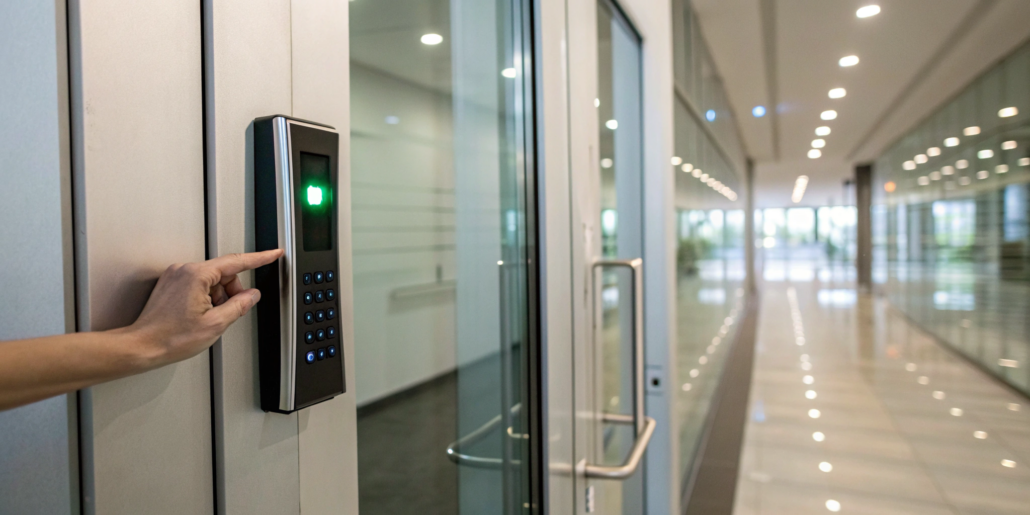
Access control isn’t a one-size-fits-all solution. The right system for your business depends on your specific needs, the size of your property, and your security goals. The most common types you’ll encounter use credentials like key cards or fobs that employees swipe or tap on a reader. More advanced options include biometric systems that use fingerprints or facial recognition for higher-security areas. There are also mobile-based systems that allow employees to use their smartphones as their key. Certified professionals can help you design and configure a secure entry system that protects your business from unauthorized access and fits seamlessly into your daily operations.
What Can Access Control Do for Your Atlanta Business?
For any Atlanta business, an access control system is a smart investment that pays off in multiple ways. First and foremost, it protects your people and property. You can manage who enters your building and restrict access to sensitive areas like server rooms, inventory storage, or executive offices. This keeps unwelcome visitors out and helps prevent theft and vandalism. Beyond that, these systems create a detailed audit trail, logging every entry attempt. This data is incredibly useful for tracking activity and investigating any incidents. It also simplifies employee turnover—no more collecting keys or rekeying locks. You just turn off access with a click, saving you time and money while keeping your business secure.
Why Integrated Security is a Business Necessity
An access control system is a powerful tool, but it’s even more effective when it doesn’t work in isolation. Think of it as one part of a larger, smarter security strategy. Integrated security is about making all your protective systems—like access control, alarm systems, and video surveillance—communicate and work together as a single, cohesive unit. This approach is essential for modern businesses because it closes the gaps that can exist between separate, disconnected technologies. Instead of managing multiple systems independently, you get a streamlined, holistic view of your property’s security from a single platform, which simplifies operations and strengthens your overall protection.
When your systems are integrated, they can react to events in a more intelligent way. For example, if an unauthorized access attempt occurs at a restricted entry point, your system can automatically trigger video recording of the area and send an alert directly to you or your monitoring service. This seamless coordination provides a much more robust response than any single system could on its own. Building a comprehensive security solution with a trusted partner ensures all the components are designed to work together perfectly, giving you a setup that is truly tailored to your business needs and provides greater peace of mind.
The Power of an Integrated Security System
An access control system is a powerful tool on its own, but its true value emerges when it works in concert with your other building systems. Think of it as the brain of your security operation, coordinating different components to create a seamless, intelligent environment. When your access control, alarms, and even your building management systems communicate, you move from simply reacting to threats to proactively managing your property. This level of integration creates a smarter, more efficient, and more secure space. Designing a system where all the pieces work together is key, which is why partnering with experts who understand how to build these comprehensive security solutions is so important for protecting your business effectively.
Connecting Access Control with Alarm Systems
One of the most practical benefits of an integrated system is the direct link between access control and your alarm monitoring. Imagine an employee arriving in the morning; when they use their key card for entry, the system can automatically disarm the alarm in that specific area. This simple action reduces the risk of false alarms and streamlines daily opening procedures. On the other hand, if a door is forced open, the access control system can instantly trigger an alarm and notify the monitoring center. This direct link ensures a faster, more accurate response to potential threats, giving you confidence that your property is protected around the clock.
Integrating with Building Management Systems
Beyond security, integrating access control with your building management systems can lead to significant operational efficiencies and cost savings. For example, the system can be programmed to adjust lighting and temperature settings based on occupancy. When the last authorized person leaves a floor and swipes their card to exit, the system can automatically turn off the lights and lower the thermostat, reducing energy consumption without any manual effort. This turns your security infrastructure into a smart investment that contributes to your bottom line and supports your company’s sustainability goals. It’s a perfect example of how modern security products can enhance overall business operations.
Streamlining Visitor Management
An integrated system can also transform how you manage guests, creating a more professional and secure experience. Instead of manual sign-in sheets, you can pre-register visitors and issue them temporary digital credentials sent directly to their smartphones. When they arrive, they can quickly and easily gain access to designated areas, such as the lobby or a specific meeting room, for a set period. This not only improves the visitor experience by reducing wait times but also enhances security. You maintain a clear digital record of everyone who enters your building, and their access automatically expires, ensuring they can’t re-enter without authorization.
Finding the Right Partner for Your Access Control Installation
Picking the right company to install your access control system is just as important as choosing the system itself. The right partner will ensure your system is set up correctly, works seamlessly with your operations, and provides reliable security for years to come. A poor installation, on the other hand, can lead to security gaps, constant frustrations, and wasted money. To make a confident choice, you need to look beyond the price quote and evaluate an installer’s qualifications, experience, and approach.
Installer vs. Integrator: What’s the Difference?
When you’re looking for a professional to set up your security, you’ll hear the terms “installer” and “integrator” used, and it’s important to know they aren’t the same thing. Think of an installer as someone who focuses on the individual components. They’ll expertly mount the card reader, connect the door lock, and ensure that specific piece of hardware is running correctly. An integrator, however, looks at the bigger picture. They are the experts who make sure all your different security systems—like access control, alarms, and video surveillance—communicate and work together as one unified, intelligent network. This approach transforms a collection of separate devices into a cohesive security strategy, giving you much more powerful and streamlined protection for your business.
Combining On-Site and Cybersecurity Defenses
This big-picture approach is critical because modern security isn’t just about what happens at your front door; it’s also about protecting the network that your systems run on. A true security integrator understands that on-site protection and cybersecurity are two sides of the same coin. As one industry expert puts it, a security integrator connects all your security systems into one complete, working network, ensuring everything works together smoothly. They design your system to be resilient not only against a forced entry but also against digital threats that could compromise your network-connected devices. This combined defense is essential for creating a truly secure environment, ensuring that every potential vulnerability, whether on-site or online, is addressed.
What Qualifications and Certifications Actually Matter?
When you’re vetting installers, start by checking their credentials. Access control system installers are certified professionals trained to design and deploy secure entry systems that protect your business. Certifications aren’t just fancy pieces of paper; they show that a technician has proven their knowledge and skills. Certified systems have been tested to meet specific industry criteria, which assures you of their reliability and effectiveness. Working with a certified installer means you’re getting someone who understands the technical details and best practices for keeping your property secure, giving you peace of mind that the job will be done right the first time.
Why Experience and Expertise Are Non-Negotiable
There’s simply no substitute for hands-on experience. An installer who has been in the business for years has encountered and solved a wide range of challenges that a newcomer hasn’t. Common mistakes with access control often come from a lack of knowledge or attempts to cut corners during implementation. An experienced professional knows how to avoid these pitfalls. They can recommend the right solutions for your specific needs and anticipate potential issues before they become problems. When you learn about a company’s history, you get a sense of their stability and long-term commitment to their clients.
Ensuring Seamless System Integration
Your access control system shouldn’t operate in a silo. It needs to work with your business operations and, ideally, integrate with your other security measures. One of the biggest mistakes is choosing a system that doesn’t fit the size or risks of your property. A great installer will take the time to understand your needs and recommend a system that fits perfectly. They’ll also discuss how it can connect with other tools, like your commercial camera systems, to create a more comprehensive security network. Overlooking integration can lead to security gaps and make managing your systems more complicated than it needs to be.
Smart Questions to Ask a Potential Installer
Before you sign a contract, make sure you have a clear conversation with any potential installer. Being prepared with the right questions can reveal a lot about their expertise and approach. Don’t hesitate to ask about the technology they use—installing out-of-date hardware can compromise your security from day one.
Here are a few key questions to get you started:
- How will this system scale if my business grows?
- Can you manage multiple locations from a single dashboard?
- What kind of training will you provide for my team?
- What does your warranty and ongoing support look like?
A professional and transparent installer will be happy to answer your questions and provide clear, confident answers.
How will you protect our data?
Modern access control systems do more than just open doors; they collect and store valuable data, including employee schedules and access logs. This information is sensitive and needs to be protected from cyber threats. When you interview an installer, ask them directly how they plan to safeguard your data. A professional company should be able to explain their protocols for data encryption, secure network configuration, and how they prevent unauthorized access to the system’s backend. Their answer will reveal how seriously they take cybersecurity and whether they are equipped to protect your business from digital vulnerabilities, not just physical ones. This is a critical conversation that goes beyond the hardware itself, ensuring your security investment doesn’t create a new data breach risk.
Do you use open platforms?
This question helps you avoid getting locked into a single manufacturer’s ecosystem. Some security products are proprietary, meaning they only work with hardware and software from the same brand. This can limit your options for future upgrades or integrations. An installer who works with open platforms provides you with much more flexibility. These systems are designed to be compatible with a wide range of technologies from different vendors, allowing you to mix and match components to create the best possible solution for your business. Choosing an installer who prioritizes open platforms shows they are focused on your long-term needs, giving you the freedom to adapt and expand your security as your business evolves without having to start from scratch.
How do you manage project expectations?
A smooth installation process depends on clear communication and a shared understanding of the project’s scope and timeline. Ask potential installers how they manage client expectations from start to finish. A reliable partner will be transparent about what is achievable, set realistic goals, and provide a clear roadmap for the installation. They should be able to explain what will happen at each stage, who your point of contact will be, and how they handle any unexpected issues that may arise. This question helps you gauge their professionalism and project management skills. You want a partner who communicates proactively and keeps you informed, ensuring there are no surprises and that the final result aligns perfectly with what you discussed.
How Much Does an Access Control Installation Cost?
Let’s talk about the budget. When you’re investing in a new system for your business, the cost is always a major factor. The final price for an access control system isn’t just one flat number; it’s a combination of hardware, the complexity of the installation, and any ongoing support you might need. Understanding how these pieces fit together will help you make a smart, informed decision without any surprises down the road.
The total investment can vary quite a bit depending on the size of your property and the specific features you need. A small office with a single entry point will have a very different price tag than a large commercial building with multiple doors and advanced security requirements. That’s why a one-size-fits-all price list doesn’t really work. Instead, by breaking down the costs into clear categories, you can see exactly where your money is going and build a budget that makes sense for your Atlanta business. Think of it less as a single expense and more as a strategic investment in your company’s safety and efficiency. We’ll walk through each component so you can feel confident about what to expect.
A Breakdown of Equipment and Hardware Costs
The foundation of your access control system is the hardware itself. The main components you’ll need to budget for include electronic locks, card readers, and door controllers. Electronic locking hardware can range from around $50 for a basic model to $900 for something more robust. Card readers and scanners, which grant access, typically fall between $80 and $1,200.
The door controllers are the brains of the operation, connecting everything and making the decisions. These can range from $180 to $3,500, depending on how many doors you need to manage and the complexity of the system. The specific systems and products you choose will directly impact this part of your budget.
What to Budget for Installation and Labor
Once you have the hardware, you need a professional to put it all together correctly. Installation costs depend heavily on your building’s current setup. If your office is already wired for a security system, a straightforward installation might cost between $200 and $600 per door. However, if the project requires new wiring and new locks, the cost can be higher, typically between $1,200 and $2,500 per door.
This is why getting a custom quote is so important. A professional installer can assess your property and give you an accurate estimate based on the actual work required. This ensures you’re not paying for things you don’t need and that the job is done right the first time.
Budgeting for Long-Term Maintenance and Support
Your access control system is a long-term tool, and like any technology, it needs some ongoing attention to perform at its best. It’s wise to budget for maintenance and support from the start. Many providers offer service plans that include regular check-ups, software updates, and technical support when you need it.
These monthly service fees can range from $100 to $180 and are a worthwhile investment in the system’s reliability and longevity. Factoring these ongoing security services into your budget ensures your system remains effective for years to come, protecting your initial investment and keeping your business secure.
Your Access Control Installation: What to Expect
Once you’ve chosen the right installer, you can look forward to a streamlined process that gets your new system up and running with minimal fuss. A professional installation is more than just mounting hardware; it’s a carefully planned project designed to secure your business effectively from day one. Knowing what’s coming helps you prepare your space and your team, ensuring a smooth transition to a more secure facility. From the initial walkthrough to the final training session, here’s a step-by-step look at what you can expect from a professional access control installation.
Step 1: Initial Assessment and Planning
The first step is a thorough on-site assessment. Your installer will walk through your property with you to understand your daily operations, identify key entry and exit points, and discuss your specific security goals. This isn’t just about picking out doors for card readers; it’s about creating a comprehensive plan tailored to your business. A great installer will ask questions about employee traffic, visitor management, and any sensitive areas that require extra protection. This detailed planning phase is crucial because many common mistakes with access control systems happen when businesses cut corners on implementation. A solid plan ensures every component is placed for maximum effectiveness and that the system truly meets your needs.
Pre-Installation Compatibility Testing
Before a single wire is run, a crucial step is making sure all the components of your new system can talk to each other. Think of it like a dress rehearsal for your security. A professional installer will test the compatibility of the card readers, door controllers, and software to confirm they work together seamlessly. This proactive check is essential because overlooking it can lead to major headaches, from security gaps to a system that’s a nightmare to manage. By ensuring different systems can communicate before installation, your installer prevents problems before they start, guaranteeing a smooth and reliable setup. It’s a hallmark of a thorough process that prioritizes getting your security right from the very beginning.
Step 2: The Installation Timeline and How to Minimize Downtime
With a plan in place, your installer will schedule the installation. A key concern for any business is downtime, and a professional team understands this. They will work with you to find a time that causes the least disruption, whether that’s during off-hours or over a weekend. They should provide a clear timeline so you know exactly what to expect and for how long. During the installation, certified technicians will run wiring, mount hardware like card readers and electric locks, and connect everything to a central control panel. Their expertise ensures that every piece of equipment is installed according to the manufacturer’s specifications, which is essential for the system to function correctly and reliably.
Step 3: System Testing and Team Training
After the physical installation is complete, the system needs to be rigorously tested. The technicians will configure the software and then test every component, from individual key cards to door sensors, to confirm everything is communicating and working as it should. This is your chance to see the system in action and ask questions. Once everything is verified, the installer will train you and your designated team members on how to use the system. This includes managing user permissions, adding or removing credentials, running reports, and handling basic troubleshooting. Proper training empowers your team to manage day-to-day access confidently and get the most out of your new security investment.
Step 4: Understanding Your Support and Warranty
A reputable installer’s job doesn’t end when the installation is finished. They should provide comprehensive information about ongoing support and warranty coverage. At American Alarm, we offer a one-year warranty on both parts and labor for our work, giving you peace of mind that your investment is protected. You should also discuss options for ongoing maintenance plans to keep your system updated and running smoothly for years to come. Having a reliable partner you can call for support or future upgrades is just as important as the initial installation. These long-term services ensure your access control system remains a valuable asset for your business.
Is It Time to Upgrade Your Access Control System?
If you’re still relying on traditional keys or an older keypad system, you might be leaving your business more vulnerable than you think. An outdated system can be a hassle to manage and may not offer the level of protection your business needs. Technology has come a long way, and modern access control systems offer more than just a locked door—they provide detailed insights, remote management, and the flexibility to grow with you. Let’s look at a few signs that it might be time for an upgrade.
Improve Security with Better Monitoring
Traditional key-and-lock systems come with a lot of headaches. When an employee leaves, can you be sure they didn’t make a copy of their key? What happens when a key is lost? Re-keying your entire building is expensive and disruptive. Modern access control systems eliminate these risks entirely. Instead of keys, you use key cards, fobs, or even mobile credentials that can be deactivated with a single click. Plus, these systems create a detailed log of who enters and when, giving you a clear picture of activity on your property and adding a powerful layer of accountability.
Manage Access from Anywhere with Mobile Features
As a business owner, you can’t be on-site 24/7. That’s where the convenience of a modern system really shines. With cloud-based access control, you can manage your entire system from your smartphone or computer, no matter where you are. Need to grant temporary access to a delivery driver or a contractor after hours? You can do it remotely. Want to check if the last employee out locked up properly? You can pull up the activity log in seconds. This level of remote control gives you incredible flexibility and peace of mind, ensuring your business is secure even when you’re not there.
Future-Proof Your Business with a Scalable System
Your business isn’t static, and your security system shouldn’t be either. A major benefit of upgrading is scalability. As your company grows—whether you’re hiring more staff, opening a new location, or expanding your current space—a modern system can easily adapt. You can add new users, secure more doors, and even integrate your access control with other security products like video surveillance cameras. Choosing a scalable solution is a smart investment that protects your business not just today, but for years to come, saving you from having to start from scratch down the road.
The Move to Cloud-Based Platforms
One of the most significant advancements in access control is the shift to the cloud. Cloud-based platforms are quickly becoming the standard, making it much easier to set up, update, and manage your security systems remotely. Instead of housing a bulky server on-site, your system is managed securely online. This change streamlines your security operations and improves overall efficiency, allowing you to grant or revoke access, check activity logs, and adjust schedules from anywhere with an internet connection. It’s a more flexible and scalable approach that grows with your business without requiring major hardware overhauls.
Leveraging AI and Analytics for Proactive Security
Modern access control is also getting much smarter, thanks to artificial intelligence. AI and analytics are transforming these systems by enabling them to analyze entry data and even video feeds to identify unusual patterns or potential threats. For example, the system can learn your typical business hours and flag an entry attempt that happens at 3 a.m. This proactive approach allows you to respond to potential security incidents before they escalate. By integrating with your commercial camera systems, this technology adds a powerful layer of intelligence that helps you stay ahead of risks.
Choosing an Installer? Avoid These Common Mistakes
Selecting the right installer is just as critical as picking the right access control system. The quality of the installation directly impacts your system’s reliability and effectiveness. A great installer ensures everything works seamlessly from day one and provides support when you need it. To help you make a confident choice, let’s walk through some common missteps businesses make during this process and how you can steer clear of them. Making the right decision now will save you from headaches and security vulnerabilities down the road.
Looking at Price Over Value
It’s easy to let the bottom line drive your decision, but choosing an installer based on the lowest quote can be a costly mistake. An unusually low price might signal subpar equipment, inexperienced technicians, or a lack of comprehensive support. Cutting corners on implementation often leads to system malfunctions, security gaps, and unexpected future expenses. Instead of just looking at the initial cost, consider the overall value. A reputable installer provides high-quality hardware, expert installation, and reliable support, ensuring your investment protects your business for years to come. Look for transparent pricing that covers all aspects of the job, from equipment to labor and ongoing service.
Ignoring Your Business’s Future Needs
Your business isn’t static, and your security system shouldn’t be either. A common oversight is choosing an access control system that meets your current needs but can’t scale for future growth. Think about where your business will be in five or ten years. Will you need to add more doors, users, or locations? A scalable system can adapt with you. It’s also crucial to consider how the system will integrate with your existing security infrastructure, like alarm systems and video surveillance. A standalone system that doesn’t communicate with your other tools can create security blind spots and operational inefficiencies. We offer a range of systems and products designed to grow with your Atlanta business.
Skipping Your Homework on Certifications and References
Not all installers are created equal. Before you sign a contract, do your due diligence. Verify that the company and its technicians hold the proper licenses and certifications for installing security equipment in Georgia. These credentials show that they have the training and knowledge to do the job right. Don’t be shy about asking for references from other local businesses they’ve worked with. A confident, experienced installer will be happy to share them. Following up on these references gives you real-world insight into their professionalism, quality of work, and customer service. Our team at American Alarm has been protecting Atlanta businesses since 1995, and we’re proud of our track record.
Underestimating the Need for Training and Support
An access control system is only effective if your team knows how to use it properly. A mistake many businesses make is investing in advanced technology without ensuring their staff receives thorough training. This can lead to simple errors that compromise your building’s security, like propping doors open or sharing access credentials. A professional installer should provide comprehensive training for your team. Equally important is long-term support. What happens if you encounter an issue or need to make changes to the system? Ensure your installer offers ongoing maintenance and support services to keep your system running smoothly and securely for the long haul.
Keeping Your Access Control System in Top Shape
Installing a new access control system is a great first step, but the work doesn’t stop there. Just like any other critical piece of business technology, your system needs regular attention to perform at its best for years to come. Consistent maintenance ensures your investment remains effective, reliable, and secure. Think of it as preventative care for your property’s protection. By staying on top of a few key tasks, you can avoid unexpected failures, address vulnerabilities, and make sure your system keeps up with your business needs.
Why Regular System Check-ups Matter
Scheduling regular check-ups for your access control systems is the best way to catch small issues before they become big problems. During these inspections, a professional can assess the function of every component, from card readers to door locks, ensuring everything works as it should. It’s also smart to regularly review your system’s activity logs. These logs provide a detailed record of who accessed what areas and when, making it easier to spot unusual patterns that could signal a security risk. This proactive approach keeps your system running smoothly and your property secure.
Don’t Skip Critical Software Updates
The software that runs your access control system is its brain, and it needs to be kept up-to-date. Manufacturers release software updates to patch security vulnerabilities, fix bugs, and sometimes even add new features. Skipping these updates can leave your system exposed to potential threats and cause performance issues. Regular maintenance that includes software updates is crucial for preventing system failures. By keeping your software current, you ensure your system is equipped with the latest security features and is as resilient as possible against evolving risks.
Signs It’s Time for a System Upgrade
Even the best-maintained system will eventually need an upgrade. Technology moves fast, and a system that was state-of-the-art five or ten years ago might lack the features and integrations your business needs today. Regular assessments can help you decide if your current system is still the right fit. If you’re expanding, need more advanced features like mobile access, or find that your current system is becoming unreliable, it might be time to upgrade your access control system. Planning for an upgrade proactively can save you from the costs and headaches of dealing with an outdated, vulnerable system.
Related Articles
- How an Access Control System Secures Your Business
- Access Control Systems for Enhanced Security and Peace of Mind
- 6 Best Commercial Access Control Companies
- Top Commercial Alarm Systems to Protect Your Business in 2025
Frequently Asked Questions
Is an access control system really necessary for a small business?
Absolutely. It’s a common misconception that these systems are only for large corporations. For a small business, the cost and hassle of re-keying your locks every time an employee leaves can be significant. An access control system eliminates that expense entirely. It also gives you a clear record of who is entering your space and when, which provides incredible peace of mind and accountability, no matter the size of your team.
What happens if an employee loses their key card or fob? Is it a security risk?
This is one of the best reasons to move away from traditional keys. If a key is lost, you have no idea who might find it. With an access control system, a lost card or fob is a minor inconvenience, not a security crisis. You can simply log into the system and deactivate that specific credential in seconds, making it completely useless. There’s no need to change locks or worry about unauthorized entry.
How much will the installation process disrupt my daily business operations?
A professional installation team understands that you need to keep your business running. The process is planned specifically to minimize disruption. Much of the work can be scheduled during off-hours or on weekends. A thorough assessment at the beginning ensures the technicians arrive prepared and can work efficiently, getting your system up and running with as little impact on your team and customers as possible.
My business is growing. What if I need to add more doors or users to the system later?
That’s the beauty of a modern access control system. They are designed to be scalable. When we help you choose a system, we always discuss your future plans. This ensures the solution we install today can easily grow with you tomorrow. Adding new users is a simple software task, and expanding to new doors or even new locations can be done without having to replace your entire system.
Besides controlling doors, what other benefits does an access control system offer?
While securing entry points is the main job, these systems offer much more. They create a detailed audit trail, which is an invaluable tool for tracking activity and investigating any incidents, from a simple HR issue to a theft. You can also integrate them with other security tools, like your commercial camera system, to create a more comprehensive and responsive network that protects your people and your property.


Leave a Reply
Want to join the discussion?Feel free to contribute!