
What Is NFPA Compliance & Why Does It Matter?
You passed your fire inspection. Great. But that single checkmark from last year might not protect you today. Fire codes aren’t static suggestions—they’re strict legal requirements that are constantly evolving. Failing to maintain proper NFPA compliance, especially with standards like NFPA 72, can lead to crippling fines or even a forced shutdown. And with the 2025 NFPA code updates on the horizon, what was compliant yesterday might not be tomorrow. True compliance with fire safety regulations for alarm systems isn’t a one-time task. It’s an ongoing commitment to protecting your people, your property, and your future.
At American Alarm Corporation, we ensure Atlanta businesses remain fully NFPA-compliant, providing expert fire alarm installation, full alarm monitoring service, and maintenance to eliminate compliance risks before they turn into costly problems.
Key Takeaways
- NFPA compliance for fire alarm systems is essential for protecting lives, and property, and avoiding legal consequences.
- Regular maintenance, audits, and updates to fire alarm systems are crucial to ensure ongoing compliance with NFPA standards.
- Choosing a qualified installation partner and conducting thorough pre-inspection checks can significantly reduce the risk of non-compliance during fire marshal inspections.
What is NFPA Compliance and Why Does It Matter?
The National Fire Protection Association (NFPA) sets strict guidelines for fire alarm installation, maintenance, and alarm monitoring only. These standards are not optional—they are legally enforced by fire marshals and local authorities. NFPA compliance means:
- Proper installation of fire alarm systems that meet NFPA 72 standards.
- Regular testing and maintenance to ensure alarms activate during emergencies.
- Ongoing monitoring services to provide immediate alerts to emergency responders.
Many businesses believe that once they pass an inspection, they are in the clear. However, fire codes are updated regularly, and if your system isn’t up to date, you’re already at risk of non-compliance. American Alarm Corporation ensures businesses remain compliant with the latest regulations, preventing unexpected violations. In addition to these core requirements, NFPA compliance involves understanding and implementing various other standards that pertain to specific components of fire safety systems. For instance, the NFPA 101 Life Safety Code outlines the minimum requirements for the design, operation, and maintenance of buildings and structures for safety from fire and related hazards. This code works alongside NFPA 72 to provide comprehensive fire protection solutions. Moreover, NFPA compliance is not just about adhering to current standards but also preparing for future updates. This involves staying informed about changes in fire safety technology and evolving best practices. By doing so, businesses can not only ensure compliance but also enhance their overall safety protocols.
The History and Mission of the NFPA
So, what exactly is the NFPA? The acronym stands for the National Fire Protection Association, a global nonprofit organization with a straightforward mission: to reduce the devastating effects of fire and other hazards. Founded in 1896, the NFPA was created to standardize the new and often chaotic world of fire sprinkler systems. Today, its scope is much broader, but the core goal remains the same—protecting people and property. Think of the NFPA as the leading authority that researches and develops the best practices for fire safety. Their work provides the foundation for the fire codes and standards that keep our workplaces and public spaces safe, ensuring there’s a unified, expert-driven approach to fire prevention across the board.
How NFPA Standards Are Developed and Maintained
The NFPA doesn’t just set a rule and forget it. The organization publishes over 300 different codes and standards that are constantly evolving. Why the constant updates? Because technology, building materials, and our understanding of fire behavior are always changing. These codes are regularly reviewed and revised to incorporate new technologies, reflect changes in industry practices, and apply lessons learned from past incidents. This dynamic process ensures that the standards remain relevant and effective. For a business owner, this means that the fire alarm system that was compliant five years ago might not meet today’s requirements, making ongoing vigilance and professional guidance essential for staying protected and within the law.
The Legal Weight of NFPA Codes
Here’s a common point of confusion: the NFPA is not a government agency, so it doesn’t have the power to enforce its own rules or issue fines. Following their guidelines is, from their perspective, voluntary. However—and this is the critical part—local and state governments across the country adopt NFPA codes and write them into law. This is what gives them legal teeth. Your local fire marshal isn’t just offering friendly advice; they are enforcing legally-mandated standards based on NFPA guidelines. This is why non-compliance can lead to serious penalties. Partnering with experts who provide NFPA fire alarm services ensures your business meets these mandatory local requirements, protecting you from fines and liability.
The High Cost of Ignoring NFPA Compliance
Failing to meet NFPA standards isn’t just a legal issue—it’s a serious risk to your business, your employees, and your customers. Non-compliance can result in:
Risking System Failure in a Real Emergency
A faulty or outdated fire alarm system may not activate when a real fire occurs, putting lives at risk and potentially causing catastrophic losses.
Facing Denied Insurance Claims After a Fire
Insurance companies can deny claims if your fire alarm system is found to be non-compliant. Even if your business survives a fire, the financial fallout could be devastating.
Unexpected Inspections and Costly Fines
Fire marshals conduct unexpected inspections, and non-compliant businesses face severe penalties. Failure to maintain NFPA standards can result in fines, mandatory shutdowns, and expensive emergency upgrades. At American Alarm Corporation, we take a proactive approach to compliance, preventing these risks before they happen. Ensuring compliance also involves educating employees about fire safety protocols and conducting regular fire drills. This not only prepares them for emergencies but also reinforces the importance of maintaining a compliant and safe working environment. Additionally, businesses should consider integrating smart home automation and cutting-edge technology into their fire alarm systems. This integration can provide real-time alerts and enhance the effectiveness of emergency responses. 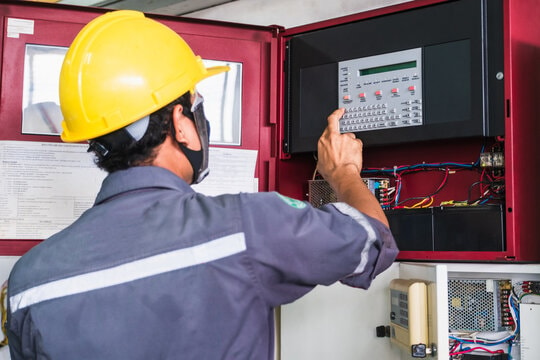
Understanding Key NFPA Codes
The NFPA handbook is filled with codes that can feel overwhelming, but you don’t need to be an expert in all of them. Focusing on a few key standards will give you a strong foundation for protecting your business and ensuring you’re compliant. Think of these as the core chapters in your safety playbook. Understanding what they cover helps you ask the right questions and partner with professionals who can handle the technical details. It’s about knowing enough to ensure your property is truly protected, from the wiring in the walls to the alarms that alert you to danger.
At American Alarm, we live and breathe these codes so you don’t have to. Our expertise in NFPA fire alarm services means we manage the complexities of compliance, ensuring your systems are installed and maintained to the highest standards. This lets you focus on running your business with the peace of mind that comes from knowing you’re protected by a system that meets every requirement.
NFPA 72: National Fire Alarm and Signaling Code
If there’s one code to know, it’s this one. NFPA 72 is the definitive guide for fire alarm systems. According to safety experts at Kidde, this code provides the specific rules for the “installation, placement, test, and maintenance” of fire alarm systems and their components. Essentially, it’s the master instruction manual that ensures every part of your alarm system works together flawlessly during an emergency. Compliance with NFPA 72 is non-negotiable for a system to be considered reliable and effective, covering everything from where a smoke detector should be placed to how often your system needs professional testing.
NFPA 70: National Electrical Code (NEC)
While NFPA 72 governs the fire alarm system itself, NFPA 70—also known as the National Electrical Code (NEC)—handles the electrical foundation it runs on. This code sets the standard for safe electrical design and installation. A fire alarm is useless if its power source is faulty or hazardous. Adhering to the NEC is crucial for preventing electrical issues that could not only disable your alarm but also become a fire hazard themselves. As OSHATrainingSchool notes, following these standards is essential for preventing electrical dangers that threaten your overall fire safety strategy.
Other Critical Standards for Businesses
A comprehensive fire safety plan goes beyond just the alarm system. Several other NFPA standards work together to create layers of protection for your business. These codes address the different tools and systems you rely on to suppress a fire or ensure a safe evacuation. From fire extinguishers to sprinkler systems, each component has its own set of rules for installation and maintenance. Understanding these additional standards helps ensure that every aspect of your fire preparedness is up to code and ready to function when you need it most.
NFPA 10: Standard for Portable Fire Extinguishers
NFPA 10 is all about your first line of defense against small fires: portable fire extinguishers. This standard outlines everything from which type of extinguisher to choose to where it should be mounted on the wall. It also mandates regular inspections to ensure they are properly charged and accessible. Having the right fire extinguishers readily available can empower your team to combat a small blaze before it has a chance to spread, making compliance with NFPA 10 a simple but vital part of your safety plan.
NFPA 13: Standard for the Installation of Sprinkler Systems
For properties with automatic sprinkler systems, NFPA 13 is the guiding document. This comprehensive standard provides detailed guidelines for the design and installation of sprinkler systems in both commercial and residential buildings. Sprinklers are one of the most effective tools for controlling a fire and minimizing property damage. According to the NFPA, proper installation per this code is critical to ensure the system activates correctly and distributes water effectively to suppress a fire, often long before the fire department arrives.
NFPA 25: Standard for Water-Based Fire Protection Systems
Installing a sprinkler system is only half the battle; keeping it ready for action is where NFPA 25 comes in. This standard requires routine inspection, testing, and maintenance of water-based systems, including sprinklers. Over time, components can degrade or pipes can become obstructed. As fire safety firm Certasite points out, failing to maintain these systems is a common violation that can lead to catastrophic failure during an emergency. Regular checks ensure your investment in a sprinkler system continues to provide reliable protection year after year.
Our Method for Guaranteed NFPA Compliance
Ensuring NFPA compliance requires more than just a one-time installation. American Alarm Corporation provides comprehensive fire alarm services that keep your business safe and legally protected.
Custom System Design and Installation
We design and install fire alarm systems that meet all NFPA codes and Atlanta regulations. Our installations are customized to fit the unique safety needs of your business, ensuring full compliance from day one.
24/7 Alarm Monitoring for Rapid Response
A compliant fire alarm system must be connected to a professional monitoring service. Our 24/7 fire alarm monitoring service ensures that authorities are alerted the moment an alarm is triggered, reducing response times and protecting property.
Proactive Audits and Preventative Maintenance
Regular audits are essential for maintaining compliance. We conduct routine fire alarm system inspections and preventative maintenance to ensure your system remains up to code, preventing last-minute compliance failures. American Alarm Corporation provides ongoing compliance monitoring so you never have to worry about surprise inspections or failing fire marshal reviews. In addition to these services, we offer mobile app integration to help you stay connected and manage your fire alarm systems remotely. This technology allows you to receive real-time alerts and updates, ensuring you are always informed about the status of your systems. Our proactive steps in monitoring and maintenance ensure that you are not only compliant but also prepared for any emergency. 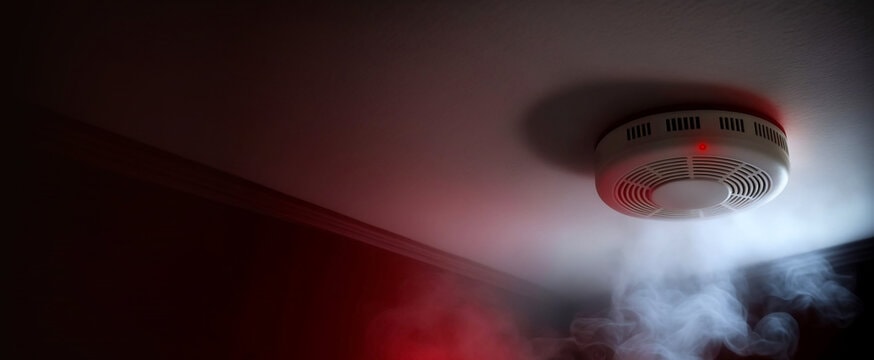
Common NFPA Violations and How to Avoid Them
Staying compliant with NFPA standards is an ongoing process, not a one-time task. While the codes can seem complex, many violations stem from a few common, and preventable, mistakes. Understanding these frequent missteps is the first step toward ensuring your business is always protected and prepared for an inspection. From faulty wiring to simple obstructions, these issues can compromise your entire fire safety system. Let’s look at the most common violations fire marshals find and, more importantly, how you can avoid them to keep your business, employees, and customers safe.
Improper Electrical Installation
One of the most critical and frequent violations is improper electrical installation. A fire alarm system is only reliable if its wiring and power sources are set up according to the strict guidelines of NFPA 72 and the National Electrical Code. Common mistakes include using incorrect wire types, failing to provide a dedicated power circuit, or having an inadequate battery backup. These errors can cause the system to fail during a power outage or, worse, during a fire itself. To avoid this, always work with a certified professional who specializes in fire alarm systems. This isn’t a task for a general handyman; it requires specific expertise to ensure every connection is secure and every component is correctly powered for guaranteed reliability.
Inadequate Documentation of Tests and Maintenance
Passing an inspection is one thing, but proving your system has been consistently maintained is another. NFPA standards require detailed records of every inspection, test, and repair. If a fire marshal requests your logs and you can’t provide them, you are automatically non-compliant. These records must include dates, the results of each test, and who performed the work. Forgetting to document this activity is an easy but costly mistake. The best way to avoid this is to partner with a professional service that manages this for you. As part of our NFPA fire alarm services, American Alarm handles all required testing and maintains meticulous documentation, giving you a complete compliance record and total peace of mind.
Obstructed Fire Protection Systems
A perfectly functional fire alarm system is useless if its components are blocked. Obstructions are one of the most common violations because they happen gradually. For example, stacking inventory too close to a sprinkler head can block water flow, while a new coat of paint can cover a smoke detector’s sensors. Even placing a tall filing cabinet in front of a manual pull station can prevent someone from activating the alarm in an emergency. To prevent this, conduct regular visual walk-throughs of your facility. Train your staff to recognize and report potential obstructions. A professional maintenance check will also spot these issues, but day-to-day awareness is your best defense against these simple but dangerous compliance violations.
Is Your Business Ready for a Fire Marshal Inspection?
If you’re unsure about your compliance status, you’re already at risk. NFPA violations don’t just result in fines—they can lead to forced business closures.
- Are your fire alarms tested and maintained according to NFPA 72?
- Does your fire alarm system include 24/7 monitoring to ensure a rapid emergency response?
- Has your business undergone a recent NFPA compliance audit?
If the answer to any of these is no, you need to act now. American Alarm Corporation provides NFPA compliance checks, system upgrades, and monitoring solutions to keep your business protected. Don’t wait for an inspection—or worse, a fire—to expose your vulnerabilities. Contact American Alarm Corporation today for a compliance consultation and ensure your business meets all NFPA fire safety standards. Taking action now not only safeguards your business but also demonstrates a commitment to the safety and well-being of your employees and customers. By prioritizing NFPA compliance, you are taking a significant step towards creating a safer environment and ensuring the longevity and success of your business.
Frequently Asked Questions
What is the NFPA code of fire?
The NFPA 1 code is the foundational fire code that encompasses general fire safety regulations and references over 130 additional NFPA standards for detailed guidance. It is essential for ensuring fire and life safety for the public, first responders, and property.
What Are the NFPA 72 Mounting Height Rules?
The NFPA 72 requires fire alarm control units to be mounted between 1.5 and 5.5 feet above the finished floor for optimal accessibility. This ensures that the system is easily operable in an emergency.
What Does NFPA 72 Compliance Require?
To meet the NFPA 72 requirements, fire alarm systems must be properly designed, installed, inspected, tested, and maintained according to the code’s standards. This includes utilizing a fire alarm control panel that manages the operation of the entire system.
What is NFPA compliance, and why is it important?
NFPA compliance is essential for adhering to safety standards established by the National Fire Protection Association, which helps ensure effective fire alarm systems, reduces fire hazards, and fulfills legal obligations. Prioritizing this compliance is vital for maintaining safety in any environment.
Which NFPA Standards Apply to Fire Alarms?
The key NFPA standard for fire alarm systems is NFPA 72, which specifies the installation, maintenance, and testing requirements to ensure safety and effectiveness in detection, notification, and monitoring. Adhering to these standards is crucial for optimal fire safety management.


Leave a Reply
Want to join the discussion?Feel free to contribute!