When Are Fire Alarm Systems Required? A Simple Guide
Ignoring fire alarm regulations is a risk no business can afford to take. The consequences go beyond potential fines and include serious insurance complications and, most importantly, liability concerns. Yet, many property managers are unsure about the specific rules that apply to them. Understanding when are fire alarm systems required is the first step toward protecting your investment and the people who rely on you. We’ll explore the standards set by the International Building Code and NFPA 72, debunk common myths, and explain how to stay compliant, giving you the peace of mind that comes with being prepared and protected.
Key Takeaways
- Know your building’s specific needs: Fire alarm rules change based on your property’s size, height, and how it’s used, such as an office versus a warehouse. Identifying your building’s classification is the essential first step to getting the right protection.
- Local codes have the final say: While national standards like the NFPA provide a baseline, your local Atlanta-area fire codes are the ultimate authority. Working with a local professional is the best way to ensure you meet every specific requirement.
- Treat compliance as an ongoing process: A fire alarm system needs regular testing, professional maintenance, and detailed record-keeping to stay effective. This proactive approach is key to ensuring your system is reliable and ready for an emergency.
Fire Alarm Requirements: What You Need to Know
Figuring out fire alarm requirements can feel like a puzzle, but it doesn’t have to be complicated. The rules aren’t the same for everyone; they change based on your building’s type, size, and how it’s used. Whether you own a small business or manage a large commercial property, understanding the basics is the first step toward ensuring everyone’s safety and staying compliant. Let’s break down what you need to know about the different requirements and the codes that shape them.
Residential vs. Commercial Requirements
The biggest difference between home and business fire safety comes down to scale. A single-family home typically relies on individual, battery-powered smoke detectors to alert a few people. Commercial buildings, on the other hand, need a more robust solution. These properties, along with multi-family homes, must have interconnected commercial fire alarm systems designed to notify dozens or even hundreds of people at once. Buildings like schools, hospitals, and theaters have even more specific rules because of the number of people they hold and the nature of their operations. The goal is always the same: quick, clear, and widespread notification.
Why Building Codes Matter
Building codes are the official rulebook for fire safety. They provide the minimum standards for designing and installing fire alarm systems to keep people safe. National standards like the International Building Code (IBC) and NFPA 72 set the foundation, outlining which types of buildings need alarms and how those systems should function. However, your local and state fire codes are just as important. These regulations ensure that every system is tailored to the specific risks in your area. Following these codes isn’t just about passing an inspection; it’s about creating a genuinely safe environment for your employees, customers, and property.
When records and inspections are due, turn to NFPA fire alarm certificate services for local support.
What Types of Buildings Need Fire Alarm Systems?
Fire alarm requirements aren’t one-size-fits-all. The rules depend heavily on what a building is used for, since the risks and the people inside vary so much. A bustling elementary school has very different safety needs than a quiet warehouse or a towering office building. Local and national codes classify buildings into different “occupancy groups” to set specific standards for each. Understanding which category your building falls into is the first step toward ensuring you have the right protection in place. Let’s look at some of the most common types of buildings and the fire alarm systems they typically require.
Schools and Educational Facilities
When it comes to protecting children, the standards are understandably high. Schools, universities, and daycare centers are filled with a high number of occupants, many of whom need clear direction to evacuate safely. Because of this, educational facilities often require more advanced NFPA fire alarm services than other types of buildings. These systems usually need voice evacuation capabilities to provide clear, calm instructions during an emergency, along with visual alerts like strobes to assist anyone who is hard of hearing. The goal is to create an orderly and efficient evacuation to keep every student and staff member safe.
Healthcare Facilities
Hospitals, nursing homes, and other healthcare facilities house people who may be unable to evacuate on their own. Patients are often immobile, ill, or connected to life-sustaining equipment, which makes a fire emergency especially dangerous. For this reason, fire codes for these “Group I” (Institutional) buildings are extremely strict. The fire alarm systems must be highly reliable and often integrate with other building systems, such as automatically closing fire doors to contain smoke. These facilities require a system that provides the earliest possible warning, giving staff precious time to move patients to safety.
Hotels and Lodging
Hotels, motels, and dormitories fall into the “Group R” (Residential) category. These buildings present a unique challenge because occupants are usually sleeping and unfamiliar with the layout. A fire can spread quickly while guests are disoriented. That’s why these buildings require interconnected smoke alarms in every sleeping area and a comprehensive building-wide fire alarm system. The system must be loud enough to wake guests and include visual alerts in common areas and accessible rooms. Clear signage and reliable alarms are key to guiding people to safety when every second counts.
Industrial and Manufacturing Buildings
Factories, warehouses, and processing plants are classified as “Group F” (Factory) or “Group H” (High-Hazard) buildings. These environments often contain flammable materials, combustible dust, or heavy machinery that can increase the risk of a fire. A dependable fire alarm system is essential for protecting employees and preventing catastrophic damage to equipment and inventory. Depending on the specific materials present, these buildings may need specialized detection systems, such as heat detectors or flame detectors, in addition to standard smoke alarms. Protecting your commercial fire alarm services in Atlanta starts with a system designed for its unique risks.
Office Buildings and High-Rises
The need for a fire alarm system in an office building often comes down to its size and height. Generally, buildings that are taller than three stories or have a large footprint (over 30,000 square feet) are required to have a full fire alarm system. Evacuating a multi-story building is complex, so these systems are designed to manage a safe and orderly exit. They often include voice communication features that allow fire officials to give specific instructions to different floors. If you manage a large commercial space, it’s important to get a professional assessment to ensure your system meets all necessary codes.
How Building Size and Height Affect Requirements
When it comes to fire safety, one size definitely does not fit all. The specific fire alarm requirements for your property depend heavily on its physical characteristics. Things like the total square footage, the number of floors, and how many people the building is designed to hold are all key pieces of the puzzle. These factors help determine the level of risk and the type of system needed to keep everyone safe. Let’s walk through how each of these elements plays a role in what your building needs.
Considering Your Building’s Square Footage
The overall size of your building is one of the first things fire code officials look at. As a general guideline, larger buildings often face more stringent fire alarm requirements. For example, many jurisdictions mandate a full fire alarm system for commercial properties that exceed 30,000 square feet. The reason is simple: a fire has more room to grow and spread in a larger space, and it takes people longer to evacuate. A reliable system provides the early warning needed to get everyone out safely. Understanding these codes is the first step, and our team specializes in designing NFPA fire alarm services that meet the specific needs of your building’s layout.
Rules for Multi-Story Buildings
The height of your building adds another layer to fire safety planning. Multi-story buildings, especially those taller than three floors, typically require a fire alarm system. This is because evacuating from upper levels is much more complex than leaving a single-story structure. In an emergency, every second counts, and an automated alarm is critical for alerting occupants on all floors simultaneously. This rule is especially important for places like hospitals, hotels, and office buildings where a delayed warning could have serious consequences. We offer a range of systems and products designed to provide comprehensive coverage for buildings of any height, ensuring a coordinated and timely response when it matters most.
Factoring in Occupancy Load
Beyond physical size, fire codes also consider the “occupancy load,” which is just a formal way of saying the maximum number of people a building is designed to hold. Buildings with a high occupancy load, like schools, theaters, or large retail stores, are almost always required to have a fire alarm system. When you have a large group of people gathered in one place, the potential for a chaotic and dangerous situation during an emergency increases significantly. A proper fire alarm system is essential for managing a safe and orderly evacuation. If you’re unsure about your building’s specific requirements based on its use, it’s always best to contact us for a professional assessment.
Your Guide to Local, State, and National Fire Codes
Understanding fire codes can feel like trying to solve a puzzle with pieces from different boxes. You have national standards, state laws, and local city ordinances all playing a role. The key is knowing how they fit together to keep your building and the people inside it safe. It’s not about memorizing every rule, but about knowing which ones apply to you and where to turn for help.
Think of it as a layered system of protection. National codes provide a strong foundation, while state and local rules add specific requirements tailored to the area. For any business owner, staying on top of these regulations is a critical part of your responsibility. A professional assessment can help you make sense of it all, ensuring you meet every requirement without the guesswork. This proactive approach not only keeps you compliant but also provides peace of mind.
Following International Building Code (IBC) Standards
The International Building Code (IBC) is a great starting point. It sets the baseline safety standards for most types of commercial construction across the country. The IBC isn’t a one-size-fits-all document; it has specific rules based on what a building is used for. For example, the requirements for a school or a hospital, where occupants may have limited mobility, are much stricter than those for a small retail shop. The code considers factors like building size, materials, and the number of people who will be inside at any given time to determine the necessary fire protection measures.
Meeting NFPA 72 Standards
When it comes to the fire alarm systems themselves, the National Fire Protection Association (NFPA) writes the rulebook. Specifically, NFPA 72 is the national code that covers everything about fire alarm systems and signaling. It details the proper application, installation, location, performance, and inspection of these systems. Following these standards is non-negotiable for commercial buildings. Working with a provider who specializes in NFPA fire alarm services ensures your system is designed and maintained correctly from day one, keeping you compliant and, more importantly, safe.
OSHA’s Role in Workplace Safety
The Occupational Safety and Health Administration (OSHA) also has a say, but its focus is specifically on employee safety in the workplace. OSHA sets minimum requirements for things like emergency exit routes and having a fire safety plan. However, it’s important to remember that OSHA’s rules are just the beginning. Your local fire codes, state laws, and even your insurance provider will almost certainly have more detailed and stringent requirements for your fire alarm system. Relying only on OSHA standards could leave significant gaps in your building’s overall fire protection strategy.
Don’t Forget State and Local Codes
This is where things get specific to our community here in Georgia. While national codes provide a framework, state and local authorities have the final say. The City of Atlanta or your specific county might have additional amendments or stricter rules based on local needs and conditions. These local codes often build upon the national standards, adding extra layers of safety. This is why it’s so important to work with a local expert who understands the specific regulations in our area. If you’re ever unsure, the best first step is to contact a professional who can clarify what’s required for your property.
What Kind of Fire Alarm System Do You Need?
Choosing a fire alarm system isn’t a one-size-fits-all situation. The right setup depends on your building’s size, purpose, and specific code requirements. Most modern systems are a combination of different components working together to provide the best protection. Understanding the basic types can help you figure out what your property needs to stay safe and compliant.
Manual Fire Alarm Systems
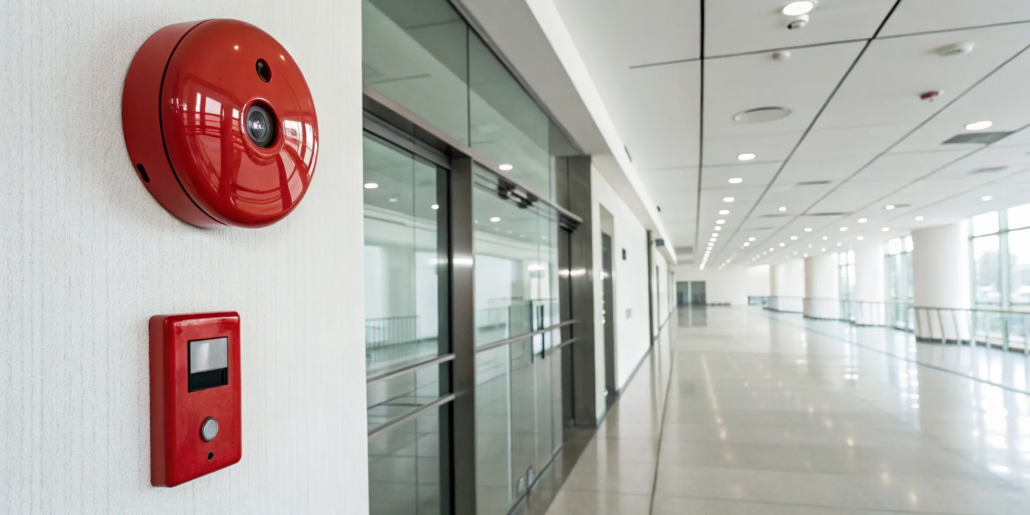
You’ve probably seen these before: the classic red boxes on the wall with a lever. These are manual pull stations, and they form the basis of a manual fire alarm system. Their function is straightforward. When someone sees a fire, they can pull the lever to activate the building’s alarm and alert everyone inside. While simple, they are a crucial component required in most commercial buildings. They rely on people to spot the danger and take action, which is why they are almost always paired with automatic systems for more complete coverage.
Automatic Detection Systems
This is where technology does the work for you. Automatic systems use devices like smoke and heat detectors to identify signs of a fire without any human help. Once a detector senses smoke or a rapid temperature increase, it automatically triggers the alarm. These Atlanta commercial fire alarm systems typically include audible alarms and flashing strobe lights to ensure everyone is alerted, regardless of their location or ability. Because they can detect a fire in its earliest stages, often before anyone notices, automatic systems are a non-negotiable part of modern fire safety.
Voice Communication Systems
In larger or more complex buildings like high-rises and hospitals, just sounding an alarm isn’t always enough. Voice communication systems, also known as Voice Evacuation Systems, add another layer of direction. Instead of only a loud noise, these systems use pre-recorded or live voice messages to give clear instructions during an emergency. This helps guide people to the safest exit and can prevent panic and confusion, which is especially important in crowded spaces. These systems are essential for managing an orderly evacuation when every second counts.
Integrating with Sprinklers and HVAC
A truly effective fire alarm doesn’t work in isolation. It integrates with other critical building systems to actively fight the fire and limit its spread. For example, the alarm can automatically activate your building’s sprinkler system to suppress the flames. It can also signal the HVAC (heating, ventilation, and air conditioning) system to shut down. This is a vital step that prevents fans from circulating smoke throughout the building, keeping air quality safer and escape routes clearer for occupants. This level of integration is key to a comprehensive life safety plan.
Common Myths About Fire Alarm Requirements
When it comes to fire safety, misinformation can be just as dangerous as faulty wiring. Many business owners operate under common misconceptions about fire alarm requirements, which can lead to non-compliance, fines, and most importantly, inadequate protection. Let’s clear the air and debunk some of the most persistent myths out there. Understanding the truth is the first step toward ensuring your property, employees, and customers are safe. From building size to business type, knowing the facts helps you make informed decisions about your fire protection strategy.
Myth: Small Buildings Are Exempt
It’s easy to assume that in a small building, you’d quickly see or smell a fire. Unfortunately, that’s a risky assumption. A fire can spread with surprising speed, and relying on your senses alone isn’t a dependable safety plan. There is no universal exemption based on size. Many local codes require fire alarm systems in all commercial buildings, no matter how small. The goal is to provide an early warning that gives everyone enough time to evacuate safely. A professionally installed system is designed to detect the earliest signs of a fire, offering a level of protection that human senses simply can’t match.
Myth: A Pull Station Is All You Need
A manual pull station is a critical component of a fire alarm system, but it’s only one piece of the puzzle. Thinking it’s all you need is like thinking a steering wheel is all you need to drive a car. Modern fire alarm systems are complex networks that include smoke detectors, heat detectors, notification appliances like horns and strobes, and a central control panel. These elements work together to automatically detect a fire and alert occupants, often long before a person would be able to reach a pull station. Relying solely on a manual alarm leaves you vulnerable, especially if a fire starts after hours or in an unoccupied area.
Myth: National Codes Trump Local Rules
While national codes like those from the National Fire Protection Association (NFPA) provide a solid foundation for fire safety, they aren’t the final word. Local jurisdictions, including cities and counties in the Atlanta area, often have their own specific amendments and requirements that can be even more stringent. It’s a common mistake to believe that following national guidelines is enough. You must always check and adhere to the local fire codes that apply to your specific location. An expert can help you understand the regulations in your area to ensure your building is fully compliant.
Myth: “Low-Risk” Businesses Don’t Need Alarms
There’s really no such thing as a “low-risk” business when it comes to fire. Every commercial property has potential fire hazards, from electrical equipment to flammable materials. Believing your business is low-risk can create a false sense of security and lead to inadequate safety measures. The truth is, a fire can be devastating for any business, threatening lives, destroying property, and causing significant financial loss. All businesses have a responsibility to protect their employees and customers. Investing in the right commercial fire alarm services is a fundamental part of meeting that responsibility, regardless of your industry.
When Do You Need to Upgrade Your Fire Alarm System?
A fire alarm system isn’t something you can install and forget about. Just like any other critical part of your building’s infrastructure, it needs attention over time. Your system might have been perfect when it was first installed, but things change. Buildings evolve, regulations are updated, and technology improves. Knowing when to upgrade is key to keeping your property and the people inside it safe.
Several key events can signal that it’s time for an update. Major renovations, a change in how you use the building, or simply the age of your system can all mean your current setup is no longer adequate or compliant. Staying ahead of these changes protects you from potential fines and liability, but more importantly, it ensures your system will work when you need it most. If you’re unsure about your system’s current status, getting a professional assessment is the best first step. An expert can review your setup and help you understand your fire alarm service needs.
Upgrading During Renovations
Planning a big renovation or adding on to your building? That’s a prime time to re-evaluate your fire alarm system. Most significant construction projects require you to bring your fire protection up to current code. This isn’t just a suggestion; it’s often a legal requirement for getting your project permits approved. Simply extending your old system might not be enough. A renovation can change the layout, airflow, and escape routes of your building, all of which affect how a fire alarm system should be designed. It’s smart to include a fire alarm upgrade in your initial renovation budget to avoid surprises and ensure a smooth, compliant project from start to finish.
When Your Building’s Purpose Changes
If the way you use your building changes, your fire alarm requirements will likely change, too. A space that was once used for storage and is now being converted into offices has a completely different risk profile. The number of people in the building, the hours they’re there, and the materials on-site all play a role in determining the right type of fire protection. Different building classifications, like schools, healthcare facilities, or manufacturing plants, have their own specific rules. A simple system that was fine for a low-occupancy warehouse won’t meet the standards for a bustling office or retail store. Always consult an expert before changing your building’s use.
Keeping Up with New Codes and Tech
Fire codes are not static. Local, state, and national authorities regularly update them to incorporate new safety standards and technological advancements. An older system that was compliant a decade ago may not meet today’s minimum requirements. It’s your responsibility as a property owner to stay current. Beyond just compliance, newer technology offers more reliable and faster detection, which can make a life-saving difference. Regular inspections and maintenance are essential for any system, but if you find that yours is outdated, an upgrade is a wise investment in safety and peace of mind. Our team specializes in NFPA fire alarm services to ensure your system meets all current regulations.
The Risks of Not Meeting Fire Alarm Requirements
Ignoring fire alarm requirements isn’t just cutting a corner; it’s taking a significant gamble with your property, your finances, and people’s safety. These regulations are in place for a reason, and failing to meet them can lead to a cascade of serious problems. From legal trouble to devastating liability claims, the consequences of non-compliance are far too high to overlook. Understanding these risks is the first step toward ensuring your building is safe, secure, and fully compliant.
Legal Penalties and Fines
One of the most immediate consequences of not meeting fire code is facing legal action. Local and state authorities can issue steep fines for non-compliance, and these penalties can add up quickly if violations aren’t corrected. Think of it as a completely avoidable business expense. Following the rules is essential to prevent legal trouble. These regulations aren’t just suggestions; they are legal mandates designed to ensure a minimum standard of safety. Staying current with NFPA fire alarm services and local codes helps you avoid fines and potential business interruptions that come with failing an inspection.
How Non-Compliance Affects Your Insurance
Beyond government fines, failing to meet fire alarm requirements can hit your bottom line through your insurance policy. Insurance providers view a non-compliant building as a high-risk property. As a result, you could face much higher premiums. In a worst-case scenario, your insurer could refuse to cover you or deny a claim if a fire occurs and your system wasn’t up to code. Imagine dealing with the aftermath of a fire only to find out your insurance won’t pay for the damages due to a compliance issue. This financial blow could be impossible for a business to recover from.
Safety and Liability Concerns
Ultimately, the most important reason to comply with fire alarm codes is to protect people. A properly installed and maintained fire alarm system provides the critical early warning needed for a safe evacuation and a fast response from emergency services. It’s a fundamental part of keeping everyone in your building safe. If a fire occurs and your system is found to be non-compliant, you could be held liable for any injuries or deaths. The legal and financial fallout from such a tragedy can be devastating, not to mention the irreversible damage to your reputation. Protecting people and property is always the top priority.
How to Stay Compliant with Fire Alarm Codes
Keeping your building compliant with fire codes isn’t just about installing a system and walking away. It’s an ongoing commitment to safety that protects your property and the people inside it. Think of it as a cycle: you start with a solid plan, keep your system in top shape, document your efforts, and make sure everyone knows what to do in an emergency. Following these steps will help you meet legal requirements and create a safer environment for everyone. For business owners, staying on top of NFPA fire alarm services is a critical responsibility.
Breaking down compliance into these manageable pieces makes the process much clearer. It ensures you cover all your bases, from the initial installation to the regular drills that prepare your team. By being proactive, you can have confidence that your fire alarm system is ready to perform when it matters most.
Start with a Professional Assessment
The first step toward compliance is understanding exactly what your building needs. Fire codes can be complex, and requirements change based on your building’s size, purpose, occupancy, and local authority having jurisdiction. For Atlanta-area commercial properties, that usually means checking both local fire code requirements and the NFPA 72 standards that govern fire alarm system design, installation, testing, and inspection. American Alarm’s NFPA fire alarm services are led by NICET IV expertise, so property managers and business owners can get a clear, code-aware recommendation before installing, upgrading, or certifying a system. If you are unsure whether your building needs a fire alarm system, contact American Alarm for a professional assessment.
Schedule Regular Testing and Maintenance
A fire alarm system is only effective if it works properly during an emergency. That’s why codes require regular testing, inspection, and maintenance. Over time, dust can accumulate on detectors, batteries can weaken, and wiring can degrade. Scheduling routine service ensures every component is clean, powered, and ready to respond. A professional technician can perform these checks and handle any necessary alarm repair to keep your system in perfect working order. Setting up a consistent maintenance schedule with a trusted provider is one of the easiest ways to stay compliant and ensure your system is reliable.
Keep Detailed Records
Documentation is a crucial, yet often overlooked, part of fire code compliance. Keeping a detailed log of all fire alarm activity creates a paper trail that proves you’re meeting your legal obligations. Be sure to document all installations, tests, and maintenance activities. Your records should include the date of service, the name of the technician, what was tested, and the results of the inspection. These files are essential during an audit by a fire marshal and can be requested by your insurance provider. Maintaining an organized logbook makes it simple to demonstrate your commitment to safety.
Train Your Team on Emergency Procedures
The most advanced fire alarm system can’t do its job if people don’t know how to react. Proper training turns your safety plan into effective action. Make sure everyone in the building knows where manual fire alarm boxes are and what to do if an alarm sounds. This includes understanding evacuation routes, designated meeting points, and the specific roles of any fire wardens. Regular drills help reinforce this training so that responding becomes second nature. When your team is prepared, you reduce panic and ensure a calm, orderly evacuation, which is the ultimate goal of any fire safety plan.
How to Choose the Right Fire Alarm System
Choosing a fire alarm system is a critical decision for protecting your property and the people in it. The right system is tailored to your building’s needs and goes beyond basic requirements. To make the best choice, focus on four key areas: local compliance, professional design, 24/7 monitoring, and modern detection technology.
Consult with Local Authorities
Your first step is to understand the specific rules for your building. Fire codes vary by location, so it’s vital to check with your local fire marshal or the “authority having jurisdiction” (AHJ). They enforce fire codes in your area and can provide the exact requirements for your property. This removes any guesswork and ensures your project starts on a compliant foundation, saving you time and potential headaches.
Get a Professional System Design
A fire alarm system is only as good as its design and installation. A professional will assess your building’s layout, size, and use to create a custom plan. This ensures detectors and notification devices are placed in the most effective locations for early warning and safe evacuation. Investing in professional NFPA fire alarm services is the best way to get a reliable system that works correctly when you need it most.
Consider 24/7 Monitoring
For most commercial buildings, a monitored fire alarm is essential and often required. This service connects your system to a 24/7 command center that watches for alerts. If an alarm is triggered, the monitoring team immediately contacts emergency services, ensuring a rapid response even if no one is on-site. This constant oversight provides a critical layer of protection, minimizing potential damage and offering true peace of mind. It turns a simple alarm into an active life-saving tool.
Explore Advanced Detection Options
Today’s fire alarm technology offers smarter protection. For the best coverage, use a mix of smoke, heat, and carbon monoxide detectors. You can also choose an addressable system where each device has a unique “address.” This feature allows the control panel to pinpoint the exact location of a fire, helping first responders act faster. Discussing these advanced systems and products with an expert will help you build a more responsive safety solution for your property.
Related Articles
- Commercial Building Fire Alarm Systems: A GA Guide
- Fire Alarm Systems in Commercial Buildings: What to Know
- Commercial vs. Residential Fire Alarms: Key Differences
Frequently Asked Questions
How do I find out the specific fire codes that apply to my building in the Atlanta area? The best way to get a definitive answer is to consult with a local fire safety professional. While national standards like the IBC and NFPA 72 provide a great baseline, your city or county has the final say. An expert who works in the Atlanta area will be familiar with all the local amendments and can give you a clear picture of what’s required for your specific property, saving you from guesswork and potential compliance issues.
My building already has a fire alarm system. How often does it need to be inspected? Regular inspections are a legal requirement and are essential for ensuring your system is reliable. According to NFPA 72, most commercial fire alarm systems must be professionally tested and inspected at least once a year. This service ensures all components, from smoke detectors to notification alarms, are functioning correctly. Keeping up with this schedule is one of the most important things you can do to stay compliant and safe.
What is the real difference between a monitored and an unmonitored fire alarm system? An unmonitored system is designed to only alert the people inside the building by sounding an alarm. It relies on someone on-site to hear it and call 911. A monitored system, on the other hand, is connected to a 24/7 command center. When an alarm is triggered, professionals at the center are immediately notified and dispatch emergency services for you. This ensures a fast response, even if the building is empty.
I’m planning a small renovation. Do I really need to worry about updating my entire fire alarm system? Yes, it’s something you should definitely consider. Even minor renovations can trigger a requirement to bring your fire protection up to the current code. Changes to your building’s layout can affect how smoke travels and where detectors need to be placed. It’s always best to include a fire alarm assessment in your renovation plan to avoid unexpected costs or project delays from a failed inspection.
Are simple smoke detectors enough for my small business, or do I need a full system? For nearly all commercial properties, standalone smoke detectors like the ones you have at home are not sufficient. Fire codes typically require a complete, interconnected system where all devices communicate with a central control panel. This ensures that if one detector is triggered in a back room, the alarms will sound throughout the entire building, giving everyone the earliest possible warning to evacuate safely.


Leave a Reply
Want to join the discussion?Feel free to contribute!