What Developers Need in a Commercial Fire Alarm Installation Partner
Key Takeaways
- Selecting the ideal fire alarm partner is critical for ensuring compliance, project timelines, and long-term building safety in commercial developments.
- Prioritize partners with comprehensive licensing, recognized certifications (e.g., NICET), deep expertise in NFPA standards, and local Atlanta/Georgia AHJ requirements.
- Early engagement with your chosen partner, from design to pre-construction, significantly optimizes system integration and cost-efficiency.
- A true partner provides meticulous system design, professional installation, rigorous commissioning, and essential 24/7 monitoring and ongoing support.
For developers and general contractors in Atlanta’s competitive commercial real estate market, success hinges on precision, timing, and risk management. While structural elements and aesthetic finishes often take center stage, the selection of a commercial fire alarm installation partner is a decision with profound consequences. This choice directly impacts regulatory compliance, project schedules, budget adherence, and the ultimate safety and operational readiness of the final structure. An expert partner is not just a vendor; they are a critical stakeholder in your project’s success, safeguarding your investment and the lives it will eventually protect. A misstep here can lead to costly rework, failed inspections, and significant delays, compromising the entire development.
The Critical Role of Your Fire Alarm Partner in Commercial Projects
In any commercial development, from a multi-family complex in Roswell to a high-rise in Buckhead, the fire alarm system is a non-negotiable, life-safety component. Your installation partner is responsible for navigating the complex web of codes and standards that govern these systems. A proficient partner ensures that every aspect of the fire safety system, from initial design to final commissioning, is executed flawlessly. This level of diligence is essential for meeting the stringent requirements of local and national regulations, securing the certificate of occupancy without a hitch, and delivering a building that is both safe and marketable. The right partnership guarantees that fire safety is seamlessly integrated into the project’s workflow, preventing it from becoming a source of friction or delay.
Key Qualifications for a Trusted Installation Partner
When evaluating potential partners, developers must look beyond a simple price quote. The firm’s credentials, experience, and reputation are paramount. A truly qualified partner brings a verifiable history of success and the certified expertise necessary to handle the unique challenges of commercial construction in Georgia. They act as your expert guide, ensuring every decision aligns with best practices and regulatory mandates.
Non-Negotiable Licensing and Industry Certifications
Your first checkpoint should be verifying proper credentials. In Georgia, a fire alarm contractor must hold a state-issued Low Voltage Contractor license. Beyond this baseline, look for advanced certifications that signify a deeper level of expertise. The most respected credential in the industry is from the National Institute for Certification in Engineering Technologies (NICET). A partner with NICET-certified technicians for Fire Alarm Systems demonstrates a commitment to the highest standards of knowledge and competence. These certifications are a clear indicator of a firm’s dedication to professional excellence and a key reason Why Choose American Alarm is a decision based on proven expertise.
Proven Track Record in Commercial Development
Theoretical knowledge is not enough. Your partner must have a demonstrable track record of completing commercial projects of similar scale and complexity in the North Georgia market. Ask for a portfolio of their work in areas like Alpharetta, Marietta, or Johns Creek. Inquire about their experience with different types of commercial structures, office buildings, retail centers, industrial facilities, and multi-tenant residential properties. This proven experience ensures they understand the practical realities of a construction site, including how to coordinate effectively with other trades and adapt to the fluid environment of a large-scale development.
Navigating NFPA Standards and Local AHJ Requirements
Fire safety is not a one-size-fits-all discipline. It is governed by a detailed set of national standards and enforced by local authorities. A premier installation partner possesses deep, current knowledge of both, ensuring your project navigates this regulatory landscape smoothly. This expertise is critical for creating NFPA compliant commercial alarms that pass inspection the first time.
Expertise in NFPA 72 (National Fire Alarm and Signaling Code)
NFPA 72 is the national benchmark for fire alarm system design, installation, inspection, and maintenance. Your partner must have an encyclopedic understanding of this code. This includes knowing the specific requirements for device placement, wiring methods, power supplies, and notification appliances. Their expertise ensures that the system design is not only compliant but also optimized for the specific use and occupancy of your building, providing the highest level of protection. For developers, this translates to peace of mind and the assurance of receiving necessary NFPA certificates fire alarm approvals.
Understanding Local Georgia and Atlanta Fire Codes
While the NFPA provides the foundation, the local Authority Having Jurisdiction, typically the city or county fire marshal, has the final say. Each jurisdiction, from Sandy Springs to Kennesaw, may have its own amendments and interpretations of the code. An experienced Atlanta-based partner will have established relationships with these local AHJs and a thorough understanding of their specific requirements and preferences. This local insight is invaluable for streamlining the plan review and approval process, preventing costly design changes late in the project.
The Value of Early Involvement: Design to Pre-Construction
One of the most significant mistakes a developer can make is treating the fire alarm system as an afterthought. Engaging your installation partner during the early design and pre-construction phases yields immense benefits in both cost and efficiency. This proactive approach transforms the fire alarm system from a potential obstacle into an integrated component of the building’s core design.
Collaborative Design and Engineering for Optimal Systems
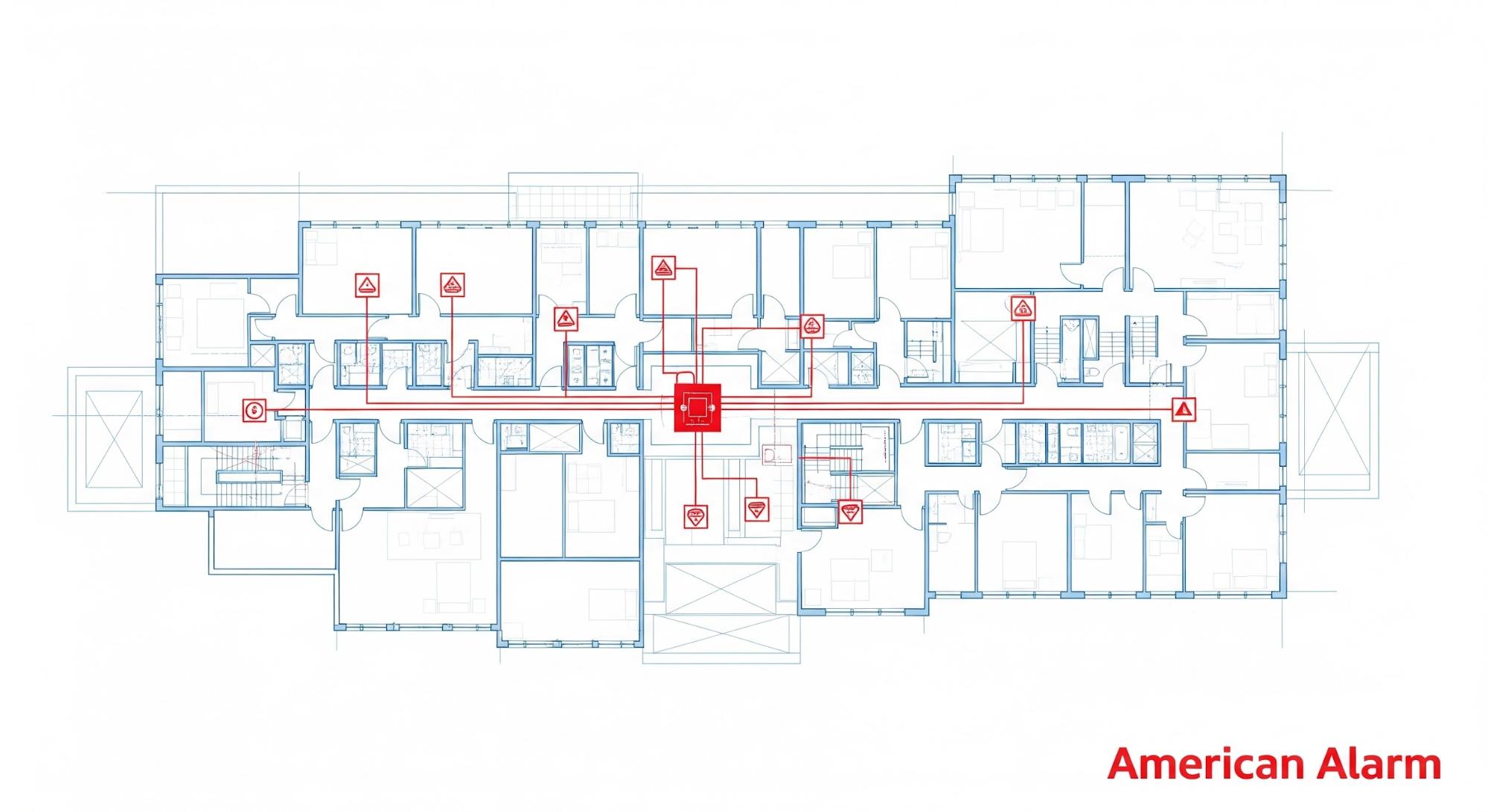
When brought in early, your fire alarm partner can work directly with the architectural and engineering teams. This collaboration allows for the strategic integration of fire safety components into the building’s plans from the outset. It helps optimize device placement for both performance and aesthetics, identify potential conflicts with other systems (like HVAC and electrical), and ensure that all pathways and power requirements are accounted for. This forethought minimizes the need for expensive change orders and disruptive rework during the construction phase.
Seamless Coordination with Architects, Engineers, and General Contractors
An effective fire alarm partner speaks the language of construction. They understand how to coordinate their work with the master project schedule and communicate effectively with architects, MEP engineers, and the general contractor. Early involvement builds a foundation for this teamwork, ensuring that the installation of complex Commercial Fire Alarm Systems proceeds smoothly and without causing delays to other trades on site. This seamless integration is a hallmark of a well-managed project.
Precision in System Design, Documentation, and Submittals
The quality of your fire alarm partner’s paperwork is as important as the quality of their physical installation. Meticulous design, comprehensive documentation, and professionally prepared submittal packages are essential for keeping a project on track. These documents form the official record of the system and are scrutinized by the AHJ during the permitting and approval process. Any inaccuracies or omissions can lead to significant project delays. A top-tier partner ensures that all drawings, battery calculations, and product data sheets are accurate, complete, and submitted correctly, paving the way for a swift and positive review.
Ensuring Flawless Installation, Inspection, and Commissioning
With approved plans in hand, the focus shifts to execution. The installation and commissioning phase is where a partner’s professionalism and project management skills truly shine. This stage is about more than just pulling wires and mounting devices; it’s about a rigorous process of quality control and verification that culminates in a fully functional, compliant life-safety system.
Professional Installation and Project Management
During installation, your partner’s team must work efficiently and safely, coordinating their activities with electricians, drywall installers, and other on-site crews. Strong project management ensures that materials are on-site when needed, manpower is allocated effectively, and installation milestones are met. It’s crucial to avoid the many pitfalls of improper installation; understanding the dangers of DIY fire alarm installation underscores the need for certified professionals who can manage the complexities of comprehensive Atlanta Commercial Alarm Systems.
Comprehensive System Testing and Commissioning
Once the installation is complete, the system must undergo a rigorous commissioning process. This involves testing every single component, every smoke detector, pull station, and horn strobe, to verify it functions according to the design specifications. The partner will conduct a 100% test of the system, document all results, and prepare for the final acceptance test with the AHJ. This meticulous process is the final confirmation that the system is ready to protect the building and its future occupants.
Beyond Installation: Long-Term Monitoring and Support
A developer’s responsibility doesn’t end when the construction crews leave. The long-term value and safety of a commercial property depend on the ongoing performance of its life-safety systems. A true commercial fire alarm installation partner offers comprehensive services that extend far beyond the initial project, providing continuous protection and support for the building’s entire lifecycle. This integrated approach to safety can also include Atlanta access control systems and Atlanta security camera installation for a complete security solution.
24/7 Professional Fire Alarm Monitoring Services
A fire alarm system is only effective if its signals are received and acted upon immediately. Professional fire alarm monitoring Atlanta services ensure that any alarm activation triggers an instantaneous response, dispatching emergency services 24/7/365. This constant vigilance is critical for protecting assets and lives, especially when the building is unoccupied. It’s an essential service that provides lasting peace of mind for property managers and tenants alike.
Ongoing Maintenance, Inspections, and Emergency Service
Fire alarm systems require regular maintenance and inspections to remain compliant and reliable. A dedicated partner provides scheduled testing and maintenance services to ensure the system is always in a state of readiness. Furthermore, should an issue arise, they must have the capability to provide prompt emergency service. This long-term commitment to support is a vital component of a successful partnership, protecting your development for years to come. If you’re ready to discuss your project, contact us to learn more about our comprehensive services.
Secure Your Project’s Future with a Trusted Partner
Ready to ensure your commercial development in Georgia is protected by an expert fire alarm system? Partner with American Alarm for unmatched quality, compliance, and peace of mind. Get a quote today.
FAQs
What specific certifications should a commercial fire alarm installer have in Georgia?
Answer: In Georgia, a reputable commercial fire alarm installer should hold relevant state licensing for low-voltage systems, typically indicating specialized electrical contractor qualifications. Certifications like NICET (National Institute for Certification in Engineering Technologies) for Fire Alarm Systems are also highly desirable, demonstrating expertise in design, installation, and inspection.
How does early involvement of a fire alarm partner benefit my commercial development timeline?
Answer: Early engagement allows the fire alarm partner to integrate seamlessly with your architectural and engineering teams during the design phase. This proactive approach helps identify potential code conflicts, optimize system layouts, and ensure all fire safety considerations are built into the project from the start, significantly reducing costly change orders and delays during construction.
What role does the Authority Having Jurisdiction (AHJ) play in commercial fire alarm installations?
Answer: The AHJ, typically the local fire marshal or building department, is responsible for enforcing fire codes and approving all aspects of a commercial fire alarm system. A qualified installation partner will have in-depth knowledge of local AHJ requirements in Atlanta and Georgia, ensuring all designs, installations, and documentation meet their specific standards for a smooth inspection and approval process.
Why is 24/7 fire alarm monitoring important for commercial properties in Atlanta?
Answer: 24/7 fire alarm monitoring provides immediate notification to emergency services upon alarm activation, even when your business is closed. This rapid response is crucial for minimizing damage, protecting assets, and ensuring the safety of occupants in commercial properties across Atlanta, offering continuous peace of mind and often being a regulatory requirement.


Leave a Reply
Want to join the discussion?Feel free to contribute!