5 Essentials for Healthcare Security in Atlanta
The term “security” often brings to mind locked doors and alarms, but in a medical setting, it’s the foundation of patient privacy and regulatory compliance. HIPAA isn’t just about protecting digital files; it’s about preventing unauthorized physical access to server rooms, records storage, and patient care areas. A single unlocked door can lead to a significant data breach with severe legal and financial consequences. This guide explains how an integrated security system, featuring advanced access control and detailed audit trails, serves as your first and most important line of defense, forming the backbone of a compliant healthcare security atlanta strategy.
Key Takeaways
- Unique Risks: Healthcare facilities in Atlanta face distinct security challenges, including patient safety concerns, workplace violence, pharmaceutical theft, and strict HIPAA compliance requirements that generic security systems cannot adequately address.
- Integrated Solutions are Essential: A robust security strategy for a hospital or clinic requires an integrated system combining advanced access control, high-definition video surveillance, and comprehensive alarm monitoring.
- Core Components: The most effective systems include sophisticated access control, strategically placed IP camera systems, and monitored fire and duress alarms.
- Local Expertise Matters: Partnering with a local Atlanta-based security expert ensures faster service, in-depth knowledge of Georgia’s regulatory standards, and customized solutions for your specific facility.
Managing a healthcare facility in Atlanta carries an immense weight of responsibility. Beyond providing exceptional care, you are entrusted with the safety and security of patients, the well-being of your staff, and the protection of high-value assets and sensitive data. In this high-stakes environment, standard, off-the-shelf security solutions fall dangerously short. The unique challenges of a medical facility—from ensuring patient confidentiality to preventing the theft of critical equipment—demand a specialized, integrated approach to security. This is where dedicated commercial alarm systems designed for the complexities of healthcare become not just a good idea, but an absolute necessity.
Is Your Facility Prepared for These Healthcare-Specific Threats?
Unlike a typical office or retail space, healthcare facilities are complex ecosystems with multiple layers of risk that require a nuanced security strategy. Moving beyond generic threats like theft reveals a landscape of specific vulnerabilities that must be addressed proactively. A primary concern is the physical safety of patients and staff. The open nature of many facilities can lead to unauthorized access to sensitive areas like maternity wards, pharmacies, or psychiatric units. This creates risks ranging from infant abduction to workplace violence, making it critical to keep your employees safe. Furthermore, managing patient wandering, especially in facilities caring for elderly or cognitively impaired individuals, requires constant, reliable monitoring. Protecting high-value assets is another significant challenge. The need for medical equipment protection in Atlanta is paramount, as diagnostic tools, IT hardware, and life-saving devices represent massive investments. More critically, the risk of pharmaceutical theft is a constant threat that can have dangerous community-wide consequences. Finally, physical security is the first line of defense for data security and HIPAA compliance. An unlocked server room or an unmonitored records office can lead to a data breach with devastating legal and financial repercussions, making robust physical safeguards essential for protecting patient confidentiality. 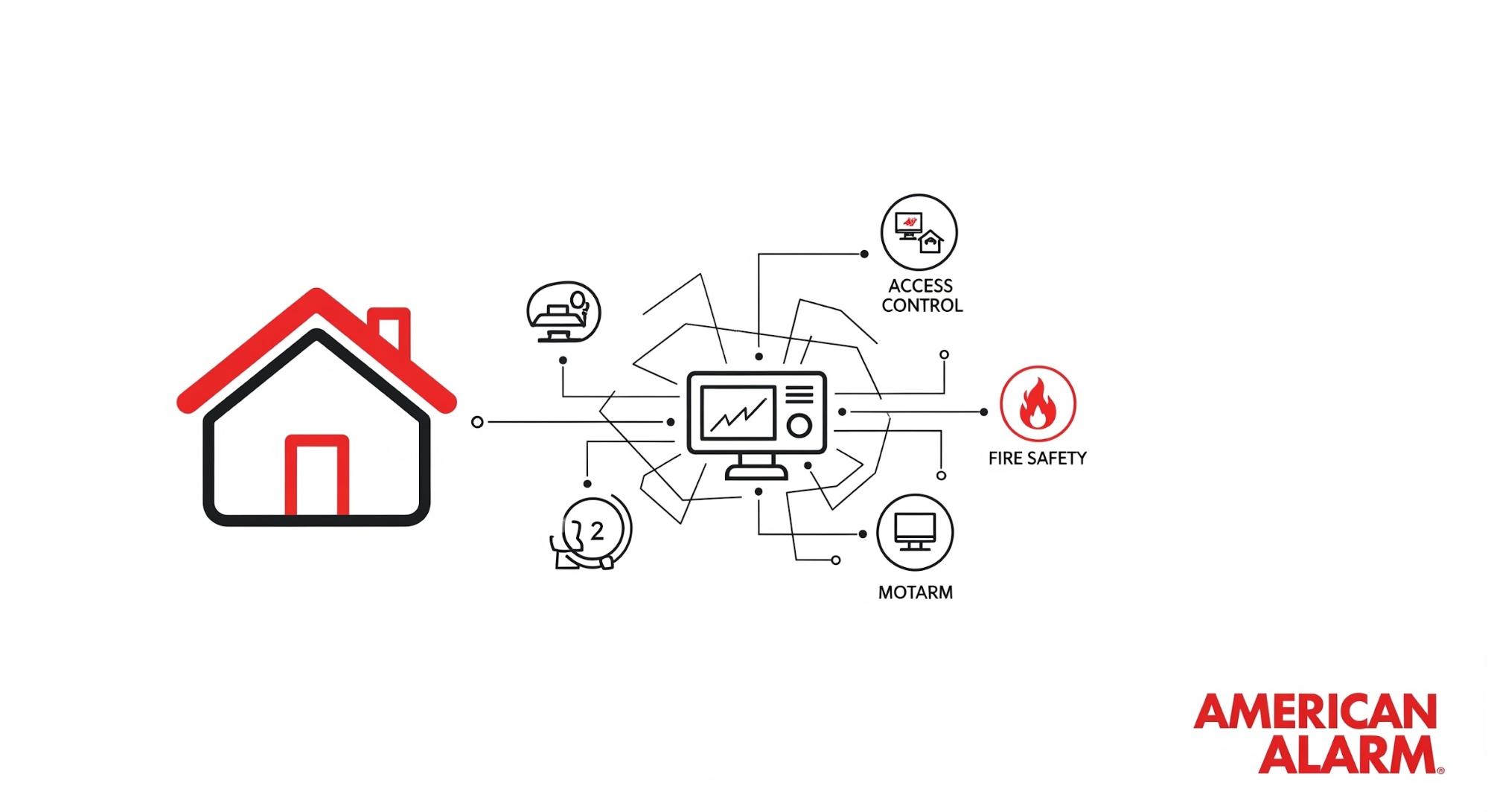
Essential Features of Modern Hospital Security Systems
A truly effective healthcare security plan is a multi-faceted solution where different technologies work in concert to create a secure environment. These core components form the foundation of a modern, comprehensive system. Advanced Access Control: This is more than just a locked door. An advanced access control system allows you to grant specific permissions to different personnel for designated areas and times. Using keycards, fobs, or even biometric scanners, you can ensure that only authorized staff can enter pharmacies, operating theaters, server rooms, and patient record storage areas, creating a clear audit trail of who went where and when. High-Definition Camera Systems (CCTV): Modern, high-definition video surveillance does more than just record events. It acts as a powerful deterrent to potential criminals and provides indisputable evidence should an incident occur. Strategically placed cameras help monitor sensitive areas, oversee public spaces like waiting rooms and parking lots, and protect your facility from fraudulent liability claims. Integrated Alarm & Monitoring Systems: This is the central nervous system of your security. Fire alarms, security breach alerts, and duress alarms (panic buttons) must be unified into a single, cohesive system. When an alarm is triggered, it should initiate a seamless, predetermined protocol. This is only possible with 24/7 security monitoring that can immediately verify the situation and dispatch the appropriate emergency services, saving critical seconds. Fire & Life Safety Systems: Healthcare facilities have unique fire safety needs. A specialized fire alarm system must be designed to manage complex evacuation procedures for non-ambulatory patients and protect sensitive medical equipment. Proper fire alarm monitoring in Atlanta is not just a regulatory requirement; it’s a fundamental component of patient safety, ensuring a rapid response when every moment counts. Making this the best investment your business can make is our priority.
A Holistic Approach: Integrating Systems with On-Site Personnel
Technology is a powerful tool, but it works best when it supports the people on the ground. The most secure healthcare facilities recognize that a truly comprehensive strategy combines advanced electronic systems with the judgment and presence of on-site personnel. When your technology and your staff work in tandem, you create a layered defense that is both responsive and proactive. This integrated approach ensures that automated alerts are met with swift human action and that your staff is equipped with the best tools to manage any situation that arises, from a simple visitor inquiry to a critical emergency.
The Role of On-Site Security Guards
On-site personnel are the human face of your security plan, providing a level of nuance and immediate response that technology alone cannot. They are often the first point of contact for patients and visitors, setting the tone for a safe and welcoming environment. Their duties extend far beyond simply watching a monitor; they actively engage with the facility’s daily rhythms, manage access points, and provide a reassuring presence. According to one Georgia-based service, these officers are trained to “act professionally, and respond quickly to situations,” making them an indispensable part of the healthcare ecosystem.
Visible Deterrence and Patrols
The simple, visible presence of a uniformed guard is one of the most effective deterrents against opportunistic crime. When potential wrongdoers see an active and alert presence, they are far more likely to reconsider their plans. Regular patrols through parking areas, hallways, and waiting rooms reinforce this effect, demonstrating that the facility is actively monitored. This constant movement helps identify potential issues—like a propped-open door or a suspicious individual—before they can escalate into serious incidents, ensuring the safety of everyone within the facility.
Visitor Assistance and Lobby Management
In a busy hospital or clinic, the main entrance can be a chaotic environment. On-site personnel play a crucial role in managing this flow, helping to secure the lobby while assisting visitors with directions and information. This dual function is vital; they maintain order and control access while also contributing to a positive patient experience. By verifying appointments, issuing visitor passes, and providing a friendly point of contact, they help ensure that only authorized individuals gain access to sensitive patient care areas, all while making visitors feel supported and welcome.
How Technology Empowers Your On-Site Team
Advanced technology acts as a force multiplier for your on-site staff. An integrated security service gives them the real-time information needed to do their jobs effectively. For instance, an access control system doesn’t just lock a door; it alerts personnel if a restricted door is forced open, allowing them to respond instantly. Likewise, high-definition video surveillance allows them to assess a situation remotely before intervening, ensuring they are prepared for what they will encounter. This synergy transforms your security from a reactive measure into a proactive, intelligent operation where people and technology work together seamlessly.

Balancing Robust Security with a Healing Environment
A healthcare facility’s primary mission is to heal. Because of this, security measures must be implemented with care and subtlety, creating a safe space without making it feel like a fortress. The goal is to protect, not intimidate. This delicate balance is achieved when security systems are designed to blend into the background, operating efficiently without disrupting the calm and comforting atmosphere that is so crucial for patient recovery. A well-designed plan shows patients and staff that their safety is a top priority, allowing them to focus on treatment and care with peace of mind.
Maintaining Patient Privacy and Comfort
Protecting patients means more than just securing the building; it means safeguarding their privacy and dignity. Security protocols must be designed to be as unobtrusive as possible. For example, video surveillance should be placed strategically in public areas like lobbies and hallways, but never in patient rooms or examination areas. Similarly, access control systems can secure a nursing station without creating loud, disruptive alarms that might disturb resting patients. The key is to implement solutions that respect the sensitive nature of a healthcare setting, ensuring that safety measures never compromise the comfort and confidentiality that patients deserve.
Ensuring Uninterrupted Medical Care
When security is handled effectively, medical professionals are free to do their jobs without distraction or fear. A secure environment prevents unauthorized individuals from wandering into sterile operating rooms, protects valuable mobile equipment from being misplaced or stolen, and reduces the overall risk of workplace violence. By managing these potential disruptions, a strong security plan allows doctors, nurses, and support staff to devote their full attention to patient care. This creates a more efficient, effective, and safe workplace, which ultimately leads to better patient outcomes and a higher standard of care for the entire community.
Why a Local Healthcare Security Company in Atlanta Matters
When protecting a healthcare facility, your security partner’s expertise is as critical as the technology they provide. Choosing a local Atlanta-area expert like American Alarm offers distinct advantages that a national, one-size-fits-all provider simply can’t match. First is our deep understanding of local and state regulations. We have been serving Atlanta since 1995 and possess intimate knowledge of Georgia’s specific codes and healthcare compliance standards, including the process for securing NFPA certificates for fire alarms. This ensures your system is not only effective but also fully compliant, protecting you from potential fines and liability. Second is the benefit of rapid, local support. Our team is right here in the metro area when you need installation, maintenance, or an emergency response. There are no long waits for a technician from out of state. You get the responsive service you need, when you need it. We know why to choose us: because our commitment is to our community. Finally, we provide truly customized services. We understand that a large hospital in the heart of Atlanta has vastly different needs than a specialized clinic in Alpharetta, Roswell, or Marietta. We don’t sell boxes; we design and implement integrated security solutions tailored to your facility’s unique layout, workflow, and risk profile. 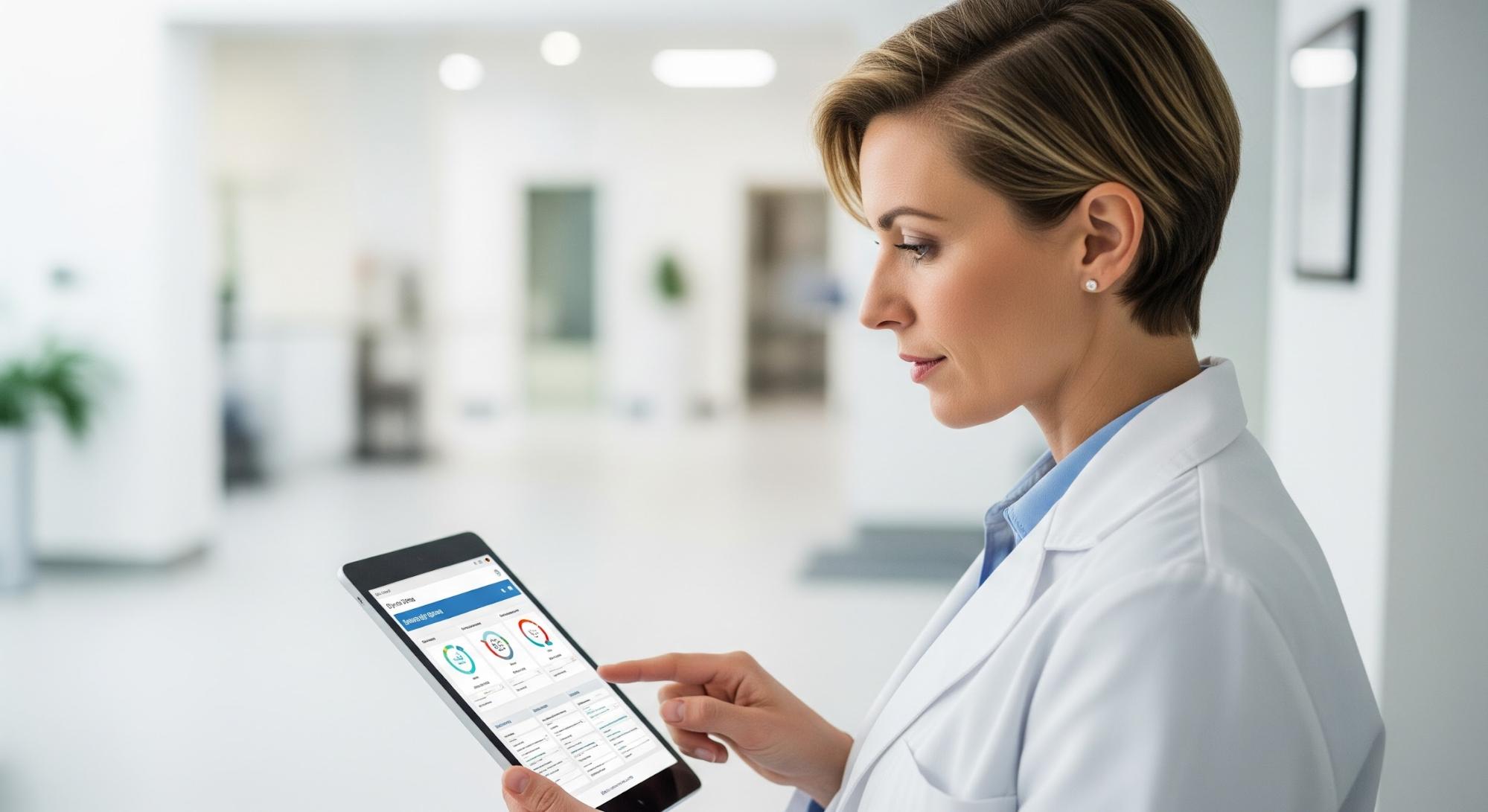
Verifying Credentials: Licensing and Insurance
In healthcare, credentialing is a rigorous vetting process for a reason—it ensures providers are qualified, experienced, and trustworthy. You should apply that same level of diligence when choosing the company that will protect your entire facility. Before signing any contract, it’s essential to confirm your security partner holds the proper state licensing and carries comprehensive liability insurance. This isn’t just about checking a box; it’s a critical step in risk management. An unlicensed or uninsured company can expose your facility to significant liability and may not adhere to the strict codes required for healthcare environments. Verifying these credentials ensures the technicians working in your most sensitive areas are qualified and that your partner operates with the same professionalism you demand from your own staff.
How a Proactive Strategy Protects Your Patients and Practice
The security of your healthcare facility is a direct reflection of your commitment to patient care and safety. A proactive, comprehensive security strategy does more than prevent incidents—it builds trust with your patients, staff, and the entire Atlanta community. Integrating advanced access control, video surveillance, and 24/7 alarm monitoring creates a safe environment where your team can focus on what they do best: providing outstanding healthcare. Don’t wait for an incident to reveal the gaps in your security. Protect your patients, staff, and reputation today. Contact us for a complimentary, no-obligation security assessment for your healthcare facility. Get a quote today.
FAQs
How does a specialized security system help with HIPAA compliance? A key part of HIPAA is protecting patient data from unauthorized access. A specialized security system achieves this by using advanced access control to physically restrict entry to sensitive areas like server rooms and medical records storage. It also provides a digital audit trail, showing exactly who accessed these areas and when, which is crucial for compliance reporting. Can American Alarm integrate with our existing systems? Yes, in many cases. Our experts are skilled at assessing current infrastructure and integrating new technologies with existing systems where feasible. Our goal is to create a seamless, unified security solution that is both effective and cost-efficient, whether that involves a complete overhaul or a phased upgrade. What happens if a fire alarm or security alarm is triggered at our facility? When an alarm is triggered, a signal is instantly sent to our 24/7 monitoring center in Atlanta. Our trained professionals will immediately follow your predetermined protocol, which typically involves verifying the alarm and dispatching the appropriate emergency services—fire, police, or medical—to your facility without delay. Do you provide services to smaller clinics and private practices as well as large hospitals? Absolutely. We provide customized security solutions for healthcare facilities of all sizes, from large hospitals in Atlanta to smaller clinics and private practices in surrounding areas like Sandy Springs, Gwinnett, and Cumming. We believe every healthcare provider deserves a top-tier security strategy tailored to their specific needs and budget.


Leave a Reply
Want to join the discussion?Feel free to contribute!