A Guide to Commercial Fire Alarm Systems Installation
When you think of a fire alarm, you might picture a simple smoke detector and a loud bell. Today’s systems are much smarter. Modern technology offers advanced features that provide a higher level of protection, from multi-sensor detectors that intelligently distinguish a real fire from burnt popcorn to voice evacuation systems that provide clear instructions to reduce panic. Choosing the right technology is a key part of the commercial fire alarm systems installation process. This guide explores the latest advancements to help you build a more robust and reliable safety plan for your business, ensuring a swift and intelligent response to any potential threat.
Your fire alarm system shouldn’t operate on an island. True safety comes from an integrated network where all your security systems work together. For example, in an emergency, your fire alarm should be able to communicate with your access control system to automatically unlock doors for a quick evacuation. It should also signal your HVAC system to shut down to prevent smoke from spreading. Thinking about these connections is a crucial part of the planning process. This guide will explain why a holistic approach to your commercial fire alarm installation creates a smarter, more responsive safety strategy for your entire property.
Key Takeaways
- Choose the Right System for Your Space: The best fire alarm system—whether conventional, addressable, or hybrid—is one designed specifically for your building’s size and layout. A custom plan is the only way to ensure complete and effective fire detection coverage.
- Rely on Professionals for Code Compliance: Fire alarm installations are governed by complex national and local codes, like NFPA 72. Hiring certified technicians ensures your system is installed correctly, passes all inspections, and protects your business from legal liability.
- Prioritize Ongoing Maintenance and Testing: An installed system is just the beginning; its effectiveness depends on regular care. Mandatory annual inspections and consistent maintenance are required to keep your system compliant and ready to perform in an emergency.
Why a Commercial Fire Alarm System is Non-Negotiable
Beyond meeting legal requirements, a professionally installed commercial fire alarm system is a fundamental part of protecting your people, property, and livelihood. It’s an active, intelligent shield that stands guard when you can’t. The potential for devastation from a fire is immense, but with the right system in place, you can significantly reduce risk and ensure a swift, effective response during an emergency. The data on fire-related incidents paints a clear picture of why this investment is one of the most important you can make for your business.
Key Fire and Safety Statistics
Sometimes, the numbers tell the most compelling story. When you look at the frequency of fires and other environmental threats, it becomes clear that proactive safety measures are essential. These statistics highlight the real-world risks that businesses face every day and underscore the importance of having a reliable detection and alert system in place to protect what you’ve worked so hard to build.
The Reality of Business Fires
It’s easy to think a fire won’t happen to your business, but the risk is more common than many realize. In the United States, there are over 470,000 structure fires each year, affecting businesses of all sizes and industries. This isn’t just a statistic; it represents thousands of disrupted operations, costly damages, and potential threats to human life. A properly designed and maintained fire alarm system is your first line of defense, providing the critical early warnings needed to evacuate safely and minimize property loss. It’s an essential tool for turning a potential catastrophe into a manageable incident.
The Silent Threat of Carbon Monoxide
Fire isn’t the only invisible danger that can threaten your workplace. Carbon monoxide (CO) is a colorless, odorless gas that can be lethal, with more than 14,000 people visiting emergency rooms annually due to carbon monoxide poisoning. Many modern commercial safety systems integrate CO detection with fire alarms, offering comprehensive protection against multiple threats. This ensures your team is alerted to danger, whether it comes from a flame or a faulty HVAC unit. Protecting your employees and customers means accounting for all potential hazards, and integrated detection is a smart way to do it.
The Importance of 24/7 Professional Monitoring
A fire alarm that rings in an empty building doesn’t do much good. That’s why professional, 24/7 monitoring is a critical component of any commercial fire safety plan. When your system detects smoke, heat, or carbon monoxide, a signal is instantly sent to a dedicated monitoring center where trained professionals are ready to act. They verify the alarm and immediately dispatch the appropriate emergency services to your location, whether it’s day or night. This constant oversight ensures a rapid response, which can make all the difference in saving lives and property. At American Alarm, our monitoring services provide that round-the-clock peace of mind, ensuring that help is always on the way when you need it most.
What Are the Key Parts of a Fire Alarm System?
A commercial fire alarm system is a network of devices working together to keep your people and property safe. It’s much more than a simple smoke detector. A complete system is designed to detect not just fire, but also other potential dangers like carbon monoxide. Think of it as a team of lookouts, each with a specific job. You have detectors that sense smoke or heat, manual pull stations for people to sound the alarm, notification devices that alert everyone to evacuate, and a central control panel that coordinates the entire response. Each piece is critical for creating a reliable safety net for your business. Understanding how these parts function together is the first step in choosing the right fire alarm services for your building.
Manual Pull Stations: Your First Line of Defense
You’ve seen them before—the red boxes on the wall, usually near exits, with a handle to pull down. These are manual pull stations, and they play a vital role in your fire safety plan. Their purpose is simple but crucial: they allow anyone who spots a fire to immediately trigger the alarm system. In some situations, a person might see flames before an automatic detector senses smoke or heat. By providing a way for people to act fast, these stations can give everyone in the building a head start on evacuating safely. They are a straightforward, manual backup that empowers your employees and visitors to help protect themselves and others.
Making Sure Everyone Hears (and Sees) the Warning
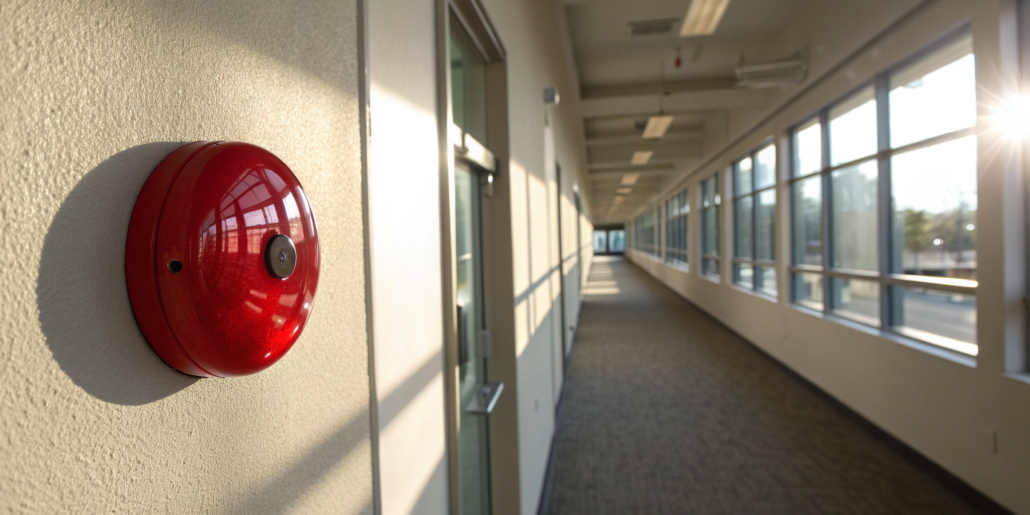
When an alarm is triggered, you need to make sure everyone knows about it, no matter where they are in the building. That’s where notification devices come in. These are the horns that produce loud, unmistakable sounds and the strobes that flash bright lights. This combination is designed to cut through noise and grab attention, ensuring that the warning is both heard and seen. The National Fire Protection Association (NFPA) has specific codes that dictate where these devices must be placed. This ensures that even in large, noisy environments or areas where people may be hearing-impaired, the emergency alert is impossible to miss.
Voice Evacuation Systems
In an emergency, a blaring alarm tells people something is wrong, but it doesn’t tell them what to do next. That’s where voice evacuation systems make a critical difference. Instead of relying on a generic siren, these systems deliver clear, specific instructions through speakers, guiding people to safety with pre-recorded or live messages. This direct communication helps reduce panic and confusion, which can be just as dangerous as the emergency itself. In a large or complex building, telling people exactly which exits are safe to use can dramatically speed up an evacuation. According to the NFPA, effective emergency communication is a key component of life safety. By integrating voice capabilities, your system becomes a more intelligent part of your building’s safety plan and a core element of comprehensive NFPA fire alarm services.
The Control Panel: Your System’s Command Center
The fire alarm control panel is the brain of the entire operation. This central hub is connected to every detector, pull station, and notification device in your building. When a detector senses smoke or someone activates a pull station, a signal is sent directly to the control panel. The panel then instantly processes this information and activates the horns and strobes to alert everyone to evacuate. It also communicates with our monitoring center to dispatch emergency services. Because it manages the whole system, the proper installation and programming of the control panel are absolutely essential. A well-configured panel ensures your system works seamlessly when you need it most, so feel free to contact us to discuss your system’s needs.
Advanced Detection and Notification Technology
Fire alarm technology has come a long way from just bells and pull stations. Today’s systems are smarter, faster, and more communicative, using advanced features to provide a higher level of protection. These modern technologies are designed to detect threats with greater precision, reduce false alarms, and ensure that emergency notifications reach everyone on your property clearly and effectively. By incorporating these advanced capabilities, you can create a more robust and reliable safety plan for your business, ensuring a swift and intelligent response to any potential threat.
Multi-Sensor Detectors
Imagine a detector that doesn’t just look for one sign of trouble, but several. That’s the idea behind multi-sensor detectors. These devices combine different sensors—like those for smoke, heat, and carbon monoxide—into a single unit. This teamwork makes them incredibly accurate at identifying a real fire while being smart enough to ignore non-emergencies, like burnt popcorn in the breakroom. For your business, this means a drastic reduction in disruptive and costly false alarms. You get a system that responds when you need it to and stays quiet when you don’t, giving you reliable protection without the constant worry of unnecessary evacuations.
Integrated Mass Notification Systems
In an emergency, getting the word out quickly is everything. But what if your team is spread out across a large building or campus? An integrated mass notification system ensures no one is left in the dark. These systems go beyond traditional horns and strobes by sending alerts directly to people through text messages, emails, and other digital channels. This is a game-changer for properties with varied environments, from loud manufacturing floors to quiet office spaces. It ensures that critical safety information reaches everyone simultaneously, providing clear, immediate instructions no matter where they are on the property.
Expanded System Capabilities
A blaring alarm can cause confusion and panic, but what if your system could speak? That’s the advantage of voice evacuation systems. Instead of just making noise, these systems broadcast clear, pre-recorded messages that guide people on exactly what to do and where to go. This helps prevent “alarm fatigue,” where people might ignore a standard alarm, and ensures an orderly evacuation. By providing calm, authoritative instructions, you can reduce panic and help everyone exit the building safely and efficiently. It’s one of the most effective ways to manage an emergency, turning a potentially chaotic situation into a structured response with the right systems and products.
Which Type of Fire Alarm System Is Right for You?
Choosing a fire alarm system isn’t a one-size-fits-all decision. The best system for your business depends on factors like your building’s size, layout, and specific operational needs. Understanding the main types of commercial fire alarms is the first step toward making an informed choice that keeps your property and people safe. Let’s walk through the most common options to help you figure out which one makes the most sense for your space.
Conventional Systems: The Reliable Standard
These are the classic, tried-and-true fire alarm systems. A conventional system works by dividing your building into different detection zones. If a fire starts, the alarm panel will tell you which zone is affected, but not the exact location of the fire within that zone. For example, it might indicate a fire in the “west wing” or “first-floor warehouse.” Because of their straightforward approach, conventional systems are often more affordable to install. They are a solid, reliable choice for smaller businesses, retail shops, or buildings with simple, open layouts where pinpointing a fire’s origin is less complex.
Addressable Systems: For Pinpoint Accuracy
Think of addressable systems as the smart evolution of fire alarms. Each individual detector and device in an addressable system has its own unique “address.” When a fire is detected, the control panel tells you exactly which device was triggered—for instance, “smoke detector, office 204.” This level of precision is a game-changer for larger or more complex buildings like hospitals, schools, or multi-story office complexes. It allows first responders to go directly to the source of the problem, saving critical time and helping to manage the situation more effectively. These systems are a key part of modern NFPA fire alarm services.
System Capacity and Scalability
Your business isn’t static, and your fire alarm system shouldn’t be either. As your company grows, you might add new offices, reconfigure a warehouse, or expand your facility. A scalable fire alarm system is designed to grow with you. This is another area where addressable systems really shine. Adding a new smoke detector or notification device is much simpler because the system can easily recognize and incorporate new “addresses” without major rewiring. Planning for future capacity from the start saves you from the costly and disruptive process of overhauling your entire system down the road. It’s about making a smart investment today that will continue to protect your property and people for years to come. Our commercial fire alarm services are designed to provide a solution that lasts.
Wireless and Hybrid Systems: For Maximum Flexibility
What if your building makes running wires a huge challenge? That’s where wireless systems come in. They use secure radio frequency signals to connect detectors and devices to the control panel, eliminating the need for extensive and disruptive wiring. This makes them perfect for historic buildings with delicate architecture or any property where a wired installation is impractical. For even more flexibility, hybrid systems combine the features of both wired and wireless components. This allows you to create a truly customized fire safety solution that adapts to the unique needs of your building. If you think a custom setup is right for you, you can contact us to design the perfect system.
What to Expect During Your Commercial Fire Alarm Installation
Getting a commercial fire alarm system installed might seem like a huge project, but it’s a straightforward process when you know what to expect. A professional installation ensures your system is effective, reliable, and fully compliant with safety regulations. Let’s walk through the process step-by-step so you can feel confident from start to finish.
Step 1: Site Assessment and Custom Design
First, a professional technician will visit your property for a thorough site assessment. This isn’t just a quick walkthrough; they’ll carefully evaluate your building’s size, layout, and specific uses to identify potential fire risks. This detailed analysis allows them to design the most effective fire alarm system for your unique needs. They’ll map out the optimal locations for smoke detectors, heat sensors, pull stations, and notification devices to ensure every corner of your property is covered. This custom approach is the foundation of a truly reliable safety plan.
Step 2: Handling Permits and Approvals
Before any equipment is installed, your provider will handle the necessary paperwork. This involves working with the local fire department to secure permits and confirm that the system design meets all local and national codes. All commercial fire alarm installations must follow strict safety standards, including the guidelines in NFPA 72. By managing the approval process, your installation partner ensures everything is compliant from the start, saving you from potential headaches and ensuring your system will pass inspection later on.
Required Documentation and Plans
To ensure a smooth and compliant installation, you’ll need to gather some key documents. Think of this as the blueprint for your project. Your installation partner will typically need proof of building occupancy, detailed floor plans, a riser diagram (which is a schematic of the system), and an operating sequence that outlines how the system will function in an emergency. Depending on your building’s history and location, you might also need to provide information related to things like asbestos or flood hazards. Compiling these documents is a critical step for effective planning and is essential for meeting local code requirements. A professional partner will guide you through exactly what’s needed for your specific property as part of their comprehensive services.
The Path to Project Authorization
Once your system design and all the necessary documentation are submitted and approved, there’s one more green light you need before work can begin: project authorization. This is the official go-ahead from your local fire department or Authority Having Jurisdiction (AHJ). It serves as the final confirmation that your proposed fire alarm system meets all required safety standards and regulations. This isn’t just a formality; it’s a crucial checkpoint that ensures your project is fully compliant before a single wire is installed. Your installation provider manages this entire process, making sure every box is checked so you can feel confident that your project is starting on the right foot. If you have questions about this process, feel free to get in touch with our team.
Step 3: The Physical Installation and Wiring
With the design approved and permits in hand, the physical installation begins. Certified technicians will install all the system components, including the detectors, manual pull stations, notification alarms, and the main control panel. They run all the necessary wiring, carefully connecting each device back to the central hub. Professionals work efficiently to complete the installation with minimal disruption to your daily business operations. Their expertise ensures that every component is placed correctly and wired properly for dependable performance when you need it most.
Step 4: Rigorous Testing and Final Inspection
Once the installation is complete, the job isn’t finished. The entire system goes through rigorous testing to confirm that every single component is functioning correctly. Technicians will trigger alarms and check sensors to ensure the system detects threats promptly and communicates effectively. After the internal testing is done, the local fire department or Authority Having Jurisdiction (AHJ) will conduct a final inspection. This official sign-off verifies that your new system is fully compliant and ready to protect your property, giving you complete peace of mind.
Fire Alarm Codes: What You Need to Know
Installing a commercial fire alarm system is more than just a safety measure; it’s a legal requirement governed by a strict set of codes and standards. Getting it right protects your employees, customers, and property, while also saving you from hefty fines and potential legal trouble. These regulations can seem complex, but they all share one goal: ensuring your system works flawlessly when you need it most. Think of compliance as a three-layered approach. First, you have the national standards that provide a baseline for safety across the country, like the essential NFPA 72 code. Then, you have local Atlanta-area codes that address specific regional requirements, which are enforced by your local fire marshal. Finally, there’s the ongoing commitment to maintenance and inspections that keeps your system in peak condition long after installation. This isn’t a ‘set it and forget it’ situation; regular testing is mandatory. Understanding how these pieces fit together is key to a successful and stress-free process. Partnering with a professional who specializes in NFPA fire alarm services ensures every detail is handled correctly from the start, from initial design to final inspection and beyond. They can help you make sense of the requirements and ensure your business is not only compliant but truly safe.
NFPA 72: The National Standard for Fire Alarms
The most important standard to know is NFPA 72, the National Fire Alarm and Signaling Code. Think of it as the main rulebook for fire alarm systems across the country. Published by the National Fire Protection Association (NFPA), this code outlines the minimum requirements for system design, installation, inspection, and maintenance. It specifies everything from the proper placement of smoke detectors and manual pull stations to the volume of the alarms and the frequency of system tests. Following NFPA 72 isn’t optional for commercial buildings; it’s the foundation of a safe and compliant fire protection strategy.
Why Local Codes and AHJ Approval Matter
While NFPA 72 sets the national standard, your local government has the final say. Every city and county, including those in the greater Atlanta area, has its own building and fire codes that may add to or modify the national requirements. The person responsible for enforcing these local rules is known as the Authority Having Jurisdiction, or AHJ. This is typically your local fire marshal or a building code official. The AHJ is the one who will review your plans, inspect the installation, and give the final approval. Because these local codes can be complicated and vary from one town to the next, working with a local expert is essential for a smooth process.
Professional Plan Approval
Before a single wire is run, your fire alarm system design must be formally approved by the AHJ. This isn’t just a suggestion; it’s a mandatory step in the process. Professional plan approval involves submitting detailed blueprints and system specifications for a thorough review. The AHJ will scrutinize these plans to ensure every component, from detector placement to the type of notification devices, is fully compliant with both NFPA 72 and specific local Atlanta-area codes. This critical review acts as a safeguard, confirming your system is designed for maximum effectiveness from the very beginning and preventing costly mistakes or the need for re-installation down the road. This is where having an experienced partner is invaluable; we can manage the submission process to ensure your plans meet all requirements for a smooth approval.
Keeping Your System Ready: Inspections and Maintenance
Your responsibility for compliance doesn’t end once the system is installed. A fire alarm system is only effective if it’s properly maintained. Both national and local codes require regular inspections and testing to ensure every component is in working order. This typically involves monthly visual checks of the control panel and devices to make sure there are no error signals. More importantly, a thorough inspection and test of the entire system must be performed annually by a certified professional. Keeping up with regular inspections and maintenance is not just a good idea—it’s a critical part of keeping your building, and its occupants, safe.
Annual Testing and Record-Keeping Requirements
Your annual fire alarm inspection is a comprehensive, hands-on check-up required by codes like NFPA 72. During this test, a certified technician will physically activate every single component—from smoke detectors and pull stations to horns and strobes—to confirm the entire system responds correctly. This is far more thorough than simple monthly visual checks. Just as important as the test itself is the paperwork that follows. You must keep detailed records of all inspections, tests, and maintenance. This documentation serves as your official proof of compliance for the fire marshal and is essential for liability. Managing these records is a critical part of the NFPA fire alarm services that keep your business protected.
Understanding the Costs of a Commercial Fire Alarm System
When you’re planning for a new fire alarm system, one of the first questions is always about the price. The truth is, there’s no single answer. The cost of a commercial fire alarm system is an investment in safety, and the final price tag depends entirely on your building’s specific needs. Factors like the size of your property, the complexity of the layout, and the type of technology you choose all play a significant role. A small retail shop will have very different requirements—and a different budget—than a large, multi-story office building. Understanding what drives these costs will help you make a smart, informed decision for your business.
Factors That Influence System Cost
The biggest factor in determining cost is the type of system you install. A conventional system, which divides your building into broad zones, is typically more affordable upfront. However, a more advanced addressable system, which pinpoints the exact location of an alarm, offers a higher level of precision that is essential for larger properties. While the initial investment for an addressable system is higher, the ability to direct first responders to a specific room saves critical time. Installation and labor costs will also vary based on your building’s structure. Finally, remember to account for the ongoing costs of professional maintenance and testing, which are required to keep your system compliant and ready to perform. These professional NFPA fire alarm services are a crucial part of your total safety investment.
Navigating Permit and Application Fees
Before installation can begin, your system design must be approved by local fire authorities. This involves submitting plans and paying for permits to ensure your system meets all safety codes, including NFPA 72. Permit fees vary across the Atlanta area, and the process can feel overwhelming with its specific paperwork and official communications. This is where working with an experienced local provider really pays off. A professional team handles the entire permitting process for you, from preparing technical drawings to managing communications with the fire marshal. They understand local requirements, saving you time, stress, and costly delays. If you have questions about the permit process, feel free to contact us, and we can walk you through it.
Common Installation Pitfalls (and How to Avoid Them)
Installing a commercial fire alarm system is a detailed process, and even small oversights can lead to big problems. While it’s tempting to focus on just getting the system up and running, how it’s installed is just as important as the quality of the equipment itself. A few common missteps can create coverage gaps, cause frustrating false alarms, or even lead to system failure when you need it most. The good news is that these pitfalls are entirely avoidable with careful planning and professional expertise. Thinking through the entire lifecycle of your system from the very beginning is key. This means starting with a thorough assessment of your property to map out the perfect placement for every device. It also means selecting components that are designed to work together flawlessly and integrating the fire alarm with your building’s other safety systems for a coordinated response. A successful installation also includes a forward-thinking plan for testing and maintenance, so you’re never left wondering if your system is ready to perform. Let’s walk through some of the most common installation mistakes and, more importantly, how you can steer clear of them to ensure your property is properly protected from day one and for years to come.
Avoiding Coverage Gaps and False Alarms
One of the easiest mistakes to make is putting detectors in the wrong spots. Placing a smoke detector too close to a kitchen or a steamy bathroom can trigger constant false alarms, which are not only annoying but can also lead to people ignoring a real emergency. On the other hand, placing detectors too far from potential fire sources or in areas with poor airflow can create dangerous blind spots. Every building has a unique layout, and a one-size-fits-all approach simply doesn’t work. A comprehensive site assessment is the first step to creating a system that provides complete coverage without the hassle of false alarms. This ensures your NFPA fire alarm services are tailored specifically to your building’s needs.
Why All Your System’s Parts Must Be Compatible
A fire alarm system is more than just a collection of parts; it’s an interconnected network where every component must communicate perfectly. Using incompatible equipment—like a control panel from one brand with detectors from another—can cause system failures and communication errors. It’s crucial to use components that are designed and tested to work together. A professional installer will source fully compatible systems and products to build a reliable, cohesive system. This guarantees that when one device detects a threat, the entire system responds instantly and correctly, from the control panel to the notification alarms.
Don’t Let Your Fire Alarm Work in Isolation
Your fire alarm system shouldn’t operate in a silo. For total building safety, it needs to work in tandem with your other systems. For example, in the event of a fire, your system should automatically unlock doors controlled by your access control system to allow for a quick evacuation. It might also need to signal the HVAC system to shut down to prevent smoke from spreading throughout the building. Forgetting to plan for this integration can create serious vulnerabilities. A truly effective safety plan ensures all your systems communicate and work together during an emergency, creating a seamless and automatic response.
Integrating Fire and Intrusion Alarms
Beyond just connecting to your building’s operational systems, integrating your fire alarm with your intrusion or burglary alarm creates a powerful, unified safety network. When these two systems talk to each other, they provide a much clearer picture of any emergency. For instance, a triggered fire alarm can automatically signal your security video system to provide a live view of the affected area, giving first responders critical information before they even arrive on the scene. This level of coordination streamlines the emergency response and simplifies the management of your property’s protection. Instead of juggling separate systems, you have one smart, cohesive shield. This approach is central to creating comprehensive security solutions that cover all your bases, ensuring every part of your safety plan works together seamlessly.
Why You Need a Plan for Future Testing and Maintenance
The installation isn’t the finish line—it’s the starting point. A fire alarm system is only effective if it’s working correctly, and that requires regular attention. A common oversight is failing to establish a clear plan for ongoing testing and maintenance right from the start. Without it, you risk falling out of compliance with local and national fire codes, and your system’s reliability can degrade over time. A proper installation process includes comprehensive initial testing and a schedule for future inspections. This proactive approach ensures your system remains dependable for years and that you always have a plan for any needed alarm repair.
Why a Professional Installation Matters
When it comes to protecting your business and the people inside it, installing a commercial fire alarm system is not a DIY project. While it might seem like a way to cut costs, the risks of an improper installation far outweigh any initial savings. A professional installation ensures your system is effective, reliable, and compliant from day one. It’s about more than just connecting wires; it’s about creating a life-saving system you can count on when it matters most. From expert placement of devices to handling complex fire codes, a certified team provides the peace of mind that your property is properly protected.
What Certified Expertise Brings to Your Project
A professional installer does more than just mount detectors on the wall. Their training gives them a deep understanding of how fire, smoke, and heat behave in different environments. This expertise is critical for proper system design. Certified technicians know exactly where to place sensors to eliminate coverage gaps and ensure the earliest possible detection, following strict safety rules. They can assess your building’s unique layout, occupancy, and potential fire hazards to create a system that is truly tailored to your needs. This level of knowledge ensures your system works reliably and effectively, providing a crucial first line of defense.
Ensuring Proper Installer Licensing
Hiring a licensed professional isn’t just a good idea—it’s a legal requirement. A person who installs, services, or maintains a fire alarm system must be properly licensed by the state. This isn’t just bureaucratic red tape; it’s a critical safeguard that confirms your technician has the necessary training and knowledge to work with these life-saving systems. Licensed installers are required to stay current on the complex and ever-changing national and local fire codes. This ensures your system is designed and installed correctly the first time, protecting you from failed inspections, potential fines, and the immense liability of a system that doesn’t work in an emergency. When you partner with a professional team for your fire alarm services, you’re ensuring the job is done right and to code.
Staying Compliant and Protecting Your Business
Commercial fire alarm systems are subject to a web of complex regulations, including National Fire Protection Association (NFPA) standards and local building codes. These rules can be difficult to understand and differ from one jurisdiction to another. A professional installer is an expert in these requirements. They guarantee that your system meets all legal standards, which is essential for passing inspections and obtaining your certificate of occupancy. Proper, compliant NFPA fire alarm services not only keep you on the right side of the law but also significantly reduce your liability in the event of a fire.
The Peace of Mind of Quality Work and Warranties
When you hire a professional, you’re paying for quality work that lasts. The installation process is incredibly thorough, involving careful planning, precise execution, and complete system testing before the job is considered finished. Reputable installers use high-quality, commercial-grade systems and products that are built for reliability. Furthermore, professional installations typically come with warranties on both the equipment and the labor. This gives you a safety net, ensuring that if anything goes wrong with the components or the installation itself, you have a clear path to getting it fixed without additional cost.
Gaining a Partner for Long-Term Maintenance and Support
Installation is just the first step in a long-term safety strategy. Fire alarm systems require regular inspections and maintenance to stay in peak condition. Partnering with a professional installation company gives you access to a team that can provide this crucial ongoing support. They will establish a schedule for routine checks, testing, and any necessary alarm repair to ensure your system remains fully functional. This proactive approach keeps your system reliable over the years and makes sure you’re always prepared, providing lasting security and peace of mind for your business.
Related Articles
- Expert NFPA Compliant Fire Alarm Installation for Your Safety Needs
- Atlanta Fire Alarm Installation & Monitoring | American Alarm Corp
- 3 Threats Your Business Fire Detection System Misses
Frequently Asked Questions
How do I know which type of fire alarm system is right for my business? The best system for you really depends on the size and complexity of your building. A smaller, open-plan space like a retail shop might be perfectly served by a straightforward conventional system. However, a larger building with multiple floors or many individual rooms, like an office complex or a school, would benefit from an addressable system that can pinpoint the exact location of a threat. The surest way to know is to have a professional assess your property to recommend a solution tailored to your specific needs. Do I need to handle the permits and code compliance myself? Absolutely not. That’s a major part of what a professional installation partner does for you. Navigating local Atlanta-area fire codes and national standards like NFPA 72 can be complicated, but your installer will manage the entire process. They will design a system that meets all requirements, handle the permit applications, and coordinate with the local fire marshal for the final inspection, ensuring everything is done correctly from start to finish. Can I upgrade my existing fire alarm system, or do I need a completely new one? This is a great question, and the answer depends on the age and condition of your current equipment. In some cases, we can reactivate or integrate new components with parts of your existing system, especially if it’s relatively modern. However, older or incompatible systems often need a full replacement to ensure reliability and meet current codes. A technician can evaluate what you have and determine the most effective and affordable path forward. What happens if a detector is accidentally triggered? Will it cause a false alarm? False alarms are a valid concern, but a professionally designed system is built to prevent them. A key part of the initial site assessment involves identifying areas—like kitchens, bathrooms, or dusty work zones—that could cause nuisance alarms. By choosing the right type of detector and placing it in the optimal location, we can create a system that is highly sensitive to real threats without being easily fooled by everyday activities. Is my work done once the fire alarm system is installed? The installation and final inspection are huge milestones, but a fire alarm system requires ongoing attention to stay reliable. Think of it as a partnership for safety. Your main responsibility will be to schedule the required annual inspections with a certified professional. These regular tests and maintenance checks ensure every component is working perfectly, keeping you compliant with fire codes and confident that your system is ready to perform when you need it most.


Leave a Reply
Want to join the discussion?Feel free to contribute!