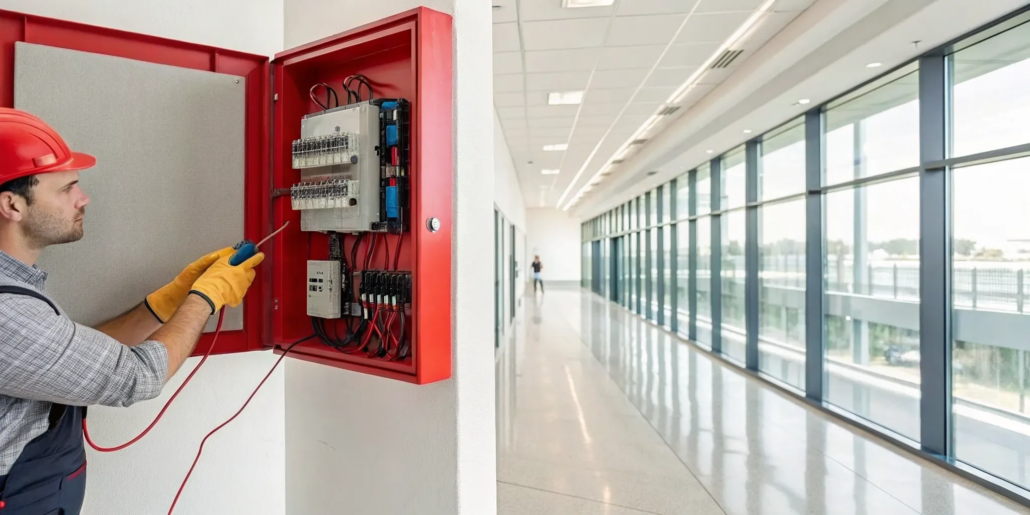
Commercial Fire Alarm Repair: A Business Guide
That persistent beeping from your fire alarm panel isn’t just background noise you should learn to ignore. It’s your system’s way of telling you something is wrong, and a quick fix is rarely the right answer. Whether it’s a faulty sensor or a wiring issue, these small problems can escalate into major failures. A system that isn’t working correctly is a serious liability, leaving your business unprotected. Understanding when to call for professional commercial fire alarm repair is key to preventing a minor glitch from becoming a crisis. We’ll cover the most common issues needing fire alarm repair and how to find an expert to resolve them effectively.
Key Takeaways
- Make proactive maintenance your standard practice: Scheduling regular professional inspections and performing simple monthly checks is the best way to control costs, ensure NFPA compliance, and keep your system reliable.
- Choose the right repair service by verifying their expertise: Always confirm a provider has certified technicians and experience with your specific system, especially if it’s a non-proprietary model, to guarantee flexibility and fair pricing.
- Learn the basics of your system to spot trouble early: Understanding your key components, like sensors and control panels, allows you to identify common problems like false alarms or malfunctions, which leads to quicker, more effective repairs.
What is Commercial Fire Alarm Repair?
Commercial fire alarm repair is the process of servicing and maintaining your building’s fire alarm system to keep it functioning correctly and compliant with safety regulations. Think of it as essential healthcare for one of your most critical safety assets. This isn’t just about fixing something after it breaks; it’s about proactive maintenance, troubleshooting malfunctions, and ensuring every component, from smoke detectors to notification alarms, works exactly as it should when you need it most. The ultimate goal is to guarantee the safety of your employees, customers, and property by providing reliable, early warnings in an emergency.
Regular inspections and timely repairs are not just good practices, they are legal requirements that protect your business from liability. A well-maintained system is your first line of defense, and neglecting it can have serious consequences. Whether it’s addressing a recurring false alarm, replacing an old sensor, or updating the central control panel, professional repair services ensure your system meets all necessary codes. American Alarm provides expert NFPA fire alarm services to keep your business protected and compliant, giving you peace of mind that your system is always ready to perform.
What Kind of Fire Alarm System Do You Have?
When you’re dealing with fire alarm systems, you’ll generally encounter two main types: proprietary and non-proprietary. Proprietary systems, or “closed” systems, are designed so that only the original manufacturer or their authorized dealers can service them. This can limit your options for repairs and maintenance, potentially locking you into higher costs.
On the other hand, non-proprietary or “open” systems offer much more flexibility. They allow any qualified and certified fire alarm company to perform service, repairs, or inspections. This freedom lets you compare service providers and choose the one that best fits your needs and budget. No matter the type, your system must comply with local and national fire safety standards. A good provider will not only understand these codes but also ensure your system is always up to par.
Common Fire Protection Systems
Think of your fire alarm as the central nervous system of a much larger safety network. A truly comprehensive fire protection strategy involves several systems working together to keep your property and people safe. The most common setup includes the fire alarm system itself, which uses smoke and heat sensors for detection and alerts everyone with horns and strobes. Many buildings also have a fire sprinkler system designed to control or extinguish a fire in its early stages. For areas with sensitive equipment, like server rooms, you might find specialized fire suppression systems that use clean agents instead of water. All these components, including fire extinguishers and emergency lighting, must be properly integrated and maintained to function as a single, reliable unit.
Should You Repair or Replace Your System?
Deciding whether to repair or replace your fire alarm system is a big decision. If your system is relatively new and has a minor issue, a simple repair is often the most logical and cost-effective solution. However, if you’re dealing with an older system, frequent malfunctions, or difficulty finding replacement parts, it might be time to consider a full replacement.
Think about the long-term costs. Constantly paying for repairs on an outdated system can add up quickly and may cost more over time than a new installation. A new system can also offer advanced technology and better integration capabilities. The best first step is to get a professional assessment. An expert can evaluate your system’s condition, check its compliance with current codes, and help you make an informed decision that balances safety, budget, and operational needs.
Understanding the Lifespan of Your System
Like any other critical technology, your commercial fire alarm system has a limited lifespan. Most systems are designed to last for about 10 to 15 years. While consistent professional maintenance is crucial for getting the most out of your investment, even the most well-cared-for systems will eventually need to be replaced. Over time, components wear out, technology becomes obsolete, and safety regulations evolve. Continuing to patch up an aging system can lead to a frustrating and expensive cycle of repairs. If your system is nearing that decade mark, it’s a good idea to start planning for an upgrade to ensure you remain compliant and fully protected.
Why Commercial-Grade Systems Are Required
It’s easy to underestimate the difference between a home smoke detector and a commercial fire alarm, but the distinction is critical for any business. Standard battery-operated detectors are not sufficient for commercial properties. Businesses are legally required to have professional, commercial-grade systems designed to protect larger spaces, more people, and unique operational risks. These systems are interconnected, monitored, and built to meet strict safety codes. At American Alarm, our NFPA fire alarm services ensure your system is fully compliant, which is essential for passing inspections, securing insurance, and avoiding hefty fines. Relying on anything less than a commercial-grade system puts your property, your employees, and your entire business at risk.
Which Fire Alarm Components Typically Need Repair?
A commercial fire alarm isn’t just one device; it’s a complex network of components working together to protect your property and people. When one part fails, the entire system’s reliability is at risk. Understanding these key components helps you spot potential issues before they become critical failures. The system can be broken down into three main jobs: detecting the fire, processing the information, and alerting everyone. If any of these functions falter, you’ll need professional repair.
Smoke Detectors, Heat Sensors, and More
These are the front-line soldiers of your fire safety system. Detection devices include smoke detectors, heat sensors, and manual pull stations. Think of them as the system’s eyes and ears, constantly on watch for the first signs of trouble. Over time, dust and debris can clog smoke detectors, leading to false alarms or, worse, a failure to detect a real fire. Physical damage or simple aging can also cause sensors to malfunction. Regular cleaning helps, but when a device consistently fails tests or sends error signals, it’s time for a professional to step in for repair or replacement.
Your Control Panel: The System’s Hub
The fire alarm control panel is the brain of the entire operation. It receives signals from all the detection devices, interprets them, and activates the alarms. It also communicates with your monitoring service to dispatch emergency responders. Problems here can be tricky, ranging from faulty wiring and software glitches to a complete communication breakdown. If your panel loses its connection, no one will be notified of an emergency. This is why having a reliable fire alarm monitoring service is so important. A system that can’t call for help is just making noise.
Horns, Strobes, and Speakers
These are the parts of the system that get everyone’s attention: the horns, bells, flashing strobe lights, and speaker systems that broadcast evacuation instructions. Their job is simple but absolutely critical: to alert every person in the building that they need to get to safety immediately. A burnt-out strobe light might not seem like a big deal, but it’s a vital alert for anyone who is hearing-impaired. Faulty wiring can silence a horn, and a malfunctioning speaker can cause confusion instead of clarity. Regular inspections ensure these life-saving NFPA fire alarm services are ready to perform when you need them most.
How to Choose the Right Fire Alarm Repair Service
Finding the right fire alarm repair service is about more than just fixing a beeping panel. It’s about ensuring the safety of your employees and property, staying compliant with local regulations, and having a reliable partner you can count on when things go wrong. The wrong choice can lead to recurring issues, compliance headaches, and a false sense of security. You need a team that is not only skilled but also responsive and deeply knowledgeable about the specific codes and systems that apply to your business in the Atlanta area.
Making a confident decision comes down to asking the right questions and knowing what to look for. Think of it as vetting a long-term partner for your business’s safety. You’ll want to check their credentials, confirm their experience with your specific type of equipment, and understand their process for handling emergencies. A great fire alarm company will be transparent about their qualifications and ready to provide the peace of mind you need. By focusing on a few key areas, you can find a fire alarm service that keeps your system running perfectly and protects what matters most. This isn’t a decision to rush; taking the time to find the right fit will pay off significantly in the long run.
Check for Certifications and Code Expertise
Your fire alarm technician should be a certified expert, not just a general handyman. Look for companies whose technicians hold credentials from recognized organizations like the National Institute for Certification in Engineering Technologies (NICET). These certifications are proof that the team is thoroughly trained and tested on the complex standards set by the National Fire Protection Association (NFPA). A certified professional will understand the specific codes for your area and ensure every repair keeps your building compliant. Don’t hesitate to ask a potential provider for their credentials; a reputable company will be proud to share them.
Verify Technician Training and Experience
When you need a repair, you want someone who knows exactly what they’re doing, not just a generalist. Your fire alarm technician should be a certified expert, and it’s perfectly okay to ask for proof. Look for companies whose technicians hold credentials from recognized organizations like the National Institute for Certification in Engineering Technologies (NICET). These certifications show that the team is thoroughly trained on the complex standards set by the National Fire Protection Association (NFPA). A certified professional understands the specific codes for your area and ensures every repair keeps your building compliant. Beyond certifications, ask about their experience with your specific brand of fire alarm system. A team with decades of experience will be able to diagnose and fix issues faster and more effectively, saving you time and money.
Look for U.L. Certified Monitoring
A fire alarm system that can’t call for help is just making noise. The signal from your control panel needs to go to a monitoring station that is always ready to act, and that’s where U.L. certification comes in. A U.L. Certified monitoring station has met extremely high standards for reliability, security, and redundancy. This means they have backup power, secure facilities, and highly trained staff on duty 24/7. The fire alarm control panel is the brain of the operation, receiving signals and activating alarms, but it relies on a reliable monitoring service to dispatch emergency responders. Choosing a provider with a U.L. Certified station ensures that when your system detects a problem, the call for help will always go through.
Do They Service Your Type of System?
Not all fire alarm systems are created equal, and you need a repair service that knows the ins and outs of your specific model. Before hiring anyone, confirm they have direct experience working with your system’s brand and type. This is especially important if you have a proprietary system, which can only be serviced by an authorized dealer. On the other hand, non-proprietary systems offer more flexibility, allowing you to choose from a wider range of qualified technicians. A quick conversation about the systems and products they service can save you from future headaches and ensure a fast, effective repair.
Check Their Response Time and Availability
When a fire alarm malfunctions, you can’t afford to wait. A critical issue can leave your property unprotected and non-compliant, so you need a repair service that acts with urgency. Ask about their availability for emergency calls. Do they offer 24/7 service? What is their guaranteed response time for a system-down situation in the Atlanta area? A reliable partner will have clear protocols for handling urgent repairs and will be ready to dispatch a technician quickly to get your system back online. Your safety depends on their ability to show up when you need them most, so a clear line of communication is essential.
Ask if They Service All System Brands
Here’s a smart question that can save you money and frustration down the road: “Do you service non-proprietary systems?” Choosing a company that works with this type of equipment gives you incredible flexibility. Unlike proprietary systems that lock you into a single service provider, non-proprietary systems allow you to get quotes from multiple vendors for maintenance and repairs. This freedom ensures competitive pricing and lets you switch providers if you’re ever unhappy with the service. Asking this question shows you’re thinking about the long-term health of your system and your budget.
Do They Offer Comprehensive Life Safety Services?
Your fire alarm system is a critical piece of your building’s safety puzzle, but it’s not the only piece. A truly effective safety strategy involves more than just smoke detectors. That’s why it’s so important to choose a provider that offers comprehensive life safety services. This means they don’t just fix what’s broken; they understand how your fire alarm integrates with other systems, like access control that unlocks doors during an evacuation. A company that handles a full range of security services can ensure all your systems work together seamlessly, keeping you compliant and your people safe. This holistic approach turns a simple repair call into a long-term partnership focused on total protection.
What Does Commercial Fire Alarm Repair Cost?
Understanding the cost of commercial fire alarm repair is crucial for budgeting and ensuring your business stays protected and compliant. The price isn’t a one-size-fits-all number; it varies based on several key factors. From the complexity of your system to the urgency of the repair, different elements will influence the final invoice. Thinking about these costs proactively can help you manage your budget effectively and avoid the sticker shock of an unexpected emergency service call. Let’s break down what goes into the cost so you can make informed decisions for your business.
What Affects the Cost of Fire Alarm Repair?
The cost to repair your fire alarm system depends heavily on its specific characteristics. A larger building with more detection devices will naturally cost more to service than a small office. The age and type of system you have installed also play a significant role. Older systems might have parts that are difficult to find, increasing the price. The complexity is another major factor; a simple, conventional system is less expensive to troubleshoot and repair than a highly sophisticated, addressable system that pinpoints the exact location of a problem. Finally, the nature of the repair itself, whether it’s a simple sensor replacement or a major control panel issue, will directly impact the cost.
Understanding Service and Inspection Costs
Beyond the immediate repair, you should also consider the costs of routine service and inspections. An emergency call-out will always be more expensive than a scheduled maintenance visit. Many businesses opt for a service agreement, which can help manage costs and ensure your system is regularly checked by a professional. These agreements often include periodic inspections required by the NFPA, which can catch small issues before they turn into costly emergencies. While it’s an ongoing expense, proactive maintenance is one of the best ways to control your budget and ensure your system is always ready. At American Alarm, we offer comprehensive NFPA fire alarm services that prioritize prevention, helping you avoid unexpected failures and stay compliant.
The Value of Professional Expertise
When it comes to fire safety, the value of professional expertise cannot be overstated. This isn’t a task for a general maintenance person; it requires a deep understanding of complex electrical systems and life safety codes. A certified technician brings the assurance that the job is done right, keeping your business compliant and, most importantly, safe. Investing in a qualified team means you’re not just paying for a repair—you’re paying for peace of mind. A professional service ensures every component is working correctly, protecting your employees, your property, and your livelihood from the devastating impact of a fire. It’s a critical partnership that safeguards your business’s future.
Comparing Emergency and Scheduled Repair Costs
An emergency service call will almost always cost more than a scheduled appointment. Emergency rates account for the immediate dispatch of a technician, often outside of normal business hours. While unavoidable at times, you can minimize these expensive surprises with a proactive approach. Investing in regular maintenance helps catch potential issues before they become urgent problems, saving you money and preventing system downtime. Choosing a non-proprietary system also gives you more control over costs, as it allows you to get competitive quotes from multiple authorized service providers rather than being locked into a single, potentially more expensive, option.
How to Read Your Quote and Avoid Hidden Fees
To avoid unexpected charges, always ask for a detailed breakdown of the repair costs. A trustworthy provider will be transparent about their pricing for labor, parts, and any other fees. Before agreeing to any work, make sure you understand the scope of the repair and what is included in the estimate. It’s a good practice to partner with a company that focuses on long-term cost control and offers clear service agreements. Don’t hesitate to ask about warranties on new parts and the labor performed. When you’re ready, get a transparent quote to ensure there are no hidden fees and you know exactly what you’re paying for.
How Often Should You Schedule Inspections?
When it comes to your commercial fire alarm system, waiting for a problem to appear is not an option. A regular inspection schedule is the best way to ensure your system is always ready to perform when you need it most. Staying on top of inspections isn’t just about ticking a box for compliance; it’s a fundamental part of protecting your employees, customers, and property.
Think of it as preventative care for one of your most critical safety systems. A consistent schedule helps you catch small issues before they become costly emergencies and ensures your business is always up to code. This routine involves a combination of simple monthly checks you can handle in-house and a comprehensive annual inspection performed by a certified professional. By establishing this rhythm, you can maintain a safe environment and gain peace of mind.
What the NFPA Requires for Inspections
The National Fire Protection Association (NFPA) sets the standards for fire safety that businesses across the country follow. To keep your building compliant, your fire alarm system must be tested and maintained according to these specific guidelines. Regular inspections are a core requirement of NFPA 72, the National Fire Alarm and Signaling Code.
Meeting these standards is not just about avoiding fines. It’s about ensuring every component of your system will function correctly during an actual emergency. A professional inspection confirms that your system is up to date with the latest codes and that all tests are performed and documented correctly, providing a clear record of compliance for local authorities and insurance providers.
Your Monthly Testing Checklist
In between professional visits, your team can play an active role in maintaining your fire alarm system. Performing simple monthly checks is a great practice for identifying potential issues before they escalate. This proactive step can prevent system failures and reduce the frequency of disruptive and costly false alarms.
Your monthly checklist can be straightforward. Start by visually inspecting devices like smoke detectors and strobes to make sure they aren’t obstructed by furniture, decorations, or dust. Check your main alarm panel for any trouble signals or error messages. Documenting these quick checks helps create a maintenance log and empowers your staff to be more aware of the building’s safety systems.
Why You Need a Professional Inspection Every Year
While your monthly checks are valuable, they don’t replace a thorough annual inspection from a certified technician. This yearly service is vital to confirm that every part of your fire alarm system is functioning correctly. A professional will conduct in-depth tests that go far beyond a simple visual check, including testing sensor sensitivity, verifying communication signals, and checking battery backup levels.
This is where an expert service provider makes all the difference. Our technicians provide scheduled NFPA fire alarm services to handle these critical annual inspections, addressing any potential issues that could compromise your safety. We also have extensive experience with non-proprietary systems, giving you more flexibility and competitive choices for your essential maintenance and repair needs.
The Importance of Semi-Annual Servicing
While an annual inspection is the baseline for compliance, semi-annual servicing is a powerful strategy for proactive safety management. Think of it as preventative care for your system. This more frequent check-up allows a certified technician to spot and address small issues—like a weakening battery or a dusty sensor—before they can escalate into costly emergencies or system failures. Regular inspections are not just good practice; they are a fundamental part of protecting your business from liability and ensuring you meet all NFPA requirements. By investing in consistent, professional servicing, you catch problems early, control long-term costs, and maintain a system that is always ready to protect your people and property.
What Are the Most Common Fire Alarm Problems?
Even the most reliable fire alarm system can run into trouble. Knowing what to look for is the first step in keeping your building, employees, and assets safe. Most issues fall into a few key categories: disruptive false alarms, hidden system malfunctions, and the natural wear and tear that comes with age and environmental exposure. Understanding these common problems helps you stay ahead of potential failures and ensures your system is ready to perform when it matters most.
When you notice something isn’t right, whether it’s a recurring false alarm or a trouble signal on your panel, it’s important to act quickly. Proactive troubleshooting and professional fire alarm repair can prevent a minor glitch from turning into a major compliance headache or, worse, a system failure during an emergency. By familiarizing yourself with these common issues, you can work more effectively with your service provider to keep your system in top condition.
Who to Contact for Fire Alarm Issues
When your fire alarm system starts acting up, your first instinct might be to call for help, but who is the right person to call? It’s a common point of confusion. Calling the wrong number can lead to delays, frustration, and a problem that remains unfixed. Knowing the distinct roles of emergency responders versus professional technicians is key to getting a fast and effective solution. This isn’t just about convenience; it’s about ensuring your building’s life safety system is handled by someone with the right expertise to diagnose and resolve the issue correctly, keeping your property and its occupants safe.
The Role of the Fire Department
While the fire department is your first call in an actual emergency, they aren’t the ones to contact for a malfunctioning system. It’s a common misunderstanding, but their job isn’t to perform repairs or routine maintenance on your equipment. Their primary mission is to respond to fires and other emergencies, ensuring public safety. If your system is beeping or showing a trouble signal, the fire department won’t be able to fix the underlying electrical or mechanical issue. They are the heroes you call when the alarm goes off for a real reason, but for technical problems, you need a different kind of expert.
Who is Responsible for Repairs?
The responsibility for keeping a fire alarm system in working order falls to the property owner or manager. When you need a repair, the right person to call is a qualified technician from a specialized fire alarm service provider. These professionals have the training and certifications required to work on complex life safety systems, ensuring any fix is done safely and up to code. Attempting to fix it yourself or calling a general handyman can be dangerous and may not resolve the root cause of the problem. For reliable and compliant fire alarm services in the Atlanta area, it’s best to contact a dedicated expert who can diagnose the issue and get your system back to protecting your property effectively.
How to Handle and Prevent False Alarms
Nothing disrupts a business quite like a false alarm. It forces unnecessary evacuations, can cause employees and customers to become complacent about real emergencies, and may even lead to fines from the local fire department. These incidents aren’t random; they usually have a clear cause. Often, environmental factors are to blame, such as dust from nearby construction, steam from a kitchen, or even high humidity. Other times, the issue lies with malfunctioning equipment or simple user error. The key is to identify the pattern. A professional technician can help diagnose the root cause to prevent future disruptions and unnecessary costs.
How to Spot a System Malfunction
A system malfunction is often silent and invisible, which is what makes it so dangerous. A faulty sensor, a wiring issue, or a problem with the control panel might not be apparent until an actual fire breaks out. This is why regular, professional inspections are so critical. A trained technician can spot signs of trouble that you might miss, from low batteries to communication errors. If your business uses a non-proprietary system, you have the flexibility to choose from different authorized service providers. This allows you to find a fire alarm services team that truly understands your equipment and can resolve issues effectively, ensuring your system is always functioning correctly.
How Age and Environment Affect Your System
Like any piece of technology, fire alarm systems don’t last forever. As components age, their performance can degrade, making them more susceptible to failure. An older system may require more frequent repairs just to stay compliant. Beyond age, your building’s environment plays a huge role. Dust, humidity, and extreme temperature fluctuations can all impact sensitive electronic components over time. Understanding how these environmental conditions affect your system helps you make informed decisions about maintenance schedules and when it might be time to budget for an upgrade. Regular service helps mitigate these factors, extending the life of your system and ensuring its reliability.
Prevent Major Repairs with Proactive Maintenance
Waiting for your fire alarm to fail is a gamble you can’t afford to take. A proactive approach not only keeps your system in top shape but also saves you from the stress and high costs of emergency repairs. By staying ahead of potential issues, you ensure your system is always ready to protect your people and property. It’s about shifting from a reactive mindset to a strategic one where maintenance is a planned, predictable part of your business operations, not a last-minute crisis.
Why a Scheduled Service Program Saves You Money
A scheduled service program is your best defense against unexpected system failures. Instead of waiting for a trouble light to appear, a professional technician performs regular check-ups to keep everything running smoothly. It’s wise to find a company that offers scheduled maintenance, including periodic inspections and testing of all components. This allows for any necessary repairs or replacements to be handled before they become critical. Think of it like a regular health screening for your fire alarm system. These routine visits catch small problems early, ensure you remain compliant with fire codes, and give you confidence that your system will work when it matters most. Our fire alarm services are designed to provide exactly this kind of peace of mind.
How Remote Monitoring Can Catch Problems Early
Modern fire alarm systems are smarter than ever, and you can use that to your advantage. Many systems come with built-in diagnostics that constantly monitor their own health. These features make it much easier to identify and investigate issues, often detecting faults before they become critical problems. This self-monitoring capability can significantly reduce maintenance costs and potential downtime for your business. When a system can tell you exactly what’s wrong, a technician can arrive with the right parts and a clear plan, saving valuable time. Exploring systems and products with these advanced features is a smart investment in long-term reliability and efficiency.
Train Your Team on Basic Maintenance
Your employees can play a crucial role in your fire safety plan. While technical repairs should always be left to certified professionals, basic awareness and training can prevent common issues, especially false alarms. Implementing best practices like employee training is a key part of a comprehensive fire safety strategy. Teach your team to recognize obvious problems, such as a blocked smoke detector or a damaged pull station, and to know who to report it to immediately. Proper training on how to respond to system alerts can also prevent unnecessary evacuations and costly fines from false alarms. If you need guidance on setting up a training plan, contact us to discuss how we can help.
What to Expect During the Repair Process
When your commercial fire alarm system needs attention, it’s natural to feel a bit of stress. The good news is that a professional repair process is straightforward and designed to get you back up and running safely and quickly. Understanding the steps can give you peace of mind, knowing that your property and the people in it are protected. The process generally follows three key phases: a thorough diagnosis, the actual repair or replacement of parts, and a final test to confirm everything is working perfectly.
A professional technician won’t just fix the immediate symptom; they’ll ensure your entire system is reliable and compliant with all safety regulations. At American Alarm, our goal is to make the experience as smooth as possible, providing clear communication from start to finish. Our fire alarm services are built to handle everything from minor glitches to major system overhauls, so you can feel confident that your system is in expert hands.
Step 1: Assessing the Problem
The first step in any repair is a comprehensive assessment. When a technician arrives, they will do more than just look at the beeping panel. They’ll perform a detailed diagnostic to pinpoint the exact cause of the problem. This involves inspecting control panels, checking sensors, and testing wiring to understand the full scope of the issue. After identifying the root cause, the technician will explain the problem in clear, simple terms and provide you with a detailed quote for the necessary repairs. This is also where having a non-proprietary system gives you an advantage, as it allows you to compare service options freely without being locked into a single provider.
Step 2: Repairing or Replacing Faulty Parts
Once you approve the repair plan, the technician will get to work. This phase often involves replacing worn-out or faulty components, such as smoke detectors, heat sensors, pull stations, or wiring. A professional service uses high-quality, manufacturer-approved systems and products to ensure the repair is durable and reliable. Sometimes, a repair is also an opportunity to update parts of your system to meet current fire codes or improve overall performance. This proactive approach doesn’t just fix the immediate issue; it helps prevent future problems and ensures your system remains compliant and effective for years to come.
Step 3: Testing and Verifying the Fix
After all the necessary parts have been replaced or repaired, the job isn’t finished. The final and most critical step is to conduct a full system test. The technician will activate the alarm to verify that all components, from the detection devices to the notification appliances like horns and strobes, are functioning together as they should. They will confirm the control panel is receiving signals correctly and that monitoring services are properly notified. Once the system passes this comprehensive test, it can be recertified as fully operational and compliant with local and national fire safety standards. This gives you the official documentation and, more importantly, the confidence that your system is ready to protect your business. If you’re ready to schedule an inspection, feel free to contact us.
How to Stay Compliant with Fire Safety Regulations
Keeping your commercial fire alarm system in good working order is about more than just the hardware. It’s also about meeting a web of safety regulations that protect your employees, customers, and property. Staying compliant means you’re prepared for inspections and, more importantly, for an actual emergency. It involves understanding local rules, keeping detailed records, and making sure all your safety systems work together seamlessly. Let’s walk through what you need to know to keep your business safe and up to code.
Know Your Local Codes and Insurance Rules
Fire safety standards aren’t one-size-fits-all; they vary significantly depending on your business’s location. What’s required in one county might be different just a few miles away. It’s essential to get familiar with the specific codes for your Atlanta-area municipality. While national standards like the NFPA provide a great foundation, your local fire marshal has the final say. Beyond government regulations, your insurance provider likely has its own set of requirements for maintaining coverage. A professional can help you understand all these rules and ensure your system meets every standard. Partnering with experts in NFPA fire alarm services is the best way to guarantee you’re fully compliant.
Why Good Record-Keeping Matters
Think of your fire alarm documentation as your compliance report card. Keeping detailed records of all inspections, tests, maintenance, and repairs is non-negotiable. When an inspector or fire marshal visits, these logs are the first thing they’ll ask to see. They provide clear proof that you are actively maintaining your system. This paperwork is also invaluable if you ever need to file an insurance claim after an incident. Your records should include dates of service, the technician’s name, what was done, and any issues found. A well-organized logbook shows you take safety seriously and helps you plan for future maintenance without any last-minute scrambling.
Connecting Your Fire Alarm to Other Safety Systems
Your fire alarm system is most effective when it doesn’t work in isolation. For total protection, it should be integrated with your building’s other safety features. Imagine a fire starts: your detection system should not only sound the alarm but also trigger the sprinkler system, shut down ventilation to stop smoke from spreading, and automatically unlock emergency exits. This kind of coordinated response can save lives and minimize property damage. Integrating these systems ensures every component works together during a critical moment. A comprehensive assessment of your facility can identify the best ways to connect your various safety and security services for a smarter, more responsive setup.
Key Features to Look for in a Fire Alarm System
When it’s time to upgrade your fire alarm system or install a new one, the options can feel overwhelming. It’s about more than just ticking a box for compliance; it’s about finding a system that offers reliable protection tailored to your business. The right features can make a huge difference in safety, efficiency, and even your peace of mind. A system that’s difficult to manage or prone to false alarms can disrupt your operations and cause unnecessary stress. On the other hand, a well-chosen system works quietly in the background, giving you the confidence that your property, employees, and assets are protected. Focusing on a few key areas will help you choose a system that not only meets today’s standards but also serves you well for years to come. Think of it as future-proofing your safety strategy. By prioritizing smart technology, flexibility, and ease of use, you can avoid costly replacements and ensure your system adapts as your business evolves. Let’s walk through the most important features to consider: advanced detection, scalability for future growth, and straightforward maintenance and monitoring. These three pillars ensure your investment is smart, effective, and built to last.
Smarter Detection: Beyond Basic Smoke Alarms
The core of any fire alarm system is its ability to detect a threat quickly and accurately. Modern systems go far beyond simple smoke detectors. Look for systems with advanced detection technology, like multi-sensor detectors that can identify smoke, heat, and carbon monoxide. This comprehensive approach provides a much clearer picture of a potential fire, significantly reducing the chance of frustrating and costly false alarms. By catching real threats faster and ignoring non-emergencies like burnt popcorn in the breakroom, these intelligent NFPA fire alarm services give you confidence that when the alarm sounds, it’s for a real reason.
Will Your System Grow with Your Business?
Your business isn’t static, and your fire alarm system shouldn’t be either. Scalability is a must-have feature, as it allows the system to grow with you. Whether you’re expanding your facility or reconfiguring your current space, a scalable system lets you add new sensors and devices without a complete overhaul. It’s also smart to choose a system that integrates with other building controls. For example, connecting your fire alarm to your access control systems can automatically unlock doors during an emergency, making evacuations safer and faster. This creates a connected, responsive safety environment for everyone in your building.
Look for a System That’s Easy to Maintain
A fire alarm system is only effective if it’s working perfectly, which makes maintenance and monitoring critical. The best systems come with features that simplify upkeep, like built-in diagnostics that alert you to issues before they become serious problems. This proactive approach helps ensure your system is always ready. Paired with professional security system monitoring, you get 24/7 protection. If an alarm is triggered, a dedicated team is immediately notified and can dispatch emergency services on your behalf, whether you’re there or not. This constant oversight is the key to turning a simple alarm into a life-saving solution.
Related Articles
- Fast Emergency Commercial Fire Alarm Repair in Atlanta
- 4-Step Commercial Fire Alarm Installation Guide
- NFPA Fire Alarm Maintenance: What You Must Know
- Why Replace Fire Alarms Every 7-10 Years? | American Alarm
- Why NFPA Says Replace Smoke Alarms Every 10 Years
Frequently Asked Questions
My system is old, but it seems to work. How do I know when it’s time to replace it instead of just repairing it? That’s a great question, and it’s a decision many business owners face. The tipping point is usually when the long-term cost of repairs starts to outweigh the one-time cost of a new system. If you’re calling for service frequently, if replacement parts are becoming hard to find, or if your system can’t support newer, more reliable technology, it’s probably time to consider a replacement. The best first step is a professional assessment to get a clear picture of your system’s health and a cost-benefit analysis.
You mentioned proprietary and non-proprietary systems. What’s the real-world difference for my business? Think of it as freedom of choice. A proprietary, or “closed,” system locks you into service from the original manufacturer or their authorized dealer. This can limit your options and potentially lead to higher costs for repairs and maintenance. A non-proprietary, or “open,” system gives you control. It allows any certified technician to work on your system, so you can shop around for the best service and pricing. This flexibility is a huge advantage for managing your budget and ensuring you always have a service partner you trust.
My fire alarm goes off for no reason sometimes. Is this a serious problem? Yes, you should treat it as a serious issue. False alarms are more than just an annoyance; they disrupt your business, can lead to fines from the fire department, and worst of all, they can cause people to become complacent and ignore a real emergency. These incidents are often a symptom of an underlying problem, like a dirty sensor, environmental interference, or a system malfunction. It’s a clear sign that your system needs a professional diagnosis to find and fix the root cause.
What actually happens if I skip my annual professional inspection? Skipping your annual inspection is a significant risk for a few key reasons. First, you fall out of compliance with NFPA standards and local fire codes, which can lead to fines and citations during a spot check. Second, your insurance provider could potentially deny a claim if an incident occurs and your system wasn’t properly maintained. Most importantly, you’re operating with a false sense of security, as hidden issues could prevent the system from functioning correctly when you need it most.
How can I keep my fire alarm repair costs down without cutting corners on safety? The most effective way to manage costs is to be proactive instead of reactive. Investing in a scheduled maintenance program is the best strategy, as it allows technicians to find and fix small problems before they turn into expensive, system-down emergencies. Training your staff on basic system awareness can also help prevent user errors that might trigger a service call. Finally, having a non-proprietary system gives you more long-term control over your budget by allowing you to get competitive quotes for any work you need done.


Leave a Reply
Want to join the discussion?Feel free to contribute!