Essential Security Camera Features for Your Business
A security system should do more than just record a crime after it happens. It should be your first line of defense, actively working to prevent loss before it occurs. For business owners across North Georgia, this shift from a reactive to a proactive strategy is crucial for protecting the bottom line. The power to deter theft, vandalism, and other threats lies in the technology you choose. Selecting the right security camera features—like active deterrence sirens, two-way audio, and intelligent alerts—transforms your system from a passive observer into an active guardian. This article will walk you through the essential and advanced capabilities that empower you to stop incidents in their tracks.
Key Takeaways
- High-resolution imaging and wide fields of view are crucial for clear identification and comprehensive coverage.
- Advanced night vision, motion detection, and video analytics enhance after-hours protection and theft prevention.
- Durable, weather-resistant cameras, integrated with alarm systems and professional monitoring, provide robust security.
- Strategic camera placement and secure video management systems are vital for maximizing effectiveness.
- American Alarm offers expert installation and monitoring of customized commercial camera systems for Atlanta businesses.
Why the Right System Features Are Your First Line of Defense
For business owners across Atlanta and North Georgia, protecting assets, employees, and customers is a top priority. From retail shops in Buckhead to industrial facilities in Marietta, the security challenges are diverse and demand a sophisticated response. Shoplifting, vandalism, employee theft, and liability claims can significantly impact your bottom line. A generic, off-the-shelf camera system simply isn’t enough; selecting a system with the right commercial security camera features is the difference between having video evidence and actively preventing loss. Choosing the right features ensures you have a proactive security tool, not just a reactive recording device. A well-designed system can deter potential criminals, provide indisputable evidence for law enforcement, and offer valuable operational insights. For businesses in bustling areas like Sandy Springs or Alpharetta, this means investing in technology that can handle high traffic, varied lighting, and the need for round-the-clock vigilance. Making an informed decision on camera technology is a foundational step in building a comprehensive security strategy that truly protects your investment. When you want to understand why choose American Alarm, our commitment to customizing these solutions for your specific needs is a key reason.
Getting the Basics Right: Essential System Capabilities
Before diving into advanced technologies, it’s essential to master the fundamentals. The core capabilities of your commercial cameras form the backbone of your entire video surveillance system. These features determine the quality of your footage and the breadth of your coverage, ensuring you don’t miss critical details when an incident occurs.
Don’t Miss a Detail: The Power of High-Resolution Imaging
The primary goal of a security camera is to see what happened. If the footage is blurry, pixelated, or dark, it’s virtually useless. High-resolution imaging, typically 4K or higher for commercial applications, is non-negotiable. This level of detail allows you to zoom in on recorded footage to clearly identify faces, read license plates, and distinguish specific actions. For a retail business in Roswell or a warehouse in Kennesaw, this clarity is crucial for prosecuting thieves and resolving disputes with concrete evidence. Without high resolution, you’re left with ambiguous blobs instead of actionable intelligence.
See More with Less: Maximizing Your Coverage
Maximizing coverage while minimizing the number of cameras is key to a cost-effective system. Cameras with a wide field of view, achieved through specialized lenses like varifocal or fisheye, can monitor large areas such as parking lots, open-plan offices, or sales floors with fewer devices. This reduces blind spots where incidents can occur undetected. Strategic lens selection means you can get a broad overview of a space in Johns Creek or a focused view of a cash register in Dunwoody, all tailored to the specific security needs of that location.
Aim for a 100-Degree View or Wider
When you’re choosing equipment for your video surveillance system, pay close attention to the field of view. Opting for a lens with a 100-degree view or wider is a strategic move for most commercial settings. A wide-angle lens allows a single device to monitor a large area, like an entire sales floor or a broad parking lot, meaning you can achieve comprehensive coverage with fewer devices. This efficiency directly impacts your bottom line by reducing hardware and installation costs. More importantly, it minimizes the blind spots where an incident could go unnoticed. Whether you’re securing a busy storefront in Sandy Springs or a sprawling warehouse in Kennesaw, a wider view is essential. Selecting the right systems and products with an appropriate field of view is a foundational step in creating an effective security plan that provides maximum visibility.
Choosing Your Recording Style: Always On or Only When Needed?
How your system records footage is as important as the camera’s lens. There are two primary methods:
- Continuous Recording (24/7): This method captures everything without interruption, ensuring no event is ever missed. It’s ideal for high-security areas or locations with constant activity, but it requires significant video storage capacity.
- Motion-Activated Recording: To save storage space, cameras can be set to record only when they detect movement. This is highly efficient for lower-traffic areas or after-hours monitoring.
The best systems often use a hybrid approach, recording continuously at a lower frame rate and switching to high-quality recording when motion is detected. This ensures both comprehensive coverage and efficient storage management.
Understanding Different System Designs
The physical shape and design of your surveillance units are just as important as their internal tech. Different designs are built for specific environments and security goals. Choosing the right hardware from the available systems and products ensures you get the best performance and coverage for your property, whether you’re monitoring a front entrance, a large warehouse, or a retail floor.
Bullet, Dome, and Turret Systems
These three designs are the most common you’ll see, and each has its strengths. Bullet systems are easily recognizable by their long, cylindrical shape. They are excellent for outdoor use because their design is weather-resistant and offers long-range viewing, making them perfect for monitoring parking lots and building perimeters. Dome systems are more discreet, housed in a protective dome casing that makes it hard to tell which way the lens is pointing. This versatility and vandal-resistant design make them a great choice for both indoor and outdoor areas where you want a lower-profile security presence. Turret systems offer a happy medium, combining the easy installation of a bullet system with the flexible viewing angles of a dome, often including powerful infrared for clear night vision.
Pan-Tilt-Zoom (PTZ) Capabilities
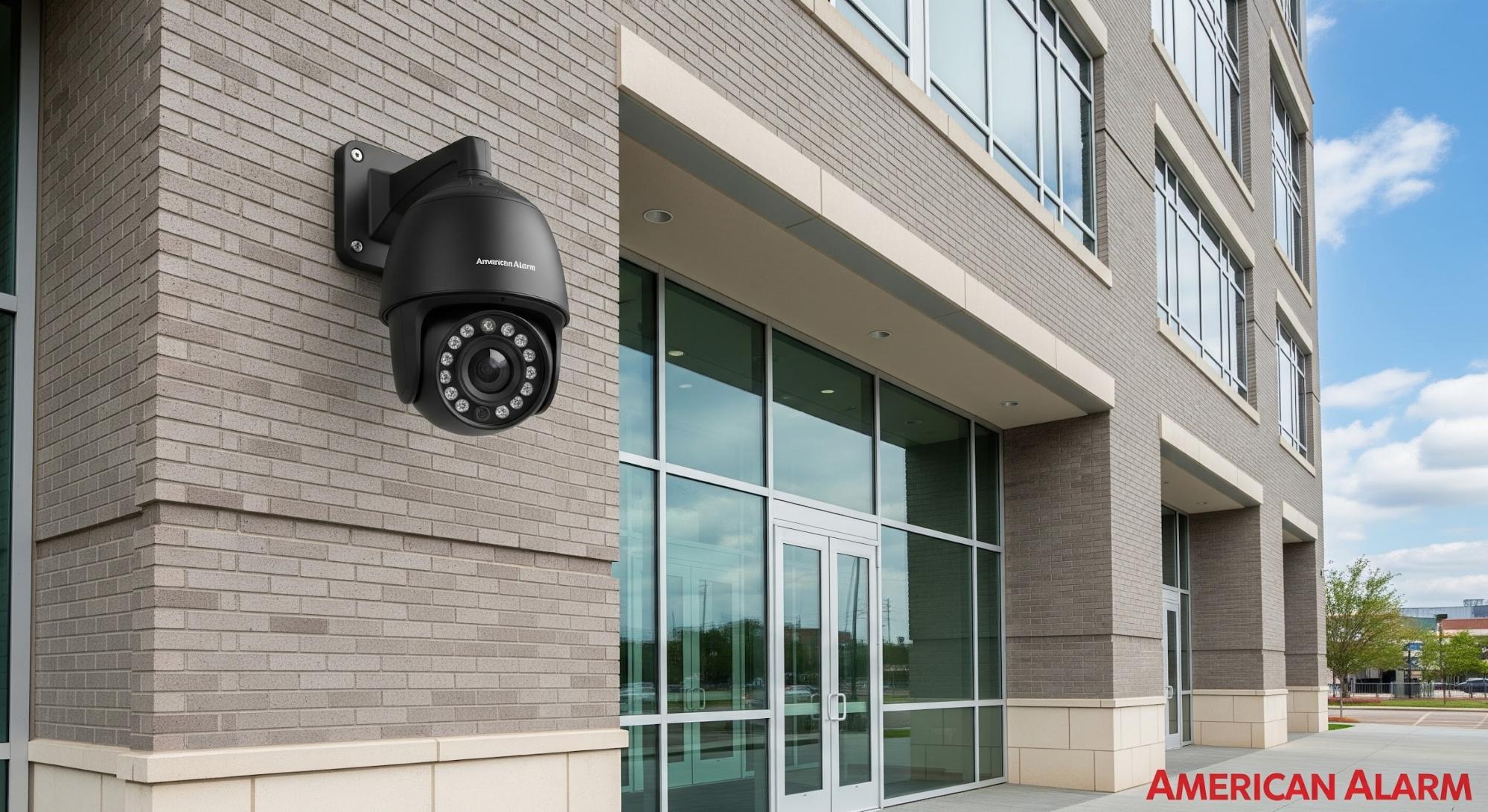
For active surveillance of large or dynamic spaces, systems with Pan-Tilt-Zoom (PTZ) capabilities are a game-changer. Instead of a fixed view, PTZ units can be remotely controlled to pan left and right, tilt up and down, and zoom in on specific details with incredible clarity. This means a single PTZ unit can do the work of several fixed ones, allowing you to follow a person or vehicle across a large property or get a close-up view of a transaction at a register. This functionality is invaluable for businesses with expansive areas to monitor, like distribution centers or large retail stores, providing comprehensive coverage and the ability to respond to events in real-time.
Beyond the Basics: Advanced Features for Smarter Security
Modern surveillance goes far beyond simple recording. Advanced features transform your cameras from passive observers into active participants in your security strategy, leveraging technology to detect threats, automate alerts, and provide data that improves business operations. These capabilities are what truly elevate a system to a powerful loss prevention tool.
What Happens After Dark? The Importance of Night Vision
Crime doesn’t stop when the sun goes down. In fact, many businesses are most vulnerable after hours. Superior night vision is an essential feature for 24/7 protection. Infrared (IR) technology allows cameras to see in complete darkness, producing clear black-and-white images. More advanced technologies like Starlight or ColorVu can produce full-color images in extremely low-light conditions, providing even more detail for identification. For any business in Norcross or Smyrna, protecting property overnight is critical, and powerful night vision is the key.
Go Beyond Motion Alerts with Intelligent Video Analytics
This is where modern surveillance truly shines. Instead of just detecting any movement, intelligent video analytics security cameras can be programmed to identify specific behaviors and trigger alerts. This technology significantly reduces false alarms caused by irrelevant motion. Key analytics for loss prevention include:
- Line Crossing: Alerts you when someone crosses a pre-defined virtual line, perfect for securing perimeters or restricted areas.
- Intrusion Detection: Triggers an alarm when a person or vehicle enters a specific zone and lingers for a set time.
- Object Left/Removed: Can detect if a suspicious package is left behind or if a high-value item is removed from a display.
- Facial Recognition: Can identify known shoplifters or unauthorized individuals, providing an immediate heads-up to your security team.
Keep an Eye on Things, No Matter Where You Are
Business owners and managers can’t be on-site 24/7. Remote access allows you to view live and recorded video from anywhere via a smartphone, tablet, or web browser. This capability is invaluable for checking in on your property, verifying alarms, and managing security across multiple locations from a central point. Whether you’re at home or on the go, you have a direct line of sight into your Peachtree Corners business, providing ultimate peace of mind and control.
From Listening In to Warning Off: Audio and Deterrence Features
The most effective security systems don’t just record events; they actively prevent them. Proactive features like audio and visual deterrents can stop a potential incident in its tracks, turning your surveillance system into a first responder. Instead of just having a video of a break-in, you have a system that can scare off the intruder before they cause any damage. These features empower you to interact with your environment remotely, adding a powerful layer of real-time defense that makes criminals think twice before targeting your property.
Two-Way Audio Communication
Imagine being able to address someone on your property from anywhere in the world. That’s the power of two-way audio. Systems equipped with a built-in microphone and speaker let you listen in and speak through the device using your smartphone app. This is incredibly useful for more than just scaring off trespassers. You can use it to instruct a delivery driver on where to leave a package, communicate with employees after hours, or simply let a loiterer know they are being watched and recorded. It’s a direct, immediate way to take control of a situation.
Active Deterrence: Sirens and Spotlights
Nothing sends a criminal running faster than a sudden spotlight and a blaring siren. Many modern commercial camera systems include active deterrence features that can be triggered by motion. When someone enters a restricted area after hours, the system can automatically activate a bright, motion-activated floodlight and a loud, audible alarm. This sudden attention is often enough to deter theft or vandalism before it even starts, drawing immediate notice to the unwanted activity and protecting your business when it’s most vulnerable.
Protecting Your Data: Digital Security and Privacy
As your security system connects to the internet for remote viewing and alerts, its digital security becomes just as important as its physical installation. A system that isn’t properly secured can become a liability, potentially exposing sensitive video feeds to unauthorized viewers. That’s why choosing a system with robust digital safeguards is essential. Protecting your video data ensures that your surveillance system remains a tool for your protection, not a backdoor for digital intruders. It’s a critical component of a comprehensive security strategy.
Encryption and Secure Access
Your video footage should be for your eyes only. End-to-end encryption is a must-have feature that scrambles your video data, making it unreadable to anyone without the proper authorization. Just as important is how you access your system. Look for options that require two-factor authentication (2FA), which sends a code to your phone before allowing you to log in. This simple step provides a massive defense against unauthorized access, ensuring that even if someone gets your password, they can’t get into your system.
Privacy Masking for Sensitive Areas
Effective surveillance doesn’t have to come at the expense of privacy. Privacy masking is a feature that allows you to digitally black out specific areas within a system’s field of view. This is perfect for obscuring sensitive spots like keypads where PINs are entered, computer monitors displaying confidential information, or even the windows of a neighboring property. It allows you to maintain comprehensive coverage of your business while respecting the privacy of your employees and customers, ensuring your security measures are both effective and responsible.
Smart Features for Added Convenience
Today’s best security systems are designed to integrate smoothly into your daily operations. Many are compatible with smart platforms like Amazon Alexa or Google Assistant, allowing you to use simple voice commands to view a live feed on a screen. This level of integration extends to other business systems, creating a centralized hub for managing your property. When your surveillance works in harmony with your other tools, it becomes more than just a security device; it’s a part of a smarter, more efficient business, and one of the many integrated services we can help you set up.
Making It All Work Together: Your Complete Security Ecosystem
A truly effective security plan relies on more than just cameras. The best protection comes from a system where every component works together. Integrating your cameras with other security infrastructure creates a unified, multi-layered defense that is far more powerful than the sum of its parts.
How to Manage and Protect Your Video Footage
For businesses with multiple cameras, a Video Management System (VMS) is essential. A VMS provides a single interface to view, manage, and search footage from all your cameras. It simplifies monitoring and makes it easy to find specific incidents when needed. Equally important is secure storage. Whether you choose on-site network video recorders (NVRs) for physical control or cloud storage for remote accessibility and redundancy, your footage must be protected from tampering and data loss.
Choosing Your Storage: Local, Cloud, and Hybrid
Deciding where to keep your video footage is a critical step. You have three main options. Local storage means your recordings are kept on-site, typically on a network video recorder (NVR), giving you direct physical control over your data. Cloud storage saves your footage on remote servers, which you can access online from anywhere, usually through a subscription service. This is great for remote access and having an off-site backup. The third option, a hybrid approach, combines both. It records locally for fast access and simultaneously backs up important events to the cloud. This method provides an excellent safety net, ensuring your footage is safe even if the on-site recorder is damaged or stolen.
The Importance of Surveillance-Grade Hard Drives
If you opt for local storage, the type of hard drive you use matters immensely. A standard desktop hard drive isn’t designed for the demands of continuous, 24/7 recording. They are built for intermittent use and are more likely to fail under constant strain, potentially causing you to lose crucial footage right when you need it most. That’s why investing in a surveillance-grade hard drive is essential. These drives are specifically engineered for the heavy workload of a video security system, offering superior reliability, durability, and performance. While they may cost slightly more upfront, they prevent the much greater cost and frustration of data loss from a failed drive.
Video Retention: How Long to Keep Footage
How long should you store your recorded video? The answer depends on your business’s specific needs and risks. A good starting point is to keep footage for at least 30 days, which is usually enough time to review recent incidents. For businesses that need to investigate longer-term issues like liability claims or internal theft, a 60- to 90-day retention period is more appropriate. Some industries with strict regulatory requirements may even need to hold onto recordings for longer. Planning your retention policy helps determine your storage needs. Our team at American Alarm can help you design the right systems and products to match your retention goals, ensuring you have the evidence you need, when you need it.
A Team Effort: Integrating Alarms and Access Control
When your systems communicate, your security becomes smarter. For example, you can configure your system so that when an unauthorized person attempts to open a door managed by your access control systems, the nearest camera automatically starts recording at high resolution and sends an alert. Similarly, when your commercial alarm systems are triggered, the cameras can provide immediate visual verification of the event. This level of synergy between your cameras, alarms, and even fire alarm systems creates powerful, integrated alarm systems that provide a comprehensive safety net.
Built to Last: Why Durability and Weather Resistance Matter
Commercial security cameras must be built to last, especially those installed outdoors in the variable Georgia climate. Look for cameras with high IP (Ingress Protection) ratings, such as IP67, which indicates they are fully protected against dust and water. For areas at risk of vandalism, a high IK rating signifies that the camera is impact-resistant. Choosing durable, weather-resistant hardware ensures your investment continues to perform reliably for years to come, protecting your property in Vinings through hot summers and cold winters.
Weatherproofing for Georgia’s Climate
Georgia’s weather can be tough on outdoor equipment, with its humid, sweltering summers, sudden downpours, and occasional freezing temperatures. Your outdoor security devices need to be able to handle it all without failing. That’s where an IP (Ingress Protection) rating comes in. Look for a system with a rating of at least IP66, which certifies that the housing is completely sealed against dust and can withstand powerful jets of water. This ensures that a heavy thunderstorm won’t short-circuit your investment. Additionally, check the camera’s operating temperature range to confirm it can perform reliably through both a summer heatwave and a winter cold snap.
Vandal Resistance with IK Ratings
Outdoor cameras can be a target for tampering or outright vandalism. To ensure your system can withstand a direct impact, look for a strong IK rating. This is an international standard that measures a device’s resistance to mechanical impact. A higher IK rating, like IK10, means the camera’s enclosure is built to be highly impact-resistant and can survive attempts to disable it. This is especially important for cameras installed in accessible areas, like entryways or parking lots, where they are most vulnerable. A vandal-proof design ensures your surveillance continues uninterrupted, even when directly challenged.
Power and Connectivity: The Backbone of Reliability
A security camera is useless if it isn’t powered on and connected. The way your system receives power and transmits data is a critical decision that impacts its reliability and installation complexity. While it might seem like a minor technical detail, your power and connectivity choices form the foundation of your entire surveillance setup. The right choice depends on your property’s layout, your specific security needs, and what existing infrastructure you have in place. Understanding the differences between wired, wireless, and alternative power solutions will help you build a system that you can count on to be operational when you need it most.
Wired vs. Wireless Systems
For most commercial properties, wired systems are the gold standard for reliability. These systems use physical cables to connect to both a power source and your network video recorder (NVR). This direct connection is not susceptible to Wi-Fi signal drops or interference, and it ensures the system keeps recording even if your internet goes down. While the installation can be more involved, the stability is unmatched. Wireless systems offer more flexibility in placement and a simpler setup, but they rely on batteries that need changing and a strong Wi-Fi signal. At American Alarm, we typically recommend wired systems & products for businesses to guarantee consistent performance.
Alternative Power Solutions
What if you need to monitor an area without easy access to power outlets, like a large parking lot, a construction site, or a remote corner of your property? In these cases, alternative power solutions are a game-changer. Solar-powered cameras are an excellent option, using a small solar panel to charge an internal battery. These systems are often paired with cellular LTE/5G connections to transmit video data, making them completely self-sufficient. This setup is not only environmentally friendly but also ensures your surveillance stays online even during a local power or internet outage, providing a truly independent security solution.
Ensuring Compatibility: Industry Standards to Know
When building or expanding your security system, you don’t want to be locked into a single manufacturer’s products. What happens if you find a great new camera from a different brand, but it won’t work with your existing video recorder? This is where industry standards become so important. Adhering to common standards ensures that devices from various manufacturers can communicate and work together seamlessly. This gives you the freedom to choose the best components for each specific need, creating a more effective and future-proof system. It’s a key factor in designing a flexible security strategy that can evolve with your business.
ONVIF and NDAA Compliance
Two key standards to look for are ONVIF and NDAA. ONVIF (Open Network Video Interface Forum) is a global standard that allows IP-based security products to operate together. If a camera is ONVIF-compliant, it can communicate with any ONVIF-compliant video management system, giving you maximum flexibility. The National Defense Authorization Act (NDAA) includes provisions that ban the use of certain video surveillance equipment in federal facilities. Many commercial businesses now follow these NDAA rules as a best practice to ensure their equipment is secure and sourced from trusted manufacturers. Choosing compliant hardware is a crucial step in building a secure and interoperable system.
Understanding the Investment: Costs to Consider
When you’re running a business, every dollar counts. Thinking about a new security system naturally brings up questions about cost. It’s helpful to view this not as a simple expense, but as an investment in the safety of your property, your team, and your customers. The total cost of a commercial surveillance system can be broken down into two main categories: the initial price for the equipment and installation, and the ongoing fees for services like monitoring and data storage. Understanding both parts of the equation helps you budget effectively and choose a solution that provides real value and lasting peace of mind for your Atlanta-area business.
Initial Equipment Costs
The upfront investment covers the physical hardware—the security cameras, recorders, and other necessary components. The price for these devices can vary quite a bit, depending on the features you need. For instance, a durable outdoor camera designed to withstand Georgia weather will typically cost more than a simpler indoor model. Likewise, systems with 4K resolution, advanced night vision, or wide-angle lenses will have a higher price point. While it can be tempting to choose the cheapest option, remember that quality matters. Investing in reliable, well-made systems and products from a trusted provider ensures your system will perform when you need it most and is backed by a solid warranty, saving you from future headaches and replacement costs.
Ongoing Subscription and Monitoring Fees
Beyond the initial hardware purchase, there are recurring costs that keep your system operating at its best. One common fee is for cloud storage, which securely saves your video footage off-site where it can be accessed from anywhere and is protected from on-site damage or theft. The most critical ongoing investment, however, is for professional monitoring. For a monthly fee, a dedicated team of security experts watches over your business 24/7. If an alarm is triggered, they can visually verify the event and dispatch the authorities immediately. These essential security services transform your system from a passive recording tool into an active shield, providing a level of protection that is simply unmatched.
Great Features Are Just the Start: How to Maximize Your System
Selecting cameras with the right features is only half the battle. To achieve true loss prevention, those cameras must be expertly installed, strategically placed, and professionally monitored. This final step transforms high-tech equipment into a truly effective security solution.
Are Your Systems in the Right Place?
An expert knows that camera placement is both a science and an art. Professionals will assess your property’s unique layout, identifying critical choke points, high-value areas, and potential blind spots. Placing cameras to cover all entrances and exits, cash handling areas, and inventory storage is fundamental. A professional survey ensures that fields of view are maximized and that cameras are positioned at the right height and angle to capture clear, usable evidence, which is why so many businesses turn to us for customized commercial security camera systems in Atlanta.
Strategic Height and Angle for Optimal Views
It’s not just about mounting a surveillance unit on a wall; the specific height and angle are critical for effectiveness. A device placed too high might give a great overview of your sales floor but will fail to capture the facial details needed for identification. If it’s too low, it becomes an easy target for tampering or damage. The goal is to find that perfect balance—high enough to be out of easy reach but angled precisely to capture clear, unobstructed views of faces and activities. This strategic placement is a key part of a professional installation, ensuring your system provides actionable evidence, not just a general recording of an event. It’s a core part of the expert security services we provide, ensuring every installation is optimized for your specific space.
Who’s Watching? The Case for Professional Monitoring
A camera system that isn’t being watched is a missed opportunity. While self-monitoring is an option, professional security system monitoring Atlanta services provide a crucial layer of protection. Trained operators are on duty 24/7/365, ready to respond the moment an intelligent alert is triggered. They can verify the threat in real-time, disregard false alarms, and immediately dispatch law enforcement to your location. This rapid, verified response can stop a crime in progress, dramatically reducing potential losses. When you need expert commercial alarm monitoring Atlanta businesses rely on, this professional oversight is indispensable. Don’t hesitate to contact us to learn more.
Ready to Secure Your Business? Let’s Talk.
Ready to equip your Atlanta business with the essential commercial security camera features it needs for robust loss prevention? Contact American Alarm today for a personalized quote.
FAQs
What resolution is best for commercial security cameras in Atlanta? Answer: For commercial applications, we recommend cameras with at least 4K (8-megapixel) resolution or higher. This ensures crucial details like faces and license plates are clear, which is vital for identification and evidence gathering in Atlanta businesses. Can commercial security cameras deter theft in retail environments? Answer: Absolutely. Visible commercial security cameras act as a strong deterrent, especially when combined with features like motion detection and video analytics that can alert staff to suspicious activity. Proper placement and professional monitoring significantly reduce retail shrinkage. How do commercial security cameras perform in low-light conditions? Answer: Modern commercial security cameras feature advanced night vision (infrared) or starlight technology, providing clear images even in complete darkness or very low light. This is essential for protecting your Atlanta business after hours. What are video analytics, and how do they help with loss prevention? Answer: Video analytics are intelligent software features that automatically analyze camera footage to detect specific events, such as unauthorized entry, loitering, or objects being removed. They provide proactive alerts, helping businesses in Atlanta prevent theft and improve operational efficiency. Is professional monitoring necessary for commercial camera systems in Georgia? Answer: While self-monitoring is an option, professional 24/7 monitoring ensures that trained operators respond immediately to alerts, verifying threats and contacting authorities. This rapid response is crucial for minimizing losses and protecting your Georgia business when you can’t be watching.


Leave a Reply
Want to join the discussion?Feel free to contribute!