Commercial Alarm Monitoring: A Complete Guide
An unmonitored alarm system is a passive deterrent. It makes a lot of noise and hopes a neighbor or passerby will call for help. But hope isn’t a security strategy. For real protection, your business needs an active solution. That’s the fundamental difference professional commercial alarm monitoring provides. Instead of just making noise, your system sends an immediate signal to a dedicated monitoring center staffed by security experts. They don’t just hope for a response; they create one by verifying the alarm and dispatching the police or fire department. This transforms your security from a gamble into a guarantee of swift, professional action.
Key Takeaways
- Go beyond a simple siren: A monitored system provides an active response, connecting your business to a 24/7 team that verifies threats and dispatches emergency services. This protects you from break-ins, fires, and other hazards far more effectively than a standalone alarm.
- Rely on experts, not just your phone: Self-monitoring puts the burden of response entirely on you, meaning a missed notification can be disastrous. Professional monitoring guarantees an expert is always watching, ensuring a swift and correct response to any emergency, day or night.
- View monitoring as a sound business decision: The right security partner provides certified monitoring and scalable systems that grow with you. This investment not only prevents costly losses but can also lower your insurance premiums, making it a financially smart choice for protecting your business.
What Is Commercial Alarm Monitoring?
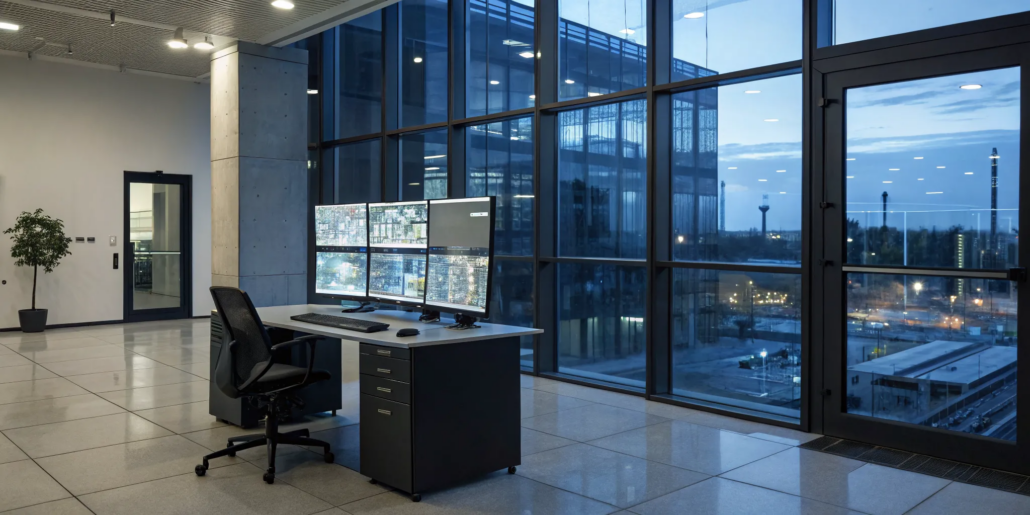
When you think of a business alarm, you might picture a loud siren scaring off an intruder. While that’s part of it, commercial alarm monitoring is a much more comprehensive service. It’s a system of connected sensors and devices designed to protect your business from threats like theft, fire, and other emergencies. But the key component is the “monitoring” part. Instead of just making noise, the system is watched over 24/7 by a team of professionals at a dedicated monitoring center. This means that even when your business is closed and empty, someone is always keeping an eye on it.
This service acts as an immediate line of defense for your property. When a sensor is triggered, it doesn’t just rely on a passerby to call for help. It sends an instant signal to the monitoring station, where trained experts can verify the alarm and dispatch the appropriate emergency responders. This turns your alarm from a passive deterrent into an active security solution. American Alarm offers a range of monitoring services that provide this essential layer of protection, giving you confidence that your business is secure, whether you’re on-site or miles away. It’s a partnership that ensures a swift, professional response the moment it’s needed most, protecting your inventory, equipment, and livelihood.
How Does It Work?
The process is straightforward and incredibly effective. It all starts when one of your system’s sensors detects unusual activity, like a door opening after hours, a window breaking, or the presence of smoke. The control panel then sends an alert to the professional monitoring center. Within seconds, a trained operator receives the signal and begins to assess the situation. They will follow a set protocol, which often includes attempting to contact you or a designated keyholder to verify the alarm.
This verification step is crucial for reducing false alarms. If the threat is confirmed or if no one can be reached, the operator immediately contacts the necessary emergency services, such as the police or fire department, providing them with critical information about your business’s location and the nature of the emergency. Many modern systems and products also allow you to have remote access, so you can receive alerts, arm or disarm your system, and check activity logs directly from your smartphone.
Types of Commercial Alarm Systems
Not all businesses have the same security needs, which is why alarm systems are not one-size-fits-all. They are typically built with a combination of devices that fall into a few main categories. The most common is intrusion detection, which focuses on securing your property against break-ins. This includes sensors on all potential entry points, such as door and window contacts, motion detectors for open interior spaces, and glass break detectors that listen for the sound of shattering glass.
Another critical category is environmental monitoring. These systems protect your business from non-criminal threats that can be just as damaging, like fire, smoke, and carbon monoxide. By integrating these detectors, you get a more complete safety net for your employees, assets, and property. The right solution for you will depend on your building’s layout and specific vulnerabilities. You can always contact us to get a professional assessment of what your business needs.
What Threats Do Commercial Alarms Detect?
A modern commercial alarm does more than just sound off during a break-in. It’s a comprehensive system designed to identify a wide range of risks that could harm your business, from theft to environmental damage. By integrating various sensors and detectors, these systems provide a protective shield that covers multiple potential threats at once. Think of it as a complete safety net for your property, assets, and employees. A well-designed system offers layers of protection, ensuring that no matter the threat, you have an early warning system in place.
Intrusion and Break-ins
The most well-known function of an alarm system is detecting unauthorized entry. This is handled through a network of sensors placed at vulnerable points. Door and window contacts trigger an alarm if a secured entry point is opened. Inside, motion detectors identify movement within a protected space, while glass-break sensors listen for the specific sound frequency of shattering glass. These components work together to create a complete barrier, protecting both the perimeter of your building and its interior spaces. When triggered, the system sends an immediate alert to the security system monitoring center.
Fire and Smoke
Protecting your business from fire is just as critical as preventing theft. Many commercial alarm systems integrate smoke and heat detectors directly into the main panel. This ensures a coordinated response if a fire breaks out. Instead of relying on separate, standalone smoke alarms, an integrated system alerts the monitoring center, which can dispatch the fire department immediately, even if no one is on-site. This is essential for meeting safety codes and protecting your property and personnel around the clock. American Alarm provides certified NFPA fire alarm services to keep your business compliant and safe.
Environmental Hazards
Beyond fire, your business can be vulnerable to other environmental dangers. Integrated sensors can detect threats like carbon monoxide leaks, which are odorless and deadly, or flooding from a burst pipe. Some systems can even monitor for extreme temperature changes, which is crucial for businesses that store sensitive inventory, like restaurants or pharmacies. These environmental sensors provide an essential layer of protection for your assets, preventing costly damage that isn’t caused by criminal activity. An alert can save you thousands in inventory loss and repair costs.
Unauthorized Access
Sometimes, the threat isn’t from an outside intruder but from someone trying to enter a restricted area within your business. This is where access control comes in. By integrating your alarm with an access control system, you can manage and monitor who goes where and when. If someone tries to enter a high-security room or access a sensitive area after hours without proper credentials, the system can trigger an alert. This helps protect valuable assets, confidential information, and critical infrastructure from internal threats or unauthorized personnel.
Key Features of Monitored Commercial Alarms
Modern commercial alarm systems offer much more than a loud siren. They are intelligent, multi-layered networks designed to provide constant, reliable protection for your business. The best systems combine advanced hardware with professional oversight to create a security solution that is both powerful and easy to manage. From around-the-clock monitoring to remote management from your phone, these features work together to protect your property, assets, and people. Understanding these key components will help you see how a monitored system can become an essential part of your business operations, giving you confidence that your investment is secure.
24/7 Professional Monitoring
The core of any effective commercial alarm system is 24/7 professional monitoring. This means a dedicated team of security experts is always watching over your business, day or night. When an alarm is triggered, a signal is sent to a central monitoring station, where trained operators immediately assess the situation. They can verify if the threat is real, which helps reduce false alarms and ensures that actual emergencies receive a swift response. This constant vigilance is what sets a professional service apart, providing a level of protection that you simply can’t achieve on your own.
Coordinated Emergency Response
When an emergency is confirmed, the monitoring center doesn’t just notify you; they manage the entire response. Operators will quickly contact the appropriate authorities, whether it’s the police for a break-in or the fire department for a smoke alarm. This coordinated action is critical in a crisis, as it ensures help is dispatched without delay. Because the monitoring professionals are providing verified information, emergency services often prioritize these calls. This feature gives you peace of mind, knowing that a clear, established protocol is in place to handle any threat efficiently.
Remote Access and Control
As a business owner, you can’t be on-site all the time. Remote access gives you the power to manage your security system from anywhere using a smartphone, tablet, or computer. You can arm or disarm the system, check the status of different zones, and receive instant notifications about any activity. For example, you can get an alert when the first employee arrives in the morning or if a door is left open after hours. This level of control keeps you connected to your business and allows you to manage its security with complete convenience.
Integration with Other Security Systems
A monitored alarm is most effective when it works as part of a larger, unified security network. Modern systems and products are designed to integrate seamlessly with other security components. For instance, your alarm system can be linked to your access control system, allowing you to track who is entering your building and when. It can also connect with environmental sensors that detect floods or extreme temperature changes. By creating a comprehensive and interconnected system, you get a more complete view of your business’s safety and security.
Advanced Detection
A monitored system relies on advanced detection devices to identify threats accurately. These are the frontline sensors that trigger an alarm. Common components include door and window contacts that detect unauthorized entry, motion detectors that sense movement within a space, and glass break detectors that are tuned to the sound frequency of shattering glass. Strategically placing these devices throughout your property ensures that every potential vulnerability is covered. These detectors are the essential eyes and ears of your security system, providing the critical first alert that sets your professional monitoring team into action.
Why Your Business Needs Commercial Alarm Monitoring
When you think about a security system, you might picture a loud siren scaring off an intruder. While that’s part of it, professional alarm monitoring offers so much more. It’s an active, 24/7 service that connects your business to a team of security professionals who can dispatch emergency services in minutes. This isn’t just about protecting your inventory; it’s a strategic investment in your business’s stability and your own peace of mind. From deterring criminals before they even try to enter, to potentially lowering your insurance costs, a monitored system works around the clock to protect what you’ve built. It ensures that no matter where you are, someone is always watching over your property, ready to respond to any threat.
Deter Crime and Prevent Loss
A visible and professionally monitored alarm system is one of the most effective ways to discourage criminals. When potential intruders see signs indicating your property is protected by a company like American Alarm, they know that a break-in will trigger an immediate response from a monitoring center. This isn’t just a local alarm; it’s a direct line to emergency dispatch. This rapid reaction drastically shortens the time an intruder has inside your business, minimizing potential losses. Protecting your assets, from equipment and inventory to sensitive data, starts with a strong deterrent, and our commercial security services provide exactly that.
Lower Your Insurance Premiums
Did you know that investing in a monitored alarm system can actually save you money? Many insurance companies offer significant discounts on business insurance premiums for properties with professionally monitored security. Why? Because they see it as a proactive step to reduce risk. A monitored system lowers the likelihood of theft, vandalism, and fire damage, which means fewer claims for them to process. These savings can help offset the monthly monitoring fee, making it a financially sound decision for your business. It’s a true win-win: you get superior protection while also improving your bottom line.
Gain Peace of Mind
As a business owner, you have enough to worry about without adding after-hours security to the list. A monitored alarm system gives you the freedom to step away from your business without constantly looking over your shoulder. Knowing that a dedicated team of professionals is watching over your property 24/7 provides invaluable peace of mind. Whether you’re home with your family or on vacation, you can relax, confident that any emergency will be handled swiftly and effectively. This allows you to focus your energy on what truly matters: running and growing your business.
Meet Safety Regulations
Beyond preventing break-ins, monitored alarm systems are crucial for meeting safety and fire code requirements. Many jurisdictions mandate that commercial buildings have professionally monitored fire detection systems to ensure the safety of employees and the public. Integrating fire, smoke, and carbon monoxide detection into your security system ensures you are compliant with regulations like those from the National Fire Protection Association (NFPA). This not only protects your people and property from harm but also helps you avoid fines and legal trouble associated with non-compliance. It’s an essential layer of protection that keeps your business safe and up to code.
How Much Does Commercial Alarm Monitoring Cost?
When you’re running a business, every dollar counts. Thinking about the cost of a commercial alarm system isn’t just about spending money; it’s about making a smart investment in your company’s security and future. The total cost can be broken down into two main parts: the initial installation and the ongoing monthly monitoring fee. The final price depends entirely on your business’s specific needs, from the size of your space to the type of protection you require. It’s always a good idea to look for current specials or packages that can provide excellent value while ensuring your property is protected around the clock. Understanding these costs upfront will help you choose a system that fits your budget and gives you total peace of mind.
Installation Costs
Your initial investment covers the essential hardware and its professional installation. This one-time cost ensures your system is set up correctly from day one for reliable performance. A basic system for a single location might cost around $1,890 for the first year. This price typically includes the main control panel, which can range from $100 to $200, and the various sensors you need. Depending on their function, individual sensors for doors, windows, or motion detection can cost anywhere from $75 to $600 each. This upfront expense lays the foundation for a secure and protected business environment.
Monthly Monitoring Fees
The monthly monitoring fee is what keeps your business protected 24/7. This recurring cost, typically ranging from $40 to $100 per month, pays for a team of trained professionals at a monitoring center to watch for any alerts from your system. If a sensor is triggered, they immediately assess the situation and contact the appropriate emergency services. When you consider that hiring a single on-site guard can cost thousands of dollars each month, professional monitoring offers a much more affordable and efficient way to ensure a rapid response when you need it most.
What Influences the Price?
Several factors influence the final cost of your alarm monitoring system. The size of your property, the number of entry points, and the specific assets you need to protect all play a role. A larger facility with more doors and windows will naturally require more sensors, increasing the installation cost. The type of services you choose, such as fire detection or access control, will also affect the price. However, many insurance providers offer significant discounts for businesses with professionally monitored security systems, which can help offset your investment over time.
Professional vs. Self-Monitoring: What’s the Difference?
When you install a security system, one of the biggest decisions you’ll make is how it gets monitored. You can either handle alerts yourself or have a dedicated company watch over your system around the clock. Self-monitoring puts all the responsibility on you to see a notification and decide how to act. Professional monitoring connects your system to a center staffed with trained agents who manage any alarms for you. For a business, this choice can be the difference between a close call and a major loss. Understanding the benefits and drawbacks of each approach will help you protect your property, your assets, and your people effectively.
The Pros of Professional Monitoring
With professional security system monitoring, a team of trained agents watches over your business 24/7. If an alarm is triggered, they immediately assess the situation, contact you, and dispatch the police or fire department if needed. This constant vigilance means you never have to worry about missing an alert on your phone. Professional services bring a level of expertise and access to commercial-grade technology that you simply can’t get on your own. For most businesses, having this reliable, immediate response isn’t just a good idea; it’s a fundamental part of a solid security plan.
The Cons of Self-Monitoring
Choosing to monitor your system yourself can leave your business exposed. It means you are solely responsible for catching every alert and reacting appropriately, whether you’re in a meeting, on vacation, or asleep. A missed notification could lead to a significant security breach and financial loss. Many business owners also find they have sophisticated security equipment but aren’t sure how to use all its features properly, which makes self-monitoring even less effective. Relying on yourself sounds simple, but it often introduces unnecessary risk and stress that a business can’t afford.
Comparing Cost vs. Value
While self-monitoring might seem cheaper upfront because it avoids a monthly fee, it’s important to look at the bigger picture. Professional monitoring is an investment in your business’s safety and continuity. The monthly cost is a fraction of what you would spend to hire an on-site guard and provides a much more comprehensive response. Furthermore, many insurance providers offer significant discounts to businesses with professionally monitored alarm systems. These savings can help offset the monitoring fee, making it an even more affordable and valuable part of your budget.
How to Choose a Commercial Alarm Monitoring Provider
Selecting the right alarm monitoring provider is a critical decision for your business. This isn’t just about installing equipment; it’s about finding a long-term partner you can trust to protect your property, assets, and people. When an alarm is triggered, you need confidence that the response will be swift and effective. As you compare options, focus on a few key areas: the provider’s reliability, their monitoring center’s credentials, the quality of customer support, and their ability to grow with your business. These factors will help you find a partner who truly understands your security needs.
Response Time and Reliability
When an emergency happens, every second counts. A provider’s response time can mean the difference between a minor incident and a major loss. Ask potential providers about their average response times and reliability measures. Companies with local monitoring centers often have an advantage, as their staff knows the Atlanta area and can coordinate with emergency services efficiently. A reliable system also reduces false alarms, saving you from unnecessary fines and ensuring real threats are taken seriously.
Certified Monitoring Centers
How can you be sure a monitoring center is reliable? Look for industry certifications like UL-Listed and CSAA Five Diamond. These credentials mean the facility has met strict requirements for security, redundancy, and staff training. The team is prepared to handle any situation professionally. Choosing a provider with a certified monitoring center gives you proof that your business is watched over by qualified experts, 24/7.
Quality Customer Service and Support
Your relationship with a security provider doesn’t end after installation. You’ll need their support for years, whether for a system question, service, or an upgrade. Look for a company that is easy to reach and responsive. Excellent support means having access to technicians who can solve problems quickly. Before signing a contract, try calling their support line to see how your inquiry is handled. A provider that values your business will offer dependable customer service.
Flexible Contracts and Scalability
Your business isn’t static, and your security system shouldn’t be either. As your company grows, you might need to add new features or cover a larger area. A good monitoring provider offers flexible solutions that adapt to your changing needs. Avoid rigid, long-term contracts that don’t allow for adjustments. Instead, look for a partner who offers a range of security services and can work with you to scale your system as your business evolves.
Common Myths About Commercial Alarm Monitoring
When it comes to protecting your business, misinformation can be a real roadblock. Many business owners put off getting professional alarm monitoring because of a few persistent myths that just don’t line up with reality. Believing these misconceptions can leave your property, assets, and employees vulnerable. Let’s clear the air and look at the facts behind some of the most common myths about commercial alarm monitoring. Understanding the truth helps you make the best decision for your business’s safety and security.
“It’s Only for Large Businesses”
It’s easy to think that professional alarm monitoring is a luxury reserved for large corporations with sprawling offices. The truth is, businesses of all sizes are targets for theft and other emergencies. Whether you run a small retail shop, a local restaurant, or a growing office, you have valuable assets and people to protect. A break-in or fire can be devastating for a small business. That’s why modern security services are designed to be scalable, offering affordable and effective solutions tailored to your specific needs, no matter the size of your operation.
“The Systems Are Too Complicated”
Another common worry is that a monitored alarm system will be too complex to manage. Business owners are already juggling a dozen different tasks, and the last thing anyone wants is a complicated system that takes weeks to learn. Fortunately, today’s security systems and products are built with the user in mind. They feature intuitive interfaces and straightforward controls that integrate smoothly into your daily workflow. You can often manage your system right from your smartphone, making it simple to arm, disarm, and check on your property without adding another headache to your day.
“Self-Monitoring Is Just as Good”
While monitoring your own system might seem like a good way to save money, it can’t compare to the reliability of professional monitoring. A self-monitored system sends alerts directly to your phone, but what happens if you miss the notification? If you’re in a meeting, on a flight, or simply asleep, a critical alert could go unnoticed. With professional monitoring, a dedicated team of experts is watching over your business 24/7. The moment an alarm is triggered, they are there to verify the situation and dispatch emergency services immediately, ensuring a rapid response when it matters most.
How to Get Started with Commercial Alarm Monitoring
Taking the first step toward securing your business is straightforward. It begins with understanding your unique needs and then moves into professional installation. A reliable security partner will guide you through the process, ensuring your system is perfectly suited to protect your property, assets, and people. Let’s walk through what you can expect.
Assess Your Security Needs
Every business has different vulnerabilities, which is why a one-size-fits-all approach to security doesn’t work. A great security system is scalable and can be customized for any business, no matter its size. The best way to start is with a thorough evaluation of your premises. A professional consultation can help identify risks you may not have considered and introduce you to security solutions that fit your specific operational needs and budget. This initial assessment is key to designing a system that provides comprehensive protection without unnecessary complexity.
The Installation and Testing Process
Once your needs are defined, the next phase is installation. A robust alarm system includes multiple layers of protection. This means installing intrusion detection devices like door and window sensors, motion detectors, and glass-break sensors at every potential entry point. Many modern systems and products also integrate fire and safety alerts, ensuring you’re protected from more than just break-ins. After the physical components are in place, the system is thoroughly tested to confirm everything works correctly, including remote access features that let you manage your system from a smartphone or other device.
Related Articles
- 5 Best Alarm System Monitoring Company Picks
- How to Choose a Commercial Fire Alarm Monitoring Service
- Fire Alarm Monitoring for Business: A Complete Guide
- What Is a Monitored Alarm System? A 2025 Guide
Frequently Asked Questions
Is professional monitoring really necessary for my small business? Absolutely. A security threat like a break-in or fire can be especially damaging to a small business. Professional monitoring provides a level of protection that scales to any size operation, ensuring that you have a dedicated team ready to respond to emergencies 24/7. It’s an affordable way to protect your investment, your inventory, and your livelihood, no matter how big or small your storefront is.
What happens if my alarm goes off by accident? False alarms are a common concern, and our process is designed to handle them smoothly. When a signal is received, the monitoring center operator will follow a specific protocol, which usually involves calling you or a designated contact first to verify the alarm. This simple step prevents unnecessary emergency dispatches and gives you a chance to confirm if it was just a mistake, saving you from potential fines and hassle.
Can you monitor a security system I already have? In many cases, yes. We can often reactivate and monitor existing security equipment, which can be a great way to get professional protection without the cost of a full system replacement. A technician can assess your current setup to ensure it’s compatible and functioning correctly. This allows you to upgrade your security to a 24/7 monitored solution while using the hardware you already own.
How fast is the response when an alarm is triggered? The response is immediate. The moment a sensor is triggered, a signal is sent to the monitoring center, where a trained operator receives it in seconds. They will quickly verify the alarm and, if the threat is confirmed, dispatch the appropriate emergency services right away. This rapid, coordinated action is the core benefit of professional monitoring and ensures help is on the way without delay.
Can I manage my system when I’m not at the business? Yes, modern systems are designed for convenience and control. You can manage your security system from anywhere using an app on your smartphone or a web browser. This allows you to arm or disarm the system, check its status, and receive real-time alerts about activity at your business. It keeps you connected and in control, even when you’re miles away.


Leave a Reply
Want to join the discussion?Feel free to contribute!