Best Alarm Companies: A Complete Buyer’s Guide
Think home security is just a blaring alarm? Think again. Today’s systems do so much more, from letting you see and speak to visitors on your phone to proactively deterring intruders with light and sound. The best alarm company for you is one that adds a layer of smart protection and convenience to your daily life. We’ll explore the advanced features that make this possible, from video monitoring to smart locks. This guide compares the best alarm companies—including ADT, Vivint, SimpliSafe, and Ring—to help you find the right technology for a safer, more connected home.
Key Takeaways
- Focus on the fundamentals of protection: A great security company excels in three key areas: reliable equipment, professional 24/7 monitoring, and clear, honest pricing. Evaluating providers on these core principles will help you find a truly effective system.
- Define your priorities to find the right fit: The best security company is the one that aligns with your specific needs. Decide whether your top priority is budget-friendliness, advanced smart home automation, or the personalized service of a local expert to narrow your search.
- Ask the tough questions before signing: Get clarity on the full commitment by asking about contract lengths, hidden fees, warranty details, and cancellation policies. A transparent company will provide straightforward answers, giving you confidence in your decision.
What Makes the Best Alarm Companies Stand Out?
Choosing a home security company can feel overwhelming with so many options on the market. But when you cut through the noise, the best companies stand out by excelling in a few key areas. It’s not just about having the loudest commercials or the flashiest gadgets; it’s about providing reliable protection, straightforward pricing, and service you can count on when it matters most.
A great security provider offers a solid foundation of high-quality equipment and dependable monitoring. They are transparent about their costs and contracts, so you know exactly what you’re paying for. They also understand that modern security should fit seamlessly into your life, not complicate it. As you explore your options, from national brands to trusted local experts, focusing on these core principles will help you find a partner dedicated to keeping your home and family safe.
Pinpointing the Features You Really Need
When you start comparing security systems, it’s easy to get lost in a long list of features. To simplify things, focus on the three pillars that define a quality system: equipment, monitoring, and price. The best home security systems are consistently strong in these areas. High-quality equipment means durable sensors and a control panel that’s easy to use. Professional monitoring ensures a fast response in an emergency. Finally, transparent pricing without hidden fees shows that a company values your trust. By weighing these three factors, you can confidently assess which systems and products will provide the best value and protection for your home.
Professional vs. Self-Monitoring: Which Is Right for You?
One of the biggest decisions you’ll make is choosing between professional and self-monitoring. With self-monitoring, you receive alerts on your phone and are responsible for contacting the authorities yourself. Professional monitoring, on the other hand, connects your system to a 24/7 surveillance center. When an alarm is triggered, trained professionals assess the situation and dispatch emergency services for you. This provides an essential layer of protection, especially when you’re away, asleep, or unable to respond to an alert. For many homeowners, the peace of mind that comes with professional security system monitoring is well worth the investment.
Does It Connect with Your Smart Home?
Your security system shouldn’t operate in a silo. Top providers now offer systems that integrate smoothly with your existing smart home devices. Imagine your security system disarming when you unlock your smart lock or your lights turning on when a motion sensor is triggered at night. This level of connectivity adds a layer of convenience and control to your daily routine. When looking for a provider, ask about their ability to connect with popular devices and voice assistants like Alexa and Google Assistant. A system that works in harmony with your other tech makes managing your home’s safety simple and intuitive.
The Rise of the Matter Smart Home Standard
If you’ve ever been frustrated by smart home gadgets that refuse to work together, you’ll appreciate the Matter Smart Home Standard. Spearheaded by tech giants like Apple, Amazon, and Google, Matter is a new universal standard designed to ensure your smart devices can communicate seamlessly, regardless of the brand. This is a game-changer for home security. Because Matter is built on a secure and reliable network protocol, it creates a more dependable connection between your security system and other devices, like smart locks and lights. This enhanced interoperability means you can create a truly cohesive and responsive smart home where all your tech works in harmony, simplifying how you protect your home.
How We Evaluated the Top Alarm Companies
To give you the clearest picture of what makes a security provider truly great, we don’t just look at marketing claims or flashy ads. Instead, we analyze the in-depth research from leading consumer safety organizations that spend thousands of hours putting systems to the test in real-world scenarios. These experts evaluate everything from the durability of the equipment to the speed of the monitoring response. By combining their rigorous findings with feedback from thousands of actual customers, we can identify the companies that consistently deliver on their promises of safety and reliability. This comprehensive approach helps us cut through the noise and focus on what really matters: protecting your home and family.
Our Hands-On Testing and Research Process
To understand how a system performs under pressure, you have to see it in action. That’s why we rely on data from industry experts who conduct rigorous, hands-on evaluations. For example, researchers at publications like Security.org have spent more than 2,400 hours testing over 60 different systems, even staging mock break-ins to measure real-world effectiveness. This intensive process also includes interviewing thousands of customers to gather feedback on their long-term experiences. By examining this comprehensive research, we get an unbiased view of which companies provide dependable protection when it matters most.
Key Factors in Our Rating System
While advanced features are appealing, our evaluation prioritizes the fundamentals that form the bedrock of a great security system. We focus on three core pillars: reliable equipment, professional 24/7 monitoring, and transparent pricing. A system is only as strong as its hardware, so durable sensors and an easy-to-use control panel are essential. However, the true value lies in the professional monitoring service that provides a swift, decisive response in an emergency. Finally, a trustworthy company is always upfront about its costs, ensuring you won’t encounter unexpected fees. These key factors, combined with customer satisfaction ratings, guide our recommendations.
Comparing the Best Alarm Companies
Choosing a home security company can feel overwhelming with so many options on the table. Each one brings something different to the conversation, from decades of experience to cutting-edge smart home features. The right fit for you depends on what you value most: Is it a local company that knows your neighborhood, a system that integrates with your smart thermostat, or a budget-friendly option that covers the basics? It’s easy to get lost in the details, but focusing on your specific needs will help clear the path.
To help you sort through the noise, we’re breaking down some of the top names in the industry. We’ll look at what makes each company stand out, from their unique technology to their pricing models and customer service reputation. This isn’t about finding a single “best” company, but about finding the one that aligns perfectly with your home’s needs and your peace of mind. We’ll explore everything from local Atlanta experts to national giants, giving you a clear picture of their strengths. Whether you prioritize professional installation, extensive smart home automation, or the ability to speak directly to an intruder, there’s a solution here for you. Think of this as your guide to understanding the key players, so you can make a confident and informed decision for your family’s safety.
American Alarm: Atlanta’s Trusted Security Leader
For those in the Atlanta area, American Alarm offers the advantage of a local expert with a long-standing reputation. They provide a personal touch that larger national companies often can’t match. One of their most impressive features is ‘Intruder Intervention,’ which allows their monitoring agents to speak directly to intruders through your system’s speakers, a powerful deterrent. As a full-service provider, they handle everything from security system monitoring to fire alarm services, making them a comprehensive choice for protecting your home or business. Their deep understanding of the local community adds an extra layer of trust and reliability.
ADT: The Industry Veteran
As one of the oldest and most recognized names in home security, ADT has built its reputation on reliability and professional service. With over 150 years in the business, they have a vast network of monitoring centers, which translates to incredibly fast response times—often around 30 seconds. ADT systems are professionally installed, taking the guesswork out of setup and ensuring everything is working correctly from day one. This makes them a solid choice for anyone who prefers a hands-off approach and wants the assurance that comes with a long-established industry leader. Their experience is a significant asset in providing dependable protection.
SimpliSafe: Flexible, User-Friendly Systems
SimpliSafe has made a name for itself with its flexible and user-friendly systems that are incredibly easy to set up on your own. This makes it a great option if you want to avoid installation fees and get protected quickly. But its simplicity doesn’t mean it lacks power. Like some premium services, SimpliSafe offers features where monitoring agents can speak to intruders through the system to scare them away. With no long-term contracts required, it provides a modern, commitment-free approach to home security that appeals to many homeowners looking for both effectiveness and convenience.
Vivint: For Advanced Smart Home Tech
If you’re building a fully integrated smart home, Vivint is a top contender. Their systems are designed to work seamlessly with other smart devices, like thermostats, lighting, and smart locks, creating a truly connected and automated home environment. A standout feature is ‘Smart Deter,’ which uses AI to identify people lingering on your property and actively discourages them with light and sound. This proactive approach to security, combined with their sleek equipment and professional installation, makes Vivint the go-to for homeowners who are passionate about technology and want advanced automation features built into their protection plan.
Cove: A Modern Approach to Protection
Cove stands out for its straightforward approach and remarkable affordability. They frequently offer significant discounts on equipment—sometimes up to 75% off—and occasionally provide free hardware to get you started. This makes securing your home accessible without a large upfront investment. Their professional monitoring plans are also some of the most budget-friendly on the market, starting at just $19.99 per month. For those who want reliable, professionally monitored security without breaking the bank, Cove offers a compelling and cost-effective solution that doesn’t skimp on the essential features needed to keep your home safe.
Ring: Amazon’s Security Solution
Best known for its video doorbells, Ring has expanded to offer a complete and cohesive home security ecosystem. The Ring Alarm system integrates perfectly with their wide range of excellent security devices, all managed through a single, intuitive app. This makes it incredibly easy to monitor your entire property, from your front door to your backyard, all in one place. If video surveillance is a top priority for you, Ring’s combination of affordable hardware and a user-friendly platform makes it a powerful and popular choice for homeowners who want to keep a close eye on things.
Frontpoint: Premium Wireless Protection
Frontpoint excels in providing premium wireless protection with extensive smart home compatibility. Their systems work with hundreds of ‘Z-Wave’ smart devices, giving you the freedom to connect everything from smart locks and lights to garage door openers. This allows for powerful custom automations, such as having your lights flash a different color if an alarm is triggered. While it’s a self-installed system, Frontpoint is known for its excellent customer support that guides you through the process. It’s an ideal choice for those who want deep customization and the ability to build a robust, interconnected smart home security network.
abode: The Smart Home Innovator
abode is a fantastic choice for those who love having options and want their security system to play nicely with other smart home gadgets. It’s known for its broad compatibility, working with major platforms like Apple HomeKit, Alexa, and Google Assistant. What really sets abode apart is its flexible monitoring. You can monitor it yourself for free, opt for full-time professional surveillance, or even purchase short-term monitoring for just a few days when you’re on vacation. This adaptability makes it a strong contender for homeowners who want to customize their level of protection without being locked into a single plan.
Alder Security: Built for Speed
When an emergency happens, every second matters, and that’s where Alder Security shines. The company is recognized for its incredibly fast alarm response times. In some tests, their agents were able to call within 15 seconds of an alarm being triggered. This rapid response is their core strength, ensuring that potential threats are addressed almost immediately and that help is dispatched without delay. For homeowners whose top priority is knowing that a professional will be alerted at the first sign of trouble, Alder’s commitment to speed provides significant peace of mind. It’s a system built for those who value a swift and decisive reaction.
Brinks Home Security: A Legacy Reimagined
Brinks Home Security leverages a trusted name and updates it with modern smart home capabilities. Their systems are designed to integrate smoothly with the technology you already use, including voice assistants like Alexa and Google Assistant. Beyond voice control, Brinks also connects well with other smart devices, such as smart locks and garage door controllers, allowing you to create a cohesive and automated home environment. This blend of a well-established reputation with current technology makes Brinks a solid choice for anyone who wants the reliability of a legacy brand without sacrificing the convenience of smart home integration.
Home Security System Prices: What Will You Really Pay?
Let’s talk numbers. The price of a home security system isn’t just one single figure—it’s a combination of equipment, monthly services, and sometimes, installation. Understanding these different costs is the key to finding a solution that fits your budget without sacrificing peace of mind. While some companies bundle everything together, most break it down into a few key areas. Knowing what to look for will help you compare your options and avoid any surprises on your bill.
At American Alarm, we believe in transparent pricing and helping our Atlanta neighbors find smart, affordable protection. We’ll walk you through the typical costs so you can make an informed choice for your home or business.
What’s the Upfront Cost for Equipment?
The first expense you’ll likely encounter is the hardware itself. This includes the main control panel, door and window sensors, motion detectors, and any other systems and products you choose. The initial investment can vary widely. For example, you might see starter packages from brands like Ring starting around $200, while more comprehensive systems from companies like Vivint can range from $600 to over $1,800. Some providers, like Cove, often run sales that can bring the upfront cost down significantly. It all depends on the size of your property and the level of security you need.
The Hidden Costs of Add-On Sensors
That appealing price on a starter kit is often just the beginning. While it’s a great entry point, most homes require more than the two or three sensors included in a basic package. The real expense can emerge when you start adding sensors for every first-floor window, the back door, and motion detectors for key hallways. Each additional piece of equipment adds to your initial investment, and it’s easy for the total to climb much higher than you originally planned. Before committing, it’s smart to map out your home’s needs and get a clear quote that includes all the necessary hardware. This helps you understand what you will really pay for complete protection, avoiding any unexpected costs down the line.
How Do Monthly Monitoring Fees Compare?
Beyond the initial equipment purchase, the most common recurring cost is the monthly monitoring fee. This is what you pay for a team of professionals to be on standby 24/7, ready to respond to an alarm and contact emergency services if needed. These fees can range from about $20 to $50 per month. For instance, SimpliSafe and Cove offer plans on the lower end, starting around $20-$23 per month. Companies like ADT and Vivint might be closer to $25-$30 or more, especially if you include video features in your package. This ongoing security service is what turns your equipment into an active protective shield for your home.
How Contract Length Affects Your Price
Finally, it’s important to consider the contract. Some security companies require a long-term agreement, especially if they offer professional installation or roll the equipment cost into your monthly payment. ADT, for example, often requires a three-year contract, while Vivint’s agreements can extend up to five years unless you purchase the equipment outright. On the other hand, providers like SimpliSafe and Cove are known for their no-contract, month-to-month options, which offer more flexibility. Before signing anything, make sure you understand the terms and what happens if you need to move or cancel your service. It’s always a good idea to ask questions and get clarity on the commitment you’re making.
Is a Security System a Good Investment?
Thinking about a security system often brings up questions of cost, but it’s also a smart financial decision. When you look at the numbers, the value becomes clear. According to security experts, the average loss from a home burglary is nearly $6,000. A professionally monitored security system is a proactive measure that helps prevent break-ins, ensures a faster emergency response, and provides evidence if an incident occurs. When you compare the potential for a significant, unexpected loss to the predictable cost of a security system, the investment makes perfect sense. It’s about trading uncertainty for a reliable layer of protection.
Don’t Forget Potential Insurance Discounts
Here’s a financial benefit that many people overlook: a discount on your homeowner’s insurance. Many insurance companies offer reduced premiums for homes with professionally monitored security systems because a protected home is less of a risk for them. These savings can help offset the monthly monitoring fee, making your system even more affordable. It’s always a great idea to check with your insurance provider to see what kind of discount you qualify for. Combined with our own current specials, these insurance savings can make securing your home a surprisingly budget-friendly decision.
Pros and Cons: Which Alarm Company Is Best?
Every security company has its strengths. One might excel in cutting-edge tech, while another is known for stellar customer support or flexible contracts. To find the right fit for your home or business, it helps to compare them on the factors that matter most to you. Let’s look at how the top companies stack up in equipment, support, and contract terms.
How Good Is the Gear?
When it comes to technology, you have a lot of options. A long-standing provider like ADT leverages its 150-year history to offer rapid emergency response and partners with Google for high-end video products featuring facial recognition. For those who prefer a more modern, user-friendly approach, SimpliSafe offers systems with unique features like “Intruder Intervention,” allowing agents to verbally deter intruders through your equipment. On the premium end, Vivint focuses on advanced smart home integration, with wireless systems and video technology designed to proactively stop incidents before they happen. The best home security systems often blend reliable hardware with smart, intuitive software.
Wired vs. Wireless: Which is More Reliable?
A big question you’ll face is whether to go with a wired or wireless system. Wired systems are often considered the gold standard for reliability. Because they’re physically connected, you don’t have to worry about them going down if your Wi-Fi cuts out, and their signals are incredibly stable. This hardwired connection also makes them very difficult to hack. On the flip side, wireless systems offer unmatched flexibility. Installation is much simpler, and you can place sensors in locations where running wires would be impractical. However, their performance depends on a strong Wi-Fi signal, which can sometimes be prone to wireless interference. Ultimately, the choice comes down to your priorities: the rock-solid dependability of a wired connection or the streamlined convenience of a wireless setup.
Will They Be There When You Need Them?
Great technology is only half the equation; you also need reliable support. Some companies build their reputation on it. Frontpoint, for example, is known for providing excellent customer service by phone and chat, making it easy to get help when you need it. Others focus on providing value and affordability. Cove Security often runs significant sales and offers some of the most budget-friendly professional monitoring plans available, starting around $20 per month. This focus on customer satisfaction can make a huge difference in your long-term experience with a security provider.
What to Know About Contracts and Cancellations
Before you commit, it’s essential to understand the contract terms. Flexibility varies widely between providers. SimpliSafe is a leader in this area, offering no long-term contracts for its monitoring services, which gives you the freedom to cancel anytime. In contrast, many traditional providers require a commitment. Vivint’s advanced systems typically come with long-term contracts starting at 42 months, while ADT often requires a 3-year agreement if you opt for professional installation. Always read the fine print and ask about cancellation policies before signing. Understanding these contract details is key to making a confident choice.
What Security Features Should You Prioritize?
When you’re comparing home security companies, the technology can feel a bit overwhelming. It’s easy to get lost in the details, but a great system really comes down to a few core features that work together to keep your home safe. A truly effective home security system is a network of components and sensors that connect to a central control panel. These devices work in sync to protect your home from threats like fire, carbon monoxide, burglars, and flooding. Let’s break down the essential features you should look for to ensure you have comprehensive protection.
Your Checklist for Essential Sensors and Detectors
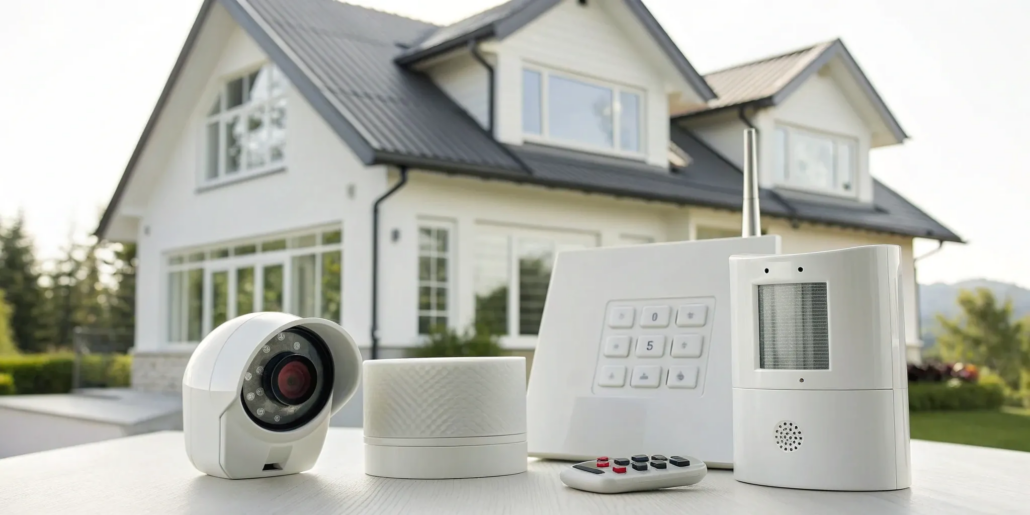
The foundation of any solid security system is its sensors. These are the digital eyes and ears that detect unusual activity in and around your home. At a minimum, you’ll want door and window sensors that trigger an alarm if they’re opened while the system is armed. Motion detectors are another key component, designed to sense movement inside your home. Together, these devices create a perimeter of protection. When one is triggered, it sends a signal to the control panel, which then alerts you and the monitoring center. This immediate response is what makes a monitored system so valuable for protecting your property and loved ones.
Understanding the Core Components
A security system is much more than a siren. Think of it as a smart network where different devices work together to protect your home. The central control panel acts as the brain, communicating with all the sensors you have in place. The most fundamental of these are door and window sensors, which alert the system if a point of entry is breached, and motion detectors that sense movement inside. But a truly comprehensive setup also includes environmental detectors for threats like fire and carbon monoxide. These components work in sync to provide layers of protection, ensuring that your system can respond to a wide range of emergencies, not just break-ins. A professional can help you determine the right mix of systems and products for your specific property.
Specialized Sensors: Glass-Break and Panic Buttons
Beyond the basics, specialized sensors can add critical layers of security tailored to your home’s unique layout. Glass-break sensors, for instance, are designed to detect the specific sound frequency of shattering glass. They provide an extra line of defense for large windows or glass doors where an intruder might try to bypass a standard entry sensor. Another powerful tool is the panic button. This small, discreet device gives you a direct line to the monitoring center, allowing you to summon help instantly in any type of emergency, whether it’s a medical issue or a security threat. Adding these specialized devices allows you to customize your system for more complete peace of mind.
Staying Connected with Mobile Apps and Alerts
In our connected world, being able to manage your home’s security from your phone is a must. A good mobile app gives you the power to arm and disarm your system, check its status, and view activity from anywhere. This is where real-time alerts become so important. You can get instant notifications on your phone if a sensor is triggered, giving you immediate awareness of a potential issue. Many modern systems offer direct secure access to your account information, allowing you to monitor your security system remotely and receive these crucial real-time alerts. It’s peace of mind in your pocket.
Why You Need Video Monitoring and a Smart Doorbell
Seeing what’s happening at your home provides an invaluable layer of security. Video monitoring allows you to check in on your property live and review recorded footage if an event occurs. A smart doorbell is a great starting point, letting you see and speak to whoever is at your front door, whether you’re on the couch or across the country. Some advanced systems even have features like “Intruder Intervention,” where monitoring agents can speak directly to intruders through your video devices. This active deterrence can be incredibly effective and shows how sophisticated modern alarm systems have become.
Protecting Against More Than Just Intruders
A comprehensive security plan goes beyond intrusion detection. Your home also faces threats from fire, carbon monoxide (CO), and water damage. Integrating smoke detectors, CO detectors, and flood sensors into your monitored security system means your home is protected 24/7, even when you’re away. If a smoke alarm goes off while you’re at work, the monitoring center is immediately notified and can dispatch the fire department on your behalf. This integrated approach to environmental hazard monitoring is a critical feature that can save lives and prevent catastrophic damage to your home.
Taking Control with Smart Locks
Smart locks and access control features add both convenience and security to your daily life. Instead of worrying about lost keys, you can use a unique code to unlock your door. This technology also allows you to grant temporary access to trusted individuals, like a house sitter or a contractor, without having to hand over a physical key. You can manage access for everyone in your household with unique user codes and even receive notifications when someone enters the home. This level of control makes it simple to manage who comes and goes, adding another layer of smart protection to your security setup.
Advanced Safety Features: Duress Codes and e911
Beyond the standard alarm, some of the most powerful security features are the ones you hope you never have to use. A duress code is a perfect example. If you’re ever forced to disarm your system under threat, you can enter this special, secondary code. To an intruder, it looks like you’re complying, but the system silently sends an emergency signal to the monitoring center to dispatch help. Similarly, an e911 feature allows you to contact your home’s local emergency services directly from your security app, no matter where you are. This ensures the right responders are sent to the correct address without delay. These advanced tools add a vital layer to your comprehensive protection plan, giving you a direct line to help when every second counts.
Debunking Common Home Security Myths
Choosing a home security system can feel overwhelming, partly because there’s so much conflicting information out there. It’s easy to get stuck on myths that can lead you away from the best solution for your home and family. Let’s clear up a few common misunderstandings so you can move forward with confidence and find a system that truly gives you peace of mind.
Myth: The Brand on the Box Is Who’s Watching
Many people think big names in the security industry are equipment brands, but that’s not always the case. For example, you might hear someone say they have an “ADT system,” but ADT is primarily a monitoring service, not an equipment manufacturer. A professional security system monitoring service is the team that responds when an alarm is triggered. They use security equipment from various top-tier brands. Understanding this difference is key, as it separates the hardware in your home from the people who watch over it 24/7.
Myth: You Can Mix and Match Any Equipment
There’s a common belief that you have to buy all your security components from a single brand to ensure they work together. Thankfully, that’s not true. You have the flexibility to choose the best devices for your needs, regardless of the manufacturer. You might prefer a video doorbell from one company but motion sensors from another. A good security provider can integrate different systems and products into one seamless, effective network. This allows you to build a customized setup that perfectly fits your home’s layout and your specific security goals.
Myth: Self-Monitoring Is Always Enough
Some homeowners wonder if they really need to pay a monthly fee for professional monitoring. If you want a dedicated company to watch over your home and contact emergency services for you, then a monitored service is essential. This service provides an invaluable layer of protection, ensuring a swift response whether you’re at work, on vacation, or asleep upstairs. It’s the difference between an alarm simply making noise and having a trained professional ready to dispatch help the moment it’s needed.
Myth: Installation Is Always a Hassle
A big hurdle for many is the assumption that installing a home security system is a complicated, frustrating process. Another common worry is that alarm systems are prone to false alerts, causing unnecessary stress. While some older systems may have been tricky, modern security technology is incredibly reliable and user-friendly. Opting for professional installation from a trusted local company like American Alarm ensures everything is set up correctly from the start. Our experts handle the entire process, so you can be confident your system is working perfectly without any of the hassle.
What Is the Customer Experience Really Like?
Beyond the flashy features and monthly fees, what truly defines a security company is the experience you have with them day-to-day. When an alarm goes off, how quickly do they respond? When you need help, is support easy to find? A great security system should give you peace of mind, not another headache. Let’s look at what you can really expect when it comes to response times, installation quality, and overall system performance.
How Fast Do They Respond in an Emergency?
In an emergency, every second is critical. The quality of a company’s monitoring center and its response speed can make all the difference. Some national brands average under 35 seconds, while others use technology to send information directly to 911. The gold standard, however, is a monitoring center with top-tier certifications. Our 24-Hour Security Command Center is Five Diamond Certified by The Monitoring Association (TMA), with trained operators who respond to priority signals in less than 20 seconds on average. This is the level of reliability you should look for in a monitoring service.
Getting Help: Installation and Tech Support Quality
A security system is only as good as its installation. While some companies offer self-setup options, a professional installation ensures every sensor is placed for optimal coverage. With some national providers, this can lock you into a long-term contract. After the setup, you need to know that reliable tech support is available. Look for companies that offer convenient ways to manage your system and get help. For instance, we provide secure online account access and offer services like remote video monitoring, so you can check in on your property from anywhere. This ongoing support is key.
Can You Count on the System to Work?
One of the biggest worries people have is the fear of false alarms. It’s a valid concern—no one wants the stress of an accidental trigger. A high-quality, professionally installed system is designed to be incredibly reliable and minimize these issues. While some systems have features like two-way audio to deter intruders, true reliability comes from how well all the components work together. When your system is designed, installed, and monitored by a single provider, you get a seamless experience. This integrated approach ensures your system performs correctly, giving you confidence that it will work when you need it.
Questions to Ask Before You Sign
Choosing a home security company is a big decision, and the details are in the contract. Before you put pen to paper, it’s essential to ask the right questions to make sure you’re partnering with a company that’s transparent and has your best interests at heart. Getting clear answers upfront will give you confidence in your choice and prevent any unwelcome surprises down the road.
Ask About Contracts and Hidden Fees
A low monthly price can be tempting, but it’s important to understand the full financial commitment. Some companies offer flexible, no-contract options, while others require you to sign on for several years. Be direct and ask about the contract length and what happens if you need to end it early. Also, inquire about any costs not included in the monthly monitoring fee. Ask about one-time charges for installation or activation, and be sure you know the total price of the security equipment you’re getting. A trustworthy company will be upfront about all potential costs.
What’s Covered by the Warranty?
Your security system is a significant investment in your home’s protection, and you want to know it’s covered if something goes wrong. A strong warranty is a sign that a company believes in the quality of its products and installation. Ask for specific details about what the warranty covers and for how long. Some providers offer exceptional protection, like a lifetime warranty on every system they install for as long as you’re a customer. Understanding the replacement policy ensures you won’t be left with unexpected repair bills if a component fails.
Do You Have Technicians in My Area?
When an alarm is triggered, who is on the other end of the line? This is a critical question. Find out where the company’s monitoring center is located and what kind of training its staff receives. A locally operated command center means the people responding are familiar with your area. Look for credentials like the TMA Five Diamond Certification, which indicates the monitoring professionals have met the industry’s highest standards for handling emergencies. This level of professional service ensures a fast, reliable, and knowledgeable response when you need it most.
What Happens If I Need to Cancel?
Life is unpredictable. You might move or your needs might change, so it’s wise to know the cancellation process before you even sign up. Some companies have been known to make canceling a service a frustrating and lengthy ordeal. Ask for the cancellation policy in writing. Find out how much notice is required and if there are any early termination fees. A company that is confident in its service will have a clear and reasonable cancellation process, making it easy for you to understand your options from day one.
Do I Need a Permit for My Alarm System?
This is a question that often comes up, and it’s an important one. In most cities and towns, the answer is yes—you will likely need a permit for a professionally monitored security system. This isn’t just bureaucratic red tape; it’s a system designed to help your local police and fire departments manage their resources. By registering your system, you help them reduce false alarms, ensuring that emergency services are available for real crises. It’s a simple step that helps keep the entire community safer and ensures a faster, more reliable response when you truly need it.
So, what happens if you don’t get one? The consequences can be significant. Some jurisdictions have a “no permit, no response” policy, which means they won’t dispatch help for an alarm from an unregistered system, leaving you unprotected in a critical moment. You could also face steep fines for false alarms, which can add up quickly and become a frustrating expense. The best course of action is to check directly with your local city or county government to understand their specific rules. A trusted security partner can also help you understand the requirements in your area, making the process smooth and straightforward from the start.
Making Your Final Choice: The Best Alarm Company for You
Choosing a home security company isn’t a one-size-fits-all decision. The right partner for your neighbor might not be the best fit for you, and that’s perfectly okay. Your ideal choice depends on your budget, your comfort level with technology, and what ultimately gives you the greatest peace of mind. Are you looking for a straightforward, affordable system that covers the essentials, or do you want a fully integrated smart home experience where your security system is the command center? Thinking about your personal priorities is the first step to finding a company that truly aligns with your needs and helps you feel secure in your own home. Let’s walk through a few common priorities to help you find your perfect match.
Best Affordable Home Security Providers
If your primary concern is finding an effective system that won’t break the bank, some companies specialize in affordable, user-friendly solutions. SimpliSafe, for example, is well-known for its budget-friendly approach without skimping on modern features. They offer innovative options like “Intruder Intervention,” where monitoring agents can use your system’s video devices to see and speak directly to an intruder. According to security experts at SafeHome.org, this active deterrence can scare off potential threats before any real harm is done. This kind of proactive protection, combined with a lower price point and flexible contracts, makes it a strong contender for anyone keeping a close eye on their spending while still prioritizing their family’s safety.
Best for the Smart Home Enthusiast
For those who love technology and want their security system to be the central hub of their smart home, a company like Vivint is worth a look. They offer high-end wireless systems designed for deep integration with other smart devices you may already own. Imagine your lights turning on automatically when you unlock the front door or your thermostat adjusting itself when you arm the system for the night. Vivint’s technology is built to proactively detect and deter threats, not just react to them. This option is perfect for the tech-savvy homeowner who wants a seamless, automated, and highly customized security setup that makes life both safer and more convenient.
Best for Maximum Protection
When your top priority is proven reliability and the fastest possible response in an emergency, an industry veteran like ADT might be the answer. With over 150 years of experience and a dozen monitoring centers, they have built a long-standing reputation for rapid response times—averaging under 35 seconds. They also partner with leading tech companies like Google to offer top-of-the-line equipment, including video devices with advanced features like facial recognition. For homeowners who want the deep assurance that comes with a well-established leader in the security industry, this level of comprehensive protection and brand trust can be very appealing.
Local vs. National: Which Provider Is a Better Fit?
The debate between a local provider and a national chain is a big one. While national companies have brand recognition, a local company offers a different kind of value that can’t be overlooked. An Atlanta-based provider like American Alarm knows the community and can offer a level of personalized service that larger corporations often struggle to match. You’re not just another account number; you’re a neighbor. As some homeowners have noted, local experts often have extensive experience with more robust, commercial-grade systems, which means they frequently use higher-quality equipment for their residential clients. When you need support, you’re calling a local office, not a call center halfway across the country, ensuring you get the attention and service you deserve.
Related Articles
Frequently Asked Questions
What’s the biggest difference between a local security provider and a national one? The main difference often comes down to the level of personalized service you receive. A local company, like one that serves the Atlanta area specifically, typically has a deeper understanding of the community. When you need support, you’re more likely to speak with someone in a local office who is familiar with your neighborhood, rather than a call center hundreds of miles away. This local connection often translates to more attentive service and a stronger relationship with your provider.
Do I really need to pay for professional monitoring every month? While you can choose to monitor alerts on your phone yourself, professional monitoring provides a critical layer of protection. It means a team of trained professionals is watching over your home 24/7. If an alarm is triggered, they assess the situation and can dispatch emergency services for you, even if you’re asleep, at work, or unable to get to your phone. It’s the difference between just being alerted to a problem and having an immediate, expert response ready to go.
Am I locked into a long-term contract if I get a security system? Not necessarily, but it’s one of the most important questions to ask upfront. Contract policies vary widely across the industry. Some companies, particularly those that include professional installation, may require a multi-year agreement. Others offer the flexibility of month-to-month service. Always make sure you understand the terms, including any cancellation policies, before you make a commitment.
My home already has some smart devices. Will a new security system work with them? Many modern security systems are designed to integrate smoothly with popular smart home technology like smart locks, lights, and voice assistants. This allows you to create a more connected and convenient home environment. However, compatibility isn’t universal. It’s a great idea to discuss the specific smart devices you own with any potential security provider to ensure their system will work in harmony with your existing tech.
What happens if a piece of equipment stops working? A reputable security company will stand behind its products and installation with a clear warranty. Before you sign up, you should always ask about the warranty details and the company’s policy for repairing or replacing faulty components. A strong warranty is a good indicator that the provider is confident in the quality of their equipment and will be there to support you if anything goes wrong.


Leave a Reply
Want to join the discussion?Feel free to contribute!