Security Gate Access Control Systems: A Buyer’s Guide
As a business owner, you have enough to worry about without tracking physical keys or wondering who has access to your facility after hours. You need a reliable way to manage entry for employees, vendors, and clients that is both secure and efficient. A well-chosen system does more than just open a gate; it provides valuable data, simplifies user management, and protects your most important assets. This is the true value of modern security gate access control systems. They are an investment in operational smoothness and security. This article breaks down how to choose the right system for your commercial property in Atlanta.
Key Takeaways
- Choose Features That Simplify Your Life: Modern access control is more than just a gate opener. Prioritize features like smartphone credentials and remote management to create a seamless and convenient entry experience for the right people.
- Plan Your Security Before You Buy: The best system is one tailored to your property. Before choosing hardware, consider your daily traffic flow, security needs, and future growth to ensure you invest in a solution that works for the long haul.
- Rely on Professional Installation for True Security: A proper setup is critical for a reliable system. Partnering with experts ensures your system is installed correctly and integrated with your other security tools, preventing vulnerabilities and costly fixes down the road.
What is a Security Gate Access Control System?
Think of a security gate access control system as a smart gatekeeper for your property. Its main job is to control who gets in and who stays out, whether it’s a person walking through a gate or a car driving into a parking lot. It’s a physical barrier that uses technology to grant access only to authorized individuals. This helps you manage entry points, deter potential intruders, and keep a clear record of who comes and goes from your home or business.
These systems are more than just a lock and key; they are a fundamental part of a modern security strategy. By automating entry, you reduce the risk of human error and create a seamless experience for residents, employees, and approved visitors. Whether you’re securing a residential community, an office building, or an industrial site, an access control gate provides the first line of defense, ensuring your property remains safe and private.
Understanding Gates, Barriers, and Turnstiles
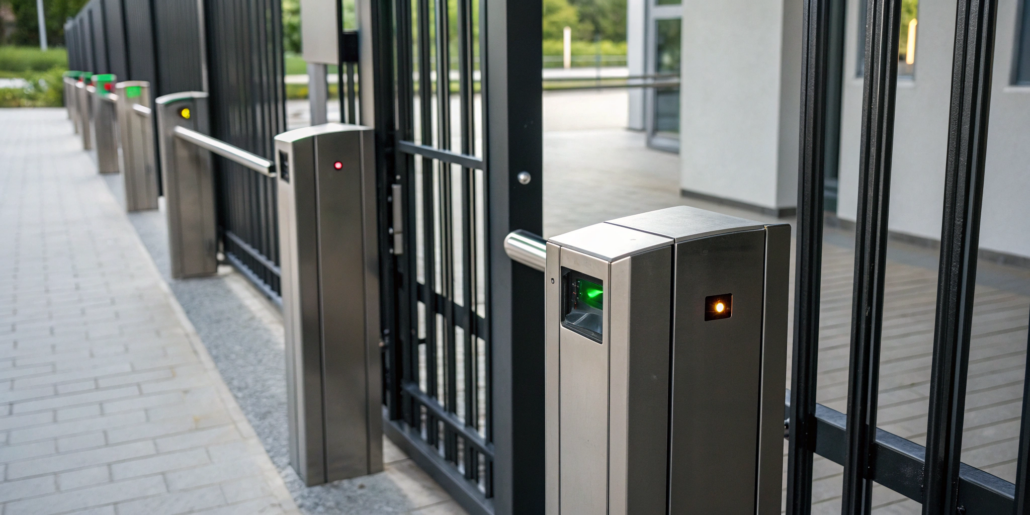
When we talk about gate access control, it’s not a one-size-fits-all solution. The term covers several types of physical barriers designed for different situations. For vehicle entry points, you might see slide gates, swing gates, or barrier arms commonly used in parking garages. For pedestrian traffic, especially in commercial buildings or event venues, turnstiles are an effective way to manage the flow of people one by one. Each type of barrier is designed to secure a specific kind of entryway, helping to keep homes and businesses safe by only letting approved individuals pass through. The right choice depends entirely on your property’s layout and traffic patterns.
How These Systems Integrate with Your Existing Security
A gate access control system rarely works alone. Its real strength comes from integrating with your other security measures to create a unified defense. For instance, you can connect your gate system with commercial camera systems to get visual confirmation of everyone who enters and exits, providing recorded logs for review. When linked to an intercom, you can speak directly with visitors before granting them access. This integration builds a comprehensive security infrastructure that can detect and respond to potential threats more effectively. Thanks to advances in technology, modern systems offer more capabilities than ever, creating a smarter, more connected approach to protecting your property.
Exploring the Types of Gate Access Control
When you start looking at gate access control, you’ll find a variety of options designed to fit different needs and properties. Think of it like choosing a lock for your front door—a simple deadbolt works for some, while others might want a smart lock with a keypad and camera. The same principle applies here. Your choice will depend on who needs access, how often they need it, and the level of security you’re aiming for. The great thing is that today’s technology offers a solution for nearly every scenario.
From traditional key cards that are perfect for office buildings to modern systems that let you open a gate with your smartphone, the options are vast. Some solutions even use unique identifiers like your fingerprint for the highest level of protection. We’ll walk through the most common types of access control systems so you can get a clear picture of what’s available. Understanding these different approaches is the first step toward finding the perfect fit for your Atlanta property, whether it’s a bustling commercial facility, a private residential community, or anything in between. Let’s look at the main categories you’ll encounter.
RFID and Card Reader Systems
You’ve probably used an RFID system without even thinking about it—tapping a key card to get into a hotel room or a key fob to access a gym. These systems are straightforward and effective. Users are given a card or fob that they simply tap on a reader to open the gate. They’re a great choice for places like offices and apartment complexes where you need to manage access for a large number of people. The initial cost for cards is relatively low, but keep in mind that if you have a lot of users, the expense of replacing lost or damaged cards can add up over time.
Mobile and Cellular Access
Imagine opening your property’s gate right from your smartphone. That’s the convenience of mobile and cellular access control. This modern approach is quickly becoming a favorite because it does away with physical cards and fobs entirely. Instead, users get access through a secure mobile app. This not only saves you money on replacing cards in the long run but also makes managing permissions a breeze. You can grant or revoke access remotely in just a few clicks, making it an incredibly flexible and user-friendly option for almost any property. This type of modern approach is perfect for managing access on the go.
Biometric Scanners
For properties that require a higher level of security, biometric scanners are an excellent solution. These systems use a person’s unique biological traits—like a fingerprint or facial scan—to grant access. Because these characteristics are nearly impossible to duplicate, biometrics offer one of the most secure ways to control entry to your property. Once seen only in high-tech movies, this technology is now more accessible and is being integrated into a wide range of security services. It’s an ideal choice for areas that need strict access control without the hassle of cards or codes.
Video and Intercom Entry Systems
Video and intercom systems add a personal touch to your gate security. When a visitor arrives, they can use the intercom to speak directly with a resident or front desk employee, who can then grant them entry. This is perfect for managing guest access at apartment buildings or deliveries at a commercial site. Most modern intercoms now include a video camera, allowing you to see who is at the gate before you let them in. This visual confirmation provides an extra layer of confidence and control, integrating seamlessly with commercial camera systems for a complete security picture.
Key Features Your Access Control System Should Have
When you think about a gate access system, you probably picture a simple keypad or a card reader. But today’s systems offer so much more than just a way to open a gate. The right features can transform how you manage access to your property, adding layers of convenience and control you might not have thought possible. Choosing a system is about finding the right combination of tools that fit your daily operations, whether you’re securing a business campus, an apartment complex, or your own home. It’s less about just keeping people out and more about letting the right people in, effortlessly.
Modern access control systems are designed to be both powerful and user-friendly. They can integrate with other security components, provide valuable data, and allow you to manage everything from your phone. As you explore your options, think about which features will make the biggest difference for you. Do you need the flexibility to manage access from anywhere? Is a seamless, hands-free entry for residents or employees a top priority? Understanding these key features will help you select a solution that not only secures your property but also simplifies your life.
Remote Management from Anywhere
Imagine being able to grant or revoke access to your property without having to be there in person. That’s the power of remote management. This feature allows you to control your access system from a computer or smartphone, no matter where you are. If a delivery driver needs temporary access or a new employee needs to be added to the system, you can handle it in seconds. For property managers, this means you can instantly revoke access for a former tenant or employee, ensuring your location remains secure. It’s all about giving you complete control and peace of mind, right from the palm of your hand.
Smartphone Credentials and Mobile Access
Physical key cards and fobs are quickly becoming a thing of the past. With mobile access, people can use their smartphones as their credentials to open gates and doors. This is incredibly convenient for everyone—no more lost cards or fumbling for a fob. For you, it simplifies administration. Issuing or revoking a digital credential is much easier and more secure than trying to track down a physical key card. This modern approach provides a smooth, hassle-free entry experience that residents and employees will appreciate, making it a must-have feature for any forward-thinking property.
Real-Time Video Integration
What good is an access log if you can’t see who’s actually coming and going? Integrating your gate system with commercial camera systems adds a critical layer of visual verification. When someone requests entry, you can see a live video feed before granting access. This integration also means that every time the gate is opened, the event is recorded and linked to video footage. This visual evidence is invaluable for reviewing incidents and provides a much clearer picture of activity on your property. It turns a simple entry point into a comprehensive security checkpoint.
License Plate Recognition
For a truly seamless entry experience, license plate recognition (LPR) is a game-changer. This technology uses specialized cameras to read the license plates of approaching vehicles, automatically checking them against a database of authorized plates. If there’s a match, the gate opens instantly without the driver needing to do anything. This is perfect for managing vehicle access in high-traffic areas, corporate campuses, or gated communities. It reduces bottlenecks at entry points and provides a frictionless way for authorized vehicles to get where they need to go, all while maintaining a high level of security.
Detailed Activity Logs and Reports
A smart access control system does more than just open gates—it collects valuable data. Every entry and exit is time-stamped and recorded, creating a detailed activity log you can access anytime. These reports show you exactly who entered your property and when, which is essential for security audits and investigating any incidents. Beyond security, this data can help you understand traffic patterns and make more informed operational decisions. Having a clear, searchable history of all access events gives you powerful insight into how your property is being used and helps you maintain a secure and efficient environment.
How to Choose the Right Access Control System
Picking the right access control system can feel like a big decision, but it doesn’t have to be overwhelming. The best system for you is one that fits your property, your budget, and your life—not the other way around. It’s all about asking the right questions before you start looking at hardware. Think of it as creating a blueprint for your security. By considering a few key factors, you can confidently choose a solution that provides peace of mind and makes sense for your daily operations.
To get started, we’ll walk through five essential areas to consider. We’ll look at everything from the size of your property and the flow of people to planning for the future and understanding the true cost. This isn’t about finding a one-size-fits-all answer, because one doesn’t exist. Instead, it’s about tailoring a solution that addresses your specific challenges. Taking the time to think through these points will help you invest in a system that keeps your property secure and operates smoothly for years to come.
Assess Your Property’s Size and Traffic
First, take a look at your property’s layout and the daily rhythm of people and vehicles. A gated community with hundreds of residents has very different needs than a small business with a dozen employees. How many entry points do you need to secure? How many people will be coming and going each day? Answering these questions helps determine the type of system that will work best without causing bottlenecks. The costs of gated access control are directly influenced by your community’s size, the type of gate you have, and how complex the installation will be. Thinking about this upfront ensures you get a system that can handle your unique traffic flow.
Match the Security Level to Your Needs
Not all properties require the same level of protection. A data center needs a much more stringent system than a neighborhood pool. Your goal is to find the right balance between strong security and everyday convenience. Do you need to restrict access to certain areas, track who comes and goes, or simply keep unauthorized vehicles out? Access control systems are designed to provide a more secure and streamlined way to manage entry, but the features you need will depend entirely on what you’re protecting. Be realistic about your risks to choose a system that offers the right features without being overly complicated for your users.
Plan for Future Growth
Your security needs might change over time. Your business could expand, you might add a new building, or you may decide to integrate your access control with other security features later on. Choosing a scalable system from the beginning is a smart move that saves you money and hassle in the long run. If you think you might build an integrated security system as your company grows, it’s wise to install the right wiring and control modules from the start. This foresight ensures your initial investment continues to pay off and that your system can grow alongside your business.
Consider Emergency and Safety Protocols
In an emergency, clear and immediate access for first responders is critical. When choosing a system, think about how police, fire, or medical personnel will get through the gate. Can you grant them remote access? Is there a manual override? Many modern systems include features specifically for these situations, such as special codes or key switches designed for emergency services. Ensuring your system has reliable emergency access features isn’t just a good idea—it’s a crucial part of keeping everyone on your property safe. Don’t overlook this step when comparing your options.
Understand the Total Cost of Ownership
The initial price of the hardware is only one part of the equation. To make a smart financial decision, you need to consider the total cost of ownership. This includes the equipment, professional installation fees, and any ongoing costs for maintenance, software subscriptions, or cloud services. The cost of an access control system can vary widely depending on the technology you choose and the number of entry points you need to secure. A less expensive system might seem appealing at first, but it could end up costing more over time if it requires frequent repairs or lacks the features you eventually need.
A Look at Leading Access Control Solutions
Choosing the right access control system is about more than just comparing features and prices. It’s about finding a solution that is reliable, easy to use, and backed by a team you can count on. The technology is constantly evolving, with cloud-managed appliances making it easier than ever to adopt modern access control. In fact, for the second year in a row, access control is the top technology that IT and property management professionals plan to invest in.
At American Alarm, we partner with industry leaders to bring you the best in security technology. We’ve done the homework for you, selecting brands known for their performance and innovation. This means you get a system that not only meets your needs today but is also ready for the future. We handle the complexities of installation and integration, so you can focus on what matters most—running your business or enjoying your home. Our goal is to provide you with a seamless experience, from the initial consultation to ongoing support, ensuring your property is always protected.
Why Choose American Alarm?
When you work with us, you’re not just buying a product; you’re gaining a local security partner. We understand the specific needs of Atlanta-area homes and businesses. We’ve chosen to work with top-tier brands like LiftMaster because they offer complete access control systems that cover every entry point. Their solutions include everything from smart video intercoms and readers to gate and garage door openers. By combining these high-quality products with our decades of local expertise, we design and install a system that’s perfectly tailored to your property, giving you confidence and control over who comes and goes.
What to Expect in Reliability and Performance
Your access control system should work flawlessly every single day. We prioritize reliability by using proven technology that delivers consistent performance. Modern systems offer incredible flexibility, allowing you to manage access from anywhere and integrate with other security features like video cameras. We focus on providing robust security services that minimize downtime and keep your property secure around the clock. You can expect a system that is not only powerful and feature-rich but also intuitive and dependable, giving you one less thing to worry about.
The Importance of Quality Customer Support
Even the best technology is only as good as the support behind it. That’s why we’re committed to providing exceptional customer service. When you have a question or need assistance, you need a responsive team that can help right away. We believe in guiding our customers through every step, from choosing the right system to understanding how to use it effectively. Top providers like Feenics emphasize comprehensive support, and we share that philosophy. You can contact us anytime, knowing you have a dedicated partner ready to ensure your system runs smoothly and your data remains protected.
Ease of Installation and User Management
Getting a new system installed shouldn’t be a headache. While installation costs can vary based on your property’s layout and the system’s complexity, our professional services are designed to make the process straightforward and efficient. Our technicians handle every detail, ensuring your system is set up correctly for optimal performance. Once installed, we make sure you and your team are comfortable managing user permissions and accessing reports. We take care of the technical details so you can enjoy a user-friendly system that simplifies your security management from day one. Be sure to check out our current specials for valuable offers.
Common Installation Challenges (and How to Solve Them)
Installing a new gate access control system is an exciting step toward securing your property. But like any technology upgrade, it can come with a few hurdles. The good news is that with a little planning, these common challenges are easy to overcome. Thinking through these points ahead of time ensures a smooth installation and helps you get the most out of your new system from day one. Let’s walk through what to expect and how to prepare.
Integrating with Existing Systems
Your new gate system shouldn’t operate in a silo. For maximum effectiveness, it needs to communicate with your existing security measures, like cameras and alarms. The goal is to create a single, comprehensive security infrastructure that works together to detect and respond to threats quickly. The challenge lies in ensuring all the components—new and old—are compatible and can speak the same language. The simplest solution is to work with an experienced installer who can assess your current setup. A professional can identify potential compatibility issues and recommend a system that integrates seamlessly, turning your separate security tools into a unified, more powerful network.
Managing User Permissions Simply
Once your system is installed, you’ll need to decide who gets access, when, and where. This can feel overwhelming, especially if the software isn’t user-friendly. Many users face a steep learning curve when configuring settings, which can lead to mismanaging permissions and accidentally giving someone the wrong level of access. Look for a system with a clean, intuitive interface that makes managing users straightforward. Your provider should walk you through creating different user groups (like employees or residents) and assigning specific permissions. A well-organized system makes it easy to add or remove users and adjust access levels on the fly.
Getting Your Team Onboard
A new security system is only effective if your team knows how to use it. Many businesses don’t have dedicated IT staff to handle implementation and training, which can make adoption feel like a major hurdle. If your team finds the system confusing or difficult to manage, they’re less likely to use it correctly, which can compromise your security. The key is to prioritize training from the very beginning. A professional installation should always include a comprehensive walkthrough for your team, ensuring everyone feels confident managing daily tasks. When your team is comfortable with the technology, it becomes a valuable tool rather than a frustrating chore.
Planning for Maintenance and Support
A gate access control system is a long-term investment in your property’s security, and it needs regular care to perform at its best. Issues ranging from improper setup to monitoring failures can compromise your organization’s overall security if they aren’t addressed. Without a plan for ongoing maintenance, you risk minor problems turning into major vulnerabilities. Before you even begin installation, discuss maintenance and support options with your provider. A good service plan should include routine system check-ups, software updates, and access to technical support when you need it. Knowing who to call gives you peace of mind that your system will remain reliable for years to come.
What to Expect During a Professional Installation
Choosing a new access control system is a big step, and the installation is where your plans become a reality. A professional installation is about more than just mounting hardware; it’s a detailed process to ensure your system works flawlessly from the start. Knowing what happens during the setup can make the entire experience smoother and help you prepare your property for the technicians. Let’s walk through the key stages of a professional installation so you know exactly what to expect when our team arrives.
Preparing Your Site for Setup
Before any equipment is installed, our technicians will conduct a thorough site assessment. This involves walking through your property to understand its unique layout, identify the best placement for readers and cameras, and check for available power sources. The complexity of your building and the number of access points are key factors that help us create an effective installation plan. You can help the process by ensuring the installation areas are clear and accessible. Having a designated person from your team available to answer questions can also help our technicians tailor the setup perfectly to your daily operations. To get started with a site assessment, feel free to contact us.
Ensuring Proper Network Connectivity
Modern gate access systems are smart, and that intelligence relies on a solid network connection. Whether your system is wired or wireless, our team will make sure it communicates effectively. This is especially important if you’re integrating your gate control with other security tools, like our commercial camera systems. During the installation, we test your network’s strength and stability to prevent any glitches. Proper connectivity is what allows you to manage access remotely, receive instant alerts, and maintain a reliable log of who comes and goes, so we make sure it’s perfect before we finish the job.
Why Professional Installation Matters
While a DIY approach can be tempting, an improper setup can create serious security gaps or system failures. Many businesses don’t have a dedicated IT department with the specialized knowledge to install and configure these complex systems. That’s where a professional team makes all the difference. Our team of experts handles everything from the physical wiring to the software configuration, ensuring every component works together as it should. A professional installation gives you peace of mind, knowing your property is protected by a system that is secure, reliable, and set up correctly for your specific needs from day one.
Breaking Down the Costs of a Gate Access System
When you’re thinking about a gate access system, the price tag is obviously a major factor. But the total cost of ownership is more than just the initial hardware purchase. It’s a combination of the equipment, the professional setup, and any ongoing service fees. Understanding each piece of the puzzle helps you budget accurately and find a solution that makes sense for your property and your wallet. Let’s walk through the main costs you can expect.
Hardware and Equipment Pricing
The biggest initial expense is the hardware itself. The price can vary quite a bit depending on the technology you choose and the scale of your system. A simple keypad system for a single gate will cost less than a multi-point biometric or RFID system for a large commercial property.
Factors that influence hardware costs include the type of gate you have, the specific access control technology you select, and how many entry points you need to secure. For example, a basic keypad system might run from $500 to $1,200 per entry point for the hardware and installation. More advanced options like video intercoms or license plate recognition cameras will naturally come with a higher price tag, but they also offer a higher level of security and convenience.
Professional Installation Fees
While it might be tempting to cut costs with a DIY approach, professional installation is crucial for a reliable gate access system. An expert ensures everything is wired correctly, integrated properly, and functions smoothly from day one.
Installation fees depend on the complexity of your system and your property’s layout. A straightforward setup will cost less than one that requires extensive wiring or integration with existing security cameras and alarms. At American Alarm, our technicians handle the entire installation process, making sure your system is optimized for your specific needs and built to last. This investment upfront saves you from the headaches and potential security gaps that can come from an improper setup.
Ongoing Maintenance and Service Costs
Your financial commitment doesn’t end once the system is installed. To keep your gate access control working flawlessly, you’ll need to plan for ongoing costs. These can include monthly or annual software subscriptions, especially for cloud-based systems that offer remote management and data storage.
You should also budget for routine maintenance and potential repairs. Just like any other piece of technology, your system will benefit from regular check-ups to ensure all components are in good working order. Choosing a reputable provider is key here, as the quality of the initial installation and the availability of support can significantly impact your long-term maintenance expenses. Feel free to contact us to discuss what a service plan might look like for your system.
Exploring Our Specials and Financing Options
We understand that a new security system is a significant investment. That’s why we work with our clients to find solutions that fit their budget without compromising on safety. A modern access control system can even help reduce administrative costs over time by automating entry and eliminating the need to manage physical keys.
We encourage you to check out our current specials and financing options, which can make securing your property more affordable. Our goal is to provide smart, effective security that gives you peace of mind. We’re always happy to talk through the costs and help you build a plan that works for you.
What’s Next for Access Control Technology?
The world of access control is moving far beyond the simple lock and key. Technology is making it easier, smarter, and more secure to manage who comes and goes from your property. Instead of just reacting to events, modern systems are becoming proactive, offering greater convenience and peace of mind. These advancements aren’t science fiction; they are practical solutions that businesses and homeowners in Atlanta are adopting right now. From using your fingerprint to unlock a door to managing your entire system from a smartphone, the future is about creating seamless, intelligent security that fits your life.
The Rise of Advanced Biometrics
Remembering passcodes or fumbling for a keycard can be a hassle. That’s why advanced biometrics are becoming so popular in access control. This technology uses your unique biological traits—like your fingerprint, face, or even the iris of your eye—to grant access. It’s one of the most secure ways to protect a property because these identifiers are nearly impossible to duplicate. Unlike a key or a card, you can’t lose your fingerprint! Integrating biometric scanners into your security gate system means you get a higher level of protection with unmatched convenience for authorized users. It’s a simple, effective way to ensure the right people have access.
Smarter, Cloud-Based Solutions
Managing your property’s access points used to mean being physically on-site to handle lockouts or update permissions. Today, cloud-based solutions are changing the game. By connecting your access control system to the cloud, you can manage everything remotely from a computer or smartphone. Need to grant a delivery driver temporary access or revoke an employee’s credentials after they leave? You can do it instantly, from anywhere. This flexibility is why so many organizations are making cloud-based security a top priority. It allows your system to grow with you, making it easy to add new gates, doors, or users without a major overhaul.
The Shift to Mobile-First Security
We use our smartphones for just about everything, and now that includes opening gates and doors. Mobile-first security turns your phone into a secure digital key. Instead of carrying a separate fob or card, you can simply use an app to gain entry. This is not only more convenient, but it can also be more secure. Most of us protect our phones with a passcode or biometric lock, adding an extra layer of defense. If a phone is lost or stolen, access can be revoked immediately from your cloud-based dashboard. This shift to mobile credentials is a practical step forward, simplifying daily routines for residents and employees alike.
Understanding “Access Control as a Service”
Traditionally, investing in a new access control system meant a significant upfront cost for hardware and installation. A model called Access Control as a Service, or ACaaS, offers a more flexible alternative. Think of it like a subscription: instead of buying the system outright, you pay a recurring fee that covers the hardware, software, and ongoing support. This approach makes top-tier technology more affordable and predictable for your budget. It also ensures your system stays up-to-date with the latest security features without requiring another large investment. If you’re looking for a cost-effective way to get the best protection, ask us about our service options.
Related Articles
Frequently Asked Questions
How do I know which system is right for my business versus my home? The best system really depends on your daily routine. For a business, you might prioritize features like detailed activity logs to track employee entry and video integration to monitor deliveries. For a residential community or a single-family home, convenience is often key, making features like mobile access via smartphone or a video intercom for greeting guests more appealing. The first step is always to think about your biggest security goal, and we can help you match the technology to it.
What happens if the power or internet goes out? Will I be locked out? This is a great question and a common concern. Reputable gate access systems are designed with backups in place. Most systems include a battery backup that allows the gate to operate during a power outage. For internet-dependent features, many modern systems can still function locally, meaning your key card or fob will still work even if the connection is down. There is also typically a manual override, ensuring you can always get in or out in an emergency.
Can a new gate system work with the security cameras I already have? In many cases, yes. Integrating a new access control system with your existing cameras is one of the best ways to create a more complete security picture. This allows you to link every gate entry event with a corresponding video clip, so you can see exactly who is coming and going. During a site assessment, we can check the compatibility of your current cameras and figure out the best way to connect everything seamlessly.
Is a gate access system a one-time cost, or are there ongoing fees? It’s typically a mix of both. You’ll have the initial investment for the hardware and professional installation. After that, there can be ongoing costs, which vary by system. For example, a cloud-based system that lets you manage access from your phone will usually have a monthly or annual subscription fee. You might also consider a service plan for routine maintenance, which helps keep your system running smoothly for years to come.
How complicated is it to add or remove someone’s access once the system is installed? It’s surprisingly simple. Gone are the days of complicated software and calling a technician for every little change. Modern systems are designed to be user-friendly. You can typically log into a secure app or web portal and add a new employee, grant temporary access to a contractor, or revoke a former resident’s credentials in just a few seconds, from anywhere you have an internet connection.

Leave a Reply
Want to join the discussion?Feel free to contribute!