Your Guide to NFPA Fire Alarm Compliance
So, your fire alarm system passed its inspection. That’s a great first step, but it’s not the end of the story. A fire alarm can provide a false sense of security if it isn’t properly maintained. Think about it: dust can clog sensors, batteries fail, and wiring degrades over time. This is exactly why any compliant NFPA fire alarm requires ongoing maintenance and testing. A neglected system is a serious risk. At American Alarm Corporation, we provide expert installation, maintenance, and compliance services to ensure your system works when it matters most.
Key Takeaways
- NFPA compliance is essential for fire alarm systems, providing crucial early detection that saves lives and protects property.
- Ongoing maintenance and regular inspections are vital for ensuring fire alarm systems remain functional and compliant with safety standards.
- Choosing a reliable provider like American Alarm Corporation guarantees expert installation, customized solutions, and continued support for enhanced safety.
Understanding the NFPA 72 Standard
When we talk about fire safety, you’ll often hear the term “NFPA 72.” Think of it as the official rulebook for fire alarm systems. It’s not just a set of recommendations; it’s the national standard that outlines the proper way to design, install, test, and maintain fire alarm and emergency communication systems. Following this code is crucial because it ensures that every component of your system works together seamlessly to provide early warnings, which is essential for saving lives and protecting your property. It’s the benchmark that professionals use to make sure a fire alarm system is reliable and effective when it matters most.
What is NFPA 72?
At its core, NFPA 72, also known as the National Fire Alarm and Signaling Code, is the comprehensive standard that governs fire alarm systems in the United States. Developed by the National Fire Protection Association, this code details the minimum requirements for everything from the placement of smoke detectors to the volume of audible alarms. It’s the definitive guide that ensures consistency and reliability across all installations. For property owners, understanding that your system is compliant with NFPA 72 means you have a system designed for optimal performance during an emergency, giving you and your building’s occupants critical time to react safely.
An Evolving Installation Standard
The world of technology is always changing, and fire safety is no exception. NFPA 72 is not a static document; it’s regularly updated by industry experts to incorporate the latest advancements and safety research. This evolution ensures that the standards for life safety and property protection keep getting better. Adhering to the most current version of the code means your system is not just functional but also leverages modern technology for better detection and communication. This is why professional installation and ongoing maintenance are so important—they keep your system aligned with the highest, most current standards for safety and reliability.
The Full Scope of NFPA 72
While it’s easy to think of NFPA 72 as just being about smoke detectors and pull stations, its scope is much broader. The code covers the entire ecosystem of a building’s life safety systems. This includes fire detection, the alarm itself, the control equipment that manages the system, and all the notification appliances that alert occupants. It also extends to emergency communication systems, ensuring that clear and effective instructions can be delivered during a crisis. Essentially, NFPA 72 provides a complete framework for a cohesive system where every part works in harmony to protect people and property from fire.
More Than Just Fire Alarms
Reflecting the needs of modern buildings, NFPA 72 has expanded to include provisions for Mass Notification Systems (MNS). These systems are designed to provide critical information and instructions during a wide range of emergencies, not just fires. This could include severe weather events, security threats, or other hazardous situations. By integrating MNS guidelines, NFPA 72 helps property managers create a unified emergency response strategy. This ensures that whether the threat is a fire or something else entirely, you have a reliable system in place to communicate clearly and effectively with everyone in the building, guiding them to safety.
How NFPA 72 Works with Other Codes
NFPA 72 is a critical piece of the safety puzzle, but it doesn’t stand alone. It’s designed to work in conjunction with a whole family of other codes and standards to create a comprehensive safety net for your building. Think of it as a specialized chapter in a much larger library of regulations that govern building construction and safety. Understanding how these codes interact is key to ensuring full compliance and creating the safest possible environment. For professionals, this means looking at the complete picture, ensuring that the fire alarm system is not only compliant with NFPA 72 but also perfectly integrated with other required safety measures.
NFPA 70: The National Electrical Code
One of the most important partners to NFPA 72 is NFPA 70, also known as the National Electrical Code (NEC). While NFPA 72 specifies what fire alarm components are needed and where they should be placed, NFPA 70 dictates how the wiring and electrical equipment for those components must be installed. This collaboration is vital because a fire alarm system is useless without a safe and reliable power source. The NEC ensures that all electrical pathways are installed correctly to prevent electrical hazards and ensure the system functions properly, especially during an emergency when you need it most.
Other Building and Fire Codes
Beyond the national standards, fire alarm systems must also comply with state and local building and fire codes. Municipalities, like those in the greater Atlanta area, often have their own specific requirements that may add to or modify the standards set by the NFPA. This is why working with a local, experienced provider is so important. At American Alarm, we have deep expertise in both national standards and local Atlanta-area regulations, ensuring your fire alarm system is fully compliant on all levels and tailored to meet the specific safety needs of your property.
Key Components of a Fire Alarm System
A fire alarm system is more than just a noisemaker on the wall; it’s a sophisticated network of devices working together to detect and announce the presence of a fire. Each component has a specific job, from sensing the first wisp of smoke to alerting everyone to evacuate. Understanding these key parts can help you appreciate how the system protects your property and the people inside it. From the central “brain” to the various sensors and alarms, every piece plays a vital role in providing that crucial early warning. Let’s break down the essential components that make up a modern, compliant fire alarm system.
Fire Alarm Control Panel (FACP)
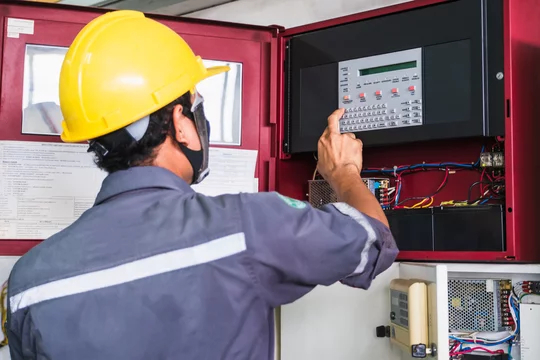
The Fire Alarm Control Panel, or FACP, is the brain of the entire system. It’s a centralized hub that receives and processes signals from all the connected devices. When a smoke detector or pull station is activated, it sends a signal to the FACP. The panel then interprets this signal and takes action, which includes activating the notification appliances like horns and strobes, and in monitored systems, sending an alert to a central monitoring station. The FACP constantly supervises the system to ensure everything is working correctly, making it the single most important piece of your fire protection setup. You can explore various systems and products that we offer to find the right fit for your needs.
Initiating Devices
Initiating devices are the “senses” of the fire alarm system. These are the components that actually detect the signs of a fire. They fall into two main categories: automatic and manual. Automatic initiating devices include smoke detectors, which sense particles of combustion, and heat detectors, which react to a rapid rise in temperature. Manual initiating devices are the familiar red pull stations you see on walls, allowing anyone who spots a fire to activate the alarm by hand. Together, these devices form the first line of detection, sending a critical signal to the FACP the moment a fire is suspected.
Notification Appliances
Once the FACP receives a signal from an initiating device, its job is to warn everyone in the building. This is where notification appliances come in. These are the parts of the system that you can see and hear: the loud horns, the piercing bells, and the bright, flashing strobe lights. Their purpose is to cut through the noise and distractions of a normal day to get everyone’s attention immediately. The combination of audible and visual alerts ensures that everyone, including those with hearing impairments, receives the warning and knows to evacuate the building quickly and safely.
Power Supplies and Pathways
A fire alarm system is an electronic system, and like any electronic device, it needs power to work. Every system has a primary power supply, which is typically connected to the building’s main electrical grid. However, because fires can often cause power outages, NFPA 72 requires a secondary, or backup, power source, usually a set of rechargeable batteries. This ensures the system remains fully operational even if the main power goes out. The “pathways,” or the wiring that connects all the components, are also a critical part, as they must be installed and protected correctly to ensure signals can travel reliably throughout the system.
Why Skipping Fire Alarm Maintenance is a Major Risk
Fire alarm systems are designed to provide early warnings that save lives and protect property, but without routine maintenance, they can fail when needed most. Several risks arise when fire alarms are not regularly inspected and maintained.
Will Your Alarm Work When It Matters Most?
Fire alarms that go untested for long periods may fail without warning, leading to devastating consequences. Without regular testing, system malfunctions may go unnoticed until it is too late.
Common Issues: Battery and Power Supply Failures
Battery-operated alarms can die unexpectedly, leaving businesses unprotected. Hardwired fire alarm systems may also experience power supply issues that prevent them from functioning correctly.
NFPA Power Supply Requirements
It’s not just about having power; it’s about having a reliable backup when the main grid goes down. That’s why the National Fire Protection Association (NFPA) has specific rules for fire alarm power supplies. According to NFPA 72, the national code for fire alarms, every system must have two independent power sources. The primary power comes from your building’s everyday electricity. The crucial backup is a secondary source, usually batteries, that kicks in automatically if you lose power. This ensures your alarms stay operational during an outage, which is exactly when you might need them most. Meeting these requirements isn’t just about swapping batteries; it involves ensuring the entire system, from wiring to backup power, is correctly installed and maintained for continuous protection.
Dealing with False Alarms and Faulty Sensors
Dust, debris, and system wear can cause faulty alarms or excessive false alerts. When sensors become compromised, they may not detect smoke or heat accurately respond quickly, reducing the effectiveness of the fire alarm system. At American Alarm Corporation, we help businesses and property owners avoid and manage these risks with scheduled inspections and proactive maintenance services.
How Often Should Your NFPA Fire Alarm Be Inspected?
NFPA fire codes require regular testing, inspection, and servicing of all fire alarm systems to ensure they remain operational and compliant. Adhering to these requirements is essential for maintaining safety and avoiding regulatory penalties.
What Do Routine Inspections Involve?
NFPA standards mandate regular system testing, including:
- Checking alarm signals and system communication with monitoring stations.
- Inspecting fire alarm panels and all connected devices.
- Verifying that emergency power sources function properly.
The Importance of Annual Professional Maintenance
Business owners, particularly those operating in high-risk industries, should schedule professional maintenance at least once per year. Certain environments, such as industrial facilities, hotels, and healthcare buildings, may require more frequent inspections.
Could Neglect Void Your Insurance or Warranty?
Failure to maintain fire alarm systems can void manufacturer warranties and insurance coverage. If a fire occurs and an investigation reveals that the system was not maintained according to NFPA guidelines, insurance claims may be denied, leading to significant financial losses. American Alarm Corporation ensures that businesses remain compliant with scheduled inspections and maintenance services that align with NFPA regulations. 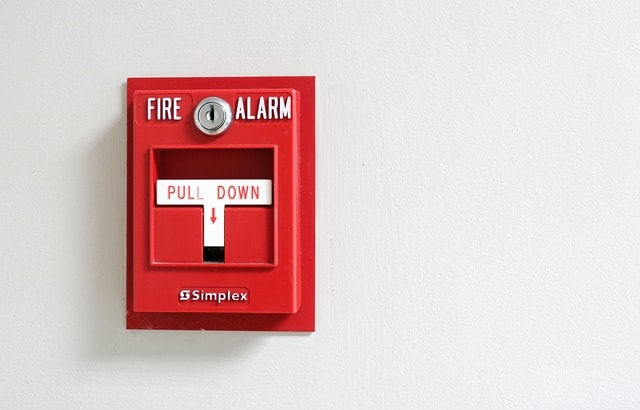
How to Achieve Hassle-Free NFPA Compliance
Maintaining an NFPA-compliant fire alarm system requires ongoing monitoring, updates, and professional servicing. American Alarm Corporation offers a comprehensive range of fire alarm monitoring services designed to keep systems fully operational while ensuring compliance with national and local fire codes.
Set Up a Schedule for Inspections and Maintenance
Regular maintenance ensures that fire alarm systems are working correctly at all times. American Alarm Corporation provides:
- Systematic inspections to confirm compliance with NFPA codes.
- Functional testing of alarm devices, detectors, and control panels.
- Preventative maintenance to address potential issues before they cause failures.
Following Specific Placement Rules
It’s not enough to simply have fire alarm components; where you place them is just as critical for compliance and safety. The National Fire Protection Association’s standard, NFPA 72, provides the definitive guidelines for the design and installation of fire alarm systems. This code outlines specific rules for the placement of every device, including smoke detectors, heat sensors, manual pull stations, and notification appliances like horns and strobes. These regulations are meticulously detailed to ensure early detection and prompt alerts during an emergency. For instance, a smoke detector installed in the wrong part of a room might not activate quickly enough to make a difference. That’s why our expert services include precise installation according to these complex codes, ensuring every component is placed for maximum effectiveness.
Meeting Both Local and NFPA Fire Alarm Codes
Beyond NFPA codes, local jurisdictions may have additional requirements. Our team ensures that all fire alarms meet the latest NFPA updates and Atlanta-specific regulations.
What to Do When You Need Emergency Repairs
Fire alarm malfunctions can occur unexpectedly, compromising the safety of a building. American Alarm Corporation offers rapid response services to:
- Diagnose and repair fire alarm system failures.
- Replace faulty components, including sensors and batteries.
- Restore compliance and functionality as quickly as possible.
With a focus on proactive maintenance and expert servicing, American Alarm Corporation provides fire alarm solutions that deliver reliable protection year-round.
The True Cost of a Neglected Fire Alarm
A fire alarm system that is not properly maintained may fail at the worst possible moment. Business owners must ensure their systems function correctly before an emergency occurs.
Why ‘Hoping for the Best’ Isn’t a Strategy
Assuming that a fire alarm system will work without proper maintenance is a serious risk. Regular inspections, professional servicing, and timely repairs are the only ways to guarantee compliance and reliability.
How to Stay Compliant and Avoid Fines
Neglecting fire alarm maintenance can lead to:
- Fines and legal penalties for failing to meet NFPA compliance.
- Increased insurance costs or denied claims after a fire incident.
- Safety risks that could result in property loss or personal injury.
At American Alarm Corporation, we provide scheduled inspections, alarm monitoring services, maintenance, and emergency repair services to keep fire alarm systems fully compliant, business-safe, and functional. 
Ready to Schedule Your NFPA Fire Alarm Maintenance?
NFPA fire alarm compliance requires more than just initial installation—it demands ongoing maintenance, professional servicing, monitoring service, and adherence to evolving safety codes. American Alarm Corporation offers a full range of fire alarm services to ensure systems remain operational and compliant. Don’t take risks with fire safety. Schedule your fire alarm maintenance with American Alarm Corporation today and ensure your business, employees, and assets are fully protected. Contact us now for a consultation and expert compliance support.
Frequently Asked Questions
What does the NFPA stand for?
The NFPA stands for the National Fire Protection Association. Stay informed and proactive about fire safety!
What is the code for installing a fire alarm system?
To install a fire alarm system, ensure compliance with the National Fire Alarm and Signaling Code (NFPA 72) and follow the specific sections outlined in the code for installation and monitoring. Adhering to these standards guarantees your system is effective and meets safety requirements.
What are the requirements for an NFPA 72 fire alarm system?
To meet NFPA 72 requirements, a fire alarm system must be effectively designed, installed, inspected, tested, and maintained according to the code’s standards, including a properly functioning fire alarm control panel. Ensure your system meets these essential criteria for optimal safety and compliance.
When was American Alarm Corporation established?
American Alarm Corporation was established in 1995, marking the beginning of a commitment to safety, technology and security that continues to thrive today!
What types of systems does American Alarm Corporation provide?
American Alarm Corporation offers a wide range of solutions including security system monitoring, fire alarm systems, camera systems, and access control systems, tailored for both residential and commercial needs. Protect what matters most with their reliable services!
Related Articles
- NFPA Compliant Fire Alarm Installation for Safety Assurance
- Expert NFPA Compliant Fire Alarm Installation for Safety Assurance
- Top NFPA Compliant Fire Alarm Installation for Your Safety Needs
- Business Fire Alarm: A Guide to NFPA Compliance
- NFPA Compliant Fire Alarm Installation | American Alarm Corp


Leave a Reply
Want to join the discussion?Feel free to contribute!