Mastering Fire Alarm Planning for New Commercial Construction in Atlanta
Key Takeaways
- Early integration of fire alarm planning into new construction prevents costly delays and ensures code compliance.
- Comprehensive fire alarm design considers building specifics, integrates with other systems, and includes monitoring.
- Proactive planning supports NFPA standards and AHJ requirements, critical for project success and occupancy.
- Delaying fire alarm considerations increases risks of non-compliance, redesigns, and budget overruns.
- American Alarm offers expert fire alarm planning and installation for commercial projects across Georgia.
The Critical Role of Early Fire Alarm Planning in New Commercial Construction
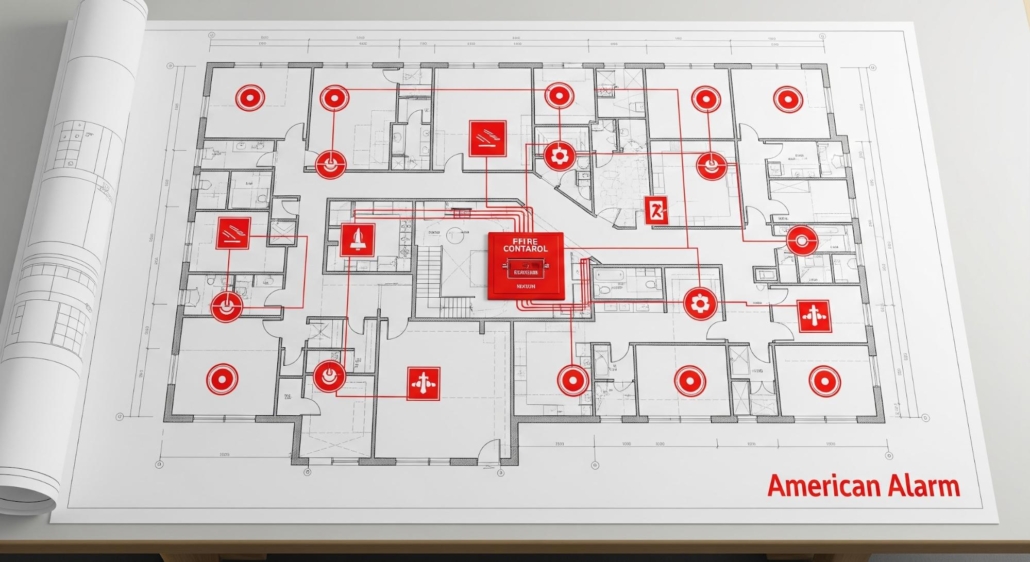
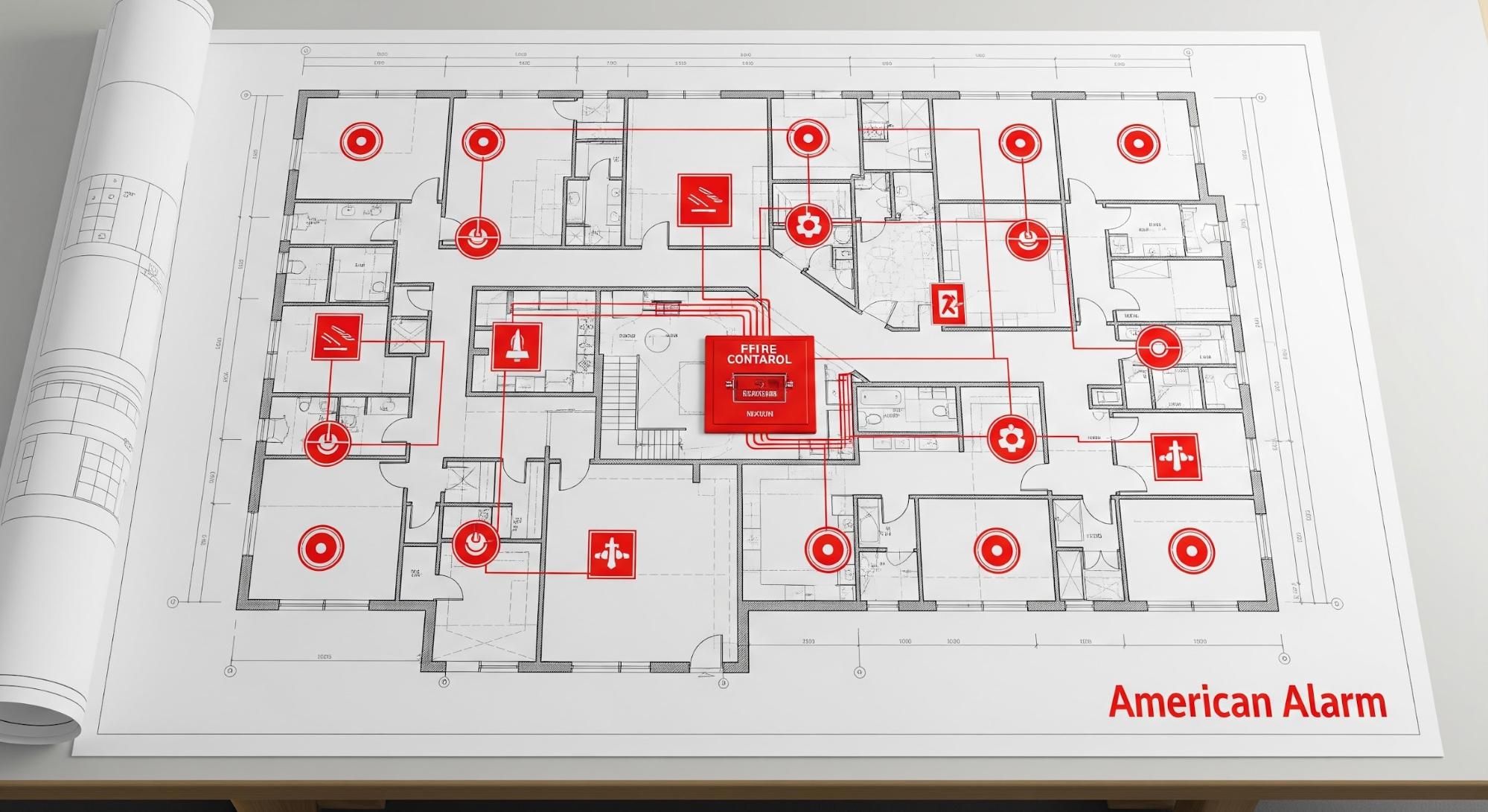
When embarking on a new commercial construction project in Atlanta, the focus is often on the visible elements: the foundation, the steel frame, and the architectural finishes. However, one of the most critical systems for life safety, the fire alarm system, is frequently treated as an afterthought. This approach is a significant mistake. Expert fire alarm planning is not a final-stage addition; it’s a foundational element that must be integrated during the initial design and pre-construction phases.
For developers and contractors in Georgia’s booming commercial hubs like Alpharetta, Roswell, and Sandy Springs, integrating fire safety from the ground up offers immense benefits. It ensures that the system is designed to meet the unique needs of the building, complies with all codes, and integrates seamlessly with other essential infrastructure. Proactive planning sets the stage for a smoother, safer, and more cost-effective project, laying the groundwork for comprehensive commercial alarm systems that protect people and property from day one.
Risks of Delaying Fire Alarm System Integration
Postponing fire alarm planning until later construction stages introduces a cascade of preventable problems. When walls are framed and electrical pathways are set, trying to retrofit a compliant fire alarm system becomes a complex and expensive puzzle. This delay often leads to costly change orders, forcing crews to tear out finished work to run new conduit or relocate devices.
These issues create significant project delays, pushing back timelines and frustrating stakeholders. More importantly, a rushed or poorly planned system can fail to meet the stringent requirements of local inspectors, leading to non-compliance fines and, in the worst-case scenario, a denied certificate of occupancy. By addressing commercial fire alarm systems from the outset, you avoid these hazards and ensure a direct path to a successful project completion.
Ensuring Code Compliance: NFPA Standards and AHJ Requirements
Navigating the complex landscape of fire safety regulations is a primary challenge in any new construction project. The National Fire Protection Association (NFPA), particularly NFPA 72 (the National Fire Alarm and Signaling Code), provides the foundational standards for system design, installation, and maintenance. However, compliance doesn’t stop there. Each local Authority Having Jurisdiction (AHJ) in Georgia, from Marietta to Johns Creek, has its own specific interpretations and additional requirements.
Early fire alarm planning allows your team to work with experts who understand these intricate codes. A professional partner can design a system that meets or exceeds all mandates from the start, preventing violations that could halt construction. This proactive approach is essential for obtaining the necessary NFPA certificates for your fire alarm, a non-negotiable step for legal occupancy and business operations. Understanding these requirements from day one is the only way to guarantee a smooth inspection process.
Integrated Design: Coordinating Fire Alarms with Other Building Systems
A modern fire alarm system doesn’t operate in a vacuum. It is a central component of a building’s overall life safety ecosystem. Effective fire alarm planning for new construction demands seamless coordination with other critical infrastructure, turning disparate systems into a cohesive, intelligent response network. This integration is crucial for enhancing the safety of commercial properties throughout North Georgia.
Electrical Systems and Power Needs
Fire alarm systems require dedicated, reliable power sources, including primary AC power and battery backup. During the design phase, electricians and fire alarm designers must collaborate to ensure sufficient power is allocated, circuits are properly isolated, and all components are powered according to NFPA 72 standards. This early coordination prevents last-minute electrical rework and ensures the system remains operational during a power outage.
HVAC Shutdown and Smoke Control
In the event of a fire, your HVAC system can either help or hinder evacuation by spreading smoke. Integrated design ensures that when a fire alarm is triggered, it automatically communicates with the HVAC system to shut down fans, close dampers, and activate smoke control functions. This prevents the circulation of toxic smoke, keeping escape routes clearer for occupants.
Access Control and Egress Strategies
Coordination between fire alarms and access control systems is vital for safe and rapid evacuation. When the fire alarm activates, the integrated system should automatically unlock designated emergency exit doors that are normally secured, allowing people to exit freely. This prevents a life-threatening scenario where occupants are trapped by security measures during an emergency. Planning this integration early ensures that egress pathways are clear and compliant.
Avoiding Costly Change Orders and Project Delays
One of the most compelling arguments for early fire alarm planning is financial. Change orders initiated late in the construction process are notoriously expensive. Rerouting conduit, moving device locations, or upgrading a control panel after drywall is up involves not just the cost of new materials but also the labor to undo and redo work. These expenses can quickly bloat a project budget.
By finalizing the fire alarm design before construction begins, you lock in pathways, device placements, and system specifications. This upfront engagement with a qualified fire alarm provider ensures that the plans are correct from the start, minimizing unexpected costs and preventing timeline disruptions. For commercial developers in competitive markets like Buckhead and Dunwoody, keeping a project on time and on budget is paramount for profitability, and early planning is a key strategy to achieve that. That is why choosing American Alarm is a smart investment in your project’s success.
Tailored Fire Alarm Design for Diverse Commercial Properties
There is no one-size-fits-all solution for commercial fire safety. The fire alarm system for a sprawling industrial warehouse in Kennesaw will have vastly different requirements than a multi-story office building in downtown Atlanta or a retail center in Milton. An effective design must be tailored to the specific characteristics of the property.
Key factors considered during the planning phase include:
- Building Type: The specific use of the building (office, retail, healthcare, industrial) dictates the types of detectors and notification appliances needed.
- Size and Layout: The square footage, number of floors, and complexity of the floor plan determine the number and placement of devices to ensure complete coverage.
- Occupancy Load: The number of people expected to be in the building at any given time influences the design of the notification system to ensure everyone can be alerted effectively.
- Specific Hazards: Areas with special risks, like commercial kitchens or data centers, may require specialized detection and suppression systems.
A professional fire alarm partner analyzes these factors to create a purpose-built system that provides optimal protection, integrating seamlessly with other commercial security systems in Atlanta for a holistic safety solution.
Beyond Detection: Fire Alarm Monitoring and Emergency Response Planning
A fire alarm system’s job isn’t finished when it detects smoke or fire; that’s when its most critical function begins. The system must immediately notify building occupants to evacuate and simultaneously transmit a signal to a 24/7 monitoring center. This is why incorporating fire alarm monitoring for your Atlanta business into the design phase is essential.
During planning, considerations are made for how the system will communicate with the monitoring station (e.g., via cellular or IP communicators) and what emergency response protocols will be followed. This ensures that as soon as an alarm is triggered, first responders are dispatched without delay. This proactive approach to emergency response is a core component of our comprehensive services and guarantees a rapid, effective reaction when every second counts.
From Design to Occupancy: Inspection, Testing, and Certification
The journey from initial blueprint to a fully operational building concludes with a series of rigorous inspections and tests. A fire alarm system must pass these evaluations before a certificate of occupancy is granted. The final stages involve the local fire marshal or AHJ physically inspecting the installation, verifying that it matches the approved plans, and witnessing a full system test.
This test confirms that every pull station, smoke detector, and notification appliance functions correctly. Because American Alarm integrates planning from the very beginning, this final step becomes a smooth validation of a well-executed design, not a stressful scramble to fix errors. We ensure that every component, from the main panel to the commercial camera systems that might be integrated, is installed and functioning per code, paving the way for your new commercial facility to open on schedule. For any questions, please contact American Alarm today.
Secure Your New Commercial Project: Get Expert Fire Alarm Planning Today
Don’t leave fire safety to chance. Partner with American Alarm for expert fire alarm planning and installation services for your next commercial construction project in Georgia. Get a quote today.
FAQs
When is the ideal time to engage a fire alarm planning expert for a new commercial build?
Answer: The ideal time to engage a fire alarm planning expert is during the earliest design and pre-construction phases, ideally when architectural and engineering plans are being developed. This ensures seamless integration and prevents costly revisions later.
What are the primary NFPA standards applicable to new commercial fire alarm systems in Georgia?
Answer: The primary standard is NFPA 72, the National Fire Alarm and Signaling Code. Local Georgia building codes and specific Authority Having Jurisdiction (AHJ) requirements also play a critical role and must be adhered to.
How does early fire alarm planning impact overall project costs and timelines?
Answer: Early planning significantly reduces overall project costs by minimizing expensive change orders, avoiding delays due to non-compliance issues, and streamlining the inspection and approval process, ultimately keeping the project on schedule and budget.
Can a fire alarm system integrate with other security systems during the new construction phase?
Answer: Yes, absolutely. Modern fire alarm systems are designed to integrate seamlessly with other commercial security systems like access control and camera systems during the new construction phase, enhancing overall life safety and property protection.
What should I consider when selecting a company for fire alarm planning for my new commercial project in Atlanta?
Answer: When selecting a company, look for proven expertise in commercial fire alarm systems, deep knowledge of local Georgia codes and NFPA standards, a strong track record in new construction projects, and a commitment to quality service and responsiveness.


Leave a Reply
Want to join the discussion?Feel free to contribute!