7 Best Commercial Security Systems (An Expert Review)
Your Atlanta business is unique, so why settle for generic protection? A one-size-fits-all system from a national chain just can’t grasp our local risks. Choosing a local partner means faster response times and personalized service from people who are actually part of your community. They’re invested in your success because they’re your neighbors. Finding the best commercial security system means looking beyond the big names. We’ll help you compare the best business security companies in the area to find a provider that offers the best commercial security for your specific needs.
Key Takeaways
- Start with a Self-Audit: The best security system is one tailored to your specific risks. Before you look at any company, identify your key vulnerabilities—whether it’s after-hours access, inventory shrinkage, or fire safety—to create a clear checklist of your needs.
- Insist on Professional Monitoring and Remote Control: An unmonitored alarm is just a noisemaker. The most critical feature is 24/7 professional monitoring that ensures a real response to emergencies, paired with a mobile app that gives you control from anywhere.
- Choose a Partner, Not Just a Provider: Your security company is a long-term relationship. Look past the sales pitch by verifying their licenses, checking their local reputation, and confirming they have fast, Atlanta-based service for when you need help the most.
How to Find the Best Commercial Security Company
Choosing a security partner for your business is a major decision. It’s not just about installing cameras; it’s about finding a company you can trust to protect your property, employees, and assets. With so many options out there, it’s easy to feel overwhelmed. The key is to focus on what truly matters for your specific business. Start by thinking through your unique vulnerabilities. Are you a retail shop concerned about shoplifting? A warehouse worried about after-hours break-ins? Or an office that needs to manage employee access? A clear understanding of your risks will help you evaluate your security needs and prioritize the features that will make the biggest difference.
Once you know what you need, look for a company with deep local expertise. A national chain might have a recognizable name, but a local provider understands the specific security challenges in your area and can offer more personalized service. They often provide faster response times for maintenance and emergencies, which is critical when your security is on the line. It’s also wise to verify any potential vendor’s technical skills. Don’t hesitate to ask about the makes and models of the equipment they use and confirm that their technicians are fully licensed and trained. Your security system is only as good as the people who install and maintain it.
Finally, consider the investment. While it’s tempting to go with the cheapest option, a quality security system is an investment in your business’s future. Look for transparent pricing that covers equipment, installation, and monthly monitoring fees. Ask about contract lengths and what happens if you need to scale your system up or down. By taking the time to find a reputable, knowledgeable, and transparent partner, you can get the peace of mind that comes with knowing your business is properly protected. For a closer look at available options, you can explore different systems and products to see what fits your budget and requirements.
Understanding the Risks to Your Business
Before you can choose the right protection, you need a clear picture of what you’re up against. It’s easy to think, “it won’t happen to me,” but the reality is that businesses of all sizes face significant security threats every day. These risks go beyond a simple break-in; they can include internal theft, liability claims, and operational disruptions that impact your bottom line. Taking a moment to understand the common challenges businesses face is the first step toward building a security strategy that truly works. It’s not about dwelling on the worst-case scenario, but about being prepared and proactive so you can focus on running your business with confidence.
Business Crime by the Numbers
The statistics on business crime can be sobering, but they paint a realistic picture of the environment we operate in. Security reports show that around 50,000 commercial buildings are broken into each year. For office spaces specifically, there were over 42,000 burglaries in a single recent year. The threat is particularly acute for small businesses, with more than half (56%) reporting theft in 2023. These numbers aren’t meant to cause alarm, but to highlight the importance of having a plan. Acknowledging the risk is the first step toward implementing effective security services that protect your hard work and investment from becoming another statistic.
More Than Just Burglary Protection
A modern security system offers benefits that extend far beyond just sounding an alarm during a break-in. Think of it as a comprehensive tool for managing your business’s safety and efficiency. For instance, a well-designed system can help lower your insurance premiums, as many providers offer discounts for professionally monitored properties. It also acts as a powerful deterrent against employee theft and can provide crucial evidence to protect your business from fraudulent customer complaints or liability claims. Even if your building has on-site personnel, a dedicated security system is essential. As experts point out, monitoring equipment provides indisputable proof of events, and unlike people, it can be everywhere at once, ensuring no detail is missed.
An Expert’s View on Deterrence
Security professionals agree that one of the most effective ways to protect your business is to make it an unattractive target. Burglars are opportunistic and often look for the path of least resistance, which means they frequently target businesses that lack visible security measures. Many business owners hesitate, thinking a professional system is too expensive. However, the cost of a single break-in—factoring in stolen assets, property damage, and operational downtime—is almost always far higher than the investment in a security system. Viewing security as a core business investment rather than an expense is a critical shift in mindset. A professionally installed and monitored system is one of the smartest, most affordable ways to deter threats before they happen.
Comparing the Best Business Security Companies
Choosing a security company for your business is a big decision. You’re not just buying equipment; you’re investing in peace of mind and a partner who will be there when it matters most. The market is filled with options, from large national corporations to local specialists, each offering a different approach to protecting your livelihood. Some focus on do-it-yourself setups that are great for startups, while others provide professionally installed, high-tech systems with all the bells and whistles.
Understanding the key players can help you narrow down what works best for your specific needs and budget. We’ll look at some of the top names in the industry, comparing their strengths and what kind of business they’re best suited for. Whether you need a simple alarm for a small retail shop or a complex network of cameras and access control for a large office, there’s a solution out there. This breakdown will give you a clear picture of what each company brings to the table, so you can make an informed choice for your business’s safety.
How We Evaluated These Systems
To give you a clear picture, we looked beyond flashy sales pitches and focused on what truly protects a business. Our evaluation centered on a few core principles. First, we prioritized companies that offer comprehensive security solutions tailored to specific business risks, not just a box of gadgets. A system should address your unique vulnerabilities, from after-hours entry to fire safety. We also insisted on systems backed by 24/7 professional monitoring, because an unmonitored alarm doesn’t provide a real response when you need it most. Finally, we gave extra weight to providers with proven local expertise, as they understand the distinct challenges Atlanta businesses face and can offer faster, more personalized support from qualified technicians.
American Alarm: Atlanta’s Trusted Security Partner
For businesses in the Atlanta area, working with a local expert has major advantages. American Alarm specializes in creating tailored, cost-effective security measures designed for the unique challenges facing our local business community. Instead of a one-size-fits-all package, you get a system built around your specific vulnerabilities and goals. Understanding the landscape of threats in Georgia is what we do best. This local focus means faster service and a deeper commitment to protecting our neighbors. It’s not just about installing alarms; it’s about providing the continuity and peace of mind you need to run your business without worry.
ADT: An Industry Leader with Comprehensive Coverage
As one of the most recognized names in security, ADT offers a wide range of solutions for businesses of all sizes. Whether you have a single storefront or multiple locations, they have packages that cover everything from intrusion detection and video cameras to access control and business automation. Their extensive network means they have a presence in most areas, providing a sense of reliability and scale. ADT is a solid choice for businesses looking for a well-established provider with a comprehensive suite of security products and a long history in the industry.
Key Features and Guarantees
ADT is known for its extensive list of features, which can be a great fit for large corporations with complex needs. They offer custom security plans that can include cybersecurity protections and voice-controlled systems. For businesses requiring a high level of oversight, ADT provides specialized services like “Video escort” for employees leaving late at night and “Video guard tours,” where remote agents visually inspect your property through your video system. These advanced options go beyond standard intrusion detection, offering a layer of active, real-time surveillance that some national or multi-state businesses find essential for their security systems.
Potential Costs
When budgeting for a security system, it’s helpful to have a baseline. With a national provider like ADT, equipment packages often start around $129, but a more typical setup for a small business usually lands in the $400 to $600 range for the initial hardware. On top of that, you’ll have a monthly fee for professional monitoring, which generally runs between $35 and $50. Of course, these are just estimates. The final price will depend on the size of your property and the specific components you choose. It’s always a good idea to look for transparent pricing and see if there are any special offers available that can help you get the protection you need within your budget.
Things to Consider
While a big name like ADT offers a wide array of services, it’s important to consider the value of a local partner. A national company may not have an intimate understanding of the specific security challenges we face here in Atlanta. With a local provider, you often get faster response times for service calls and a more personal relationship with the people protecting your business. You’re not just another account number; you’re a neighbor. This local expertise ensures your system is designed to address real, area-specific risks. When you need support, you can speak with a team that is invested in our community and dedicated to your long-term security.
SimpliSafe: Flexible and User-Friendly Solutions
SimpliSafe has made a name for itself with its straightforward, DIY approach to security. This makes it an attractive option for small businesses and startups that need reliable protection without a significant upfront investment or complex installation process. You can set up the system yourself, and professional monitoring is available as an add-on service. Their model is built on flexibility, allowing you to choose the components you need and avoid getting locked into long-term contracts. If you’re looking for an affordable, no-fuss system you can manage yourself, SimpliSafe is a leading contender.
Key Features
SimpliSafe’s main appeal is its modular, user-installed system. Business owners can select the specific sensors and components they need, creating a customized setup without professional assistance. The system is wireless, which simplifies the installation process. It offers basic intrusion detection with door, window, and motion sensors, along with options for hazard detection like smoke and carbon monoxide alarms. While professional monitoring is available, the system is built on a foundation of flexibility, allowing businesses to operate without long-term contracts. This makes it a popular choice for small businesses or renters who need a straightforward security solution that can be moved or adjusted easily.
Potential Costs
The upfront cost for SimpliSafe is a key part of its business model. Equipment packages generally start around $250, with the total cost depending on how many sensors and accessories you add to your system. After the initial purchase, you can opt into professional monitoring, which is a monthly subscription. Plans for professional monitoring start at about $22.99 per month. This pricing structure can be attractive for businesses that prefer to own their equipment outright and want to avoid the installation fees associated with professionally installed systems, keeping monthly operational costs predictable.
Things to Consider
While a self-setup system offers flexibility, it also means the responsibility for proper installation and maintenance falls on you. For a business, an improperly placed sensor could create a significant security gap. This model may lack the robust, integrated solutions that many commercial properties require, such as advanced access control or comprehensive fire safety systems. Your security provider should be a long-term partner. It’s important to look past the initial sales pitch and consider who will be there for you down the line. Verifying a company’s local reputation and confirming they have fast, Atlanta-based service is crucial for when you need help the most.
Vivint: A Focus on Smart Technology
If you want a security system that integrates seamlessly with other smart technology, Vivint is a company to consider. They are known for their high-tech equipment and professionally installed systems that often come with advanced features. For example, their cameras use AI to differentiate between people, pets, and vehicles, which helps reduce false alarms. Vivint is a great fit for business owners who appreciate cutting-edge smart technology and want a system that can be controlled alongside other smart devices. Their approach is similar to other full-service providers but often with a stronger emphasis on smart automation.
Key Features
SimpliSafe’s main appeal is its modular, user-installed system. Business owners can select the specific sensors and components they need, creating a customized setup without professional assistance. The system is wireless, which simplifies the installation process. It offers basic intrusion detection with door, window, and motion sensors, along with options for hazard detection like smoke and carbon monoxide alarms. While professional monitoring is available, the system is built on a foundation of flexibility, allowing businesses to operate without long-term contracts. This makes it a popular choice for small businesses or renters who need a straightforward security solution that can be moved or adjusted easily.
Potential Costs
The upfront cost for SimpliSafe is a key part of its business model. Equipment packages generally start around $250, with the total cost depending on how many sensors and accessories you add to your system. After the initial purchase, you can opt into professional monitoring, which is a monthly subscription. Plans for professional monitoring start at about $22.99 per month. This pricing structure can be attractive for businesses that prefer to own their equipment outright and want to avoid the installation fees associated with professionally installed systems, keeping monthly operational costs predictable.
Things to Consider
While a self-setup system offers flexibility, it also means the responsibility for proper installation and maintenance falls on you. For a business, an improperly placed sensor could create a significant security gap. This model may lack the robust, integrated solutions that many commercial properties require, such as advanced access control or comprehensive fire safety systems. Your security provider should be a long-term partner. It’s important to look past the initial sales pitch and consider who will be there for you down the line. Verifying a company’s local reputation and confirming they have fast, Atlanta-based service is crucial for when you need help the most.
Frontpoint: The Wireless Security Specialist
Frontpoint focuses on reliable, DIY security systems that are entirely wireless. This is a huge plus for businesses that don’t want to deal with drilling holes or running wires through their workspace. Their wireless systems are known for being easy to install and come with cellular backup, so your monitoring stays active even if the internet goes down. Frontpoint is an excellent choice for small businesses, particularly those in rented spaces or with just a few rooms to cover. Their emphasis on user-friendly, wireless technology makes securing your premises a simple and clean process.
Key Features
When you’re comparing different security companies, it helps to have a checklist of essential features. Look for providers that offer comprehensive solutions covering intrusion detection, video surveillance, and access control. Many modern systems also integrate smart technology, which can help reduce false alarms by distinguishing between real threats and everyday occurrences. For businesses in leased spaces or historic buildings, wireless systems are a game-changer, offering easy installation without the need for extensive wiring. The goal is to find a system that not only meets your current needs but is also flexible enough to grow with your business.
Things to Consider
Beyond the hardware, think about the partnership you’re forming. Does the company have deep local expertise? An Atlanta-based provider will understand the specific challenges in our area and can offer faster, more personalized service when you need it. Always insist on 24/7 professional monitoring—an unmonitored alarm is just a deterrent, not a solution. Finally, treat this as a long-term investment. Look for transparent pricing that clearly outlines equipment, installation, and monitoring fees. The right partner will work with you to build a tailored system that protects your business’s future.
SafeStreets: Known for High Customer Satisfaction
While not a direct security provider, SafeStreets is an ADT Authorized Provider that has built a stellar reputation for customer service. With exceptionally high satisfaction ratings from a massive number of reviews, they stand out for their focus on the customer experience. For many business owners, knowing you have a responsive and helpful team to call is just as important as the technology itself. If top-tier service and support are high on your priority list, exploring what SafeStreets offers is a smart move. They provide ADT’s reliable systems paired with their award-winning service.
Lorex: For Businesses That Prefer Self-Monitoring
For business owners who prefer to manage their own security oversight, Lorex is a go-to name. They specialize in high-quality video surveillance systems that put you in the driver’s seat, without the need for third-party monitoring services. This can be an ideal setup for certain businesses, but it’s important to understand what that entails. Let’s break down their offerings and what to consider before you commit.
Key Features
Lorex is a strong contender for businesses that want robust video surveillance systems designed for their specific environment. They focus on commercial-grade video equipment that provides high-resolution recording, including 4K options, and clear night vision. A key feature is the flexibility in video storage—you can keep footage on-site with a local recorder or use a cloud-based solution. This adaptability lets you build a system that matches your operational style and keeps your data management in-house, without depending on external services. (Source: Security.org)
Potential Costs
When it comes to cost, Lorex systems are a one-time hardware investment. Equipment bundles typically start around $400, while more extensive setups can run over $2,500. The major financial advantage is the lack of mandatory monthly fees, since you handle your own video storage and monitoring. This can result in significant long-term savings, making it an attractive choice for businesses focused on controlling operational expenses. You purchase the hardware outright, giving you full ownership without getting locked into a recurring subscription for the system to function.
Things to Consider
While a self-monitored system offers control, it’s crucial to understand the trade-offs. Lorex does not provide professional monitoring, meaning your team is responsible for keeping an eye on things and contacting the authorities during an incident. This is a key distinction from a full-service partner that delivers 24/7 professional monitoring to ensure a response. Furthermore, Lorex systems are focused solely on video surveillance. They don’t typically integrate with other security components like door sensors, glass break detectors, or a monitored fire alarm system. For businesses needing protection against a wider range of threats—not just what can be seen—this lack of integration is a major factor to weigh.
What Makes a Great Commercial Security System?
Choosing a security system for your business isn’t just about installing a few cameras and an alarm. Modern security is about creating an integrated system that protects your property, assets, and people from every angle. The right features can make the difference between simply recording a break-in and preventing one from happening in the first place. As technology has advanced, so have the capabilities of commercial security systems. They’ve moved beyond basic alarms to become smart, responsive networks that you can manage from the palm of your hand.
When you’re comparing options, it’s easy to get lost in technical jargon. But at its core, a great business security system should provide peace of mind through a combination of proactive monitoring, clear visibility, and intelligent alerts. It should be robust enough to handle real threats but smart enough to avoid disrupting your daily operations with false alarms. From 24/7 professional oversight to integrated fire protection, the features you choose should work together to create a seamless shield around your business. Let’s walk through the essential features every business owner should look for in a commercial security system.
Around-the-Clock Professional Monitoring
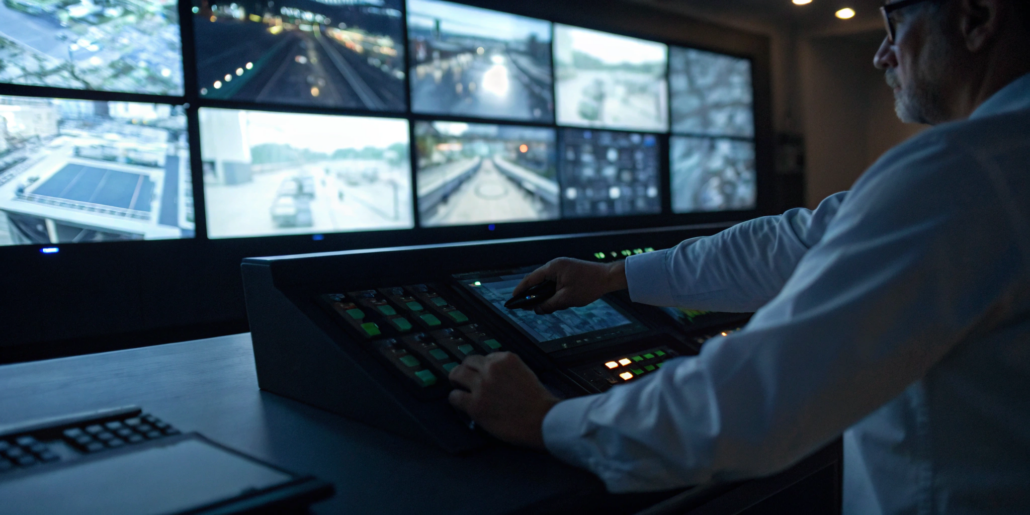
An unmonitored alarm is just a noisemaker. With professional security system monitoring, you have a dedicated team of trained agents watching over your business around the clock. If a sensor is tripped or an alarm goes off, they don’t just hope a neighbor calls it in. These professionals immediately assess the situation, contact you to verify the alarm, and dispatch the police or fire department if needed. This constant vigilance ensures that a real emergency gets a real response, whether you’re on-site, at home, or on vacation. It’s the most reliable way to protect your business when you can’t be there yourself.
Clear Video and Controlled Access
Seeing what’s happening at your business is critical, and modern commercial camera systems offer more than just grainy footage. High-definition cameras provide clear, continuous recording, and many come with smart features like two-way talk, allowing you to communicate with someone on your property directly through the camera.
Pairing video surveillance with an access control system gives you complete command over who enters your building and when. Instead of managing physical keys, you can grant or revoke access for employees using key cards, fobs, or even their smartphones, creating a detailed log of everyone who comes and goes.
The Role of Local and Cloud Storage
The way you store your surveillance footage is just as critical as the quality of the video itself. Local storage, such as an on-site recorder, provides instant access to your recordings without needing an internet connection—ideal for quickly reviewing an incident on the spot. But if that hardware is stolen or damaged in a fire, your evidence disappears with it. That’s where cloud storage provides a vital safety net. By automatically backing up your video data to a secure, off-site server, you protect it from physical threats at your location and gain the freedom to view it from anywhere. The most effective approach is a hybrid one that uses both. This dual-layer protection ensures your critical footage is always secure and accessible, offering the kind of reliability that is a hallmark of today’s best commercial security systems.
Remote Management via Mobile App
As a business owner, you can’t be tied to your property 24/7. That’s why remote management through a mobile app is a game-changer. A quality security system should allow you to arm or disarm your alarm, view live video feeds from your cameras, and manage employee access from anywhere, right on your smartphone. If you manage multiple locations, you can oversee all of them from a single dashboard. This level of control gives you instant insight and the ability to respond to situations immediately, offering invaluable peace of mind.
How AI and Automation Improve Security
Today’s best security systems use artificial intelligence to be smarter and more effective. AI-powered analytics can distinguish between a person, an animal, and a vehicle, which drastically reduces the number of false alarms you receive. Instead of getting a notification every time a car drives by, you’ll only be alerted to genuine activity. These intelligent systems and products can also be integrated with other smart devices, like lights and thermostats, to create automated routines that enhance security and efficiency. For example, you can set your system to automatically lock the doors and turn on exterior lights when you arm the alarm at night.
Integrated Fire Safety and Emergency Alerts
A comprehensive security plan protects against more than just theft. Fire is one of the most devastating threats to any business, which is why integrated fire safety is a must-have feature. Your security system should include smoke and heat detectors that are monitored 24/7, just like your intrusion alarms. In the event of a fire, the system should automatically alert the monitoring center to dispatch the fire department immediately. Having reliable NFPA fire alarm services with a built-in backup ensures that even if the power goes out, your business remains protected from this critical threat.
Choosing the Right Sensors for Your Space
The foundation of a strong security system lies in its sensors. Think of them as the system’s eyes and ears, each designed to detect a specific type of threat. Door and window sensors are your first line of defense, alerting you the moment an entry point is breached. Motion detectors cover larger areas, like warehouses or open-plan offices, by sensing movement after hours. For businesses with large glass windows, like storefronts, glass-break sensors are essential, as they can detect the sound or vibration of shattering glass. The right combination of these components creates a comprehensive network tailored to the unique layout and vulnerabilities of your property.
Are Security Systems Legally Required for Businesses?
While there’s no universal law that mandates every business must have an intrusion detection system, that doesn’t mean they aren’t a critical investment. However, certain safety measures are legally required. For instance, most commercial buildings must have compliant fire alarm systems to protect employees and customers. This is why integrating NFPA fire alarm services into your overall security plan is not just smart—it’s often necessary. A professionally installed and monitored system does more than meet regulations; it provides invaluable evidence in case of an incident and acts as a powerful deterrent against potential threats, safeguarding your assets around the clock.
How Much Does a Commercial Security System Cost?
Figuring out the budget for a commercial security system can feel like a huge task, but it’s more straightforward when you break it down. The total price isn’t just one number; it’s a combination of the initial equipment costs, ongoing monitoring fees, and the terms of your service agreement. Understanding these three key areas will help you find a solution that protects your business without any surprise expenses down the road. Let’s walk through what you can expect to pay for and what to watch out for when you’re ready to invest in your company’s safety.
Breaking Down Equipment and Setup Costs
Your first expense will be the hardware itself. This upfront cost covers all the components that make up your security system, like door and window sensors, motion detectors, security cameras, and the main control panel. The price can start around a few hundred dollars for a basic package and go up from there depending on the size of your property and how much coverage you need. A small boutique will have different needs than a large office building, so it’s important to find the right systems and products for your specific space. Some companies use high-quality, proprietary equipment which can be more reliable but may also come with a higher price tag.
What to Expect from Monthly Service Fees
After the initial setup, you’ll have a recurring monthly fee for professional monitoring. This is the service that keeps a constant watch over your business, 24/7. Think of it as having a dedicated team ready to respond the second an alarm is triggered. These fees typically range from $35 to $50 per month. This payment ensures that if there’s a break-in, fire, or other emergency, a trained professional will verify the alarm and dispatch the appropriate authorities immediately. This continuous oversight is what makes a commercial system so effective, providing peace of mind that your business is protected even when you’re not there. This is a core part of any reliable security system monitoring service.
How to Spot Hidden Costs and Unfair Contracts
This is where you need to pay close attention. Some security providers, especially large national chains, require long-term contracts that can last three years or more. If you need to cancel early, you could face hefty termination fees. Before signing anything, always ask about the contract length and the cancellation policy. It’s also smart to inquire about what happens if your business moves. Beyond the contract, look out for other potential costs like installation charges, fees for equipment repairs, or penalties for false alarms. A trustworthy company will be transparent about all potential expenses. Don’t hesitate to get in touch and ask for a clear breakdown of all costs.
What Are Customers Saying About These Security Companies?
When you’re choosing a security partner, marketing materials and sales pitches only tell you part of the story. The real proof is in the experiences of current and past customers. Looking at reviews and feedback gives you a clearer picture of what it’s actually like to work with a company day-to-day. Does their system perform as promised? How do they respond when you need help? Is the installation process smooth or a headache?
Getting answers to these questions helps you look past the brand names and find the provider that truly fits your business needs. We’ve gathered feedback on some of the top names in the industry to see how they stack up in three critical areas: performance and reliability, service quality, and the installation experience. This will help you understand the key differences and decide which company aligns best with your expectations for protecting your property.
Looking at Performance and Reliability Ratings
When it comes to reliability, big names like ADT often come to mind first. With 150 years in the business and over six million customers, they have a long-established track record. Other national brands like Vivint are known for their high-tech equipment and smart home features, offering a modern alternative. For businesses looking for dependable protection without a hefty price tag, SimpliSafe is often highlighted as a solid choice, especially for startups.
However, reliability isn’t just about brand size. A local provider brings a different kind of dependability—one rooted in the community. As an Atlanta-based company, we at American Alarm have a deep understanding of the area and a direct stake in keeping our neighbors safe. Our reputation is built right here, one protected business at a time.
Gauging Customer Service and Support
Great service means getting a fast, helpful response when you need it most. National companies like ADT offer 24/7 monitoring, ensuring someone is always ready to respond to an alert. Others, like Frontpoint, have built a reputation specifically on friendly and helpful customer service interactions. While these are definite positives, the experience can sometimes feel impersonal when you’re dealing with a large, national call center.
This is where a local company truly shines. Choosing a local provider means you get personalized service from people who know your name and understand the specific security challenges in Atlanta. We pride ourselves on faster response times and a hands-on approach. You’re not just a number in a queue; you’re a local business we’re committed to protecting.
Common Feedback on Large National vs. Local Providers
When you sift through customer feedback, a clear pattern emerges. People often choose national brands for their wide reach, but a common complaint is the impersonal service. You might find yourself talking to a different person in a call center hundreds of miles away each time you call, which can be frustrating when you need specific help. In contrast, feedback for local providers frequently highlights a more personal touch. Customers appreciate having a direct line to a team that understands the unique security challenges in Atlanta. This local connection often translates to faster service for maintenance and emergencies, which is critical when your protection is on the line. Your security company is a long-term relationship, and many find that a partner with deep roots in the community provides a more reliable and reassuring experience.
What to Expect During Installation
Getting your system set up correctly is the foundation of your security. Companies like ADT and Vivint require professional installation, with Vivint even offering a “white-glove service” to manage the process from start to finish. This hands-off approach can be appealing, but it’s important to know who is doing the work and what equipment is being installed.
We believe in complete transparency and expertise. At American Alarm, we ensure that only licensed systems technicians handle your installation, and we provide a full disclosure of all the makes and models of the systems and products we use. This commitment means you can be confident that your system is installed to the highest standard by qualified professionals who are accountable for their work.
Professional vs. Self-Monitored Systems: Which Is Better?
Choosing between a professionally monitored system and a do-it-yourself (DIY) setup is one of the biggest decisions you’ll make for your business’s security. Each approach has its place, but the right choice depends on your specific needs, budget, and how much responsibility you want to take on. Understanding the core differences will help you find the perfect fit for protecting your property and assets.
Why Choose Professional 24/7 Monitoring?
Professional monitoring means a team of trained agents is watching over your business around the clock. If a sensor is tripped or an alarm goes off, they don’t just send you a notification—they take immediate action. An agent will quickly try to contact you to verify the alarm and, if necessary, dispatch the police or fire department on your behalf. This rapid, expert response is crucial when every second counts. For most small to medium-sized businesses, this service offers incredible value, providing a level of protection that’s far more affordable than hiring on-site guards. It’s the peace of mind that comes from knowing an expert is always on call.
Comparing Professional Monitoring and On-Site Guards
While having a person physically present might seem like the ultimate protection, the cost of on-site guards is often prohibitive for most businesses. Professional monitoring offers a smart, affordable alternative. Instead of one person, you have an entire team of trained professionals watching over your property from a secure central station. They are equipped to verify alarms and coordinate with first responders, ensuring a swift and appropriate reaction to any event. This approach provides comprehensive oversight without the significant expense and logistical challenges of staffing your own security personnel, making it a practical choice for businesses focused on both safety and their bottom line.
Understanding Average Response Times
When an alarm sounds, every second is critical. With a self-monitored system, the response time depends entirely on you. You have to see the notification, assess the situation, and then make the call for help. Professional monitoring streamlines this entire process. The moment a sensor is triggered, a trained agent is alerted. They immediately follow a proven protocol to verify the emergency and dispatch emergency services if needed. This eliminates the delay and potential for human error, ensuring that police or fire departments are on their way much faster. It’s the difference between a potential disaster and a controlled situation.
When Does Self-Monitoring Work for a Small Business?
Do-it-yourself security systems are appealing for their flexibility and often lower monthly fees. Brands like SimpliSafe are great examples of systems you can install yourself and monitor from your smartphone. This approach can work well for very small businesses or those with minimal security risks, especially if you prefer to avoid a long-term contract. The key thing to remember is that with a DIY system, you are the monitoring center. When an alert comes through, it’s up to you to assess the situation and call for help. If you’re in a meeting, on a plane, or simply away from your phone, you could miss a critical event.
Finding a Hybrid Approach for Your Growing Business
Your security needs aren’t static; they grow and change right along with your company. A hybrid approach allows your security system to scale with you. You might start with a professionally monitored alarm system and later integrate more advanced features like access control systems or smart cameras as your team and inventory expand. Modern systems can incorporate smart technology that learns your business’s patterns to reduce false alarms and provide more intelligent alerts. This lets you build a customized security plan that fits your budget today while being ready for your company’s future.
Common Business Security Myths, Debunked
When you’re running a business, you have a lot on your plate. It’s easy to let misconceptions about security systems push this crucial decision to the back burner. But separating fact from fiction is the first step toward protecting your hard work. Let’s clear up a few common myths that might be holding you back from securing your business properly.
Myth: “Security systems are too expensive for my small business.”
This is one of the most persistent myths out there, but it’s simply not true anymore. The idea that a quality security system will break the bank is outdated. Today’s security solutions are designed to be both affordable and scalable, meaning you can get the protection you need without a massive upfront investment. Think of it less as a cost and more as an investment in your company’s future and stability. Many providers offer flexible packages and even special deals that make securing your business more accessible than ever. Protecting your assets is a fundamental part of running a successful business, regardless of its size.
Myth: “My industry isn’t high-risk, so I don’t need it.”
It’s easy to assume that only banks or jewelry stores need top-tier security, but every business has valuable assets that need protection. Whether you run a small retail shop, a restaurant, or an office, you have equipment, inventory, data, and employees to keep safe. A break-in or act of vandalism can be devastating for any company. Professional security systems are not just about preventing theft; they also deter crime and provide peace of mind. Every business can benefit from a security plan tailored to its specific vulnerabilities and needs.
Myth: “Installation will be a huge disruption.”
The thought of a lengthy, complicated installation process is enough to make any business owner hesitate. You can’t afford significant downtime. The good news is that professional installers are experts at working efficiently to minimize disruption. Many modern systems, especially wireless ones, can be set up quickly and cleanly. A good security company will work with your schedule to find the best time for installation, ensuring your daily operations continue smoothly. You can get your system up and running with minimal interruption to your business.
Myth: “A system only protects against break-ins.”
While a security system is an excellent deterrent for burglars and vandals, its job doesn’t stop at the front door. Comprehensive security solutions also play a critical role in managing internal risks. Unfortunately, threats like employee theft or unauthorized access are real concerns for many businesses. Features like access control systems let you manage who can enter certain areas and when, while security cameras can help monitor internal activity. A well-designed system provides a holistic approach, protecting your business from a wide range of potential threats, both inside and out.
How to Properly Vet a Security Company
Choosing a security partner for your business is a big decision. You’re not just buying equipment; you’re trusting a company with the safety of your property, employees, and assets. Before you sign any contracts, it’s essential to do your homework and make sure the company you choose is reliable, experienced, and a good fit for your specific needs. A little research upfront can save you from major headaches down the road. Look beyond the sales pitch and dig into the company’s credentials, service capabilities, and technical know-how.
Confirm Their Licensing and Certifications
First things first, make sure any company you consider is properly licensed and certified. This is non-negotiable. A legitimate security provider will have licensed technicians handling the installation and maintenance of your system. Don’t be shy about asking for proof of their credentials. This ensures they meet state and industry standards for safety and quality. A transparent company will also be upfront about the makes and models of the equipment they use. Knowing what gear they install helps you research its reliability and ensures you’re getting a quality product, not just a generic, off-the-shelf solution. It’s all about finding a partner with a proven track record and the qualifications to back it up.
Ask About Local Service and Response Times
When a security issue arises, every second counts. The last thing you want is to be stuck waiting for a technician from a national call center that’s hours away. This is where a local company truly shines. Choosing an Atlanta-based provider means you get faster response times from people who understand the local landscape. A local team can provide more personalized service because they’re your neighbors. They’re invested in the community and can offer insights specific to the area. Before committing, ask about their average response time for service calls and where their technicians are dispatched from. You want a team that can get to you quickly when you need them most.
Review Their Technology and Equipment
The effectiveness of your security system depends heavily on the quality of the equipment and the skill of the people installing it. A great security company will offer a range of high-quality systems and products that integrate surveillance, access control, and intrusion detection. Ask potential providers about the technology they use. Some advanced systems require specialized training to install and service correctly, so you’ll want to confirm their team has the right expertise for the job. A knowledgeable provider can explain the pros and cons of different technologies and help you design a comprehensive system that forms a solid defense for your business.
What’s New in Commercial Security Technology?
The world of commercial security is evolving far beyond simple alarms and grainy cameras. Today’s technology offers smarter, more integrated ways to protect your business, giving you greater control and peace of mind. These modern systems and products are designed to be proactive, not just reactive, using intelligent features to identify potential threats before they become problems. This shift means your security system can do more than just sound an alarm; it can become a valuable tool for managing your entire operation and even provide insights that help you run your business more effectively.
From artificial intelligence that can tell the difference between a delivery truck and a suspicious vehicle to the ability to manage your entire system from your smartphone, the latest advancements are all about efficiency and accuracy. These technologies work together to create a comprehensive shield for your business, integrating everything from access control to video surveillance into one cohesive unit. Understanding what’s new can help you choose a system that not only protects your assets but also fits seamlessly into your daily workflow, making your business safer and smarter. Let’s look at some of the most important developments you should know about.
Smarter Threat Detection with AI
Artificial intelligence (AI) is making security systems much sharper and more intuitive. Instead of getting an alert every time a car drives by or a tree branch sways in the wind, AI-powered cameras can analyze what they see. They can differentiate between people, animals, and vehicles, so you’re only notified about what truly matters. This smart threat detection significantly reduces false alarms, saving you time and preventing the hassle of responding to non-events. AI can also learn the normal patterns of activity around your business and flag unusual behavior, giving you a heads-up on potential security risks before they escalate.
Managing Your System with IoT Connectivity
The Internet of Things (IoT) simply means that different devices can connect to the internet and communicate with each other. In security, this creates a fully integrated system you can manage from anywhere. Your cameras, door locks, motion sensors, and even thermostats can all be linked together and controlled through a single app on your phone or computer. This allows you to perform remote management tasks like locking the doors after hours, checking live video feeds while you’re away, or giving temporary access to a vendor without having to be there in person. This level of connectivity gives you complete control over your business’s security, no matter where you are.
Why Cybersecurity for Your System Matters
As security systems become more connected, they also need strong protection against digital threats. A system connected to the internet could potentially be a target for hackers if it’s not properly secured. That’s why robust cybersecurity is a critical feature of any modern commercial security system. Leading providers prioritize protecting your data with features like encryption, which scrambles your video feeds and information so only authorized users can access them. When choosing a system, it’s essential to work with a company that understands the importance of securing connected devices to protect your business from both on-site and online threats.
Best Practices for Securing Your System
Getting the most out of your security system starts with a clear strategy. Begin by identifying your business’s unique vulnerabilities, from after-hours access to inventory control. Next, insist on a system with 24/7 professional monitoring—an unmonitored alarm is just a noisemaker, while a monitored one ensures a real response when it matters. Ensure you have remote management capabilities to control your system from anywhere, and integrate essential protections like NFPA fire alarm services. Finally, treat your security provider as a long-term partner. Choose a local company with a proven reputation and fast, Atlanta-based service, so you know help is always nearby when you need it.
The Benefits of Cloud Storage and Analytics
Gone are the days of relying on bulky on-site recorders that could be stolen or damaged. Cloud-based storage sends your video footage to a secure online server, so your evidence is always safe and accessible. You can review footage from any device with an internet connection, and you don’t have to worry about running out of storage space. Beyond just storage, the cloud enables powerful data analytics. Your commercial camera system can provide insights into customer traffic patterns, peak business hours, and employee activity. This turns your security footage into a valuable business intelligence tool that can help you make smarter operational decisions.
How to Find the Perfect Security Fit for Your Business
Choosing a security system isn’t a one-size-fits-all decision. The right solution for a small boutique in Virginia-Highland will look very different from what a multi-location enterprise needs. Your company’s size, budget, industry, and future growth plans all play a crucial role in determining the best fit. By understanding your specific requirements, you can find a system that protects your assets without breaking the bank or becoming obsolete as you expand.
Matching a System to Your Small Business Budget
If you’re a small business owner, every dollar counts. It’s easy to think a comprehensive security system is out of reach, but that’s a common myth. Protecting your business is an investment in its future, and modern systems offer affordable ways to get 24/7 protection. The key is finding a provider that understands that “small business” doesn’t mean “small risk.” You need a partner who can design cost-effective security measures tailored to your specific layout and vulnerabilities. Whether it’s a single camera and an alarm for a small office or a more robust setup for a retail shop, the right plan secures your hard work without straining your budget.
Finding a Scalable System for a Large Enterprise
For larger companies or those with ambitious growth plans, scalability is everything. You need a security system that can grow with your business, whether you’re opening a new location across Atlanta or expanding your current facility. This means looking beyond basic alarms to integrated solutions that can manage multiple sites from a single interface. Think about features like access control to manage employee permissions across different buildings and commercial camera systems that can be easily added as your footprint expands. Your security infrastructure should support your growth, not hold it back, ensuring consistent protection at every stage.
Getting a Custom Solution for Your Industry
Every industry faces unique challenges. A warehouse needs to monitor large open spaces and loading docks for theft, while a healthcare facility must protect patient privacy and control access to sensitive areas. A generic security package just won’t cut it. That’s why it’s so important to work with a company that provides customized solutions designed for your specific operational risks. By analyzing your industry’s threats—from internal shrinkage in retail to after-hours break-ins at construction sites—you can build a layered defense that addresses your most pressing concerns and gives you true peace of mind.
Related Articles
- Local Commercial Security Systems in Atlanta & North Georgia | American Alarm
- The Ultimate Guide to Your Business Security Alarm
- How to Find the Best Alarm Company for You
- Atlanta Commercial Alarm | Alarm Installation & Monitoring
- Top Commercial Security Provider in Atlanta | American Alarm
Frequently Asked Questions
What’s the real advantage of a local security company over a big national brand?
The biggest difference often comes down to service and expertise. A local provider understands the specific security challenges in your community because they’re a part of it. When you need support or a technician, you’re more likely to get a faster response from a local team. This direct relationship means you get more personalized attention from people who are invested in protecting their neighbors, not just fulfilling a service ticket from a national queue.
I’m just starting out. Is a DIY system a good way to save money?
A do-it-yourself system can seem like a budget-friendly option, and for some very small operations, it might be a decent starting point. The main thing to remember is that with a DIY setup, you are the monitoring service. If an alarm goes off while you’re busy, asleep, or without cell service, you could miss a critical event. Professional monitoring ensures that a trained expert is always ready to verify an alarm and dispatch help, which is a level of reliability most businesses find essential.
How can I be sure I’m not getting locked into a bad contract with hidden fees?
Transparency is key. A reputable security company will be upfront about all costs, including equipment, installation, and monthly monitoring. Before signing anything, ask for a clear breakdown of all potential fees and inquire about the contract length and cancellation policy. You should feel comfortable asking what happens if your business moves or needs to change its service. A trustworthy partner will provide clear answers without pressure.
My business is growing. Will I have to replace my entire system in a few years?
Not at all, provided you choose a scalable system from the start. Modern security solutions are designed to be modular, allowing you to add components as your needs change. You can begin with essential alarm monitoring and cameras and later integrate features like access control for new employees or additional surveillance for an expanded space. A good security partner will help you plan for growth so your system can evolve with you.
Are modern security systems just about stopping theft?
While preventing break-ins is a primary function, today’s systems offer much more comprehensive protection. They are designed to safeguard your business from a range of threats, including fire, by integrating monitored smoke and heat detectors. Features like access control help manage internal risks by restricting entry to sensitive areas, and video analytics can even provide valuable insights into customer traffic and daily operations.


Leave a Reply
Want to join the discussion?Feel free to contribute!